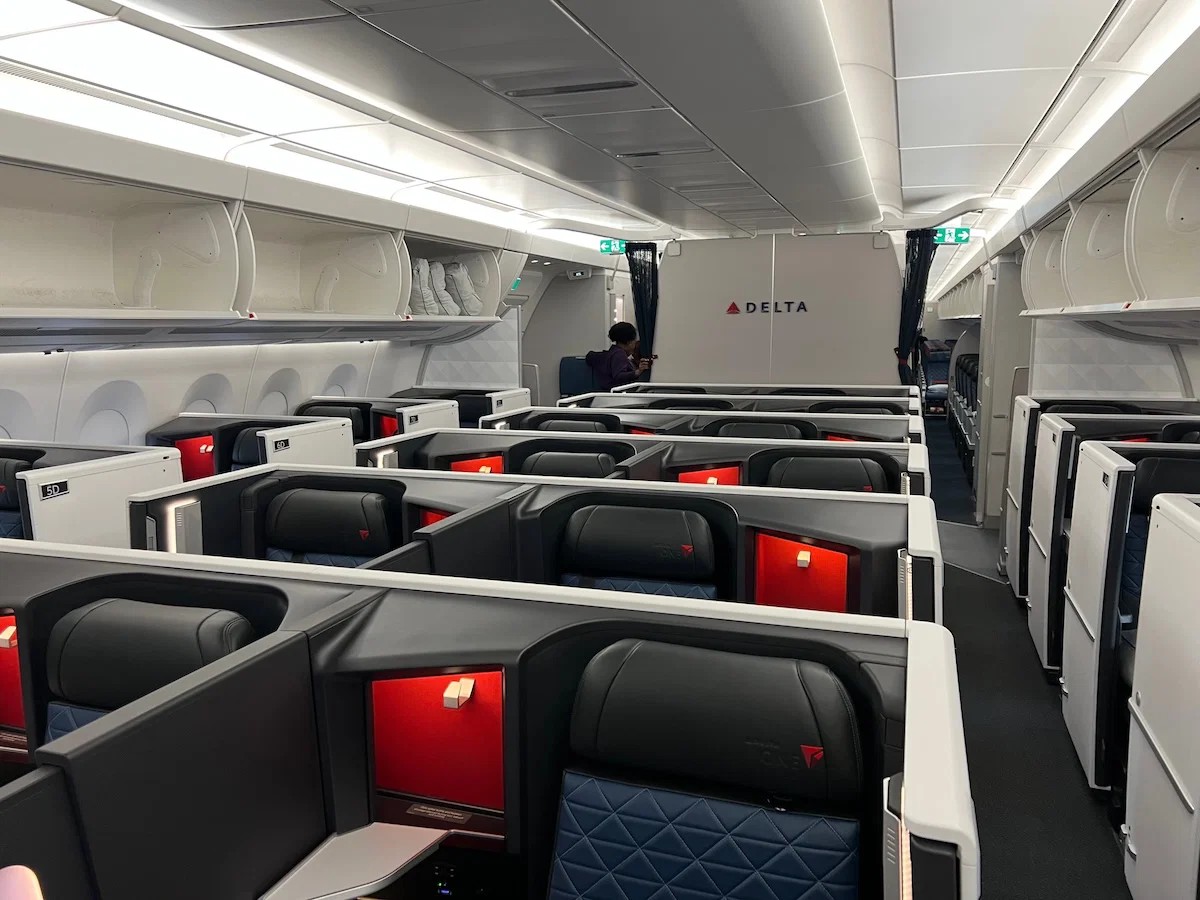
The internet is full of noise. Specifically, the loud, defensive noise from United Airlines executives and their online apologists. They claim Delta Air Lines is burning cash on a reckless Pacific expansion. The numbers? Not so pretty. But here is the uncomfortable truth: Delta is still pulling ahead.
How much will Delta’s Asia growth cost?
Let’s cut through the spin. Critics point to Delta’s aggressive entry into routes like Los Angeles (LAX) to Chicago (ORD), Hong Kong (HKG), and New York (JFK/EWR). They say it’s a direct attack on United’s strongholds. Maybe it is. But is it killing Delta? No. In the second quarter alone, Delta generated two-thirds of the US airline industry’s profits.
That figure does not lie. Even if you ignore the messy accounting tricks United uses, like sale-leaseback transactions that boost net income while adding debt, Delta’s financial foundation is sturdier. United’s first-half 2026 net income looks inflated by these maneuvers. It’s a paper tiger.
Delta’s strategy isn’t about trashing the market. It’s about strategic intent. They evaluated the competitive landscape before hitting “start.” And while United executives sit silent, refusing to fight back on routes where Delta is gaining ground, Delta keeps moving.
The carrier that adds the most capacity usually sees the lowest yield growth. But Delta is growing responsibly, targeting high-cargo, high-revenue routes where their cost structure gives them an edge.
Delta vs. United: Who is really winning the Pacific?
You might argue United is defending its turf. But look at the route map. United hasn’t added significant new routes to counter Delta’s LAX expansions. Delta is growing its Transpacific (TPAC) network since the pandemic. The industry is absorbing it.
Why? Because Delta has a lower cost base on these flights. Adding the first few flights to a new city is easier—and often more profitable—than pushing for the third or fourth. United has the advantage of raising fares on established routes, sure. But that just makes room for Delta to enter.
Consider cargo. This is a hidden killer. Delta’s cargo revenue growth outpaces United’s. Routes to Asia are heavy on freight. Delta’s Airbus A350-900 is a cargo beast. United’s Boeing 777-300ER (77W) has capacity, but it burns fuel like a champ. Delta’s newer A350-1000 (35K) is the dream aircraft for cargo efficiency.
Is the Seattle (SEA) hub a drain? Critics say yes. Delta has operated there for ten years. Yet Delta remains the most profitable US airline. If SEA were a financial black hole, Delta wouldn’t be industry-leading. It suggests Delta makes enough revenue elsewhere to absorb development costs and still win. United has had years to build hubs in competitive markets. Have they?
Why is Delta outperforming United financially?
It comes down to discipline. United’s capacity growth has crashed down. Their executives admitted they were slowing Pacific growth last year. That was Delta’s green light. United announced capacity cuts in the third and fourth quarters. That was American Airlines’ green light to expand domestically and into Latin America.
None of the big three—American, Delta, or United—is ceding domestic market share. While United chases niche destinations like Mongolia or seasonal routes to Nuuk, American and Delta are locking down core markets. United’s focus on narrow-body, sub-daily international flights is a distraction.
American Airlines is now growing faster than United in the domestic sector. United’s revenue passenger miles (RPMs) grew 5.4%, compared to American’s 3.6% and Delta’s modest 1%. But look closer. United’s growth is slowing. Their delivery book is strong, yes, but they are retiring old aircraft. Delta is using new planes to drive efficiency.
Is Delta’s growth strategy actually profitable?
Skeptics love to cite rankings. “Delta is last in on-time performance!” they cry. But rankings are misleading. If everyone is bad, someone is still #1. If everyone is good, someone is still last. Statisticians don’t rely on rankings; they look at differentials.
A 1% difference in cancellation rates might shift a ranking by one spot. It doesn’t tell you the whole story. Delta’s operational improvements are real, even if the rankings look flat.
The real metric is yield versus capacity. Delta is growing capacity in the Pacific, yes. But they are doing it where they can maintain yield. United is seeing its yield growth stagnate because they stopped growing. The market isn’t shrinking; it’s shifting.
Delta isn’t trying to destroy United. They are just out-executing them. Every time a United exec complains, they reveal their own insecurity. Delta’s CEO Ed Bastian knows exactly what he is doing. He isn’t reacting to online forums. He’s reacting to market data.
The bottom line for travelers and investors
So, what does this mean for you? If you fly the Pacific, options are increasing. Delta is adding seats. United is holding steady. American is pushing back. The competition is good.
But for those betting on United to crush Delta through sheer aggression? The evidence doesn’t support that view. United is defending a shrinking share in specific corridors. Delta is expanding where it can afford to.
The internet noise doesn’t change the outcome. Delta is executing. United is reacting. And in business, reaction is rarely as profitable as action.
Will United fight back harder? Probably. But the window for easy growth in Asia is closing. Delta got in. They stayed in. And they are making money doing it. United wants you to believe they are winning. The profit sheets say otherwise.