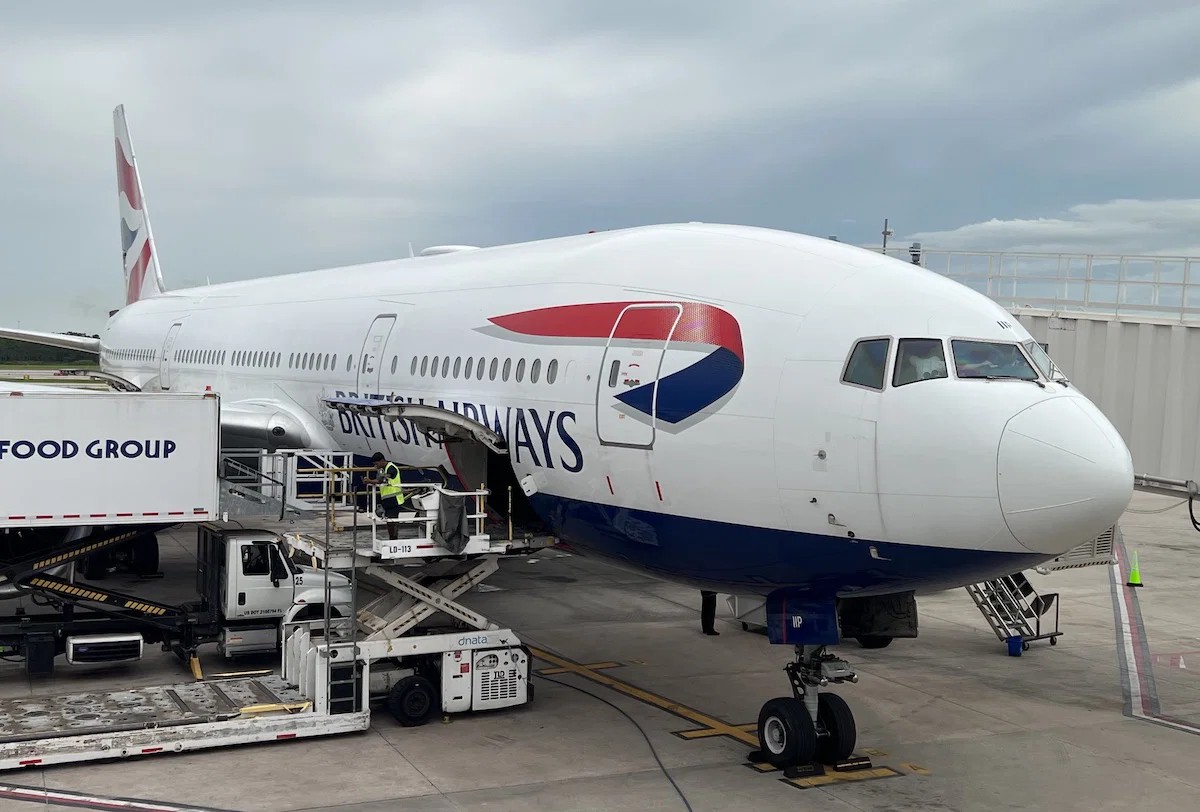
Three British Airways pilots on a flight from India got sick.
All of them.
It sounds like a scene ripped straight out of Airplane! The cabin crew likely had to step in, maybe even take the controls, while three trained aviators dealt with violent illness mid-flight. It’s a logistical nightmare. It’s unsafe. And frankly? It’s a story many aviation workers know all too well.
This incident isn’t an anomaly. It’s the extreme end of a spectrum most crew members try to avoid.
“It’s awful, especially at 38,000 feet. I wouldn’t wish that on anyone — crew or passengers.”
Why Food Poisoning Is A Nightmare For Pilots And Flight Attendants
Flying isn’t just about navigation. It’s about health management. When you are responsible for hundreds of lives, your stomach is your biggest liability.
Most aviation professionals have a horror story involving foreign cuisine. Usually, it happens during a layover. That’s safer. You can call hotel reception. You can stay in bed. You can miss a shift.
But this? This happened inflight.
If you are wondering why this is such a big deal: pilots cannot vomit into a toilet while managing an approach. Flight attendants cannot lock themselves in a closet if the plane is in turbulence. The confined space of a fuselage turns a bad meal into a potential emergency.
The Hidden Cost Of “Delhi Belly” For Aviators
Let’s talk about the source. In this case, India.
The term “Delhi Belly” is a cliché for a reason. It’s real. It’s brutal. And for some crew members, it changes their career path.
Consider the perspective of a veteran flight attendant who spent 30 years in the sky. In the 1990s, routes were different. A trip to Toronto (YYZ) might involve a long haul to London (LHR), a layover, then on to Delhi (DEL), another layover, back to LHR, and home.
It was exciting. A whole week away with the same crew. Junior staff would beg for these rotations.
Then came the crash.
How One Layover Ended A Crew Member’s Rotations To India
This crew member made eight trips to India early in her career. All of them were fine on the ground until the last one.
The flight from Delhi to London was uneventful. She landed. Checked into her hotel. Went to bed.
Woke up violently ill.
She had never been that sick in her life. The hotel sent a doctor. Her crewmates dropped off Ribena and Imodium. They knew the drill. They cared.
But she missed the flight home. She came back deadheading days later.
Did she bid for another trip to Delhi? No. Never again.
Love for a country doesn’t override trauma. The fear of repeating that physical ordeal kept her off those rotations for the rest of her career. She was careful. She avoided spicy food. She stayed vigilant. But the memory of that hotel room sickness was enough to change her life choices.
A Similar Incident In Bogotá Proves It’s Not Just India
It’s not always the Indian subcontinent. The bug doesn’t care about geography.
Fifteen years later, another layover. This time in Bogotá, Colombia.
A seafood pasta lunch at the hotel restaurant. A boyfriend visiting for the three-day stop.
Six and a half hours later, she was throwing up in the hotel room.
She called the front desk. Paramedics arrived. They offered Pedialyte. They wanted to give her a shot. She refused. Why?
“I was very strict about my diet. I didn’t want to consume all the glucose.”
She wanted to keep her system clean. She wanted control.
What Happened After The Bogotá Incident
Here is where it gets surreal.
Two months later, she got a letter from the hotel. It was in Spanish. She had to translate it.
The hotel had sent the seafood pasta ingredients to a laboratory. They reported back that “everything was in order.”
Why?
They thought she would sue them.
She never had that intention. She called the desk to warn them. To protect the next guest. To be diplomatic. But the legal instinct kicked in for management. They assumed litigation. She assumed safety.
She eventually flew home from Bogotá that night. She powered through it. It wasn’t a great idea, but she did it. She just wanted to be done.
So How Do Crew Members Stay Safe?
There is no magic shield. You can’t sterilize every meal. You can’t predict which dish carries bacteria.
The standard advice?
- Watch what you eat. Stick to boiled, steamed, or fried foods that are hot.
- Avoid street food unless you are willing to gamble.
- Peel your own fruit.
- Drink bottled water.
- Know your limits. If you feel off, rest. Don’t try to tough it out for a layover meal.
But as the British Airways incident shows, sometimes it still happens.
When it does, it’s not just about nausea. It’s about operational disruption. It’s about safety. It’s about three pilots incapacitated while cruising above the clouds.
The industry handles it. Crews adapt. But the next time you see a plane divert or land with urgency? Maybe check the news.
Sometimes it’s mechanical. Sometimes it’s medical.
And sometimes, it’s just a really bad lunch in Delhi.