


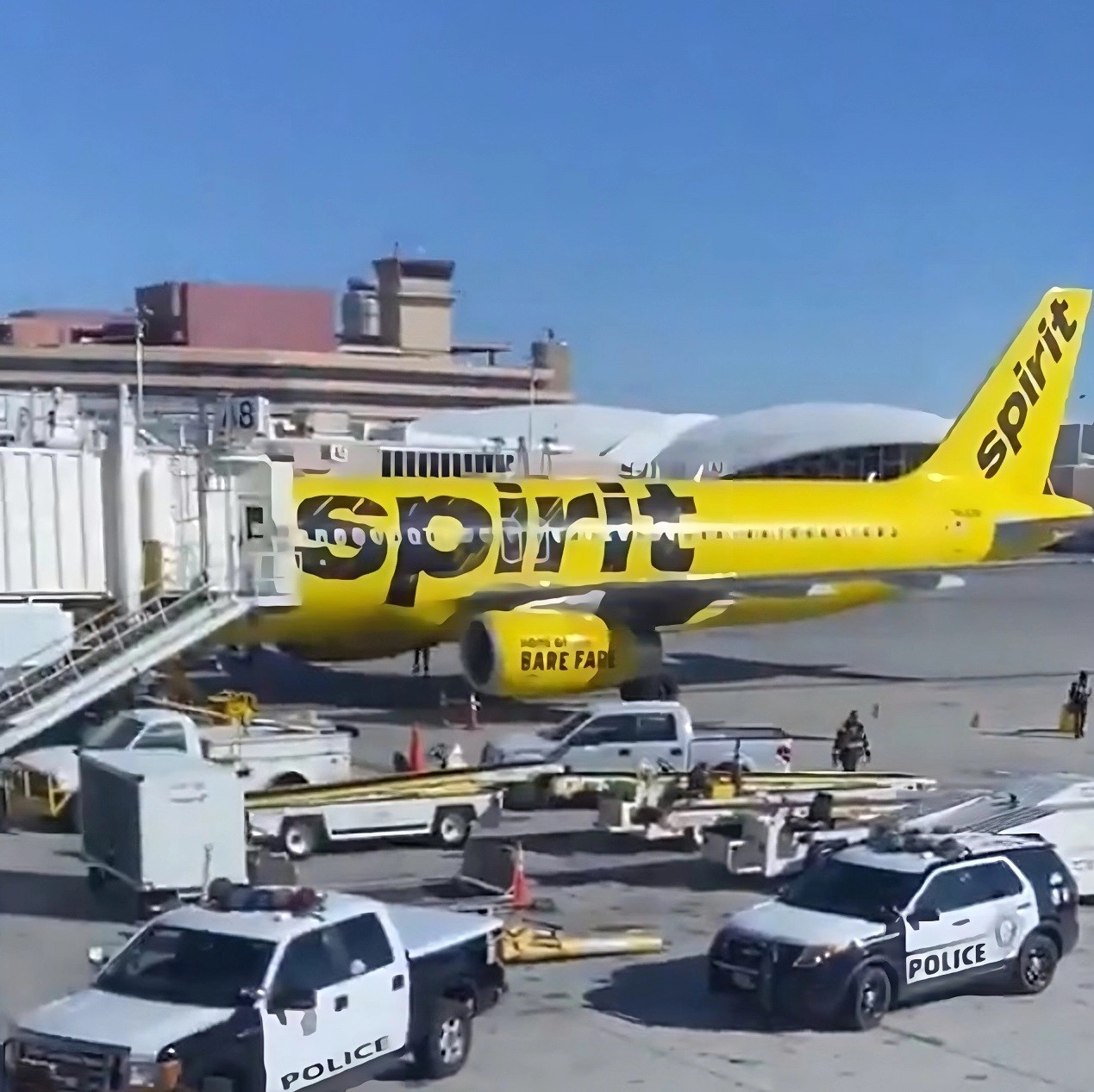
A global trend is emerging in the aviation industry: airlines are increasingly looking to national governments to cushion the blow of rising operational costs. Driven by soaring jet fuel prices—exacerbated by geopolitical tensions involving Iran—carriers across multiple continents are positioning themselves as “critical infrastructure” to secure taxpayer-funded relief.
A Global Pattern of State Intervention
While individual airline struggles vary, a consistent pattern of seeking government assistance is visible across the globe. Governments are responding with various forms of financial lifelines:
- Asia: India is preparing a ₹4,000 crore ($480 million) credit program featuring government guarantees and private investment matching, with SpiceJet poised as a primary beneficiary. Meanwhile, China is weighing subsidies, tax breaks, and low-interest loans for its state-run carriers.
- South America: Brazil has announced a massive relief package, offering up to R$2.5 billion ($500 million) in financing per airline alongside short-term credit facilities.
- Europe: Rather than direct cash, European airlines are lobbying for regulatory relief, including the suspension of carbon obligations and “use it or lose it” slot rules.
- Africa & The Caribbean: Nigerian airlines have threatened to halt domestic operations unless fuel prices are addressed, while Caribbean Airlines is seeking a debt write-off from Trinidad and Tobago.
- Oceania/Europe: airBaltic has already secured a $35 million government loan without the requirement of collateral.
The U.S. Context: Spirit Airlines and the Search for Relief
In the United States, the landscape is more complex. Spirit Airlines, currently navigating the aftermath of bankruptcy proceedings, is seeking support from the Trump administration. However, unlike the direct subsidies seen elsewhere, there is no clear legislative path for such a bailout in the U.S. unless it is attached to larger, unrelated spending bills, such as those concerning the Department of Homeland Security or defense spending.
This follows a precedent set during the COVID-19 pandemic, where the CARES Act provided $54 billion in direct grants and $25 billion in subsidized loans to U.S. carriers. Spirit Airlines alone received $754 million in taxpayer funds during that period.
The “Socialized Loss” Strategy
The push for bailouts raises significant questions about the fundamental business model of the airline industry. Industry leaders have been remarkably candid about the expectation of state support during crises.
“Investors can have confidence betting on airlines because they’ll privatize profits while socializing losses.” — Paraphrased sentiment from Delta CEO Ed Bastian
This philosophy suggests that airlines are viewed as “too big to fail” due to their role in national infrastructure. The logic presented by executives at both Delta and United is that because the state needs airlines to be functional for the economy to operate, the state will inevitably step in to ensure their survival.
This has created a strategic race among carriers. As United Airlines CEO Scott Kirby noted, the goal during a crisis is to be “faster than the other guy” in securing government handouts, ensuring that even if some airlines fail, the major players remain standing.
Why This Matters
The current reliance on fuel price volatility and geopolitical conflict to trigger bailouts highlights a systemic vulnerability in the aviation sector. When airlines transition from market-driven entities to entities dependent on state-backed credit and subsidies, it alters the competitive landscape.
For travelers and taxpayers, this trend raises a critical question: Is the aviation industry a self-sustaining market, or has it become a permanent ward of the state, shielded from the natural consequences of economic volatility?
Conclusion: As geopolitical instability drives up fuel costs, airlines worldwide are leveraging their status as essential infrastructure to demand government intervention, reinforcing a long-standing cycle of privatized profits and taxpayer-funded safety nets.


