It is a messy fight.
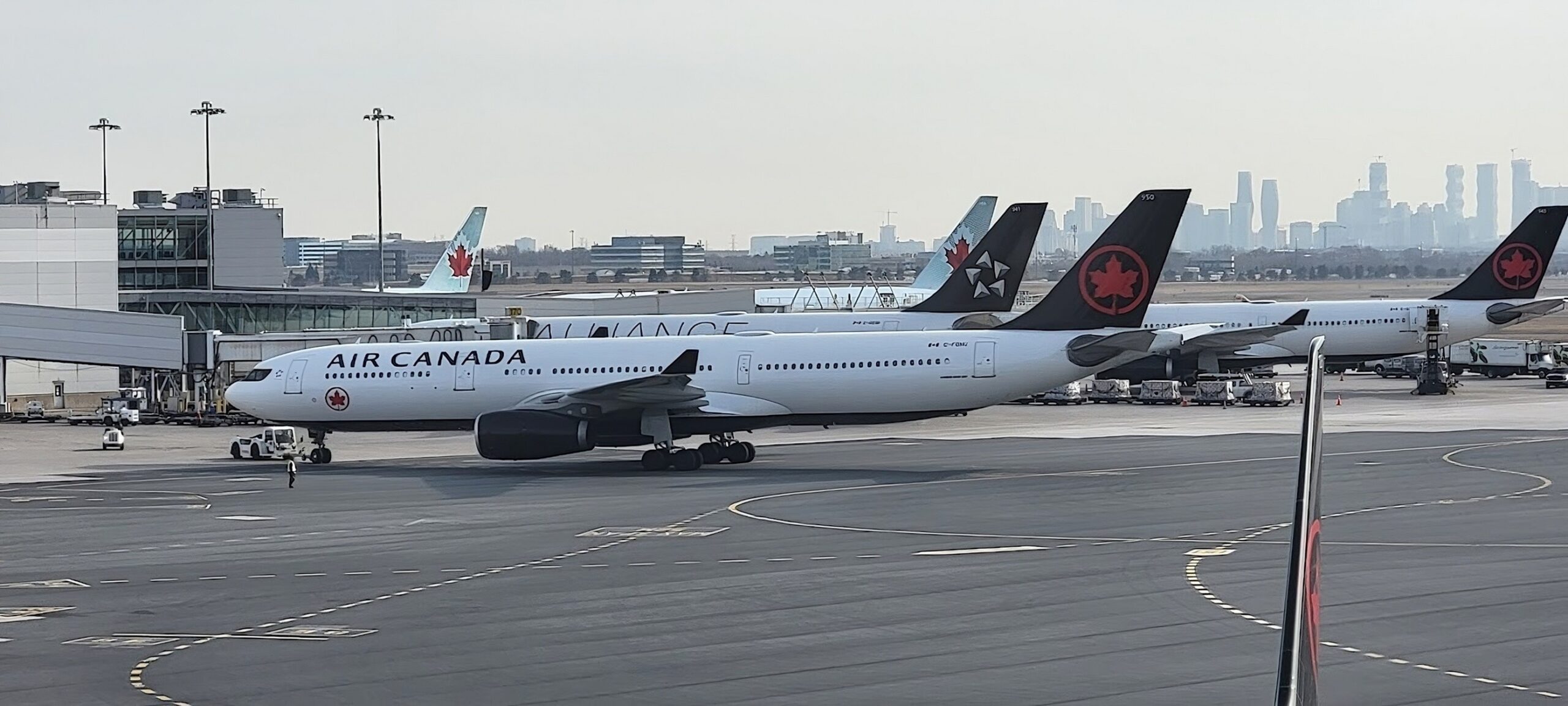
Air Canada wants seats.aero off the board. The airline says scraping their website for award seat availability is computer fraud. seats.aero disagrees. They call it anticompetitive.
The suit started back in 2023. Air Canada argued the search site violated their terms, broke the Computer Fraud and Abuse Act (CFAA), and hijacked their trademark. seats.aero had an early win. They beat the preliminary injunction. Why? Because Air Canada couldn’t prove irreparable harm.
But the case limped on for almost three years. Now, seats.aero—run by Chris Lopinto, the Expert Flyer founder—is fighting back with counterclaims. Antitrust. Tortious interference. Unfair competition. Air Canada wants those arguments thrown out, claiming they came too late.
Why The Suing Started
The lawsuit landed in Delaware courts. October 2019. Well, October 19, 2023.
Air Canada and its loyalty program, Aeroplan, targeted Localhost LLC. The charge was harvesting data via bots. Both screen scraping and API access were involved. seats.aero used that data for its free tool and a paid subscription service.
Air Canada claims this activity burdened servers. They say it caused outages. They say it strained Star Alliance partner relationships.
Aeroplan’s terms ban automated scripts, crawlers, and data mining. They ban circumvention of blocking measures entirely.
Seats.aero has a defense, though.
- The data is public. Anyone can see it.
- The API isn’t the “website” covered by those strict terms.
- The Amadeus system runs the show anyway. So who really owns the server strain?
- seats.aero rate-limits its requests. One request per second isn’t going to break a major airline’s infrastructure.
In fact, using the site might help Air Canada. If users check seats.aero first, they don’t hit the Aeroplan homepage directly. Less traffic. Fewer crashes.
And the logo issue? Air Canada calls it trademark dilution and false advertising. They displayed 265,000 available routes once. Big numbers. But looking at results doesn’t make seats.aero part of Aeroplan. Nobody is confused.
The Stalemate
Did they settle? Maybe. The rumor mill spun. But document production and depositions wrapped last summer. No deal.
Settlement talks died on February 17. Seats.aero hired new lawyers. Then came the counter-punch.
They accuse Aeroplan of limiting the award search market. Of interfering with business relationships. It’s a classic tit-for-tat. Air Canada says it’s too late to add new claims. Discovery was done. Adding stuff now just delays everything.
Seats.aero filed the motion right on deadline. They argue the claims rise from the same core dispute. I bet the court allows some of them. Maybe not all the antitrust theories. But a few claims will likely stick.
Why It Actually Matters
The CFAA has a reputation for abuse. It used to let prosecutors criminalize simple Terms of Service violations. Think violating MySpace rules. That ended. The Supreme Court clamped down. You can’t just access information you’re allowed to see, for a bad reason, and call it federal crime.
But Air Canada still tries. They argue seats.aero went off-limits. Or accessed after being kicked off. The Ninth Circuit says scraping a public site isn’t CFAA violation.
Does that apply here? Maybe not binding precedent. But it’s a good reading of the law. We don’t need federal felonies for checking flight seats.
What about the trademarks?
American Airlines sued Skiplagged for that. And won.
Seats.aero uses the Aeroplan name. And the Air Canada logo. On results. There is zero consumer confusion here. No one thinks the airline endorses the tool. It doesn’t harm the brand value. It just helps people find miles.
The court has to decide who is in the wrong. Or maybe both.
Nobody likes losing cases. Airlines have deep pockets. Startups have deep grudges.
Who wins now?