
New York City never runs out of things to show you. Art. Music. Money. Food. Style. It is the global capital of all of it. But if you are planning a trip, you need a strategy. You cannot just wander aimlessly. You need to hit the spots that define the city. There are places that are not just tourist traps, but essential stops. If you skip the basics, you haven’t really seen New York.
Let’s start with the big one. The symbol.
Why the Statue of Liberty Matters Beyond the Cliché
You have seen the postcards. You have seen the movies. But the reality of Liberty Island is heavier than the image. This isn’t just a statue. It is a statement.
The Statue of Liberty stands as the most significant symbol in the United States. It arrived in 1886. It was not an American creation. That is a common misconception. The French gave it to America. It was a gift for the centennial of the Declaration of Independence. A gesture of friendship across the Atlantic.
The structure is massive. The copper figure itself is impressive, but with the pedestal and foundation, it reaches 93 meters high. That is nearly 305 feet of iron and copper staring out toward the harbor.
How to See the Statue of Liberty Without Losing Your Day
Visiting is not as simple as taking a photo from the Staten Island Ferry. You can get a decent view from that ferry, sure. But you will miss the context. You will miss the history. You will miss the scale.
To truly experience it, you need to go to Liberty Island. This is where the monument sits. To get there, you must take a ferry. These boats run regularly. They depart from Battery Park in Manhattan or Liberty State Park in New Jersey. You can buy tickets online in advance. You should. Especially if you want to go inside the pedestal or the crown. Those spots sell out weeks, sometimes months, ahead of time.
Is It Worth the Crowds?
Absolutely.
Despite the millions of tourists who flock here every year, it holds its own. The site is on the UNESCO World Heritage List. That designation protects it. It respects it. It ensures that this piece of history remains intact for future generations.
When you step off the boat, the air feels different. The water churns against the hull. The skyline rises in the background, a concrete forest framing the copper lady. It is a powerful juxtaposition. Old world craftsmanship meeting new world ambition.
Practical Details for Your Itinerary
- Location: Liberty Island, New York Harbor.
- Transport: Ferry required. Tickets must be purchased through the official concessionaire.
- Height: 93 meters total (including pedestal).
- Status: UNESCO World Heritage Site since 1984.
- Best Time to Visit: Early morning on weekdays. The sun rises in the east, illuminating the statue’s face. Afternoon sun hits its back.
Some people rush through. They snap a picture and leave. Others spend hours walking around the island, reading the plaques, listening to the audio guide. The audio guide is worth it. It tells the story of the construction. The fundraising
Central Park: Navigating 843 Acres in Manhattan
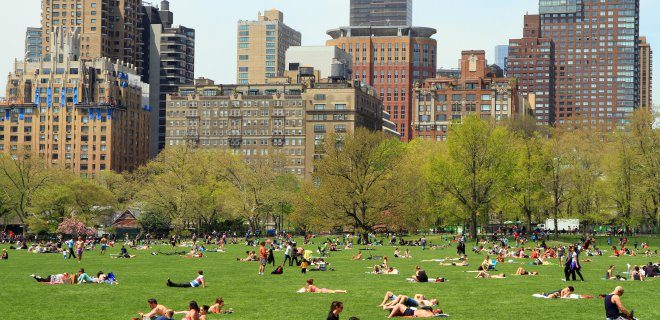
You need to understand scale here. Central Park isn’t just a green space. It is a massive, rectangular lung embedded in the heart of Manhattan. Opened in 1857, this 341-hectare (roughly 843 acres) expanse has become the most visited urban park in the United States. We are talking about 25 million visitors annually. That number is staggering. It attracts more tourists than any other public park in the world.
The park’s cultural footprint is massive. If you have watched TV or gone to the movies in the last two decades, you have seen it. It is the backdrop for countless films, TV shows, and advertisements. But looking past the screen, what is it actually like to walk through it?
Why Central Park Defines New York Travel
The geography is simple but effective. A giant rectangle of lush grass and trees sits in the middle of a concrete grid. For travelers planning a trip to New York, the logistics of getting there and moving through it matter. The park spans from 59th Street to 110th Street.
“The park serves as a vital escape from the urban density, offering yemyeşil (deep green) meadows and wooded areas.”
This contrast is the draw. You step off the busy sidewalks of Fifth Avenue or Central Park West, and the noise dampens. The air changes. It is designed that way. Frederick Law Olmsted and Calvert Vaux, the creators, intended it as a democratic space. A place for everyone.
How to Experience the Park Without Wasting Time
With 25 million people showing up every year, you can easily get lost in the crowds. You need a strategy. The park is not just one big lawn. It is a series of distinct environments.
- The Ramble: A wooded, winding area that feels like a separate world. Good for hiding.
- The Mall: A formal, straight path lined with American elms. Great for people-watching.
- Bethesda Terrace: The iconic spot with the angel statue. Expect selfie lines.
- The Zoo: Located at the northeastern corner. Worth a visit if you have kids or love animals.
Timing is everything. Go early. Sunrise to 8 AM offers peace. Go late at night for a different, slightly eerie vibe. Midday? You are fighting for space.
Where to Focus Your Itinerary
If you are only getting a few hours, don’t try to do it all. That is a mistake. Pick two points and walk between them. The distance between 59th and 110th streets is nearly two miles. Walking the entire length takes over an hour.
Consider the cost. Entry is free. But inside, food and drink prices reflect Manhattan rates. Bring water. Bring a snack. The concessions are convenient but expensive.
This park is more than a tourist trap. It is a masterpiece of landscape architecture. But it requires navigation. It requires patience. And it demands that you look up from your phone every once in a while. The views change depending on where you stand. The skyline frames it perfectly. The trees frame the people. It is a layered experience. You might leave feeling exhausted. Or you might leave feeling
The Empire State Building: Why It Still Reigns Supreme
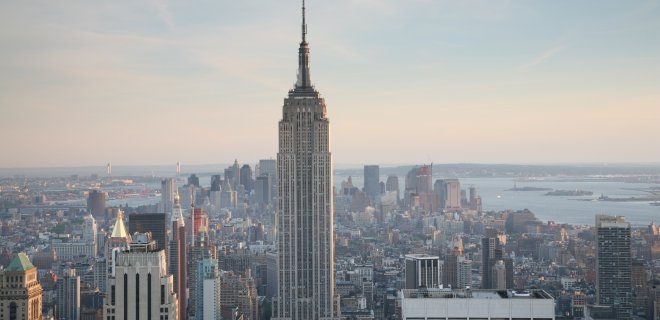
Built in a frantic, record-breaking 1930 timeline, the Empire State Building wasn’t just constructed; it was engineered with an urgency that feels almost mythical today. Construction started and wrapped in roughly a year. Most structures take longer to plan, let alone pour concrete. This one did both.
Standing at 381 meters tall with 102 floors, it dominated the skyline for decades. It remains one of the most recognizable silhouettes on the planet. For any traveler planning a trip to New York, skipping this landmark is almost a mistake. You see it from everywhere. From a taxi cab on Broadway. From a boat passing under the Brooklyn Bridge. It looms large.
But how do you experience it properly?
Empire State Building Tickets: Navigating the Queue
The appeal of the Empire State Building isn’t just its history. It’s the view. Mornings can be hazy. Evenings bring the glitter of the grid.
- Best Time to Visit: Sunset is the standard recommendation. You catch the daylight fading into the electric night. However, arrive at least 30 minutes before your slot. Lines are never short.
- Ticket Types: Standard tickets get you to the 86th-floor observatory. This is the open-air deck. It’s where the wind hits. You need weather permitting for the full experience.
- Cost: Prices fluctuate, but expect to pay a premium for this icon. It’s not cheap. It’s a tourist trap in the best possible sense. You are paying for the privilege of height.
The View: What You Actually See
Why go up? Because the perspective shifts.
From the 86th floor, New York stops being a map and becomes a living organism. You see the sprawl of Manhattan. The Hudson River cuts a dark blue line to the west. The East River reflects the sky. Skyscrapers cluster like teeth.
Many travelers ask which observation deck offers the best value. The Empire State Building competes with One World Trade Center and the Top of the Rock. Each has an angle. The Empire State is central. It’s the heart. You can see the Chrysler Building’s spire glinting nearby. You can see Central Park as a green rectangle.
The view is best on a clear day. Smog or rain can turn the horizon into a gray blur.
Logistics: Getting There and Getting Around
The building sits at 350 Fifth Avenue. It’s in Midtown. Getting there is straightforward if you know the grid.
- Subway: The simplest route. Take the B, D, F, M, N, Q, R, or W to 34th Street. Or the 1, 2, 3 to 34th Street–Penn Station. It’s a five-minute walk.
- Taxi/Rideshare: Traffic in Midtown is legendary. A taxi might take ten minutes. It might take an hour. The subway is faster.
- Walking: If you’re already in Midtown, walk. The city looks different at street level. You’ll pass the Flatiron Building. You’ll catch the energy of Fifth Avenue.
Is It Worth the Hype?
It’s a cliché for
The Geometry of Power and Holiday Cheer
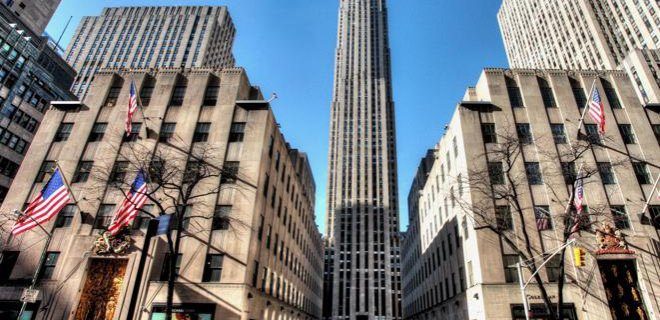
Built between 1930 and 1939, the complex isn’t just a building. It’s a fortress of commerce and culture. Raymond Hood designed it. He carved out 89,000 square meters of real estate in Midtown Manhattan. The footprint stretches from 48th to 51st Street. It holds 19 distinct structures.
The name comes from the Rockefeller family. They were the dynasty behind it. By 1987, the site earned its place in American history as a turning point. It is not just a tourist trap. It is the center of gravity for any trip to New York.
Where to Start
You enter near Fifth Avenue. The main hub is the Channel Gardens. This is where most people stop for the photo. But look closer. The complex is vast. You can get lost in the arcades.
The Ice Skating Rink
This is the iconic spot. The rink sits below the Prometheus statue. Go in late fall. The lighting hits differently then. It is colder, but the atmosphere is sharper. Tickets sell out. Book them weeks in advance.
The ice itself is maintained daily. It looks like a sheet of black glass under the lights. Skaters weave through. If you haven’t skated in years, rent a pair. It costs extra. But the momentum carries you forward.
The Top of the Rock
Forget the Empire State Building. Look across the street. Go up instead. The Rockefeller Center observation deck offers a better view. You see the Empire State Building directly in front of you. You see Central Park stretching out behind it. The perspective is unmatched.
Take the elevator to level 70. Then transfer to level 69. The outdoor terrace is open year-round. Dress warmly. The wind cuts through jackets. The city below looks like a circuit board. Cars are just colored dots.
- Best time to go: Sunset. The light turns gold. Then blue. Then black.
- Cost: Around $40 per person. Worth every penny for the angle.
- Logistics: Avoid weekends if you hate crowds. Tuesday mornings are quiet.
The Art Deco Details
Walk inside the main building. 30 Rockefeller Plaza. The lobby is huge. Look up. The ceiling features a mural of Prometheus. It is painted by Marc Chagall. No, not that Chagall. This one is different. The colors are muted. The figures are dramatic.
The architecture is strict. Vertical lines. Geometric patterns. It feels powerful. You are standing in a space designed to make you feel small. The elevators still have original brass doors. They open with a clunk.
Shopping and Dining
The underground concourse connects everything. It is a maze of shops. You can buy anything from high-end watches to cheap souvenirs. The food court is efficient. Grab a slice. Eat it while walking.
For dinner, there are options. Some are overpriced. Some are genuine gems. Look for places off the main drag. The main drag is always packed. Side streets have better vibes.
Why It Matters
This place survived the Depression. It survived wars. It survived changing trends. It remains relevant. It is not just a landmark. It
The Natural History Museum: A Vertical Universe in Manhattan
If you think you can breeze through the Natural History Museum in an hour, think again. You cannot. The sheer scale of this place is designed to overwhelm, and honestly, that is the point. Located on the Upper West Side, this institution has been anchoring the culture of New York since 1869. It is not just a museum. It is a repository of the planet’s memory.
The building itself is a feat of architectural ambition. You are walking through spaces designed by Jacob Wrey Mould, Calvert Vaux, J. Cleaveland Cady, and later, Kevin Roche. The structure rises five stories high, but the true depth is horizontal. The halls stretch endlessly, filled with the weight of history.
Why the Natural History Museum Matters for Travelers
You are not just visiting a museum. You are interacting with one of the world’s largest collections of natural history. The inventory? Approximately 32 million objects. That number is so large it ceases to be meaningful. It is a staggering statistic that highlights why you need to plan your visit with precision.
This is not a place for passive observation. It is a place for immersion. The dinosaurs are not just bones; they are presences. The human cultures displayed are not artifacts; they are voices. If you are traveling with a sense of curiosity, this is where you spend your time.
How to Navigate the 32 Million Objects
Most visitors get lost. They wander from the dinosaur hall to the butterfly conservatory without a strategy. To see what is genuinely worth seeing, you need a plan. The museum is vast. The crowds are thick. Without a guide or a clear route, you will end up exhausted and having seen nothing of significance.
Focus on the highlights. The blue whale, Amelia, hanging from the ceiling in the Rose Hall of Ocean Life is a must-see. It is a humbling experience. The Hall of Saurischian Dinosaurs, with its T. rex, is iconic for a reason. But do not stop there. Look at the gemstones. The Hope Diamond is there, guarded and gleaming. The Hall of African Mammals offers a perspective on biodiversity that is hard to find elsewhere.
Which Sections Are Worth Your Time?
Not every hall deserves equal attention. Prioritize based on your interests.
- Paleontology : The dinosaur skeletons are the main draw. They are massive, meticulously reconstructed, and impossible to ignore.
- Anthropology : The Hall of Human Origins provides context for our place in the natural world. It is thought-provoking.
- Mineralogy : The gem hall is small but dense with wonder. The Hope Diamond is the centerpiece.
- Ocean Life : The whale model is breathtaking. The underwater exhibits are immersive.
Practical Logistics for Your Visit
Timing is everything. Go early. The doors open at 10 am, but the lines can start forming before that. Weekdays are quieter than weekends. If you can visit on a Tuesday morning, you will have more space to breathe. Tickets are not cheap. Expect to pay around $29 for adults, though the museum operates on a “suggested donation” basis for New York State residents. For non-residents, the price is fixed.
Dress for the

Why Times Square Is Still NYC’s Most Electric Stop
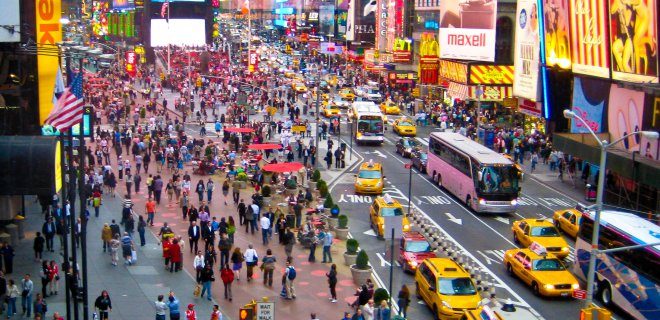
You only need to look up once to understand the noise. Times Square isn’t just a landmark; it’s the pulsing heart of New York and, arguably, the entire United States. Millions of people flood this intersection daily. They come for the spectacle. They stay because the energy is addictive.
The square sits exactly where Broadway meets 42nd Street. It is a chaotic, beautiful collision of commerce and culture. During the day, the sheer scale of the digital billboards can be overwhelming. At night, it transforms. The lights don’t just turn on; they explode. It is the undisputed capital of New Year’s Eve celebrations. When the ball drops, fireworks shatter the skyline. The square remains lit and lively twenty-four hours a day.
Where to Eat and Drink Amidst the Chaos
You are surrounded by options. The area is dense with famous restaurants, hotels, cafes, and nightclubs. Picking where to spend your money here is a trap for the unprepared. Some spots are tourist traps. Others are worth the premium.
To truly experience the vibe, you have to stop walking for a minute. Find a seat. Order a coffee or a slice. Watch the crowds. The atmosphere here is unique—you can’t fake it. You have to be there.
“Visiting New York without experiencing the atmosphere of Times Square feels like visiting the ocean and never touching the water.”
Logistics for travelers:
– Cost: Coffee runs $5-$8. A sit-down meal starts around $25-$40 per person.
– Best Time to Visit: Late afternoon helps you see the transition from day to neon night.
– Logistics: Take the subway to 42nd Street. Multiple lines stop here (N, Q, R, W, S, 1, 2, 3, 7).
– What’s Worth Seeing: The TKTS booth for discounted Broadway tickets is located right in the red stairs. It’s a historic fixture. The Museum of Illusions nearby offers a quick break from the visual noise.
The crowds never thin out. Not really. But if you look past the screens, you see the city working. It’s exhausting. It’s exhilarating. You leave feeling awake, even if you’re tired. The light stays on. The city doesn’t sleep. Neither do you, not really, once you’ve been inside the glow.
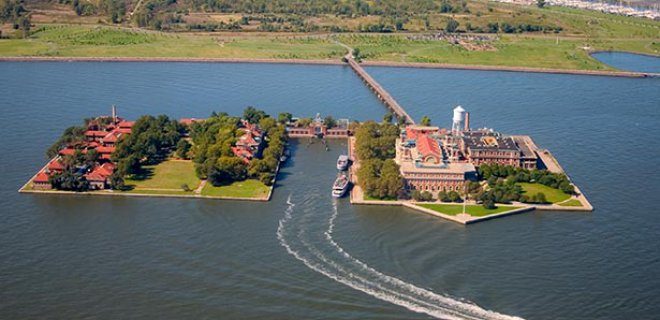
7. Ellis Adası
Hudson Nehri’nin ortasında, iki ada parçasından oluşan Ellis Adası sadece bir rota değil, bir durak. New York’a gelen herkesin önceliklistelerinde yer alıyor. Milyonlarca insan her yıl buraya akın ediyor. Devlet işletimi olduğu için bileşenleri titizlikle korunuyor. 19. yüzyılın sonlarında burası yeni gelen göçmenlerin ilk durağıydı. Yemyeşil bir görüntüyle dikkat çekiyor. Büyük nehrin ortasında bu adayı görmelisiniz.
Göçmenlerin Geçiş Noktası Olarak Tarih
Bu ada, 1892 ile 1954 yılları arasında aktif olan göçmen alım merkezi olarak tarihe geçti. İnsanların ilk duraklarından biri olmuş. Bugün burası tamamen bir müze ve anıt olarak hizmet veriyor. New York’a gelen turistler için vazgeçilmez bir durak. Her yıl milyonlarca kişi tarihi mekânı ziyaret ediyor. Adanın yeşil alanları ve suyla iç içe yapısı dikkat çekici.
Nasıl Ulaşılır ve Ziyaret Stratejisi
Adaya feribotla ulaşmak gerekir. Bu feribotlar Battery Park’tan kalkar. Ellis Adası’na girmek için ana giriş noktası burası. Ellis Adası ziyaretinizde öncelikle Göçmenlik Müzesi’ni görmeniz şart. Burada ailelerin hikayelerini bulabilirsiniz. Yüzyıllar önce gelen insanların kayıtları hala mevcut. Nereden geldiklerini anlamak mümkün. Adanın iki parçadan oluşması logistik açısından farklı bir deneyim sunuyor.
Ziyaret İçin Pratik Bilgiler
Adada zaman geçirmek için yarım gün ayırmanız yeterli. Ama detaylı bir inceleme yapmak isterseniz tam bir gün bile yetmeyebilir. Feribot bileti almak için bilet gişelerine erken saatlerde gitmek akıllıca. Yaz aylarında kalabalık çok fazla. Sabah erken saatlerde varmak en iyi strateji. Adanın yeşil alanlarında nefes almak isterseniz bu strateji işe yarar. Hudson Nehri’nin ortasında bu adayı görmelisiniz. Göçmenlerin ilk duraklarından biri olan yer, bugün size hikâyesini anlatıyor.
The High Line: Vertical Urban Escape
Forget the crowded squares. The High Line is a different beast entirely. It’s an elevated park built on a disused freight rail line on Manhattan’s West Side. You walk above the city. Below you, traffic hums. Above you, the sky is open.
The project started with the High Line Society in 1999. They saved it from demolition. Now it is a global model for adaptive reuse. The design blends wild planting with strict geometry. Dutch landscape architects Piet Oudolf and James Corner Field Operations led the charge. Their work makes nature look intentional but untamed.
Why the High Line Dominates NYC Sightseeing
Most tourists stick to the subway. The savvy traveler walks above the street level. The High Line draws millions for a reason. It offers curated views of the Hudson River. It frames iconic buildings like the Meatpacking District’s warehouses. You get art installations every season. Contemporary sculptures sit among perennials. The contrast is sharp. Concrete meets chlorophyll.
Logistics: How to Visit Without the Crush
The park runs from Gansevoort Street in the West Village to 34th Street near the Meatpacking District. That is roughly 1.45 miles. Walking it takes about forty minutes at a leisurely pace.
Timing matters. Go early. The first hour after opening is quiet. The light is soft. Photographers love the golden hour near the southern end. By mid-day, the path narrows. Crowds bottleneck at the main entrances.
Entrances and Access
– Southern Terminus (Gansevoort St): Best for sunset views. Accessible via the A/C/E trains.
– Mid-Section (14th-22nd Sts): Easiest access. Near Chelsea Market. Use the B/D/F/M to 14th St.
– Northern End (34th St): Quieter. Closer to the Javits Center. Access via the 1/2/3 to 34th St.
The park is free. You do not need tickets. You do not need reservations for general entry. Some specific shows might require booking. But the walk itself? Free.
What Makes It Unique?
The landscaping changes by season. In spring, wild garlic and thyme emerge. Summer brings lavender and sedum. Autumn turns the palette to rust and gold. Winter strips it down to structure. The steel beams show. The city feels closer.
Benches are placed strategically. They force you to pause. You sit. You watch people. You watch the river. You watch the trains rattle in the distance. The design encourages lingering. It is not just a path. It is a series of rooms.
Nearby Stops Worth the Detour
You will exit into neighborhoods. Lean into them.
– Chelsea Market: Just off the 14th St entry. Grab a bite. It is touristy but essential for food variety.
– The Meatpacking District: Upscale boutiques. Nightlife. The energy shifts from industrial chic to glossy commercial.
– Whitney Museum of American Art: A short walk south. The building itself is a brutalist landmark. The collection is strong.
Costs add up quickly if you eat here. Lunch at the park’s cafes runs

The Brooklyn Bridge
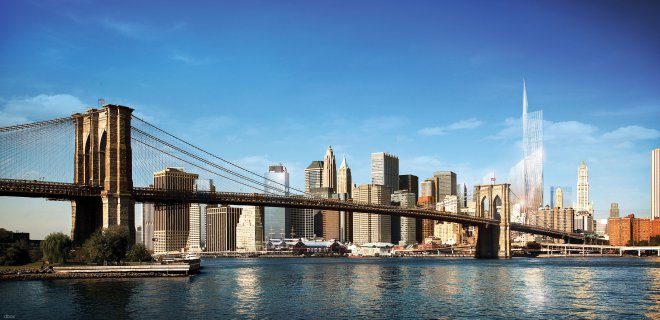
Crossing the East River isn’t just a commute. It’s a pilgrimage for anyone who’s ever seen the skyline from a postcard. The Brooklyn Bridge isn’t just another span of steel and stone. It’s a monument. Built between 1870 and 1883, it took over a decade of grit to finish. When it opened, it was the longest suspension bridge in the world. You can still feel that history under your feet.
Walking the Wooden Planks
The walkway is wide enough for pedestrians and cyclists, but don’t let the crowds fool you. The structure is massive. Spanning 1,825 meters (about 1.1 miles) across the water. Towering 84 meters above the river. The Gothic Revival architecture is unmistakable. Those stone towers look like medieval castles dropped into Manhattan.
“It is not just a bridge; it is a piece of New York’s soul.”
You want the best experience? Go at sunrise. Or sunset. The light hitting those limestone towers is worth the early alarm.
Logistics and Timing
Start from the Brooklyn side. The pedestrian entrance is at Cadman Plaza. It’s easier to get there via subway (A/C lines to Brooklyn Bridge City Hall, though the exit is a bit of a walk, or 2/3 to High Street).
- Cost: Free. Always has been.
- Time: Allow 45 minutes to an hour for the crossing.
- Best View: Look up at the cables. They create a web of steel against the sky.
The Brooklyn Bridge is one of New York’s symbols. For a reason. It’s not just pretty. It’s engineering. It’s romance. It’s the city’s oldest standing bridge.
Which way should you go? Manhattan to Brooklyn feels like arriving home. Brooklyn to Manhattan feels like stepping into the future. Pick a direction. Walk the wooden planks. The wind will hit your face. The city will hum below you.
Don’t rush. The bridge doesn’t care about your schedule. It’s been here for 140 years. It’ll be here tomorrow.
Why St. Patrick’s Cathedral Is Non-Negotiable for Your NYC Itinerary
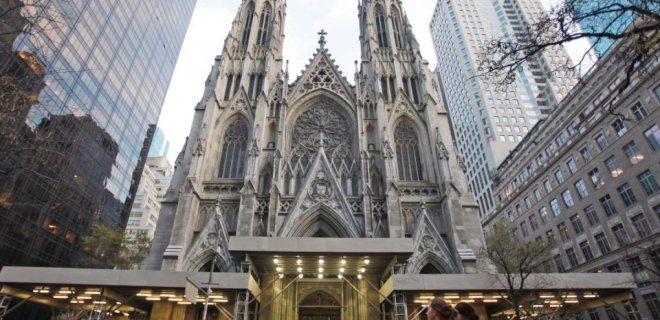
You can’t walk through Midtown Manhattan without hitting it. The sheer scale of St. Patrick’s Cathedral forces you to look up. It’s not just a building. It’s a landmark carved from limestone and ambition.
Designed by James Renwick Jr., the construction saga started in 1858 and didn’t wrap up until 1878. Two decades of bricklaying and prayer. The result is a Neo-Gothic masterpiece that dominates Fifth Avenue.
Here is what you actually need to know before you visit.
The Specs That Make It Daunting
This isn’t a cozy neighborhood chapel. The footprint covers 8,094 square meters of floor space. The air inside feels different. Cooler. Heavier.
The structure boasts two towering spires. The highest point reaches 103 meters into the sky. That is 338 feet of vertical ambition. For context, that is taller than a ten-story building. Yet, it stands in the middle of some of the densest real estate on Earth.
It is one of the most significant spiritual sites in the United States. And one of the few Catholic cathedrals in New York open to the general public for quiet reflection.
What to See Inside
The New York travel guides always list it. But reading about it is different from standing under that vaulted ceiling.
- The High Altar : The marble work is intricate. Look for the details.
- The Bell Towers : They house the bells that mark the hours. You won’t hear them from inside, but you can imagine the weight.
- The Crypts : Some notable figures are buried here. The architecture here feels more somber.
Logistics and Timing
Getting there is easy. It’s right on Fifth Avenue. Between 50th and 51st Streets.
How to visit:
Entry is free. This is important. Many major churches charge. This one does not.
When to go:
Avoid the midday crush if you can. Early morning or late afternoon light hits the stained glass differently. The shadows stretch. The noise of the city fades into a hum.
Dress code:
It is a place of worship. Shoulders and knees should be covered. Not a suggestion. A rule.
The Vibe Check
It is overwhelming. The light filtering through the stained glass creates a specific kind of silence. It cuts through the New York noise.
Why do people go? For history. For architecture. Or just to escape the grid for ten minutes.
Whatever the reason, it anchors the city. You leave feeling slightly smaller. Which is probably the point.
The tour continues. The next stop is just a few blocks west. But you need a moment to process the scale of what you just saw.
The Crown of Art Deco
Built between 1928 and 1930, the Chrysler Building isn’t just another Manhattan skyline filler. It was the answer to the race for the world’s tallest building—a race it technically won, briefly, before the Empire State stole the crown. The structure rises 77 stories and stands about 320 meters high. William Van Alen, the New York architect behind it, didn’t just stack concrete. He designed a cathedral of steel and glass.
The footprint covers 111,000 square meters of space. It is an imposing presence. If you are planning a New York trip, you cannot skip this landmark. It defines the city’s character in a way that modern glass towers simply do not.
Why It Matters for Your Itinerary
When you walk past it on Lexington Avenue or Third Avenue, you need to look up. Really up. The crown is the star. Those triangular windows radiate outward like a sunburst. They are clad in stainless steel. The detailing is pure Art Deco. It is sharp. It is aggressive. It is beautiful.
Most tourists stop at the Empire State. They miss the nuance of the Chrysler. The lobby is worth the detour too. There are mosaics there that depict automotive themes. Van Alen was obsessed with cars. The building reflects that obsession in its very bones.
Logistics and Viewing Tips
You don’t need a ticket to see the exterior. That part is free. Walk around the block. The perspective changes depending on where you stand. Corner of 42nd and Lexington gives you the best angle of the crown. The lighting matters. Sunset hits those metal rays just right.
Inside, the lobby is open to the public during business hours. Check the schedule. It’s not always accessible late at night. But the moment you step under that vaulted ceiling, you get it. This wasn’t just an office. It was a statement.
Is It Worth the Detour?
Yes. Absolutely. You can stare at it from afar. Or you can stand in its shadow and feel the history of the Roaring Twenties. The Chrysler Building remains one of the most photographed structures in the world. Not because it’s the tallest anymore. But because it’s the most elegant.
Think about the timing. Go early morning to avoid the crowds. Or wait for dusk. The lights coming on inside the crown are subtle. They glow from within. It’s a quiet power move by a building that once screamed for attention.
Your New York itinerary feels empty without it. It anchors the Midtown skyline. It gives the city a voice. Don’t just walk past. Stop. Look. Take the photo. Then keep moving. The city doesn’t wait.

The final leg: logistics and lingering
The plane lands. The dust settles. You’re officially in the destination, but the work isn’t done yet. This is where most guides cut off, leaving you to figure out the gritty details alone. We’re not doing that. You need to know how to navigate the arrival chaos, where to sleep without bleeding cash, and which experiences actually justify the hype before you pack up and head home.
Getting off the plane without losing your mind
Arrival is a sensory assault. Heat hits you first. Then noise. Then the smell of exhaust and cheap perfume. Breathe.
Don’t rush to the first taxi driver who offers a rate. They will lie. They will say your hotel is “closed for renovation” or “too far” to push you to a commission-based shop. Ignore them. Walk to the official taxi stand or use an app. If you’re in a place like Bali or Thailand, Grab or Gojek are your friends. In Europe? Uber or local equivalents. Check the price before you get in.
“The first transaction you make sets the tone for the whole trip. Don’t let it be overpriced.”
Currency exchange? Skip the airport kiosk. The rates are predatory. Wait until you hit the city center. Or use an ATM linked to a major bank. Avoid “Dynamic Currency Conversion” — the option to pay in your home currency. It’s a scam that adds hidden fees. Pay in local money. Always.
Accommodation: beyond the hotel chain
You don’t need a five-star lobby to feel safe. In fact, you rarely need it.
Hostels have evolved. They’re not just for broke backpackers with dirty socks. Many now offer private rooms with en-suite bathrooms. Look for properties with high ratings on cleanliness and security lockers. Places like Wombats in major European cities or Waka Waka in Southeast Asia offer a social vibe without the grime.
Guesthouses are the sweet spot for budget travelers. You get a local touch, often with breakfast included. It’s cheaper than a hotel and more personal than a hostel. Search for “family-run” or “locally owned” in your booking engine. These places often have the best food recommendations because the owners actually live there.
Airbnbs? Be careful. Cities like Barcelona and Amsterdam have cracked down on short-term rentals. Ensure the listing is legal. Look for superhosts with at least 50 reviews. Avoid places with vague photos or no address until booking. You’re paying for convenience, not necessarily value.
Food: eating well on a shoestring
Tourist traps charge three times the price for half the quality. Avoid restaurants with menus in five languages and photos of the food. That’s a red flag.
Look for places with no English menu. Or a chalkboard. Or lines of locals. If you see a grandmother eating there, you’re in the right spot.
Street food is your best friend. In Mexico, grab tacos al pastor from a cart. In Vietnam, bite into a banh mi from a plastic stool. In Italy, walk three blocks away from the main square for a pizza slice. It’s cheaper, faster, and often tastier.
Budget roughly $10-$15 per day for food if you’re smart. Breakfast from a bakery ($