Afyonkarahisar sits right in that awkward, beautiful space between the Aegean and Central Anatolia. It’s not the first name that pops up when you think of Turkey tourism, which is exactly why you need to go. Most people fly past it on their way to Cappadocia or the coast. They miss out on a city where history feels less like a museum exhibit and more like it’s still breathing.
This isn’t just about old stones. It’s about a landscape that has hosted Frigians, Romans, Byzantines, and Ottomans. The density of historical sites is staggering. But it’s also a gateway to some serious natural beauty. If you are planning a trip here, you need to know where the real value is. Most guidebooks will send you to the castle. That’s fine. But the real depth? That’s in the outskirts.
Exploring the Hidden Ruins of İhsaniye Döğer
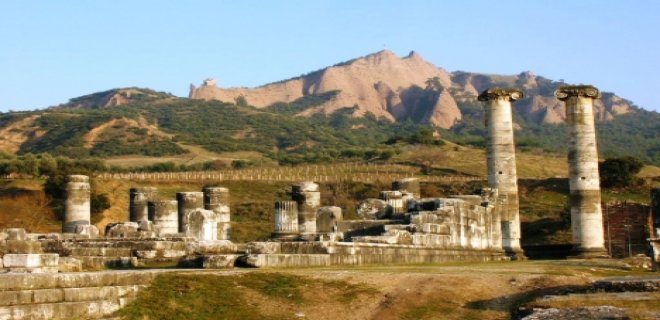
You might not know this place by name, but it’s one of the most significant archaeological zones in the region. Located in the İhsaniye district, the Döğer Ancient City isn’t just a random pile of rocks. It’s a multi-layered historical site that has been sitting there for millennia.
The timeline here is dense. You’re looking at settlements dating back to the first millennium BCE. The Frigians were here early. Later, Romans and Byzantines built their own structures on top of or near the existing ones. It’s a physical record of power shifts.
What makes it worth the drive from Afyon center? The specific structures. You’ll find the ruins of temples and monuments from the Roman and Byzantine eras. But the older stuff? That’s the Kapıyaka 1-2 and Aslankaya sites. These date back to the 6th and 7th centuries BCE. That’s older than many European capitals. You are walking on ground that saw the rise and fall of civilizations before Christ.
Practical Logistics for Your Visit
Getting here is straightforward, but you have to plan for it. This isn’t a site you can pop into on a whim if you’re staying in central Afyon.
Address: Döğer Kasabası, İhsaniye/Afyonkarahisar
The drive takes time. The roads are decent, but they’re not highways. Factor in at least an hour or two depending on your starting point. Don’t rush it. The isolation of the site means there aren’t many cafes nearby. Bring water. Bring sun protection.
Why This Matters for Your Itinerary
When you’re planning a trip to Turkey, everyone suggests the usual suspects. Ephesus. Pamukkale. Istanbul. Afyonkarahisar offers a different kind of experience. It’s quieter. It’s heavier with history. The Döğer Ancient City site gives you a tangible connection to the Anatolian interior that the coastal resorts just can’t provide.
If you’re looking for things to see in Afyonkarahisar, this is a top-tier answer. It’s not just “see the castle.” It’s about understanding the layers of civilization that built this region. The Kapıyaka ruins, in particular, offer a glimpse into pre-Roman Anatolia that
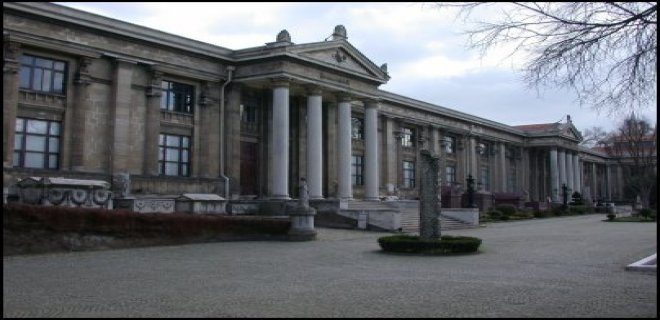
Why the Afyonkarahisar Archaeological Museum Deserves Your Stop
The Afyonkarahisar Archaeological Museum holds nearly 45,000 historical artifacts. That is a massive collection. It sits at the intersection of early civilizations, Rome, and the Byzantine era. If you are tracing the lines of ancient history in this region, skipping this museum is a mistake. The artifacts here are not just relics. They are evidence of life, war, and daily routines from millennia ago.
Where to Find the Evidence
Finding the museum is straightforward. It is located in the Zafer district of central Afyonkarahisar. The postal code is 03040. If you get lost, the phone number is (0272) 215 11 91.
“Visiting this museum is a good idea for seeing the traces of the city’s history.”
What You Will Actually See
You are not just looking at pottery shards. You are walking through layers of time. The collection covers the First Age civilizations. These are some of the oldest known cultures in the area. Then there is the Roman period. You will see the heavy, stoic influence of the empire. Finally, the Byzantine era adds a layer of religious and artistic complexity.
The sheer volume of 45,000 items means you could spend days here. You won’t. But you will see enough to understand why Afyonkarahisar was a crossroads. It was never just a small town. It was a hub. The artifacts prove it.
Logistics for Your Visit
Bring comfortable shoes. The floor space is large. The lighting is designed for preservation, not for photography, so your flash will likely be useless. Focus on the details. The stone carvings from the Roman period have a specific texture. The Byzantine pieces often have intricate patterns that are hard to capture in a photo but are stunning in person.
Don’t rush. The museum is a key stop for anyone planning a trip through western Anatolia. It provides context for the ruins you will see later. Without it, those ruins are just broken stones. With it, they are part of a story.
Call ahead if you have specific questions about access or current exhibitions. The staff are accustomed to travelers. They can guide you to the highlights. This is not a place to wander in blindly and expect everything to be explained. You need to engage with the displays.
The address is Zafer, 03040 Afyon Merkez. The number is (0272) 215 11 91. Write it down. Put it in your notes app. This museum is a anchor point for your itinerary. It grounds the abstract concept of “ancient history” into tangible objects. You can touch the past here, metaphorically at least. That feeling is worth the detour.
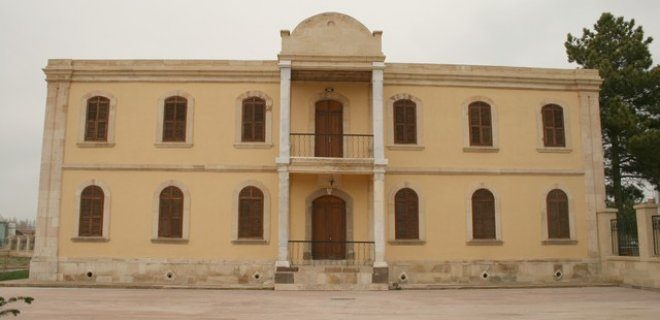
The HQ Where the War Was Won
You aren’t just looking at a building here. You’re standing in the exact rooms where the fate of modern Turkey was decided on paper.
The Afyon Zafer Museum has been open since 1985, but its significance goes back decades earlier. This was the headquarters for Mustafa Kemal Atatürk, İsmet İnönü, and Fevzi Çakmak before the Battle of Dumlupınar. If you care about how the Turkish War of Independence unfolded, this place is non-negotiable.
The strategic planning that happened in these rooms directly led to the victory at the Battle of Dumlupınar.
The building itself is simple. The rooms are modest. But the weight of history is heavy. You can walk through the bedrooms where the commanders slept. You can see the maps. You can feel the tension of the moments before the final push.
Address: Karaman, 03200 Afyon Merkez
Phone: (0272) 214 74 42
Call ahead if you’re unsure about hours. Small museums sometimes have quirky schedules. But don’t skip it. It’s not a tourist trap. It’s a pivotal moment in history, preserved.
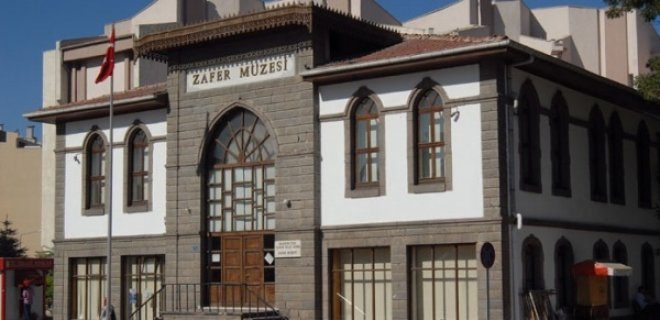
Bolvadin Museum: A Quiet Stop for History Lovers
Most travelers drive straight through Bolvadin on their way to the springs or the mountains. They miss the Bolvadin Museum. It sits in the Yakup Şevki Paşa neighborhood and doesn’t scream for attention. That is its advantage.
The museum holds a mix of archaeological finds and ethnographic items. You see artifacts from the region’s deep past alongside everyday objects from more recent local history. It is not a massive institution. It is a focused look at what makes this part of Afyon unique.
Why visit?
If you are in Bolvadin, taking two hours here is worth it. The exhibits give you context for the landscape you are walking through. Stone tools. Pottery shards. Traditional clothing. Items that show how people lived when the area was a crossroads of civilizations.
Practical Details
- Location: Yakup Şevki Paşa Mah., Bolvadin/Afyon
- Contact: (0272) 612 75 99
Call ahead if you plan to go on a weekday afternoon. Small municipal museums sometimes have irregular hours or staffing gaps. A quick phone call saves you a wasted trip.
The entry fee is modest. Expect to pay a few hundred Turkish Lira. It is a small price to pay for a deeper understanding of the region’s cultural layers.
Most visitors spend about an hour inside. The layout is simple. You move through the rooms at your own pace. There is no rush. No loud guides. Just quiet observation.
Afterward, walk around the square. The town has a slow rhythm. It feels different from the busy centers of Denizli or Konya. Bolvadin is grounded. The museum reflects that tone.
You won’t find world-changing artifacts here. But you will find a snapshot of local life that feels honest. It is the kind of stop that sticks with you. Not because it is flashy. But because it is real.
Some might skip it. They will see the same temples and ruins as everyone else. They will miss the human side of the history. The museum fills in the gaps between the famous sites. It answers the question of who actually lived in these valleys for thousands of years.
It is a small thing. But it matters.
Why Eber Gölü Is Afyon’s Best Kept Secret
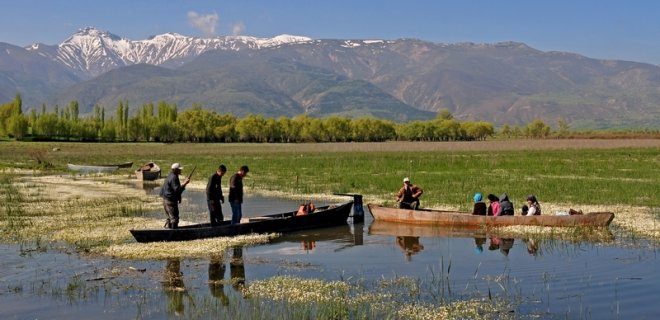
Bolvadin and Çay aren’t exactly neighboring towns. They’re separated by enough terrain that forgetting the lake is an easy mistake. But if you skip Eber Gölü, you’re missing the largest natural lake in western Turkey. The drive between the two districts offers a landscape that shifts from dusty plains to sudden, stunning blue expanses.
This isn’t a resort destination. There are no luxury cabanas lining the shores. It’s raw. Wild. The water shifts color depending on the light, turning from deep indigo to pale turquoise as the sun moves. For birdwatchers, it’s a pilgrimage site. Hundreds of species stop here during migration. You might spot flamingos, herons, or the occasional pelican gliding low over the surface. If you’re patient, you’ll see them.
Fishing is active here, but not for the tourist. Locals cast nets and lines with practiced ease. The fish are fresh, the air is clean, and the silence is heavy. You come for the peace. You stay because the view sticks with you.
Where to park and what to bring
The lake is accessible from multiple points along the Bolvadin-Çay road. Look for pull-offs where cars have gathered. Parking is free. Dirt roads lead down to the water’s edge, so a sturdy pair of shoes is better than sandals. The terrain is uneven. Rocks are sharp.
When to go
Spring and autumn are peak times for bird activity. Summer brings heat and fewer birds. Winter turns the lake icy and stark. There’s a beauty in the bareness of the cold months that few tourists seek out. But if you want photographs, early morning is the only time the light works. The mist rises off the water. The colors are muted, then suddenly vivid.
What’s nearby
Once you’re done staring at the water, Bolvadin has a few Ottoman-era structures worth a quick look. Çay has its own agricultural charm, but the lake is the anchor. You don’t need a guide. You don’t need a plan. Just show up. Watch the water. Leave.
The lake doesn’t demand much. It just is. And in a world that constantly asks for your attention, that might be exactly what you need.
Why the Afyon Grand Mosque Still Matters Today
If you are wandering through Afyon, the 13th-century Ulu Camii is not just a stop on a checklist. It is the city’s spiritual and architectural heavyweight. Built in 1272, the project took five full years to complete. That is a long time for any medieval construction project. The scale alone demands respect. It stands as the largest place of worship in Afyon today.
The atmosphere inside is heavy. Not just with history, but with a specific kind of stillness. Visitors often report feeling an almost mystical weight in the air. The architecture does not shout. It imposes itself through sheer presence. And despite its age, it is not a museum piece behind glass. It remains an active mosque. Prayer times dictate the flow of people. You move around the worshippers. You keep your voice low.
The location drops you right in the old quarter. The address is Camikebir, 03100 Afyon Merkez. Finding it is easy. The signposts are clear. But finding a moment of quiet is harder. The city bustles right outside the doors. Inside, the stone walls seem to absorb the noise. You walk under massive columns. The light filters in through high windows. It hits the dust motes. Time slows down here.
Why does this specific building survive so well? The five-year construction window suggests a deliberate, careful process. Not rushed. Not slapped together. The architects of the Anatolian Seljuk period knew what they were doing. They prioritized durability. They prioritized light. The result is a space that feels grounded. It feels eternal.
If you visit, go during the late afternoon. The harsh midday sun is gone. The shadows stretch across the floor. The temperature drops slightly. The calls to prayer echo off the surrounding buildings. It creates a layer of sound that wraps around you. Do not just take a photo and leave. Sit. Breathe. Listen. The stone remembers things we have forgotten. You will too, if you pay attention.
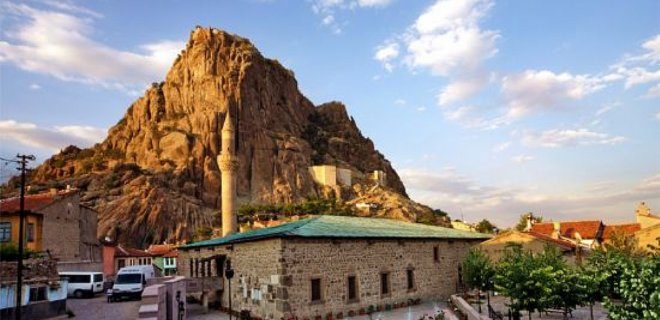
The Ottoman Tilework of Mısri Camii
Afyon’s religious architecture is often overshadowed by its thermal springs, but skipping Mısri Camii means missing a genuine masterpiece. Built in 1593, this mosque doesn’t just sit there; it speaks through its walls. The real draw? The mihrab. It’s wrapped in mosaic tiles that have survived centuries with their colors startlingly intact. You’ll find yourself leaning in, trying to trace the patterns, wondering who painted them and how they stayed so vivid.
It’s not just a pitstop. It’s a priority for anyone actually interested in the visual history of the region. Most tourists rush to the Roman baths or the citadel, but the interior of this mosque feels intimate. Personal. The tiles aren’t background decoration; they are the main event.
Where to find it:
Head to Hacı Eyüp neighborhood in Afyon Merkez. The postal code is 03200, which helps if you’re navigating without a local guide. It’s central enough to catch between other sights, but quiet enough that you can actually hear yourself think.
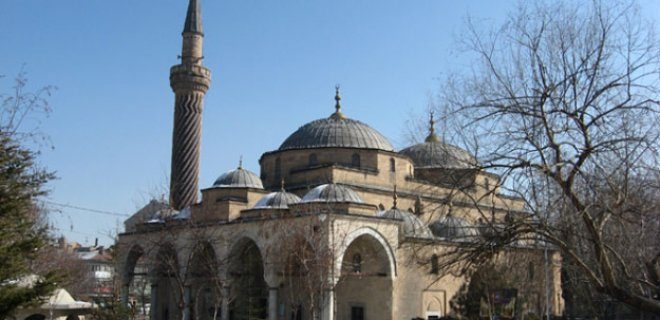
Why Avdalas Kalesi is the Hidden Gem of Afyon’s History
Most travelers head straight for Pamukkale or the major museums in Ankara, missing the quiet weight of history that settles over Afyon’s countryside. But if you are willing to drive off the beaten path, Avdalas Kalesi rewards you with something far more tangible than a postcard view. It is a fortress that doesn’t just sit there; it remembers.
Built during the Eastern Roman (Byzantine) period, this site isn’t just another ruin. It served as a residential hub, meaning people actually lived, worked, and survived here centuries ago. The architecture stands apart from the typical fortresses you might find in Istanbul or Cappadocia, offering a raw, unfiltered glimpse into provincial Byzantine life.
Finding the Fortress in İhsaniye
Getting there is part of the adventure. The location is remote, tucked away in Ayazini Köyü within the İhsaniye district of Afyon. This isn’t a place you stumble upon by accident. You need to navigate the rural roads leading out of the main towns, following the signs toward İhsaniye and then into the village. The isolation adds to the atmosphere, stripping away the noise of modern tourism.
“Avdalas Kalesi stands out due to its unique structure, illuminating Afyon’s history.”
What Makes It Worth the Detour?
Why should you add this to your itinerary when there are hundreds of other sites to choose from?
- Architectural Uniqueness: The fortress’s layout and construction style differ significantly from other regional structures. It offers a distinct visual and historical texture.
- Residential Evidence: Unlike purely military forts, traces of domestic life suggest a community existed here, adding a human layer to the stone and mortar.
- Quiet Exploration: You can walk the grounds without crowds, letting the scale of the ruins sink in.
For the traveler seeking depth over checklist tourism, Avdalas Kalesi provides a concrete connection to Afyon’s past. It is not just a spot on a map; it is a testament to the endurance of Byzantine-era settlements in Anatolia. If you are planning a trip to Afyon, skipping this site means missing a key piece of the puzzle. The road to Ayazini Köyü is long, but the silence at the top is worth every kilometer.
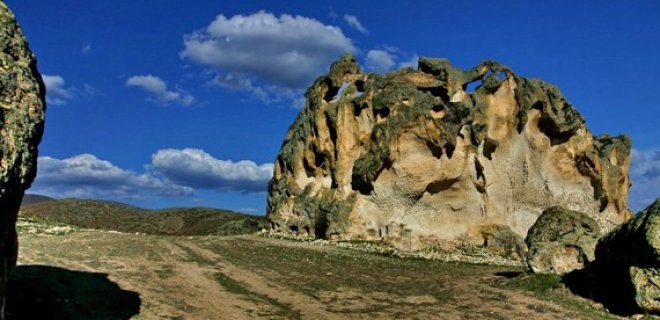
Why Apameia in Dinar, Afyon Still Matters
You’ve likely heard of Ephesus or Pergamon. You haven’t. That is the problem with Apameia. It sits in Dinar, Afyonkarahisar, buried under layers of history and literal dirt. For travelers tired of paying entry fees to watch hundreds of other tourists squeeze through a single column, this is the antidote. It is quiet. It is overgrown. It is real.
The site was founded by Seleucus I Nicator, one of Alexander the Great’s generals, around 300 BCE. He named it after his wife, Apama. The city grew into one of the most significant urban centers in Asia Minor. At its peak, it housed over 500,000 people. That number sounds like a myth. The ruins suggest otherwise.
What You Will Actually See
The scale here is intimidating. The colonnade stretches for over 1.5 kilometers. Most are still standing. They are not pretty, polished marble spires. They are massive, rough-hewn stone pillars. Some are over 11 meters tall. Walking down this avenue feels like walking through a canyon of stone. The noise of the modern world just stops.
“It is not the grandeur of the finished product, but the weight of what remains.”
The agora is massive. You can walk it in twenty minutes without rushing. Look for the traces of the shops. The shops are empty now. They were once filled with goods from across the Roman Empire. Silk. Spices. Glass.
The stadium is another standout. It is well-preserved. You can stand in the seating area and imagine the roar of a crowd. It held 30,000 spectators. The acoustics are still sharp. If you clap your hands, you will hear it echo. Do it. It feels like a secret you are sharing with the ghosts.
The Basilica and the Bathhouse
The large basilica is on the western side of the agora. It served as the administrative center. The floor mosaics are mostly gone. They were stripped by locals over the centuries. But the walls remain. They rise up, defiant. The architectural style is late Roman. It is heavy. It is solid.
Next to it lies the bathhouse. The hypocaust system is visible. You can see the pillars that held the hot air. The heating system was sophisticated. It kept the water warm in winter. It was a place for socializing. For business. For leisure. Today, it is just warm stone under your feet.
How to Get There and When to Go
Dinar is 85 kilometers from Afyonkarahisar city center. Take the bus from the Afyon bus station. The ride takes about two hours. The roads are winding. The views are flat. Olive trees line the outskirts. Arrive early. The sun hits the stone hard by noon. It becomes difficult to look up. Morning light is soft. It highlights the texture of the rock.
The site is open year-round. But spring and autumn are better. Summer temperatures in Dinar can exceed 40°C. There is little shade. The stone radiates heat. You will sweat through your shirt in an hour. Bring water. Bring a hat. Bring patience.
The Hidden Details
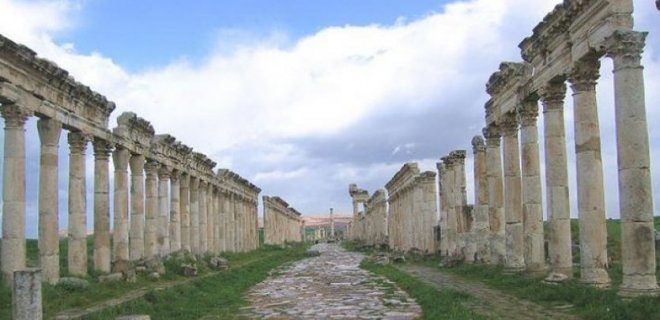
Why Buzluk Mağarası Is Not Your Average Cave
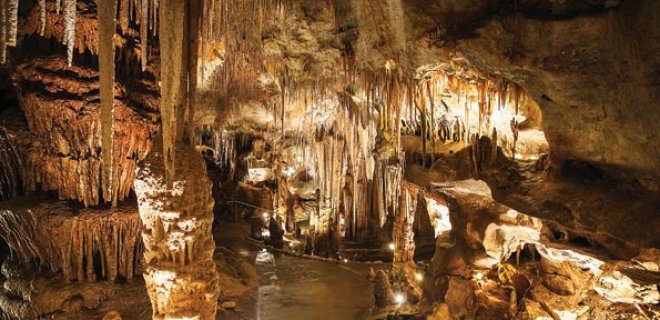
Most caves in Turkey are just damp holes in the rock. Buzluk Mağarası is different. It is cold. I mean genuinely, tooth-chattering cold. The name translates to “Ice Cave,” and it lives up to the reputation with stalactites made of actual ice rather than just limestone. If you are planning an Afyon trip and only want the highlights, skip the town center for an hour and head to Sultandağı. This place is raw.
The Reality of the Visit
You need to prepare for the temperature. Even in summer, the interior hovers near freezing. Tourists often underestimate this. They show up in summer t-shirts and spend twenty minutes shivering inside. The solution is simple: bring layers. A thick jacket and gloves are not optional here. They are mandatory.
The cave itself is located in Dereçine Kasabası. It is about a forty-minute drive from the center of Afyonkarahisar. The road is decent, but the final stretch is rural. You will pass fields and small villages before you see the entrance. The journey is part of the experience. It feels remote. Unspoiled.
What You Will Actually See
Walking in, the air changes instantly. It gets heavy and cold. The lights are basic—usually just LED strips bolted to the walls for safety. They do not create a magical glow. They just illuminate the ice formations. The stalactites here are translucent. You can see the layers of ice built up over centuries. Some hang down like frozen waterfalls. Others form intricate, glass-like structures on the ceiling.
It is quiet. Too quiet. The only sound is your own breathing and the crunch of boots on ice. There are no guides shouting into microphones. No crowded tour buses blocking the path. Just you and the cold.
“This is not a theme park attraction. It is a natural phenomenon that demands respect and proper clothing.”
Logistics and Timing
You can visit year-round. In fact, winter is the most dramatic time to go. The ice looks thicker, sharper. But you must be careful with the roads. Snow and ice make the access road treacherous. If you go in winter, check the weather forecast and ensure your vehicle has good tires.
Entrance fees are minimal. Usually around 20-30 Turkish Lira. Cash is best. Cards are rarely accepted at these remote natural sites. Bring small bills.
Is It Worth the Detour?
If you are staying in Afyon city for a weekend, yes. It is a unique geological feature. You will not find another ice cave quite like this one in the region. It adds variety to a trip that might otherwise be dominated by hot springs and Roman ruins.
If you are short on time, skip it. The cave is beautiful but small. You walk through it in about fifteen to twenty minutes. It is not a half-day hike. It is a quick stop. But for a traveler looking for something different from the standard thermal bath itinerary, it stands out.
The village of Dereçine is quiet. Very quiet. There are no shops right at the cave entrance. You cannot buy a souvenir or a hot drink right there. Plan ahead. Fill your water bottle. Bring snacks if you get
Why the Sarıçayır Rock Tombs Are Afyon’s Best Kept Secret
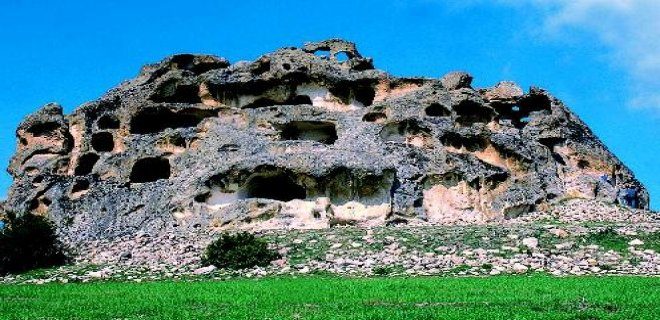
You drive past the endless fields of sugar beets in Afyonkarahisar, heading toward İscehisar, and suddenly the landscape changes. It’s not just a village; it’s a necropolis. The Sarıçayır Rock Tombs are a quiet, eerie testament to the Eastern Roman Empire, carved directly into the limestone cliffs. If you’re looking for a spot that feels untouched by the mass tourism of Cappadocia, this is it.
The history here is specific. These weren’t just random burials. They were family plots and individual tombs, a way for the elite of the region to secure their legacy in stone. The detail is what stops you in your tracks. We’re talking intricate carvings and decorative motifs that have survived centuries of wind and weather. Most people drive right past them. It’s a shame.
Where to Find Them in Afyonkarahisar
The location is straightforward, but you have to know where to look. You aren’t going to find a big signpost on the main highway. The Sarıçayır Kaya Mezarları are located in Sarıçayır Village, İscehisar district.
“The decorations and engravings on the tomb rocks are quite eye-catching.”
Address: Sarıçayır Village, İscehisar/Afyon
It’s a short detour from the main E88 highway if you’re heading west from Afyon city center. Once you turn into the village, keep an eye on the slopes. The tombs are embedded in the rock face, often blending in with the natural terrain until you’re close enough to see the craftsmanship.
What Makes Them Worth the Detour
Why stop here? Because the preservation is better than you’d expect for the period. The Eastern Roman era left its mark here through architecture that mimics the wooden structures of the time, but made permanent. You can see the “beams” and “frames” carved into stone, giving you a sense of what the houses above ground looked like.
It’s quiet. There are no ticket booths. No souvenir shops selling identical keychains. Just wind, stone, and history. For a traveler who prefers atmosphere over amenities, this is a win.
Planning Your Visit
Timing matters here. Since there’s no formal entry fee or opening hours, you’re at the mercy of daylight and your own curiosity.
- Best time to go: Mid-morning or late afternoon. The light hits the carvings at an angle, revealing the depth of the engravings. Midday sun can wash out the details.
- Access: You can drive right up to the base of the rock face in most spots. However, some tombs are higher up or on steeper slopes. Wear sturdy shoes.
- Cost: Free. Always.
- Nearby: Once you’ve had your fill of ancient history, İscehisar town has good local restaurants. Try the sac kavurması (meat cooked on a hot plate). It’s simple, local, and cheap.
The Bigger Picture
Afyon is often seen as a stopover on the way to Pamukkale or Ephesus. But places like Sarıç
The Fortress That Watches Over Afyon
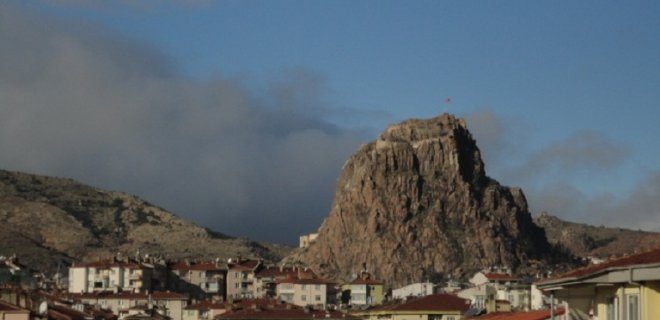
You can’t miss it. Karahisar Kalesi dominates the skyline, perched high on a basalt outcrop that juts out from the city center. It isn’t just another ruin. This is a symbol of Afyon, etched into the horizon since the Hittite era.
The fortress sits at an elevation of 226 meters. That height matters. It gives you a commanding view of the surrounding plains and the city below. For anyone planning a trip to Turkey’s Aegean region, this is a mandatory stop. It’s not just a monument. It’s a perspective shift.
The structure has survived centuries of weather, war, and neglect. Walking through the remaining walls feels like stepping into a timeline. You are standing on ground that has seen empires rise and crumble.
Where to find it
Getting there is straightforward. The castle is located right in the heart of Afyonkarahisar province. You don’t need a private tour bus. A short taxi ride or a brisk walk from the city center gets you to the base.
- Address: 03100 Merkez/Afyon
The coordinates are precise. If you are navigating via local maps, just search for the fortress name. It’s impossible to drive past it without noticing the sheer scale of the stone walls.
Why visit now
Spring and autumn are the best times to climb. The summer heat in central Turkey can be brutal. Standing on those exposed rocks at noon? Not fun. Winter brings a different kind of beauty—gray skies, stark shadows, and a quietness that lets you hear the wind whistling through the ancient battlements.
The preservation is decent. You can walk along the perimeter walls. Look for the remnants of towers and the old gateways. They tell a story of strategic importance. Afyon was a crossroads. This fortress was the lock.
Don’t just take photos of the exterior. Climb to the highest point. The view stretches for miles. On a clear day, you can see the distant hills and the flatlands that have fed civilizations for millennia.
It’s a heavy feeling. Standing there, looking down at the modern roofs of Afyon, you realize how small the city is against the backdrop of history.
This isn’t a place for a quick photo op. It’s a place to stand still. To look. To think about what remains when everything else fades.
The Stone Giant’s Long Memory
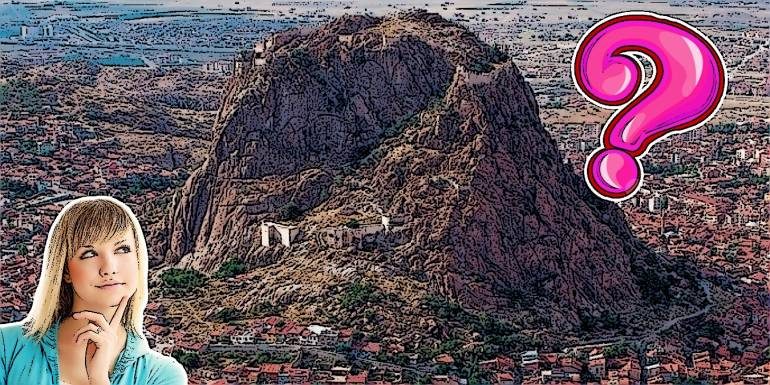
You don’t stumble into Afyonkarahisar by accident. It rises out of the plain like a geological stubbornness, a massive limestone rock jutting up thirty meters, crowned by a castle that has watched empires come and go since before the Romans had their toga straight.
The name itself is a clue. Afyon means opium. Karahisar means black castle. The locals still joke about the name’s origin, but the history is heavier than the myth. This isn’t just a rock. It’s a strategic choke point that has been fought over for millennia.
From Hierapolis to Ottoman Stronghold
Before it was Afyon, this region was the gateway to Hierapolis (modern-day Pamukkale) and Laodicea. Travelers moving between the Aegean coast and the Anatolian plateau had to pass here. Control of the rock meant control of the trade routes.
The Byzantines fortified it heavily. The Seljuks took it in the 11th century. Then the Ottomans arrived, realizing that holding this high ground was essential for consolidating power in western Anatolia. The castle you see today? Mostly Ottoman. The walls were thickened. The towers were reinforced. It became a provincial capital, a administrative hub where justice was dispensed and taxes collected.
“The rock doesn’t just hold stone. It holds the weight of every army that marched past it.”
Why the Rock Matters (Logistically)
If you’re planning a trip, understanding the geography explains the pace of life here. Afyon isn’t a frantic coastal resort. It’s a crossroads. It sits between Izmir, Ankara, and Antalya.
- Transport : Buses are frequent. The central bus terminal (Otogarı ) connects to almost every major Turkish city. Trains exist but are slow and often unreliable compared to the bus network.
- Timing : Visit in spring (April-May) or autumn (September-October). Summer heat bakes the plain. Winter can be brutally cold, with snow sticking to those stone walls.
- Base Camp : Use Afyon as a staging ground. It’s cheaper than staying in Pamukkale’s tourist traps. You get authentic city life. You get real prices.
Beyond the Castle: What Actually Exists
Most guides point to the rock and stop. That’s a mistake. The city has layers.
1. The Bathhouses (Hamams)
Afyon earned its opium reputation from poppy fields, yes, but also from its thermal waters. The Çayırhan Hamam and Dündarlar Hamam are Ottoman-era baths. They aren’t just tourist spectacles. They are still used by locals. Go in the late afternoon. The steam rises. The marble is cool underfoot. It’s a sensory reset after days of travel.
2. The Clock Tower (Saat Kulesi)
Built in 1901. It’s the oldest clock tower in Anatolia. It stands in the city center. It’s a simple, elegant structure. It marks the transition from the Ottoman era to the Republic. Walk around it. Notice the craftsmanship. It’s not grand, but it’s precise.
3. The Stone Carvings
Look