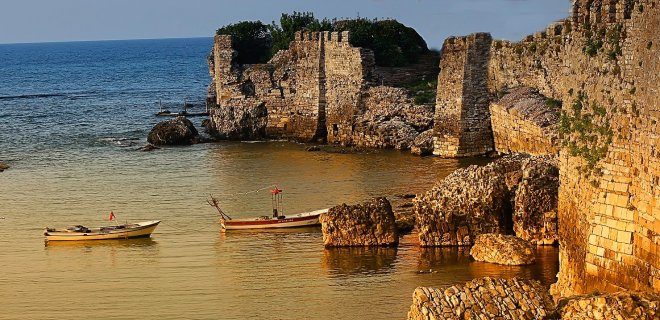
Sinop Castle isn’t just a pretty view over the Black Sea. It’s a history book written in stone, battered by wind and time.
The story starts way back in the 7th century BC. People built it then for one reason: protection. They needed to keep the city safe.
But the stone has seen it all.
Rome came. They fixed it up. Then Byzantium took over. More repairs. Then the Anatolian Seljuk Empire added their touch. Each era left a mark. Each era kept the walls standing.
Fast forward to the late Ottoman period. Things got dark.
Sultan II. Abdülhamid turned the fortress into a prison.
This wasn’t a luxury retreat for exiled nobles. It was a harsh containment.
The Sinop Prison became infamous. Political prisoners. Dissidents. People who threatened the Sultan’s rule. They were locked up there for years.
Visiting today, you feel that weight.
The views are spectacular. You can see the endless black water. The city sprawls below. But the history is heavy.
Why does this matter?
Because Sinop Castle represents survival. It survived empires. It survived neglect. It survived its own grim purpose.
When you walk those ramparts, you’re walking where kings planned defenses and where prisoners counted the days.
It’s not just a tourist spot. It’s a reminder of how power shifts.
How long did the prison use last?
Decades.
What is the main draw now?
The history. And the view.
There’s a stark beauty in the decay. The stones are warm. The sea is cold.
You stand there.
You look out.
You remember the 7th century BC.
And the Sultan’s prisons.
It’s a lot to take in.
But worth it.
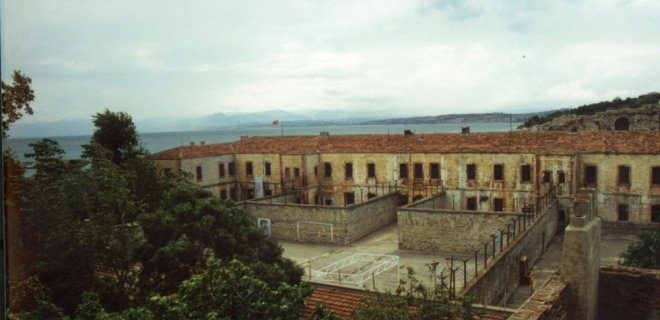
Hapishane duvarları arasında sıkışıp kalmış bir hissiyat var burada. Ama sinir bozucu değil. Aksine, 1877’den beri ayakta duran bu yapı, şehrin en sert ve en gizemli tarafını anlatıyor. İç kaledenin tam kalbinde, eski tersane alanının gölgesinde duruyor. Yüksek kale bedenleri onu dış dünyadan kesiyor. 1877 yılında kullanılmaya başlanan bu cezaevi, Sinop’ta tarihin en karanlık sayfalarından birine tanıklık ediyor.
Balatlar Kilisesi’nin Sessiz Yıkıntıları
Ada mahallesine doğru yürümeye başlıyorsun. Yusufoğlu Aralığı’na vardığında zaman duruyor. Balatlar Kilisesi, Bizans döneminden kalan tek bir anı gibi duruyor. Gerçi “anı” kelimesi biraz güçlü. Günümüze gelen sadece kuzey ve güney duvarları. Gerisi yok.
Neden sadece bu iki duvar kaldı? Zaman mı çökertti? Savaşlar mı? Bilmiyorsun. Ama duruşları etkileyici. Bizans mimarisinin o ağır, taşla konuşan dili burada hâlâ hissediliyor. Hava koşulları, sel suları veya insan eliyle yaşanan değişimler, kilisenin gerisini silip atmış. Sadece o iki duvar kalmış. Boşluklar kadar dolu.
Pervane Medresesi ve Selçuklu Mirası
Alaaddin Camisi avlusuna giriyorsun. Kuzey girişinin karşısına geçince Pervane Medresesi’ni görüyorsun. 1262 yılında inşa edilmiş. Selçuklu Veziri Muinüddin Süleyman Pervane tarafından yaptırılmış. Neden? Şehrin ikinci defa alınışını anmak için. Tarih tekerrür ediyor mu? Hayır. Tarih kaydediliyor. Medrese, taşın içine kazınmış bir tarih dersi.
Alaaddin Camisi (1267) ise hemen yanında. İkisi de aynı dönemin ürünü. Aynı mimari dil. Aynı taş. Birbirine komşu olmaları tesadüf değil. Selçuklu döneminin Sinop’taki en sağlam ayak izi burada.
Neden Pervane Medresesi’ni Ziyaret Etmelisiniz?
Pervane Medresesi, Sinop’ta diğer medreselerden farklı. Neden? Çünkü Alaaddin Camisi’nin gölgesinde, şehrin kalbinde duruyor. 1262 yılında şehrin ikinci defa alınışı anısına yapılmış. Bu detay önemli. Sadece bir ibadethane veya eğitim merkezi değil. Bir zafer anıtı. Bir hatıra.
Muinüddin Süleyman Pervane, Selçuklu’nun güçlü veziriydi. Onun adı bu yapıyla ölümsüzleşti.
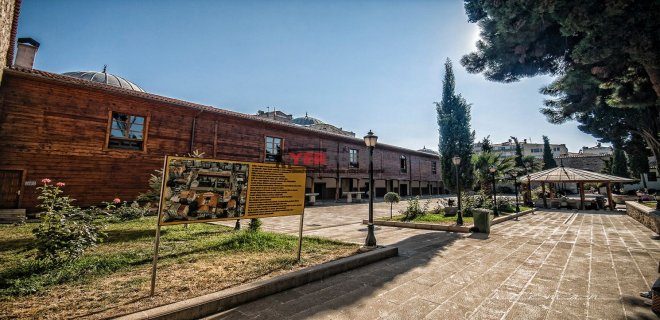
If you are hunting for the tangible echoes of the Seljuk era in Sinop, the Alaaddin Camii is your anchor. Built during the height of that dynasty, it sits on a rectangular plan topped by five distinct domes. Getting inside isn’t a squeeze; you pass through a wide portico that opens up to the courtyard.
“The courtyard itself is a quiet museum, housing the Isfendiyaroglu Mausoleum in one corner and a central sadırvan.”
That mausoleum is worth lingering near. It’s not just stone; it’s a record of the Isfendiyaroglu dynasty’s influence in the region.
But the religious architecture here doesn’t stop at the mosque. The city is dotted with tombs that trace a lineage of power and piety. If you are mapping out a walking route, keep your eyes peeled for these specific structures:
- Seyyid Bilal Türbesi (1280)
- Gazi Çelebi Türbesi (1322)
- Sultan Hatun Türbesi (1394)
- Hatunlar Türbesi
These aren’t just random graves. They span over a century, showing how the region’s elite were buried in the wake of the Seljuk decline and the rise of local beyliks.
Then there is the Ottoman layer. The skyline changes as you move toward the later periods. Look for the Meydankapı (Süleymaniye) Camisi, completed in 1878. It stands as a reminder of the empire’s later administrative reach. Nearby is the Kefevi Camisi from 1806, a quieter, earlier Ottoman footprint.
And if you dig deeper into the dates, you will find the Kaleyazısı Mehmet Ağa Camisi. Dated to 1062, it pushes the timeline back even further, complicating the narrative of when Islamic architecture truly took root in this coastal stretch.
Don’t forget the Şehitler Çeşmesi (Martyrs’ Fountain). It’s a functional piece of history, usually standing near significant civic spaces. It serves as a reminder that water, like stone, is central to how these communities survived.
When planning your visit, cluster these sites. They are close enough to walk between, but far enough apart that you need to appreciate the spacing. Don’t rush. The dates on these stones tell a story of survival, conquest, and slow integration into the Ottoman world.
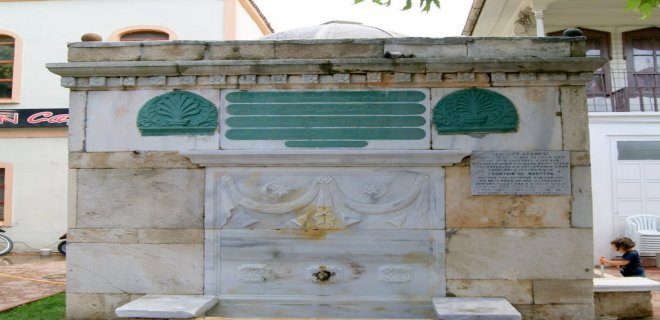
Sinop merkezinde dikkatle bakarsanız, 14 farklı tarihi çeşmeyle karşılaşırsınız. Bu yapılar sadece su akıtmak için değil, şehrin hafızasını taşımak için inşa edilmiş. Bunlardan en dikkat çekici olanlardan biri, Şehitler Çeşmesi ‘dir.
Tersane Çarşısı’ndaki Şehitler Çeşmesi’nin Hikayesi
Bu çeşme, Sinop’un kalbi sayılan Tersane Çarşısı ’nın içinde yer alıyor. Durmuş dursun. Peki ya bu yapının arkasındaki gerçek neden?
Olay 1853 Osmanlı-Rus Savaşı’na dayanıyor. Rus donanması, Sinop limanına baskın düzenlemiş. Bu çarpışmada ölen denizcilerimizin eşyalarından, giysilerinden toplanan paralarla yaptırılmış bu çeşme, bir hatıra ve bedel. Sadece taş değil, bir acı ve onur taşıyor burası. Ziyaret ettiğinizde sadece suyun sesini değil, o dönemin ağırlığını da hissedeceksiniz.
“Şehitler Çeşmesi, Rus saldırısında hayatını kaybeden denizcilerimizin mal varlıklarından toplanan fonlarla inşa edilmiş tarihi bir anıt.”
Paşa Tabyası: Deniz Surları’nın Gözleri
Şehitler Çeşmesi’nin hikayesinden sonra, manzaranın boyutunu değiştiren bir durak var: Paşa Tabyası.
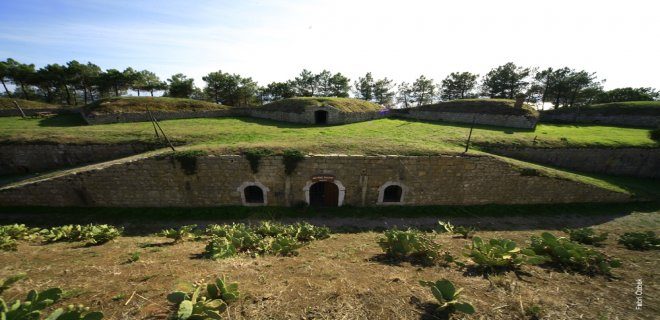
Buraya ulaşımlar genellikle Sinop Kalesi’ni ziyaret edenlerin rotasına dahil. Tabya, şehrin en yüksek noktasından Karadeniz’e hakim bir konumda. 19. yüzyılda inşa edilen bu askeri yapı, sadece savunma amaçlı değildi. Aynı zamanda deniz trafiğini izlemek için bir gözlem noktasıydı.
Bugün buraya gittiğinizde:
– Rüzgarın sertliğini hissedersiniz.
– Sinop Körfezi’nin tam panoramasını görürsünüz.
– Tarihi surların üzerindeki toprak katmanlarını inceleyebilirsiniz.
Ziyaret için en iyi zaman erken saatlerdir. Işık, denizle kumun sınırını çiziyor. Öğleden sonra güneşin dik geldiği saatlerde gölge azalır, sıcaklık artar. Bu yüzden ayakkabınızı rahat giyin. Tabyaya tırmanış biraz dik olabilir, ama tepedeki manzera buna değiyor.
Sinop’u gezerken sadece kaleyi ve hapishaneyi değil, bu küçük detayları da kaçırmayın. Şehitler Çeşmesi’ndeki o ince işçilik, Paşa Tabyası’ndaki o soğuk rüzgar… Bunlar, rehber kitaplarında yer almayan, ama sizi o anın iç
The Fortress at the Edge of the Map
Paşa Tabyasi sits at the very southern tip of the Sinop Peninsula. It’s not just a hill. It’s a historical marker carved into the landscape. Built during the 19th-century Ottoman-Russian wars, the fortification stands as a silent witness to a turbulent era. You can still see the scars of that conflict in the stone. The strategic view from here is brutal and beautiful. The Black Sea stretches out, indifferent to the history beneath your feet.
A Quiet Teacher’s Past
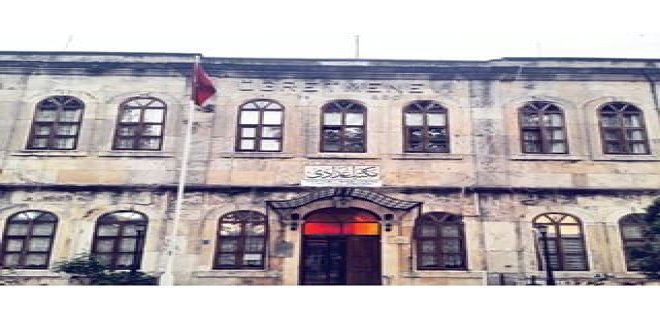
Just a short distance away stands the Mektebi İdadi building. It’s known locally as the Öğretmenevi. The structure has a specific timeline. Construction began in 1876. It was completed, or at least put to use, by 1909. It served as an intermediate school. Today, it functions as a guesthouse for teachers. The building has adapted. It survives.
Why This Route Matters
Most tourists rush through Sinop. They see the castle. They see the coast. They miss the quieter layers. Paşa Tabyasi requires a hike. You have to earn the view. That effort filters out the casual visitors. The isolation adds weight to the experience. You’re not just looking at ruins. You’re standing where soldiers once stood. The wind here is different. It carries the salt of centuries.
Logistics and Timing
Getting to Paşa Tabyasi isn’t complicated, but it’s not paved for comfort. Roads end. You walk. Or you take a local taxi if you’re willing to pay for the extra mileage. The site is exposed. Sun offers no shade. Water is scarce. Bring what you need.
The best time to visit is late afternoon. The light hits the stone differently. Shadows lengthen. The fortress looks less like a ruin and more like a guardian. The Mektebi İdadi is nearby. You can combine the two sites in one afternoon. Walk the perimeter. Look for the old mortar marks. Notice how the architecture shifts from military utility to educational purpose. Both serve the same end. They preserve order.
What’s Actually Worth Seeing
Don’t just take a photo of the gate. Look at the terrain. The elevation is the point. The Russians targeted this spot for a reason. It controls the approach. The view from the top is panoramic. You see the harbor. You see the cliffs. You see the vastness of the sea. It’s humbling. The Mektebi İdadi building is modest. It doesn’t scream for attention. It whispers. That’s often more powerful.
The Unspoken Detail
The area around Paşa Tabyasi is quiet. Too quiet for some. It’s not a theme park. There are no gift shops at the top. Just stone and sky. This lack of commercialization is its greatest asset. You hear your own footsteps. You hear the waves crashing against the rocks below. It’s a rare thing in modern tourism. To find a place that hasn’t been polished for consumption.
Some might find it too stark. They want comfort. They want a guide. But the starkness is the point. The war is over. The school is closed to students, open to guests. The peninsula remains. The sea remains. Everything else is temporary.
“The stone remembers what the
A Ghost in the Classroom
The history here isn’t just written in books. It’s embedded in the walls of what is now the Öğretmenevi (Teachers’ Home). It started as a modernization project under Sultan Abdülhamit II, a push to educate the empire before the empire fell apart. The Sinop Mekteb-i İdadisi was founded then. Its doors officially opened in June 1928. By 1955, it had evolved into a high school. Then, in 1983, it transitioned again. Now it serves teachers.
But the most striking moment didn’t happen in 1928. It happened two days later.
On September 15, 1928, Mustafa Kemal Atatürk arrived in Sinop for a single day. He didn’t just shake hands in the governor’s office. He went to this school. He walked into the courtyard. There, a blackboard had been set up. He didn’t just give a speech about the new alphabet. He picked up the chalk. He wrote. He taught. The script changed from Arabic to Latin that day, not just by law, but by the hand of the Republic’s founder, right there on the pavement.
It’s a surreal image to try and visualize. The chaos of transition. The weight of history. One man, standing in a courtyard, rewriting the future of a language. If you walk into that courtyard today, you’re walking on the same concrete.
The Quiet Beauty of Hamsilos
Leaving the town center and the heavy historical weight behind, you head west. About 20 kilometers out. The road winds through pine forests. The air gets cooler. The noise of the traffic fades.
Then you see it. Hamsilos Koyu.
It’s often called the “Maldives of Turkey” for the wrong reasons. The water is indeed clear. It’s turquoise. But calling it the Maldives insults the actual Maldives and misses the point of Hamsilos. This place feels wilder. Older.
The bay is protected. The water is calm. The sand is fine. But the real draw isn’t just the swimming. It’s the stillness. In July and August, it gets crowded. Tour buses dump people off. The tranquility breaks.
So, when do you go?
Early June. Or late September. The water is still warm enough. The crowds are gone. The pine trees are quiet. You can rent a small boat. Or just lie on the rocks. The view from the headland looks back toward Sinop city. You can see the peninsula jutting out into the Black Sea. It’s a stark, beautiful landscape. Not tropical. Not exotic in the Caribbean sense. But distinctly Anatolian.
Many people skip this. They stick to the beaches closer to Sinop city. They miss the isolation. They miss the way the light hits the water in the late afternoon. It’s a 30-minute drive from the center. The road is decent. It’s worth the detour. Just don’t expect luxury. Expect nature. And silence.
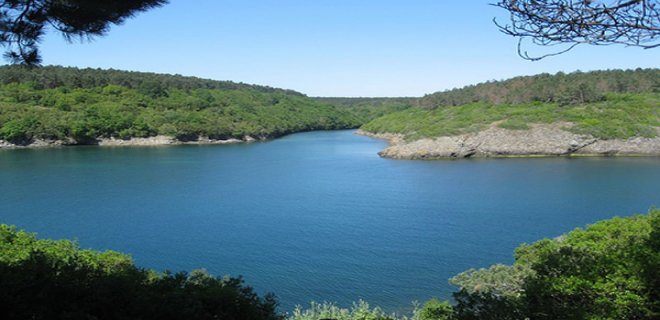
Hamsilos Körfezi. Adı bile denizi ağızda sulandıran bir kelime. Sinop merkezine sadece 11 kilometre uzakta. Sanki deniz burada durup karın içlerine doğru uzanmış. Bir doğa harikası. Sinopluların piknik için kaçıp gittiği, nefes almak için sığındığı o özel alan.
Buraya gelmeden önce haritaya bakın. Deniz mi yoksa kara mı? İkisinin arasında sıkışıp kalmış gibi hissedeceksiniz. Bu sadece bir koy değil. Mucize.
Hamsilos’ta Kamp ve Doğa
Neden bu kadar sık ziyaret edilir? Cevap basit. Doku.
Su o kadar berrak ki tabanını sayabilirsiniz. Ağaçlar denize doğru eğilmiş, sanki suya dokunmak istiyorlar. Piknik yapmak isteyenler için en iyi saat gün batımına yakın. Işık sarıya döndüğünde, körfezin her köşesi altın rengi bir parıltıyla kaplanıyor.
Logistik olarak ne yapmalısınız? Kendi yiyeceğinizi getirin. Seçenekler sınırlı. Ama suyun soğukluğu sizi şımartır. Yazın, sıcakta koşan birinin en büyük düşmanı terdir. Hamsilos’ta o teri siler.
Sarıkum ve Karakum: Çiftçi Mucizesi
Sinop’un doğal güzellikleri listesinden eksik olmaması gereken iki nokta daha var. Sarıkum ve Karakum.
İsimler kulağa şaka gibi geliyor ama arka planda ciddi bir tarım ve mühendislik hikayesi var. Kum tepeleri sadece manzara için yok. Rüzgar erozyonunu durdurmak için dikilmiş ağaçlarla korunuyor. Bu, doğanın kendi kendine iyileşmeye çalıştığı bir sahne.
Sarıkum’a giderseniz. Kıyı şeridinde yürüyüş yapın. Rüzgarın kumu nasıl şekillendirdiğini izleyin. Karakum ise daha vahşi. Daha az düzenli. Burada sessizlik daha derin.
Hangisi daha iyi? Karar sizin. Ama ikisini de bir arada gördüğünüzde, Sinop’un coğrafi çeşitliliğini tam olarak kavrayacaksınız. Denizle çölün, ormanla kıyının buluştuğu yer.
Saat Kulesi ve Eski Evler: Tarihin İzinde
Doğadan sonra şehrin kalbine inin. Sinop Saat Kulesi.
Kent meydanında dikilen bu yapı, sadece saat tutmak için değil. Kentin kimliğinin bir parçası olarak inşa edilmiş. 1900’lerin başından beri zamanı ölçüyor. Üzerine bakarken o dönemin mimari detaylarını, taş işçiliğini fark edeceksiniz.
Kuleye yürüyüş mesafesinde, Eski Sinop Evleri sizi bekliyor.
Taş