Cape Town isn’t just a stopover. It is a destination that demands attention. Located in South Africa, this city holds a unique title—it shares the distinction of being one of the country’s three capital cities. But don’t let the politics distract you from the view. This place is a global tourism heavyweight.
The numbers are staggering. The city covers 2,455 square kilometers. The population sits at roughly 3.5 million people. That density makes it one of the largest urban centers in the region. Yet, despite the crowds, it feels expansive. The social fabric here is incredibly rich. You will encounter a mix of cultures, faiths, and ethnicities that coexist in ways that feel ahead of their time for the surrounding areas.
This history is heavy. The city has witnessed pivotal historical events that shaped the modern world. The geography is equally dramatic. It is rich in natural resources and defined by its rugged beauty. Skyscrapers pierce the sky next to sprawling national parks. Hills roll into manicured gardens. Museums stand as quiet witnesses to the past. For anyone planning a trip, knowing where to start is half the battle. We are breaking down the essential sights to see first.
Hiking Table Mountain
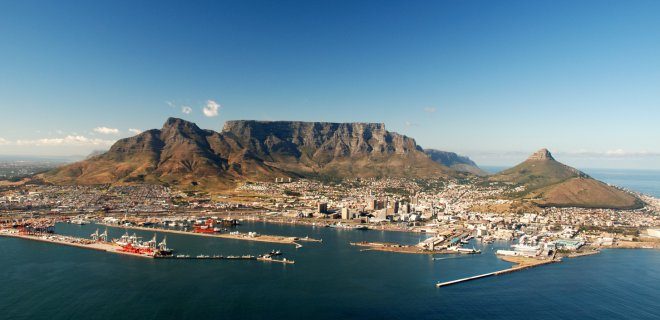
You cannot talk about Cape Town without mentioning Table Mountain. It dominates the skyline. It is the city’s most iconic landmark. You do not just look at it. You climb it.
There are two ways to reach the summit. The first is the aerial cableway. It takes about fifteen minutes to rotate 360 degrees at the top. The views over the city and the ocean are undeniable. But walking is better if you have the fitness for it. The paths are challenging. The heat can be intense. The wind can be relentless.
“The view from the top changes your perspective on the entire region.”
Whether you take the lift or the trail, the plateau at the summit is flat and expansive. You might see klipspringers—small antelopes—that roam freely there. Cloud cover can roll in quickly. This is known as “the tablecloth.” It covers the peak like a white sheet. If that happens, visibility drops to zero. Wait it out. The weather here is its own entity.
Timing is everything. Go early in the morning. The light is soft. The air is cool. By noon, the crowds arrive. The heat builds. The cable cars may close due to high winds. Check the status before you go. Do not show up unprepared. The mountain does not care about your schedule.
Table Mountain: The Iconic Peak and National Park Guide
It dominates the skyline. You can see it from every corner of the city. This is Table Mountain.
Cape Town’s most photographed landmark isn’t just a pretty backdrop. It’s a geological giant. The plateau sits at roughly 1,085 meters above sea level. For centuries, it has been the city’s silent sentinel.
Why Table Mountain is a Must-Visit
Travelers flock here for the views, but the history runs deeper than postcards. The first recorded ascent happened in 1503. A Portuguese captain named Antonio de Saldanha made the climb. He didn’t come for the Instagram shot. He came to explore.
Today, the mountain is part of Table Mountain National Park. It’s protected. Preserved. And accessible.
You have two ways up.
- The Cable Car: The easiest route. It takes you straight to the top. No sweat. No hiking boots required. Perfect for those who want the view without the exertion.
- The Hiking Trails: For the stubborn, the fit, and the adventurous. There are dozens of paths. Some are steep. Some are tricky. But the reward is unmatched.
The plateau itself spans about 3 kilometers wide. It’s flat. It’s vast. You can walk for hours and never see the edge.
Logistics for Your Visit
- Getting There: Buses and taxis run regularly from the city center. The cable car station is at the base.
- Best Time to Go: Early morning or late afternoon. The light is softer. The crowds are thinner.
- Weather Warning: The “tablecloth” (clouds) can roll in fast. It can block the view completely. Check the cable car website before you go.
- Cost: Buy tickets online if you can. Saves time. Saves frustration.
The mountain is a symbol of Cape Town. It’s world-famous for a reason.
But once you’re done with the peak, where do you go next?
Robben Island
The Price of History and the Cost of Admission
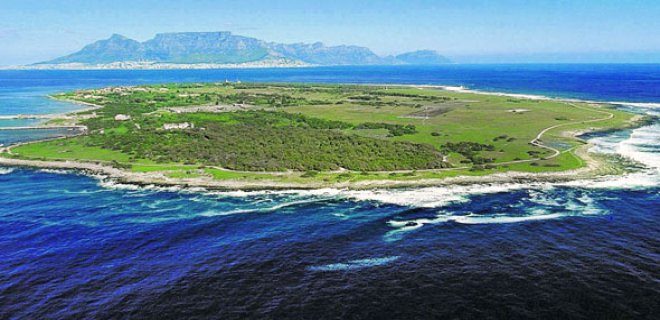
Let’s be clear about the logistics first. You aren’t just stepping onto an island. You are stepping into a chapter of South African history that refuses to stay buried. Robben Island sits in Table Bay, roughly seven kilometers from the Cape Town waterfront. It’s small—3.3 kilometers long, 1.9 kilometers wide—but the weight of it is immense.
This isn’t a beach holiday. It’s a pilgrimage.
Getting there requires planning. You don’t just walk off the dock. Boats depart from the Nelson Mandela Gateway at the V&A Waterfront, and tickets sell out fast. If you are traveling during peak season, book weeks in advance. You might pay around R360 to R450 ($20–$25 USD) for a standard tour. That covers the ferry and the guided tour. But the real cost isn’t in rand. It’s the silence.
The island itself is a UNESCO World Heritage site, part of the Cape Floral Region Protected Areas. It holds two distinct histories. One part is the stark, windswept landscape where indigenous birds nest and seals bask on the rocks. The other part is the prison.
For 23 years, Nelson Mandela lived in a tiny concrete cell here. So did other anti-apartheid leaders. The tours are led by former political prisoners. This matters. It’s not a docent reading from a script. It’s someone who breathed the same air, ate the same food, and wrote letters to the outside world by candlelight. They know the layout of the limestone quarry where prisoners broke their backs for gravel. They know the smell of the cell blocks.
Kirstenbosch Gardens: A Contrast in Green
After the heavy history of Robben Island, you need air. You need color. You need silence that doesn’t feel like judgment.
That is what Kirstenbosch National Botanical Garden offers. Located on the eastern slopes of Table Mountain, it is one of the seven great botanical gardens of the world. It isn’t just a park. It is a curated collection of South Africa’s floral diversity.
The entrance fee is roughly R150 ($8 USD) for adults. Children under 12 get in free. If you have a city pass, check if it includes entry, though most don’t. The gardens span 520 hectares. That is huge. You could spend three days here and only see a fraction of it.
The timing is critical. Go early. The sun beats down hard in the afternoon. Morning light filters through the trees, casting long shadows. The air is cooler. You avoid the crowds. You also avoid the heatstroke.
The highlights are specific. The Canopy Walkway is a suspended bridge that takes you twenty meters above the forest floor. It’s a rare vantage point. You look down into the canopy of yellowwoods and stinkwoods. The trees here are ancient. Some are hundreds of years old. They have survived fires, droughts, and urban expansion.
The Enslin Pond is another focal point. It reflects the mountain. It attracts birds. Kingfishers dart across the surface. If you are lucky, you might see a fish eagle. The sound of water is soothing. It washes away the residue of the prison tour.
Logistics and Practicalities
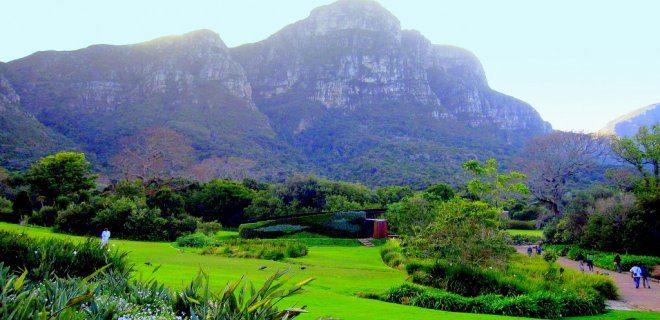
Kirstenbosch’da Doğa ve Sanatın Buluşması
Cape Town’un nefesini kesen manzarasına bakan bu devasa yeşil alan, sıradan bir park değil. Masa Dağı’nın doğu yamaçlarına yaslanmış, 528 hektarlık bir doğa haritası gibi yayılıyor. 1913’te Güney Afrika Ulusal Biyolojik Çeşitlilik Enstitüsü tarafından kurulmuş. Amaç net: Bölgenin eşsiz bitki örtüsünü korumak.
Güney Afrika’nın altı farklı canlısından beşine ev sahipliği yapan dokuz Ulusal Botanik Bahçesi’nden biri burası. Kendinle baş başa kalmak, atmosferi solumak istiyorsan gitmek zorundasın. Yaz aylarında burada konserler düzenleniyor. Taş heykellerle süslü yollarda yürürken müziğin ritmiyle doğanın sessizliği iç içe geçiyor. Cape Town’a giden herkes için mutlaka görülmüşler listesinde ilk sıralarda yer alıyor.
İki Okyanus Akvaryumu

Opened in 1995, the V&A Waterfront Aquarium isn’t just a tank. It’s a sprawling, world-class exhibition designed to feel less like a zoo and more like a portal. You aren’t just looking at water. You are standing inside it.
The layout forces you to choose your perspective early. Kids get wide, eye-level viewing angles that let them press their noses against the glass. Adults? They get the deep dive. Literally.
“It is widely considered one of the finest aquariums on the planet.”
The design pulls life from the Indian and Atlantic Oceans. You’ll see translucent jellyfish floating like ghosts. Giant crabs scuttling across the sand. Sharks gliding with silent, predatory grace. It’s seven distinct exhibits, each with its own rhythm.
For families, there’s a specific glass tunnel. You walk inside while manta rays and stingrays circle overhead. It’s disorienting in the best possible way. For those who want to go deeper, the facility offers shark diving experiences. You don’t just watch. You share the space.
Cape Town wouldn’t be the same without this place. It’s a must-see. But after you’ve stared long enough at the sharks and the seahorses, you’ll need a change of pace. A higher vantage point. A breath of clean air.
That’s where the next stop comes in.
Signal Hill
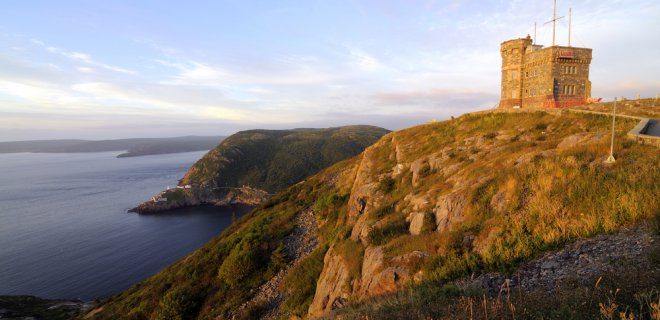
Signal Hill: The Watcher Over the City
Elevation matters when you are trying to see a city breathe.
Signal Hill sits at 350 meters, a natural fortress that has watched ships come and go for centuries. Locals call the ridge “Lion’s Rump” because of the way the rocky formation juts out, mimicking the curve of a lion’s haunch. It’s a visual trick of the light and terrain, but once you see it, you can’t unsee it.
This isn’t just a scenic spot for selfies. It is functional history.
The South African Navy and the South African Astronomical Observatory still operate here. They monitor the winds and the waves. Storm warnings for ships in Table Bay originate from this exact ground. The air up here feels different. Sharper. Heavier with salt and intent.
But the real draw? Timing.
If you arrive at dusk, you are doing it right. The sun dips behind the Atlantic seaboard, painting the sky in bruises of purple and orange. The city grid below lights up, one by one. It is a slow burn of illumination. You can see the entire peninsula stretch out like a thumb pointing toward Antarctica.
“The view from Signal Hill at sunset is not just a sight; it’s a transition from day to night in the most dramatic way possible.”
Getting up there is easy. You can take the cable car, or you can drive the winding road. The road is narrow. The drops are real. Drive slowly. The cable car is smoother but can have queues in peak season.
Why come here?
Because you need to understand the scale of Cape Town before you dive into its streets. From up here, the chaos of the city center makes sense. The traffic, the density, the chaos—it all organizes itself from this vantage point. It grounds you.
When you are done, the descent begins. You head down toward the water.
Victoria & Alfred Waterfront
V&A Waterfront: The Engine of Cape Town Tourism
If you’ve ever looked at a postcard of Cape Town and wondered where all those boats are actually docked, this is it. The Victoria & Alfred Waterfront isn’t just a pretty view. It’s the pulsing heart of the city’s economy and its most visited tourist trap—though in a good way.
Every year, roughly 23 million people flood these docks. That’s not a typo. That is a staggering volume of foot traffic for a single zone. But don’t let the crowds scare you off. This working port, one of the oldest still operating in South Africa, has been expanded across 123 hectares of commercial real estate. It’s a maze of history and retail, built on the foundations laid by Prince Alfred, Queen Victoria’s second son, who broke ground in 1860.
Walking through here feels like stepping into a giant, open-air mall that happens to be on the ocean. You’ll find over 450 shops selling everything from leather goods to high-end souvenirs. There are visual and audio equipment stores, yes, but mostly it’s about the experience. Grab a meal at one of the many waterfront restaurants. Watch the ferries pull in. Listen to the seagulls fight over chips.
“It’s not just a tourist spot. It’s a working harbor that has somehow managed to become a playground.”
Why go? Because it’s the perfect intro to the city. You get the skyline views of Table Mountain and Lion’s Head without having to hike up the mountain itself. You get the energy. And you get the logistics sorted. Most tours start here. Most ferries leave from here.
But the real magic happens when you step away from the main promenade. Find a quiet corner near the old warehouse buildings. The light is golden in the late afternoon. It’s that time of day when the tourists thin out just enough for you to hear your own thoughts again.
Boulders Beach
Speaking of getting away from the crowds, you can’t talk about Cape Town wildlife without mentioning penguins. And not the zoo kind. The real deal.
Boulders Beach is about an hour’s drive from the city center, tucked away in Simon’s Town. It’s small. Tiny, really. But it’s home to a colony of African penguins that has been breeding here for decades.
Getting there costs money. As of the latest updates, there’s an entrance fee for non-residents, which goes toward conservation efforts. It’s worth every cent. The boardwalks keep you off the dunes and close to the birds. You’re watching them waddle, dive, and squabble from just a few meters away.
The beach itself is sheltered by massive granite boulders. This creates calm waters perfect for swimming. The water is cold, don’t expect a tropical plunge. But on a hot day, it’s refreshing. The sand is soft. The views are rugged and raw.
Why Boulders Beach?
You’re not just looking at birds. You’re seeing a species that was once on the brink of extinction. Conservation programs have helped the population recover, but they still need support. Your visit helps fund that.
Logistics matter here. Go early. The crowds come in mid-morning. By noon, the boardwalks are
Boulders Beach: Penguenler ve Granit Kayalar Arasında
Bu sadece bir kum sahil şeridi değil. Burası, Cape Yarımadası’nın kalbinde, granit kayalıkların arasında gizlenmiş Boulders Beach olarak bilinen eşsiz bir cennet. Cape Town’a çok yakın olmasına rağmen, kendine has bir dünya var burada. 1982’de Afrika penguenlerinin yerleştirilmesiyle bu körfez, sıradan bir plajdan popüler bir turistik mecdaya dönüştü. Bugün burayı ziyaret etmek, yaklaşık 3.000 adet penguenin doğal yaşam alanlarına saygı göstererek onları izlemek anlamına geliyor. Masa Dağı Milli Parkı’nın bir parçası olan bu bölgede, denize girmek sadece serinlemek değil, kuşların arasında yüzmek gibi bir deneyim.
Güney Afrika Müzesi ve Planetaryumu
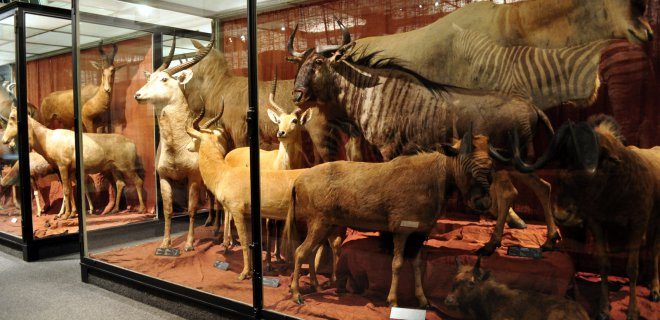
Cape Town’daki Eski Müze: Afrika’nın En Eski Sanat Koleksiyonu
1825 yılında kurulan bu yapı, Güney Afrika’nın en eski milli müzesi unvanını taşıyor. Lord Charles Somerset tarafından kurulması bu tarihi sürecin başlangıç noktasıydı. Afrika’ya ait zoolojik, paleontolojik ve arkeolojik koleksiyonları bünyesinde barındırıyor. Son yıllarda Avrupa ve Amerikan müzelerindeki sistemli uygulamaları benimseyen kurum, Cape Town turuna çıkanların en fazla ziyaret ettiği mekanlardan biri haline geldi.
Doldurulmuş aslan, çita, bufalo ve antilop gibi hayvanların yanı sıra balina ve dinozor iskeletlerinin sergilendiği müze, mutlaka gezilmeli. Cape Town’daki Eski Müze, sadece tarihsel bir doküman değil, aynı zamanda gezginler için pratik bir durak.
Ziyaretçi İçin Pratik Bilgiler
Müzenin konumu, Cape Town’un tarihi dokusuyla iç içe. Ziyaretçiler, bu koleksiyonların arasında yürürken Afrika’nın doğal tarihine tanıklık ediyor. Özellikle dinozor iskeletleri ve büyük memelilerin doldurulmuş halleri, çocuklu aileler ve doğa meraklıları için göz alıcı bir deneyim sunuyor.
Müzenin sistemli uygulamaları, ziyaret sürelerini optimize etmenize yardımcı oluyor. Cape Town’daki Eski Müze, şehirde geçirilen zamanı değerlendirmek için ideal bir seçenek.
“Cape Town’daki Eski Müze, sadece bir müze değil, Afrika’nın doğal ve kültürel mirasının bir yansıması.”
Neden Cape Town’daki Eski Müze?
Bu müze, Güney Afrika’nın zengin doğa tarihini yansıtıyor. Zoolojik ve paleontolojik koleksiyonlar, Afrika’nın evrimsel sürecini anlamak için önemli bir kaynak. Cape Town’daki Eski Müze, bu sürecin somut bir kanıtı.
Nasıl Ziyaret Edilir?
Müze, Cape Town’un merkezinde yer alıyor. Toplu taşıma veya taksi ile kolayca ulaşılabilir. Ziyaret saatleri genellikle sabah saatlerinde başlar ve akşam saatlerinde sona erer. Cape Town’daki Eski Müze, şehrin en önemli kültür mekanlarından biri.
Ne Görmeli?
- Doldurulmuş aslan, çita, bufalo ve antilop
- Balina iskeleti
- Dinozor iskeletleri
- Arkeolojik buluntular
Bu koleksiyonlar, Cape Town’daki Eski Müze’nin en ilgi çekici bölümleri arasında yer alıyor.
Cape Town’daki Eski Müze ve Çevresi
Müze, Cape Town’un tarihi dokusuyla iç içe. Çevresindeki restoranlar ve kafe, ziyaret sonrası dinlenmek için ideal. Cape Town’daki Eski Müze, şehrin kültürel haritasında önemli bir yere
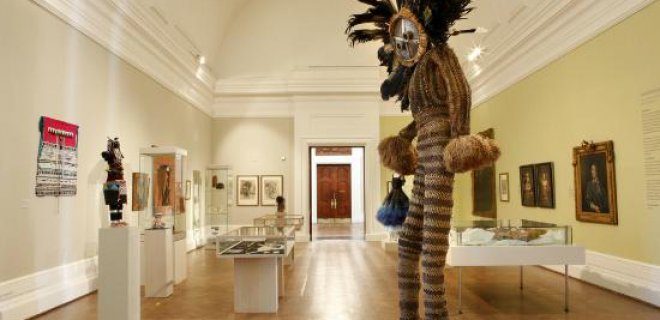
The South African National Gallery isn’t just a box for pretty pictures. It’s a heavy-hitter for anyone serious about understanding the country’s visual history. Located in Cape Town, this institution holds the weight of three centuries. You walk in and you’re met with Dutch, French, and British masters from the 17th through the 19th century.
It’s not all oil on canvas though.
Look closer at the corners. The gallery is packed with stone lithographs and gravures that show the gritty texture of the colonial era. But the real story? It’s in the early 20th-century English paintings. And the sculptures.
Most of the sculptures and beadwork belong to South African communities.
This is where the narrative shifts. You aren’t just looking at European exports. You’re looking at local hands shaping local stories. The beadwork alone tells a story of identity that canvas can’t quite capture.
If you’re mapping out a Cape Town itinerary, this stops being optional. It becomes essential.
Grand Parade
Right next door, the vibe changes completely. The Grand Parade.
It’s vast. Open. Almost intimidating in its emptiness. This was once the military center. The troops marched here. The generals barked orders. Today, it’s mostly grass and space. But don’t mistake emptiness for irrelevance.
The juxtaposition is the point.
You stand between the structured, heavy history of the National Gallery and the open, wind-swept expanse of the Parade. One is curated. One is raw.
The logistics are simple. It’s walkable. You step out of the gallery doors and you’re there. No taxi needed. No app required. Just put one foot in front of the other.
But timing matters.
Go when the sun is high and the shadows are sharp. Watch how the light hits the historic buildings surrounding the parade. Look for the old stone facades. They’re worn but proud.
And cost?
Admission to the gallery varies. Check their current rates online before you go. Prices shift. But the parade itself? Free. Always free.
Is it worth stopping by for just five minutes? Yes. But give it ten.
Look at the sky. Look at the people walking dogs. Look at the contrast between the art inside and the life outside.
That’s Cape Town.
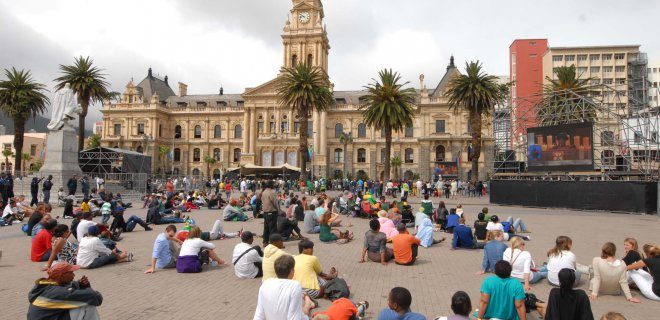
Green Market Square: The City’s Pulsing Heart
This is Cape Town’s main square. Green Market Square. It isn’t just a pause in your walk. It’s where the city breathes.
Surrounded by iconic landmarks, the area feels heavy with history. You have the City Hall right there. Across the way sits the Good Hope Castle. And nearby, the Cape Town Train Station looms, a reminder of how this city connects to the rest of the world. These aren’t just buildings. They are symbols.
Locals don’t just pass through here. They live here. It’s one of the most frequently visited spots for residents and tourists alike. Why? Because it’s practical. It’s central. It’s where.
Historically, this was a market. A place to trade. Today, it functions similarly. You’ll find stalls. You’ll find parks. But it’s also a stage. Protests. Merges. Different activities spill out onto the cobblestones. It’s never truly quiet.
If you are mapping out your days in Cape Town, this has to be on the list. It’s not the beach. It’s not Table Mountain. But it’s the anchor. You come here to orient yourself.
The energy shifts with the day. Morning brings the market crowd. Afternoon brings the commuters rushing toward the train station. Evening brings the tourists looking for a place to rest their feet before dinner.
It’s a hub. A nexus. And if you stop long enough to watch, you see the real Cape Town. Not the postcard version. The living, breathing one.
So, when you’re planning your route, don’t skip the center. Stand in the middle of Green Market Square. Look at the City Hall. Look at the castle. Then keep moving. The city is waiting just beyond the square’s edge.