


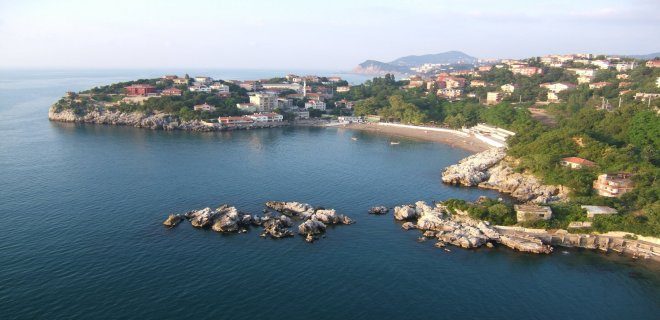
If you’re looking for a destination far from the shiny facade of mass tourism, look north to the Black Sea coast. Zonguldak is not just a dot on the map; It is a place whose name tells a story of mud, swamps and rapid industrialization. In ancient times, this rugged coast was called Sandrake. Sounds exotic, right? But the name that stuck was born from the landscape itself. When Turkish settlers moved to the area, they called it Zongalık – a word that describes the area’s characteristic swampy, reed-covered wetlands. Over time, the name changed and evolved into the Zonguldak we know today.
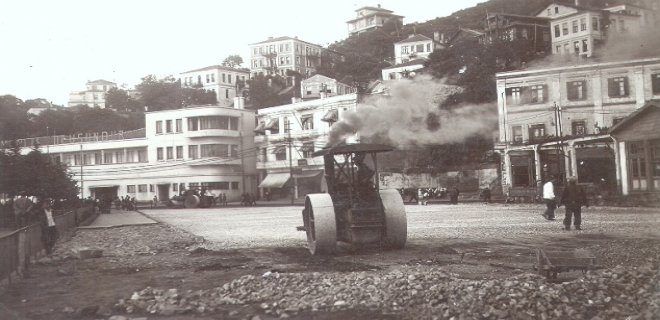
The change in the city is definitely significant. It started as a humble, sleepy town. Then came coal. The discovery of huge coal deposits turned a small settlement into an economic engine almost overnight. Zonguldak became one of the fastest growing cities during the Republican era. This was not organic growth. It was an explosive industrial expansion that changed geography and people.
The industrial soul of the Black Sea
You cannot visit Zonguldak and ignore its industrial heart. The coal mines are the reason the city exists in its current form. For the traveller, this means a raw and honest landscape that is quite different from the olive green hills of southern Turkey. Here the air carries the scent of the sea mixed with the faint, metallic smell of industry. It is not attractive in the traditional sense. It’s powerful.
This history makes Zonguldak a unique stop for travelers interested in the intersection of nature and human industry. Rapid development in the 20th century left an architectural and infrastructural legacy that reflects a time when speed and production reigned supreme. Today, the city continues to develop, but its core is still tied to the natural resources mined from beneath its soil.
Plan your visit to Zonguldak
For those planning a trip to the Black Sea region, Zonguldak offers a different pace. It is not a resort town like Antalya. It’s a working city with a coastline that demands attention. The best time to visit is late spring or early fall, when the weather is cool enough to explore the rugged cliffs and warm enough to sit by the water. The summer months can be humid and the winter brings the region’s typical heavy rains.
What is really worth seeing? The coast itself. Rocky shores, forests reaching into the water and historic harbor areas. Due to the rapid growth of the city, you will find a mix of old wooden houses and more modern buildings. It is a place of contrasts. You can walk along the beach, watch cargo ships being loaded and breathe in the salty air. It’s a sensory experience that feels real.
Why go? Because most of the travelers stick to the well-trodden path. Zonguldak offers a chance to see Turkey beyond postcard images. It is a place where history is written in coal dust and sea spray. The city continues to grow and change. And that’s why it’s a must-see for curious travelers who want to see the engine room of the area.
The journey north is long. The roads wind through dense forests
The Ottoman Empire remains in the DNA of the Zonguldak culture
Zonguldak is more than just a coal town on the Black Sea coast. It’s a palimpsest. For centuries, different levels of civilization have rubbed against each other here. Empires came. They stayed. They left. As a result, local identity has become distinctly Turkish, but the path there has never been straight.
When the Ottoman forces finally occupied the area, more than just a change in the color of the flag happened. It’s about people moving. Turkmen tribes settled in valleys and coastal areas. They didn’t just occupy the land. They reinvented it. Within a relatively short historical blink, the population trend has changed. The area became Turkified.
This change is not only linguistic. This is behavioral. Social norms have changed. Habits have changed. The everyday rhythm of Zonguldak begins to beat to the drum of Turkish customs and traditions. What does this look like for today’s travelers?
More Than Just Coal and Sea
你可能会认为,在一个拥有如此厚重工业历史的地方,文化将退居次要地位,而劳动力则要退居二线。 你错了。 在这里扎根的土耳其习俗 与粗犷的黑海特色融为一体。 这是一种特殊的待客之道。 共享空间的特定方式。
对于独立旅行者来说,这意味着:
– 食物不仅仅是燃料。 经典土耳其菜肴的当地风味深受靠近大海和山区的影响。 食材很新鲜。 准备工作是传统的。
– 社交仪式很重要。 问候时间更长。 关于家庭的问题是真实的。 不要催促他们。 在土耳其的许多地方,尤其是黑海地区,拒绝招待可以被视为一种轻慢。 接受它。 这是定义该地区社会结构的土耳其习俗 的一部分。
– 建筑讲述故事。 虽然煤矿消失或寂静无声,但市中心古老的木屋仍然保留着商人家庭统治港口时代的美感。 寻找华丽的木制品。 寻找对称性。 这是奥斯曼帝国在这里巩固的影响的视觉记录。
Why this history matters to your trip
Understanding the Turkish customs of Zonguldak will not only help you navigate the streets. It helps you understand the pace. The Black Sea region is known for its reserved compared to the Aegean and Mediterranean coasts. It’s cooler, both literally and figuratively. But when you break through the initial reserve, the warmth is intense.
Visitors often ask how to experience the best of local life outside of museum exhibits. The answer lies in everyday life. Eat at a local lokantas. Sit in your çay bahçesi (tea garden) and watch the mist rise from the mountains. Listen to the music. The music of Karadeniz has a unique, melancholic rhythm that reflects the region’s history of immigration and settlement.
It’s not a place that shouts its history. It whispers it in the dialect, food and how people treat guests. If you are looking for a Turkey that is closer to real life than a tourist package, Zonguldak is the place for you. Don’t expect a breezy Antalya beach bar vibe. This is a place of coal dust, sea fog and centuries.

What to wear in the historical center of Zonguldak
Forget the usual travel suit. Walking through the historic streets of Devrek and the UNESCO World Heritage-listed Safranbolu, you may feel like you are stepping into the set of a historical drama. Traditional costumes are not museum exhibits. It is a living part of everyday life.
Women in these areas still combine şalvar (loose trousers) with çarşaf (long coat). On their feet they wear tacunya (wooden shoes) or low-heeled shoes. It is practical, humble and deeply rooted in local customs.
Men are different too. You can often see locals wearing the so-called *seymen style. The outfit is unique and spectacular. A mintan (short coat or vest) is worn over the yelek (vest) and paired with fluffy and flashy shoes. It is an expression worthy of respect and shows local identity.
Folk dance rhythm
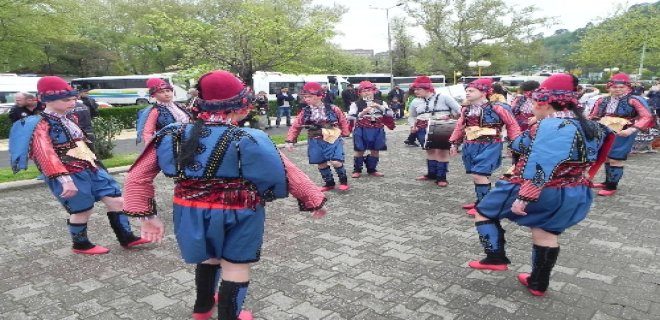
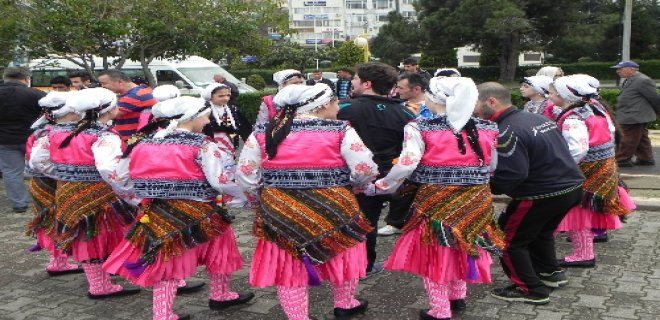
The cultural pulse of Zonguldak is loud and clear in folk music and dance. This is not ambient noise for visitors. It’s the soundtrack to community gatherings, weddings and special holidays.
Several traditional dances define the social fabric of the region.
* Köçek : A male solo dance known for its grandeur and power.
* Efe : A dance that embodies courage and heroism.
* **seymen: A crude masculine dance usually performed by a group.
At weddings and local festivals, the energy shifts towards more interactive formats. You will hear Zeybek dances such as Köroğlu, Sepetçioğlu-Çardak, Açkapı, Beylere and others. These are powerful, grounded movements that tell stories of rebellion and glory.
Then there are lighter, shared games.
* Amani : A popular rhythmic dance with frequent call and response.
* Kaşık Oyunu : “Spoon dance” where wooden spoons are struck with a complex rhythm.
* Çıtırdağ and Gençosman : A traditional group dance that unites the entire village.
There is a difference between what you witness and what you read. The music is alive. Movement is spontaneous. The connection between the dancer and the audience is immediate.
これがあなたの旅行にとって重要な理由
ゾングルダクを訪れる人のほとんどは、石炭や黒海沿岸の歴史について学ぶために来ます。 彼らは人間の次元を見逃しています。 伝統的な衣装とダンスは午後2時に予定されていません。 それらはコミュニティがしっかりと根付いていることの表れです。
地元のお祭りの期間中にデブレクやクロッカス シティを訪れると、カシュク オユヌ に招待されるかもしれません。 苦手かも知れません。 足をつまずいてしまう可能性があります。 しかし、それがポイントなのです。 あなたは番組を見ているわけではありません。 あなたは何世紀にもわたって続いてきた伝統に参加しているのです。
街中で見かけるシーマン の服は、見せるためのものではありません。 店主も教師もおじいちゃんもみんなそれを着ていました。 これは正常です。 これは本当です。
地元の居酒屋で音楽が流れるとき
The weight of coal in the Zonguldak economy
Zonguldak’s economy does not pretend to be anything but what it is. A lot depends on the industry. And when you say industry in Zonguldak, everyone immediately thinks of one thing.
The mines.
The area has the country’s richest coal resources. It’s not just a geological footnote; It’s an engine that has powered the city for over a century. The coal here is of high quality, deep and abundant. Over generations, this abundance built the city. It built the houses. It fed families.
But mining is dangerous. Incredibly dangerous. The risks really never go away. No amount of technology or regulation can completely eliminate the threat. Accidents happen. Sometimes in Zonguldak. Sometimes somewhere else. There were many tragedies that left scars on the community and national consciousness.
The memory of these disasters remains. You can feel it in the way people talk about mines. It’s not just about the economy anymore. It’s about loss. It’s about the cost of the energy that powers the rest of the country.
So when you walk through Zonguldak, look past the industrial skyline. See the human side of the story. Miners still go down, families wait at the top, history is etched in the rock of the place. It’s a stark reminder that behind every resource is risk. And behind every risk there is a story worth knowing.
Is it worth visiting just for industrial reasons? Maybe not. But understanding it changes the way you see the landscape. Chimneys are not just pollution. They are monuments to survival. To resilience. At the price of progress.
This tension can be found in every corner. In quiet streets. In heavy air. In the faces of those who still work underground. It’s not a pretty picture. But it’s true. And when you travel, reality often stays in your memory longer than postcard views.
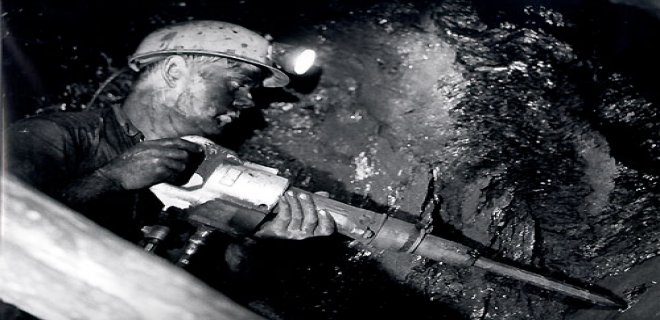
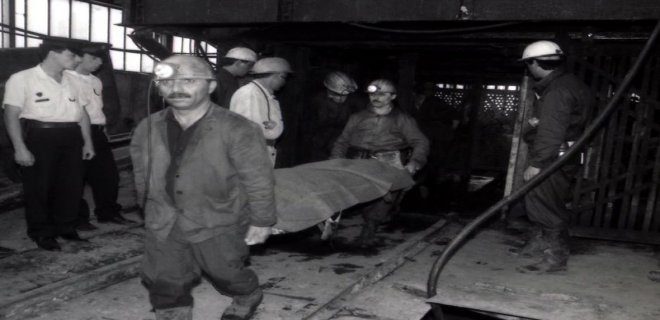
The air in the Kozlu mine didn’t just darken; it exploded. In 1992, a gas explosion occurred in the tunnels, turning a routine shift into one of Turkey’s most devastating industrial tragedies. The number is hard to keep track of: 263 miners died in this explosion. It wasn’t just statistics in the report. They were fathers, sons, brothers and neighbors from the Black Sea region who went to work and never came back.
The Weight of Gas in the Deep
Grizu – the miners’ name for the methane-air mixture that lurks in coal seams – is invisible until it’s too late. It waits patiently and quietly in the rock until a spark ignites it. This spark has left its mark on Kozlu. The resulting explosion didn’t just kill; it erased. Hundreds of families were left with empty chairs at the dining table and in the silence where they used to laugh.
Located in Zonguldak’s Kozlu district, the mine was the center of the region’s economic life. Coal drove Turkey’s industry, and miners drove coal. When disaster struck, it was not just a local tragedy; it was a national break. The scale of the loss – 263 souls in one afternoon – shocked the nation’s conscience. It raised questions about safety, profit and the human cost of energy.
Annual commemorations: Don’t forget the dead
Today, the Kozlu mine serves as a memorial, but the real memorial is the annual gathering. Every year on the anniversary of the explosion, families return to the site. They don’t just stand there and stare. They bring flowers. They read the names. They light candles. It is a memorial ritual, a way of saying: We remember you. You will not be forgotten.
This day is sacred to the families of the victims. It’s the only time they can feel really close to the people they’ve lost. Grief does not diminish with the passing of years; it settles. It becomes part of the landscape. The mountains of Zonguldak bear witness to their sorrow. The winds carry their whispers.
Why this disaster matters now
You might think this is history. Old news. Buried under more recent tragedies and headlines. But that’s not it. The Kozlu disaster is a stark reminder of what happens when safety is compromised for speed or profit. It’s a lesson in the fragility of life in dangerous workplaces.
The miners who died in 1992 are still fighting for justice. Their families continue to advocate for better safety standards, accountability and recognition. Their story is a call to action, not just a memory. It is an invitation to remember that behind every coal seam, every mine and industrial area there are people. Lives. Families.
Visiting the Site: A Dark Journey
If you are planning a trip to Zonguldak, visiting the Kozlu mine is a profound experience. It is not a tourist attraction in the traditional sense. There are no souvenir shops, no guided tours with cheerful commentary. It is a place of reflection. A place where you can stand in silence and let the weight of history sink in.
The best time to visit is on the anniversary
Navigation on the final route
You are here. The itinerary is almost ready. The initial shock of the new time zone has faded and been replaced by the pleasant hum of routine. But this is where most travelers stumble. They slow down too much. They see the last days as a waiting room before the flight home. Don’t do it. Now is the time to dig deeper. The city only reveals its true form when you stop rushing to the next highlight.
Look at the map again. Really look at it. See those little parks between the apartment buildings? Cafes that aren’t on the high street? That’s where the rhythm lives. Spend an afternoon there. Sit. Observe people. See how the locals order their coffee, how they argue, how they laugh. It’s not tourism. It’s an observation. And it’s much more valuable than another selfie of a landmark that you’ve already taken from three different angles.
Departure logistics
Packing is a mental exercise. If you wait until the night before your flight, you’re already stressed. Do it in pieces. Sort electronics first. Chargers, adapters, power banks. Check electrical outlets. Are they different? You need a plug. Not just any plug. The right plug. It’s hard to buy one on arrival. Buying it at the airport is a scam. Buy it online. Keep it in your hand luggage.
Next, the clothes. Lay them out. Take out half. You’re taking too much. You can wash things. Or buy a cheap replacement. The goal is mobility. Heavy bags are anchors. Light bags are wings. Check weight restrictions. Airlines are strict. They don’t care about your story. They care about the scale. If you are at the border, go to the laundromat or use the self-service laundromat near the hotel. It’s cheaper than the overweight fee. And clean socks feel good.
Then the documents. Passport. Visa. Insurance. Copies. Digital copies. Save them to the cloud. Email them to yourself. Print them out. Put one in your bag. Put one in your pocket. To make sure. Is it paranoid? Perhaps. But losing your passport is a nightmare you don’t want to experience.
Last minute experiences
There is always something to see. The museum you skipped because of the line. The market you heard about from your friend. Go now. The crowds have thinned. The light is better in the late afternoon. The golden moment isn’t just for photographers. It is intended for everyone who wants to see the city at its best. Literally.
Find a local guide. No application. Hard copy. Or ask someone. A shopkeeper. Taxi driver. Ask what they would do if they were visiting for the first time. They will tell you something unexpected. A hidden bar. A quiet street. A place to eat without tourists. Follow them. This is how you find the soul of a place.
And don’t forget to buy something. Not a souvenir. Something useful. Something that smells like the place. Or it tastes like it. Spice mix. A bottle of wine. Ceramic cup. It’s a memory you can take home with you. Or share. Or just keep it. It’s tangible proof that you were there.
Return flight
The return flight is strange.


