Ostrava sits in the industrial heart of the Czech Republic. It is the country’s third-largest city, trailing only Prague and Brno. The population hovers around 295,000 people. If you are looking for the next great European destination that hasn’t been overrun by mass tourism yet, this is it. The city was founded in 1267. It transformed over the 19th and 20th centuries into a quintessential industrial hub. Today, it blends that gritty history with modern education, architecture, and tourism.
The city boasts the second-largest artistic population in Europe. You will hear Czech as the primary language. The currency is the Czech Koruna. Despite its industrial past, Ostrava is surprisingly green. It holds natural beauty and significant historical sites. Thousands of tourists visit every year. They come for the museums, the history, and the food.
Why Visit Ostrava Now?
Most travelers head to Prague. They see the castle and the bridge. Then they leave. Ostrava offers a different perspective. It shows the other side of Czech history. The city is not just about coal and steel. It is about reinvention. The air is cleaner than it used to be. The downtown area features restored historic buildings. You can walk from industrial ruins to modern parks in minutes.
Where to Start: The Ostrava Museum
The Ostrava Museum is a must-see for anyone exploring the city. It opened its doors in 1872. It stands as one of the oldest cultural institutions in the region. The founder was Karel Jaromir Bukovansky, a respected teacher of his time. He wanted to share knowledge with the public. Today, the museum houses a vast collection of social and scientific objects.
You will find displays of glass, furniture, and ceramics. There are also exhibits on the technological tools of the era. A dedicated section features photographs and a library. It is a deep dive into the local heritage. The atmosphere is quiet and academic.
Museum Hours and Access
Getting to the museum is easy. Public transport connects the main squares to the cultural district. However, you need to watch the clock. The hours change depending on the day.
- Weekdays: Open from 09:00 to 17:00.
- Saturdays: Open from 09:00 to 13:00.
- Sundays: Open from 13:00 to 17:00.
Do not show up at 5:50 PM on a Tuesday. You will be locked out. Plan your afternoon around these windows.
Beyond the Museum
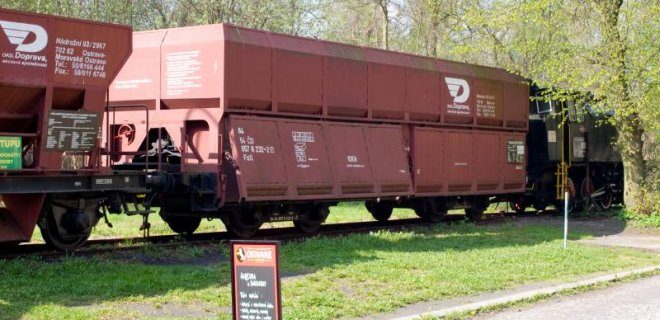
The museum is just the beginning. Ostrava has other layers to peel back. You can explore the industrial heritage sites. The Landek Park is a notable example. It preserves part of a historic coal mine. You can take a guided tour underground. It is a stark contrast to the museum’s indoor exhibits.
Food is another major draw. You will find traditional Czech cuisine in the old town. Look for goulash and dumplings. The prices are lower than in Prague. Your money goes further here. Hotels are abundant and affordable. You can book a central room for a fraction of the cost of capital cities.
How

Landek Park: Ostrava’nın Madenci Geçmişini Keşfetmek
Ostrava’ya gidiyorsanız Landek Park’ı göz ardı etmeyin. Şehrin güneybatısında, Çek Cumhuriyeti’nin endüstriyel kalbinde yer alan bu müze, sadece bir sergi alanı değil. Aynı zamanda bir zaman makinesi.
1990 yılında kapılarını açan Landek Müzesi, 25.000 yıllık bir hikayeyi içinde barındırıyor. Burası eskiden insanların kömür madeni olarak kullandığı bir yerdi. Tarihi arkeolojik ve doğal kalıntılar, ziyaretçilerin geçmişe yolculuk yapmasına izin veriyor.
Ziyaret Detayları ve Lojistik
Landek Park Müzesi’ne gitmek için doğru zamanı seçmek önemli. Yılın her mevsiminde açık olan müze, pazartesi günleri hariç her gün ziyaretçileri ağırlıyor.
- Açılış Saatleri: 10.00 – 16.00
- Kapanış: Pazartesi günleri müze kapalıdır.
- Konum: Ostrava’nın güneybatısında, Landek köyü yakınlarında.
Eğer Ostrava tarihi hakkında bilgi edinmek istiyorsanız, Landek Park tam adresiniz. Sadece o zamanın izlerini değil, aynı zamanda doğal tarihî katmanları da görüyorsunuz.
“Landek Park, 25.000 yıl önceki insan yaşamının izlerini taşıyan nadir müzelerden biridir.”
Müze, özellikle madenci kültürüne ilgi duyanlar için vazgeçilmez bir durak. Kömür madenlerinin nasıl işlendiğine dair ipuçları, sergilenen kalıntılar arasında saklı. Bu detaylar, Ostrava’nın sanayi geçmişini anlamak için kritik önem taşıyor.
Ziyaretiniz sırasında dikkat etmeniz gereken tek şey, pazartesi günleri gitmemek. Aksi halde kapalı bulabilirsiniz. Saat 10.00’de açılıyor, 16.00’da kapanıyor. Bu süreyi iyi planlayın.
Ostrava’nın modern yüzünü gördükten sonra, Landek’e uğrayıp geçmişe bir bakın. Farklı bir boyut ekler.
Why the Michal Mine in Ostrava Is the Dark Heart of Czech Tourism
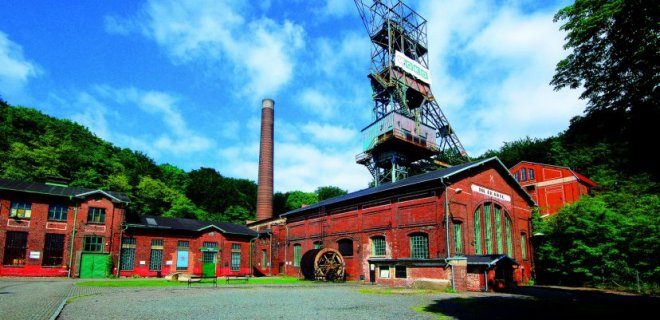
The air down here is different. Thick, heavy with the memory of coal dust and sweat. It isn’t just a museum; it is a preserved slice of industrial history that refuses to let you look away.
Michal Mine is one of Ostrava’s most compelling stops. It wasn’t always a place for tourists. For decades, it was a working coal mine. Then the industry shifted. The lights went out for extraction but came back on for preservation. In 1995, it earned the title of National Cultural Monument. That isn’t just a plaque on a wall. It is an acknowledgment that this place matters.
You walk into a world that stopped time. The changing rooms are still there. The tools hang on hooks, rusted but intact. It feels less like a curated exhibit and more like a sudden interruption. Workers left. The mine stayed.
Is Michal Mine Worth the Visit for Budget Travelers?
Let’s talk logistics. You need to know how much this costs and when to go. Because Ostrava is off the main tourist trail, prices here reflect that. They are reasonable.
- Adult tickets are 80 CZK.
- Students pay 50 CZK.
- Children enter for free.
That is cheap for access to a National Cultural Monument. Most city museums in Europe charge double for half the experience. Michal offers the real thing. Deep underground.
Timing is everything. The mine opens its doors at 09.00 every day. But the closing time changes with the seasons. In summer, you have until 17.00. Give yourself an hour. Maybe two if you read the plaques. In winter, the lights go out earlier. 15.00 is the hard stop. Do not miss this. The darkness below feels longer in the cold months.
What You Will See Underground
The exhibits aren’t shiny. They are gritty. You see the personal effects of miners. Boots. Helmets. Letters home. These artifacts ground the history in human reality. It isn’t just about coal extraction. It is about the people who did the work.
The operational areas are preserved. You can see how the machinery functioned. How the ventilation worked. How they kept people alive in a place designed to suffocate them. It is a stark reminder of the cost of energy.
“Michal Mine is not just a place to see old machines. It is a place to feel the weight of history.”
How to Plan Your Stop in Ostrava
Ostrava is the industrial backbone of the Czech Republic. It has a raw, honest charm that Prague lacks. Don’t treat it as a stopover. Treat it as a destination.
Start with Michal Mine. Get the dirt under your fingernails, metaphorically speaking. Then head up to the surface. The city above has transformed. Green spaces now cover old slag heaps. The architecture mixes brutalist remnants with modern redevelopment.
If you are looking for the best time to visit, aim for late spring or early autumn. You avoid the winter chill at 15.00 closing but also the summer crowds. The mine stays cool year-round. That is a bonus.
Why This Specific Mine Stands Out
There
Why Ostrava’s Modern Art Gallery Deserves a Spot on Your Itinerary
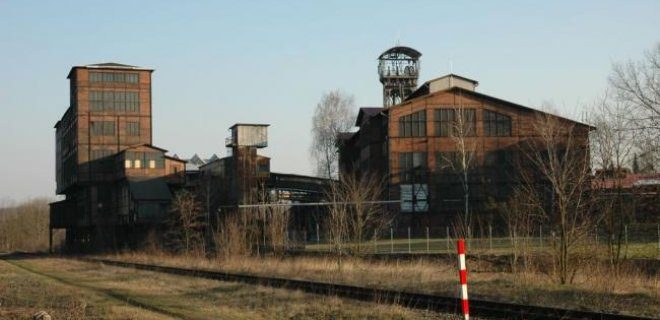
You might expect a former industrial hub to focus heavily on steel and smokestacks. Ostrava does that too. But it also has a serious appetite for fine arts. The Ostrava Modern Sanat Galerisi is the city’s cultural anchor. It sits right in the center. And it is free.
That last part matters.
Entry costs zero korunas. You walk in. You look around. You leave richer in culture but lighter in wallet. The gallery opened its doors in 1952. It has been collecting since then. Over 20,000 pieces sit within its walls. That is not a small collection. It is a massive archive of human creativity.
What You Will Actually See There
Most visitors think “modern art” means abstract blobs. Not here. The collection spans the 18th and 19th centuries. You will see real brushstrokes. Real history. The museum highlights works by key figures like Jiranek and A. Prochazka. E. Filla’s name will stand out if you know your Czech avant-garde. E. Ovacek and V. Spala are also represented. These are not random names. They are pillars of the region’s artistic identity.
The scope extends beyond local talent. There are significant holdings of Italian, French, and German works. This gives the space a European breadth. It connects Ostrava to the wider art world. You are not just seeing local history. You are seeing a cross-section of continental Europe.
Practical Details for Your Schedule
Plan your visit between Tuesday and Sunday. The gallery opens at 10:00. It closes at 18:00. Monday is the only day it is shuttered. This is a common pattern in Europe. Monday is for rest. Or for cleaning.
Getting there is straightforward. It is one of the best places to visit in Ostrava. If you are walking from the main square, it is a short stroll. If you are driving, parking can be tricky in the center. Use the public transit. Buses and trams drop you off nearby.
Is It Worth the Detour?
Yes. Absolutely.
In a city known for its gritty industrial past, this gallery offers a soft counterpoint. It provides quiet. It provides perspective. It proves that Ostrava is more than just a post-industrial landscape. It is a living, breathing cultural center.
Do not skip it because it is free. Sometimes the things we expect to cost money are the ones we appreciate most. Go in with an open mind. Look at Filla. Look at the 19th-century landscapes. See how the collection bridges the gap between old masters and modern sensibilities.
The lights are bright. The halls are empty. The art is waiting.

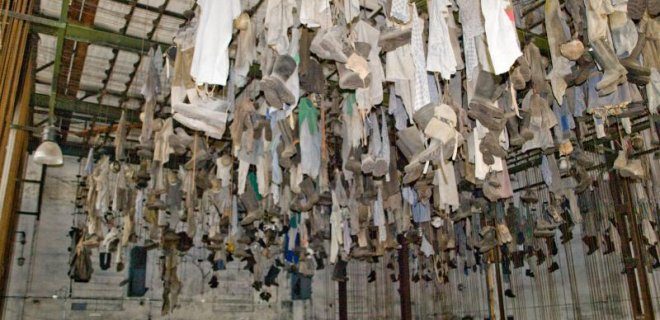
The Ostrava Cathedral’s Gothic Heaviness
The Divine Saviour Cathedral in Ostrava doesn’t just sit in the city—it looms. Built in 1889, this massive Gothic Revival structure dominates the skyline with a dome reaching roughly 67 meters high. It is widely considered one of the largest cathedrals in the region, a fact that becomes immediately apparent when you stand in its shadow.
The building’s exterior is stark, impressive, and slightly intimidating. It was originally consecrated as a basilica, a title that stuck for decades. That changed only when Pope John Paul II decreed its elevation to cathedral status. The shift wasn’t just semantic. It marked a deeper institutional recognition of the site’s importance within the diocese.
Location is everything here. The cathedral sits squarely in Ostrava’s historic center, near the main square. This central placement makes it the most visited landmark in the city. You cannot miss it. You cannot walk past it without stopping.
“The shift from basilica to cathedral marked a deeper institutional recognition of the site’s importance within the diocese.”
Access is remarkably easy. There is no ticket window. No guided tour fee. Entrance is free. This policy invites casual visitors, students, and weary travelers alike to step inside without hesitation.
The interior mirrors the grandeur of the exterior. High vaulted ceilings. Intricate stonework. A sense of quiet that contrasts sharply with the bustling streets just outside the doors.
Why does this matter to your itinerary? Because Ostrava is often overlooked as a stopover. Travelers pass through on their way to Prague or Budapest. They miss the depth of the city. The cathedral is the anchor. It tells the story of Ostrava’s industrial past and its spiritual resilience in a single structure.
Timing your visit matters less than simply going. It is open during daylight hours. It is open every day. There is no rush. You can linger by the main altar or walk the perimeter of the nave.
The cost is zero. The impact is significant.
If you are planning a trip to the Moravian-Silesian Region, this is a non-negotiable stop. It grounds you. It provides context. It offers a moment of silence in a city that is loud, proud, and constantly rebuilding itself.
Don’t treat it as a checkbox. Treat it as a destination.
The streets around it are worth exploring too. Cafes. Historic buildings. The rhythm of daily life. But the cathedral remains the focal point.
67 meters of stone and faith.
That is Ostrava’s centerpiece.
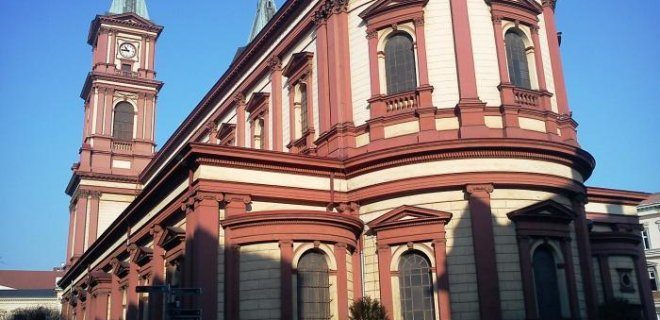
The Silesian Ostrava Castle Experience
Ostrava’s skyline is dominated by a structure that has survived centuries of upheaval. Silesian Ostrava Castle isn’t just a pretty face. It has a gritty history. Built in the 13th century, its original purpose was purely defensive. It stood as a shield against potential invasions from Poland. That strategic role defined its early existence.
The castle looks sturdy now, but it nearly didn’t make it. A devastating fire in 1872 tore through the site. It caused serious damage to the structure. Yet, the site endured. Restoration efforts were swift. In 1535, repairs were already underway long before the great fire, showing early recognition of its value.
Why does this matter to you today? Because it is one of Ostrava’s most significant landmarks. You cannot visit the city and skip this spot. The architecture tells the story of Silesia’s turbulent past.
Practical details matter. Don’t show up expecting to wander in whenever you want. The castle has strict hours. It is open every day except Mondays.
Visit between 10:00 AM and 6:00 PM. That gives you five hours to explore the grounds and the interior. It is a manageable timeframe. Not too rushed. Not too long.
The castle sits high above the city. You can see Ostrava from the ramparts. It offers a different perspective on the modern industrial landscape below. The contrast is striking. Old stone against new steel.
Is it worth the climb? Yes. The views are genuine. The history is tangible. You can feel the weight of the years in the walls.
Plan your day around the schedule. Monday is the off day. If you are in Ostrava on a Monday, head elsewhere. Use the rest of the week to catch the castle at its best.
The site is well-maintained. Guides are available. They bring the 13th-century origins to life. You learn about the Polish threats that once loomed large. You learn about the fire that nearly destroyed it all.
It is a key part of understanding the region. Silesia has a complex identity. This castle reflects that. It is a physical anchor in a changing world.
Bring a camera. The lighting changes throughout the day. Morning light is soft. Afternoon shadows add drama. The stone textures show up clearly.
Don’t treat it as a quick photo stop. Spend time there. Walk the perimeter. Look at the architectural details. The restoration work from 1535 is visible in the masonry. The post-1872 repairs are also evident.
This is real history. Not a theme park. It is a preserved piece of Central Europe’s story. And it is easily accessible if you respect the hours.
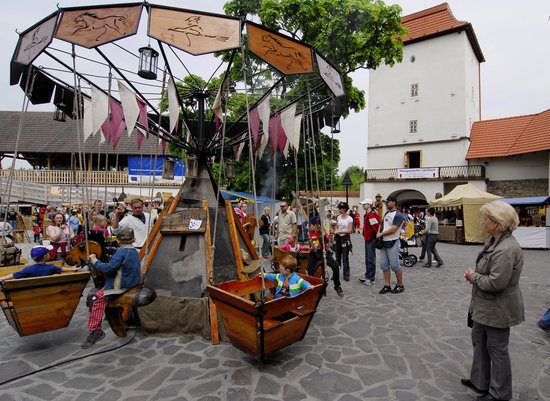

Firefighting History in Ostrava
The Fire Museum in Ostrava is far more than a collection of old hoses. It is a heavy, iron-and-steam monument to resilience. The building itself tells the first story. Founded in 1905, it survived the initial boom only to be burned down during the German attacks in 1919. You can still feel the weight of that history when you walk through the doors. After the destruction, firefighters repurposed the remaining structures into their own operational hub. That transition from active duty to public history gives the space a unique, gritty authenticity.
Inside, the layout is dense. There are seven distinct sections, each packed with artifacts that demand attention. You will see vintage fire engines that look more like tanks than cars. The equipment for wartime rescue sits alongside standard firefighting gear from the early 20th century. It is not a sterile exhibit. The smell of old leather and rusted metal lingers in the air.
Logistically, this place is straightforward. If you are planning a visit, the museum is open every weekday from 10:00 to 17:00. Weekends are closed, so plan your Tuesday or Thursday accordingly. The cost is incredibly low for what you get. Entry is just 60 CZK. Children under a certain age enter for free, which makes it an easy add-on to any Ostrava itinerary.
Why do you need to go? Because most museums show you how things looked. This one shows you how things functioned under pressure. Seeing the actual tools used to pull people from burning buildings creates a connection that plaques and photos cannot.
“The museum isn’t just about saving lives; it’s about surviving them.”
Go during the week. Avoid the weekend closure. Spend 60 CZK and stand in front of a fire engine that has seen real war. The details are in the soot stains on the wheels and the faded paint on the ladders. That is where the real story lives.
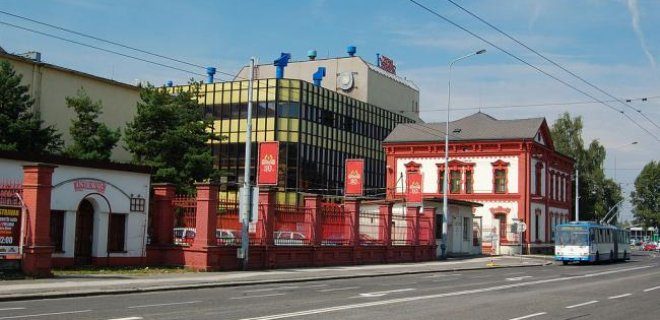
Ostrava Bira Fabrikası
The Ostrava Bira Fabrikası (Ostrava Beer Factory) didn’t just start brewing; it launched a legacy. Production kicked off in 1898, but the entity itself, Moravka Ostrava, was founded slightly earlier in 1897. It wasn’t long before this factory was making noise on the global stage. By 1940, a merger with the German Brewery kept operations running through some turbulent decades. The ownership changed hands again in 2000, when Interbrew Central European Holding took over. Today, they are known for high-quality brews and a structured approach to tourism. You can join a guided tour, or you can just show up and see for yourself.
Why Visit the Ostrava Beer Factory?
If you’re planning an itinerary in the Czech Republic, skipping this stop is a mistake. This isn’t just about drinking; it’s about the industrial history that shaped the city. The Ostrava Bira Fabrikası offers a glimpse into how beer became an economic engine for the region. The tours provide context that a simple pub crawl never will. You learn about the brewing process, the machinery, and the historical shifts that defined the brand.
The factory has adapted to modern tourism without losing its industrial soul. While Interbrew brought corporate efficiency, the experience remains rooted in the city’s heritage. For travelers looking for things to do in Ostrava, this is a top-tier option. It’s practical, educational, and tastes good at the end.
How to Plan Your Visit
Logistics matter. The Ostrava Bira Fabrikası welcomes individual visitors, so you don’t need to be part of a group to walk through. However, booking a tour in advance is smarter. It guarantees a slot and often includes a tasting session, which is where the real value lies. You’re paying for the access to the brewing areas and the samples of their signature beers.
Timing is everything. Beer production is continuous, but tours run on specific schedules. Check the current hours before you head out. The factory is located in the heart of Ostrava, making it easy to combine with a visit to the city center or the nearby museum districts.
What to Expect on the Tour
The experience is direct. You’ll see the tanks, the fermentation vats, and the bottling lines. It’s not overly romanticized. It’s industrial. The guides explain the differences between their various brands. You get to taste the fresh product, straight from the source. The quality is noticeable. It’s cleaner, crisper than many mass-produced alternatives.
For those asking what is the best time to visit, weekdays are less crowded. But weekends offer a livelier atmosphere if you don’t mind the crowds. The key is to prioritize the tasting portion. That’s what makes the trip worthwhile. Skip the souvenir shop if you’re tight on budget. Buy the beer directly.
Is It Worth the Stop?
Yes. But only if you appreciate context. A random pint at a bar is fine. A pint with the story of its origin, brewed in a factory that has survived wars and corporate buyouts for over a century, is better. The **Ostrava B
Where to Stay in Ostrava: The Mercure Ostrava Center
You can’t talk about Czech Republic tourism without mentioning the heavy hitters like Prague or Český Krumlov. But Ostrava, the country’s third-largest city, has been quietly building its own reputation. It’s not just an industrial relic anymore. It’s becoming a real destination for travelers who want to look beyond the usual tourist traps. If you’re planning a trip there, picking the right hotel is the first step.
I’ve looked at the options. Here is where you should actually book your stay if you want quality without the price tag of a five-star resort.
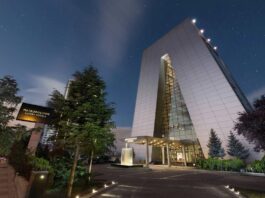
Mercure Ostrava Center
This spot sits right in the center of the action. It’s one of those hotels that manages to be both high-quality and surprisingly affordable. That’s a rare combination in Central Europe right now.
The place has style. The decor isn’t generic chain-hotel beige; it’s got some character. And the staff? Friendly. Helpful. The kind of reception team that actually wants to help you figure out the train schedule or find a good local beer.
Here is what you actually get when you book here:
- Free parking. This matters. Ostrava is big. You will likely need a car to get to the surrounding areas.
- Free Wi-Fi. Standard, but reliable.
- Pet-friendly. Bring the dog. It’s allowed.
- On-site restaurant. The food is good. Not gourmet, but solid.
- Bar lounge. Good for evening drinks after a day of walking.
- Fitness center. For the people who can’t stop working out even on vacation.
- Laundry service. Essential for long trips.
“Mercure Ostrava Center offers a blend of comfort and convenience that works for both business travelers and tourists.”
It’s not flashy. It doesn’t have a spa or a rooftop infinity pool. But it has everything you need. The location makes it easy to explore the city center. You can walk to the main squares, the museums, and the historic districts.
If you are looking for Ostrava hotel recommendations, this is a strong contender. It’s practical. It’s clean. It’s in a good spot. And the price is fair.
You don’t need to overthink accommodation in Ostrava. Just pick a place that’s central and well-reviewed. Mercure fits that bill.
Now, where to eat nearby is the next question. But that’s a different list.
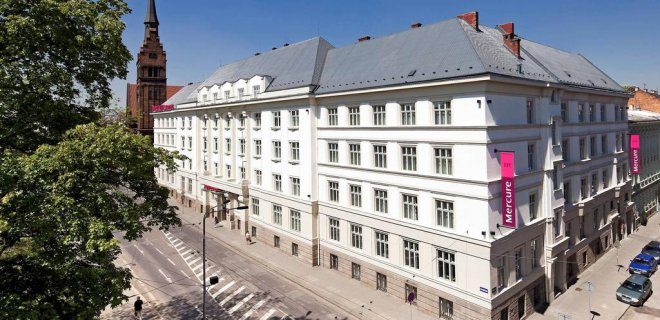
Çekya’nın sanayi kenti Ostrava’daki konaklama seçenekleri genelde biraz soğuk ve işlevsel kalır. Eğer sıradan bir zincir otelden sıkıldıysanız ve kendinizi bir film setinde hissetmek istiyorsanız, Zamek Zabreh farklı bir atmosfer sunuyor. Adres: Ceskobratrska 18/1742, 702 00 Ostrava, Çekya.
16. Yüzyılın Ruhunu Yakalamak
Bu otel, sadece bir konaklama yeri değil, canlı bir müze gib. 16. yüzyılın başlarından kalma Rönesans Kalesi içinde yer alıyor. Odalar, standart otel takımlarıyla doldurulmamış. Tam tersine, sahibinin antika müzayelerinden titizlikle seçtiği eşyalarla döşenmiş. Her köşe, her mobilya bir hikaye anlatıyor. Bu detay, sadece “güzel görünsün” diye eklenmemiş; mekânın karakteriyle bütünleşmiş.
Fiyat Performansı ve Hizmetler
Günde 60€ ’lik bir bütçe, Ostrava gibi bir şehirde havalı bir deneyim sunmak için makul bir fiyat. Peki, bu paraya tam olarak ne alıyorsunuz?
- Spa ve Sağlık Merkezi: Yorgunluğunuzu atmak için ideal.
- Restoran: Sadece kahvaltı değil, gerçek lezzetler sunuyor.
- Oda Servisi: 24 saat kesintisiz hizmet.
- İnternet: Ücretsiz Wi-Fi ile bağlantı kopmuyor.
- Ulaşım: Ücretsiz otopark, kendi aracınızla geliyorsanız büyük avantaj.
- Bar: Akşamüstü için sakin bir durak.
Neden Zamek Zabreh?
Çoğu gezgin Ostrava’yı sadece transit bir durak olarak görür. Ancak burada kalırsanız, şehrin kalabalıktan uzak, tarihi dokusunu hisseden bir tarafını keşfedersiniz. Ziyaretçiler, sadece bir oda kiralamıyor; geçmişin içinde yaşama fırsatı buluyor.
Telefon: +420 595 606 600
Eğer Ostrava’daki tek amacınız hızlıca geçip gitmekse burası sizin için olmayabilir. Ama biraz daha yavaşlamak, duvarlardaki tarihi hissetmek istiyorsanız, Zamek Zabreh tam size göre.
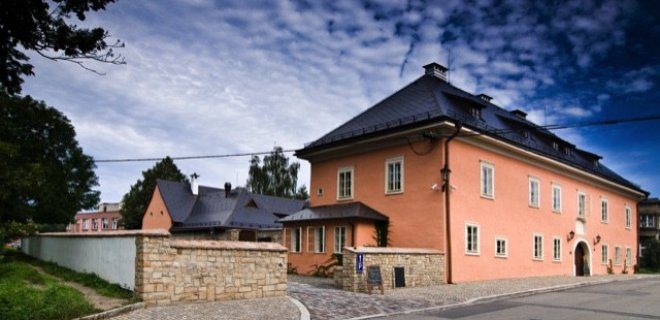
Where to stay in Ostrava: Clarion Congress Hotel
You need a base that doesn’t drain your wallet before you’ve even left the hotel. That is where Clarion Congress Hotel comes in. It sits in Ostrava, the country’s second-largest city and arguably its most industrial heartland. The address is U Zámku 42/1. The phone number is +420 777 808 299. The price tag is 55€.
This is not a boutique gem with exposed brick and artisanal coffee. It is functional. It is solid. And for a traveler watching their budget in Czechia, it delivers exactly what is promised.
Logistics and Location
The location is the selling point. The hotel is near Ostrava Arena. If you are planning to catch a concert or a hockey game, you are already close. But more importantly, it is positioned for easy access to the city center and the main train station.
You are not stuck in a dead zone. You can walk, or take a short tram ride, into the heart of the city. This matters. Ostrava is vast. Getting stuck in a suburb without transit options is a nightmare. Here, the connectivity is decent.
What You Get for 55€
The rooms are air-conditioned. In summer, this is non-negotiable. Central Europe can get surprisingly hot, and older buildings often lack proper ventilation. Having a button to kill the heat is worth the price alone.
Every room comes with a tea and coffee maker. It is a small thing. But it means you can grab hot water for instant noodles or a proper morning brew without hunting for a cafe at 7 AM.
The amenities list is standard for a mid-tier chain:
– Free Wi-Fi
– Fitness center
– Spa and health center
– Indoor swimming pool
– Bar
– Breakfast service
The pool and spa are the heavy hitters here. If you have a long flight into Katowice or Vienna and need to shake off the stiffness, this is your place. The indoor pool allows you to swim year-round, regardless of the Czech weather, which can be unpredictable.
Who is this for?
It is for the pragmatic traveler. If you want character, look elsewhere. If you want clean sheets, a hot shower, and a pool to relax in after a day of exploring the Silesia region, this works.
The breakfast is included. This saves money on the first meal of the day. Ostrava has good food, but starting with a reliable buffet means you have energy for the museums and the industrial heritage sites without worrying about where to eat next.
The Reality Check
It is not “beautiful.” It is not “quaint.” It is a business hotel that has pivoted to tourists because it has facilities. The spa is nice. The bed will likely be comfortable. The location keeps you close to action without being in the noise.
For 55€, you are paying for convenience and comfort. You are not paying for history. But in a city like Ostrava, which is rebuilding its image from heavy industry to culture and sports, convenience is a luxury in itself.
If you are moving on to Hradec Králové or Prague next, this stop acts as a solid reset point. You sleep
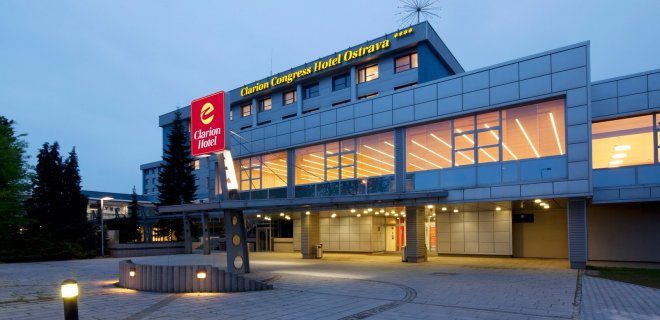
Hotel Max: Budget King Near the Station
Stop scrolling past the generic chain names. If you want value in Ostrava, look at Hotel Max. Located at Zkrácená 2703, it is not fancy. It is functional. And in a city where transit times matter, that is everything.
The address puts you in Ostrava-Jih. Not the prettiest zone on paper, but the logistics are flawless. You are 300 meters from Ostrava Train Station. That is a three-minute walk. If you are dragging luggage through cobblestones in the rain, count the steps. Three hundred. That is a win.
From the station, it is a ten-minute walk down Stodolni Street. This is the main artery. You will pass the bars. You will see the nightlife. You are close enough to hear the music if you want, but far enough to sleep with a window shut.
The price point is roughly 65€. In Prague, that gets you a closet with a view of a brick wall. In Ostrava, it gets you space. And amenities.
Check the list.
– Free parking. This is rare in European city centers where every square meter is monetized.
– Free Wi-Fi. It works. Most do.
– A breakfast service included. Not gourmet. Just hot and cheap.
– A bar on-site.
– A restaurant with “great flavors” according to the locals.
Is it the best hotel in Ostrava? The rankings say yes. Is it perfect? No. The walls are thin. The view is often of another building’s alley. But for the price, you are buying proximity to the transit hub and a bed that doesn’t require a mortgage.
If you are planning a trip to the Czech Republic and need a base that doesn’t drain your budget before you even leave the airport, this is the move. Just don’t expect marble floors. You get concrete, you get clean sheets, and you get the train station around the corner.
“Hotel Max is affordable and economical.”
That is the pitch. Take it or leave it. The station is right there.
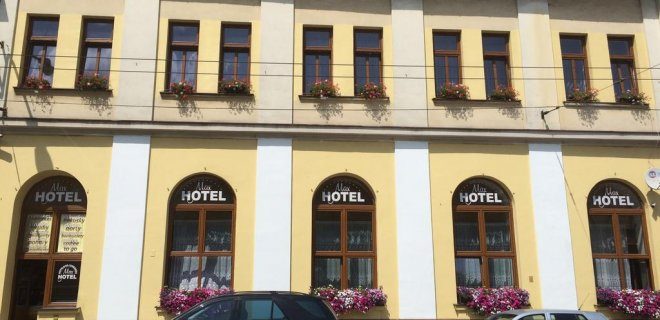
Where to eat in Ostrava: La Petite Conversation
The Czech food scene is serious business. You know this if you’ve ever stood in line for a trdelník in Prague or devoured a svíčková in Brno. Ostrava doesn’t get the same global spotlight, but it holds its own. We dug into the local dining landscape here. Not just for the sake of checking boxes, but to find spots that actually deliver.
One place stands out in the industrial heart of the city.
La Petite Conversation
Nádražní 839/186 puts you right near the train station. It’s convenient. It’s also where you go if you need food that doesn’t ignore dietary needs.
This spot is vegan-friendly. They don’t just slap a single salad on the menu and call it a day. They offer real vegan options. Breakfast. Lunch. Dinner. Brunch. Whatever time your body demands.
The staff moves fast. You won’t be sitting there staring at the ceiling tiles while your hunger turns into rage. That’s rare for a weekend brunch.
“You won’t be kept waiting. The service is sharp.”
It’s not just about speed, though. It’s about accessibility. Travelers often assume that going plant-based in Eastern Europe is a struggle. In Ostrava, it’s surprisingly easy if you know where to look. This is one of those places.
Why it matters for your itinerary
Most guidebooks will tell you to stick to the historic center. That’s fine. But Ostrava’s vibe is different. It’s grittier. Louder. The food reflects that.
La Petite Conversation fits into the modern side of the city. It’s clean. It’s efficient. And it respects the ingredient list.
If you’re planning a trip around late October or early November, remember that days get short. Early dinners are common. Or late breakfasts. This place handles both schedules without complaint.
The price point?
35€. That’s a solid baseline for a full meal here. Not cheap. Not extravagant. Just fair for the quality and location.
What to order when you’re there
You don’t need to overthink it.
- If you’re there for breakfast, the vegan options are substantial.
- For lunch, ask about the daily specials.
- Dinner is where they can get creative.
The key is that they don’t treat veganism as an afterthought. That’s the real win.
Other factors to consider
It’s near the station. That means it’s easy to hit before a train or after one. No need for a taxi. No need to navigate dark streets with heavy bags.
Is it the only good option in Ostrava? No. But it’s one of the most reliable ones for specific dietary needs. And in a city that’s still catching up to some Western European trends, reliability is a luxury.
You walk in. You sit down. You order. You eat. You leave.
Simple. Effective. Exactly what you want when you’re trying to see a city that doesn’t slow down for you.
The next time you’re in Moravia-Silesia, skip the generic chains. Find the places that adapt. Ostrava has them. La Petite Conversation is
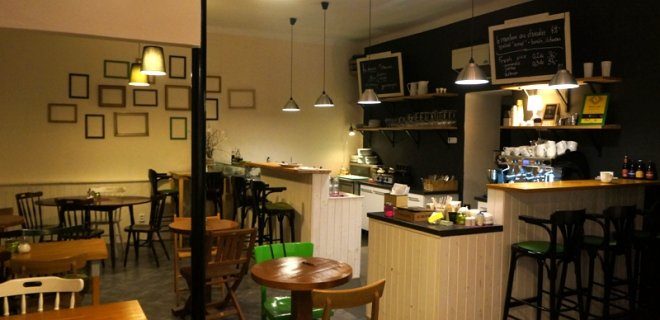
If you are hunting for the best desserts in Moravian-Ostrava, you need to stop scrolling and look for Ollies Dorty S.R.O. This isn’t just another generic café; it is a spot that genuinely knows how to work a menu. Located at Chelčického 8, 702 00 Moravská Ostrava a Přívoz, Czechia, this place has carved out a reputation as one of the top-tier hangouts in the city. Why? Because they balance atmosphere with actual substance.
The interior? It’s good. Not pretentious, not sterile. Just a solid, welcoming vibe that makes you want to stay for an hour or three. But let’s be real—you aren’t coming here just for the decor. You’re coming for the sweets. The dessert selection alone is enough to distract you from the rest of your day. Think rich, thoughtful, and clearly made by people who care about sugar as an art form.
And here is the kicker: they do soups.
Most dessert places ignore lunch. Ollies Dorty doesn’t. They offer a solid lineup of soups that hit the spot if you’re working off calories. The pricing is honest. You can walk in, order a hearty bowl and maybe a slice of something sweet, and not feel like you’re being charged for a luxury tax. It’s affordable. It’s filling. It’s the kind of meal you can recommend to friends without checking your bank account first.
Want to book a table or just ask about the daily soup special? You can reach them directly.
+420 602 390 948
“One of Ostrava’s best spots if you value flavor over frills and price over pretension.”
The Practical Details
When you go, keep these specifics in mind. The address is precise: Chelčického 8, 702 00 Moravská Ostrava a Přívoz. It’s in the Přívoz district, which has been undergoing its own revitalization, making a stop here a nice mix of old-town charm and modern cafe culture.
The food here leans toward comfort. The soups aren’t an afterthought; they are a main event for many locals. And the desserts? They are the hook. If you are planning an afternoon break during your Ostrava itinerary, this is where you park yourself.
Why It Works
It’s the combination. Many places are either too expensive for a casual bite or too cheap for quality ingredients. Ollies Dorty sits in that sweet spot. You get the ambiance of a place that tries, and the food to back it up. The staff seems relaxed. The menu is straightforward. You know what you are getting.
If you are wandering through Moravian-Ostrava and your stomach starts talking, listen to it. Head to Chelčického 8. Order the soup of the day. Save room for the dessert. It’s a simple strategy, but it rarely fails.
The phone number is there if you need it. The address is fixed. The taste is subjective, but the quality is consistent. Just show up.
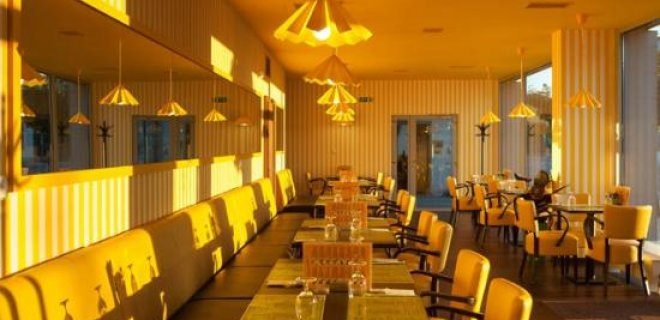
Rudná 3114/114, 700 30 Ostrava-jih-Zábřeh, Czech Republic
+420 603 424 268
Restaurace A Penzion Florian
Most hotel restaurants serve stale coffee and reheated pasta. This one is different. The staff here are known for actually remembering your name. The food? It tastes like home-cooked meals made by someone who cares.
You can eat every meal here. Breakfast. Lunch. Dinner.
“The red curry chicken is the standout dish.”
Visitors consistently rate the red curry chicken highly. It comes with rice. The sauce is rich. The chicken is tender.
If you visit, order it.
The decor isn’t fancy. It doesn’t try to be. But the menu competes with better-known places in Ostrava.
Book a table. Try the curry. Come back for dessert.
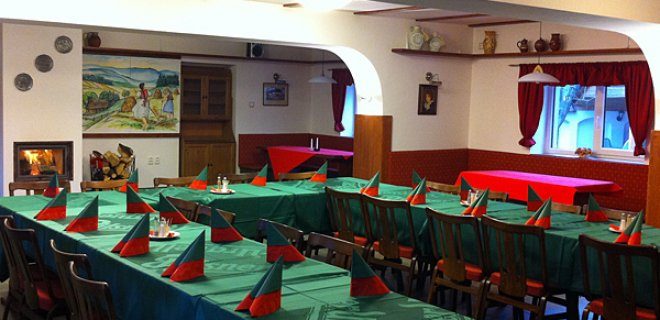
Sweet Secret Of Raw
Sometimes you don’t need a grand destination. Just a place to stop.
Located at Světlovská 45/35 in Ostrava-Proskovice, this spot feels more like a local sanctuary than a tourist trap. The address is specific because getting lost in the industrial-chic sprawl of eastern Ostrava is easy. This place keeps you grounded.
The menu shifts with the weather. In summer, you’re looking at raw ice cream cups. Bright, fruity, cooling down the midday heat. Winter brings something warmer. Hearty meals that sit heavy and good in your stomach. They do breakfast. They do brunch. They do dinner. The flexibility is the real draw here.
And the coffee?
Don’t skip it. The baristas treat their pour-overs like art. The presentation is clean, precise. The beans are likely sourced with care, even if the vibe is relaxed. It’s one of those places where you can sit for an hour, people-watch, and forget to check your phone.
Call ahead if you’re planning a group visit. The number is +420 733 287 123. It’s always good to know if the kitchen is backed up or if there’s a table waiting.
This isn’t just about eating. It’s about the pause. The moment between the chaos of travel and the next leg of the journey. Ostrava has its grit. Its history. Its coal mines. But places like Sweet Secret Of Raw offer the softness that balances the edge.
Go for the food. Stay for the quiet.
Getting Around Ostrava Without Breaking the Bank
Ostrava isn’t just a relic of industrial heritage. It’s a vibrant city with a surprisingly smooth transit network. If you’re planning your trip, the logistics here are straightforward. Cheap. Efficient.
The backbone of local movement is the bus network. It’s extensive. You can hop on a comfortable bus and glide past the gritty charm of Slezská Ostrava or toward the green spaces of Přívoz. The system is designed for ease. One of the best perks for travelers? The connection window. If your journey takes longer than 30 minutes, your next transfer is free. You have a 45-minute window to make that switch. No extra ticket needed. Just validate again. It’s a small detail that saves money and stress.
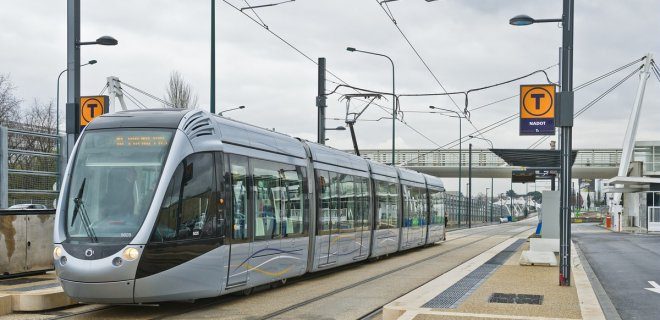
Trams run differently. They operate 24 hours a day. That’s rare in European cities. If you’re out late at a club in the city center or catching an early train to Prague, you’re not stuck. The tram doesn’t sleep. It’s a lifeline for night owls and early risers alike.
Then there are the taxis. Use them sparingly. They charge roughly 20 CZK per kilometer. For short hops, it’s manageable. For longer trips across the city, the cost adds up fast. Tourists often prefer walking or taking public transport simply because the value is unmatched. But if you’re tired and the night air is biting? A taxi is a valid escape. Just know the rate before you get in.
Where to Start When You Arrive
Your first stop isn’t a museum. It’s the transport hub. The main station in Moravská Ostrava connects everything. From here, you can catch trams that cut through the heart of the city. The streets are wide. The buildings are a mix of Art Nouveau and brutalist concrete. It’s a visual clash that works.
Consider the address 3347/13 on Jantarová Street if you’re looking for specific local contacts or services, though most navigation is best handled by digital maps. The phone number +420 799 519 887 might pop up in older guides, but rely on real-time apps for current schedules. Timetables change. Apps don’t lie.
Navigating the Industrial Edge
Ostrava is unique because it embraces its past. The transit system reflects that. It’s functional. It gets you from point A to point B without fanfare. The buses are clean. The drivers usually speak English, or at least enough to help you find your way.
Why does this matter? Because you want to spend your money on experiences, not fares. The free transfer policy encourages exploration. You can try a different bus line on the way back. You can take a scenic route through a quieter neighborhood. The system rewards curiosity.
Keep an eye on the time. The 45-minute transfer window is strict. If you miss your mark, you’re paying again. But for the most part, it’s foolproof. Plan your stops. Validate your tickets. Move through the city with confidence.
Practical Tips for the Road
- Validate your ticket on every board. Fines are steep.
- Use the 24-hour tram service if you’re out past midnight.
- Taxis
When to Visit Ostrava for the Best Weather and Skiing
The third-largest city in the Czech Republic, Ostrava, sits comfortably in a temperate zone, but don’t expect constant sunshine. It is a city that sees a lot of rain. Even during the driest months of summer, you will likely witness showers. The humidity is real. The temperature range, however, is manageable. Average highs sit around 19 degrees Celsius, while lows can dip to -2 degrees Celsius.
This climate dictates who visits and when. Winters bring snow, turning Ostrava into a hub for ski enthusiasts. If you love powder, this is your window. If you hate the cold, skip the winter months entirely.
Still, Ostrava draws visitors year-round. It really comes down to personal preference. But here is the practical takeaway: if you want to avoid extreme heat—because it rarely gets oppressively hot—summer offers a cool and refreshing break. A summer vacation here is a smart choice for those seeking a cool getaway without the sweat.
Navigating Ostrava’s Rainy Season and Summer Coolness
Planning your trip around the weather in Ostrava means accepting the rain. The city is not arid. It is green and wet. Travelers often ask how to prepare for Ostrava’s climate. The answer is layers and waterproof gear.
Summer temperatures rarely spike above 19°C on average. This makes it an ideal time for a summer holiday if you are sensitive to heat. The air feels fresh. The streets are less crowded than in peak European summer destinations. You can walk the historical center without fighting off a heatwave.
Winter, conversely, is for sport. The surrounding areas attract skiers. If you are looking for affordable winter sports destinations, Ostrava fits the bill. It is not a luxury alpine resort, but it is accessible. For those who prefer outdoor activities in mild weather, late spring or early autumn might be the sweet spot. Rain is still possible, but the temperature is mild.
Why Summer is the Best Time for a Refreshing Break
Choosing when to visit Ostrava often hinges on what you want to do. If you are staying in the city, the summer months provide a cool climate that encourages outdoor dining and walking tours. You aren’t rushing indoors because of the heat.
Consider the best time to visit Ostrava for sightseeing. The visibility is good. The parks are green. The Ostrava Cultural Month often starts in late summer, filling the city with events. It is a vibrant time to be there.
For skiing in Ostrava, the winter months are key. Check the snow reports for nearby resorts. The city itself is flat, but the proximity to the Beskids mountains makes it a logistical hub for skiers. You can stay in Ostrava and day-trip to the slopes. This is a common travel tip for Ostrava.
Avoid the deep freeze if you dislike cold. The temperature drops to -2°C. It is manageable, but not pleasant for long strolls. If you are a summer traveler, you will find the temperate climate of Ostrava much more forgiving.
Practical Tips for
Getting to Ostrava from Turkey: The Prag Connection
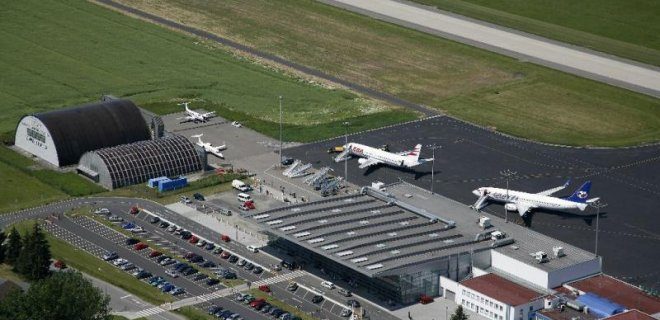
There are no direct flights from Turkey to Ostrava. You have to connect. This isn’t a bug. It’s just the geography of Central European rail and air networks. The standard route starts in Istanbul or Ankara, but the real pivot point is Prague.
You fly into Prague first. It is the hub. From there, you catch a train or a bus across the border into the Moravian-Silesian Region. The journey takes about four to five hours. It is not long. But it requires planning.
Why Trains Are the Preferred Choice
Locals in the Czech Republic almost always choose the train. Why? Comfort and scenery. The rail line from Prague’s Hlavni Nadrazi (Main Station) to Ostrava-Svinov or Ostrava-Ustí nad Orlicí is reliable. The trains are frequent. You can leave Prague in the morning and be in Ostrava by afternoon.
The buses are not bad either. Companies like FlixBus run this route regularly. They are often cheaper than trains. Sometimes significantly so. But the train offers more legroom. You can walk around. You can see the landscape shift from Bohemian forests to the industrial yet revitalized hills of Ostrava.
Logistics and Timing
Book your ticket in advance. Especially during peak tourist season or local holidays. Prices fluctuate. A last-minute train ticket can cost double what a booked one does.
Where to go in Prague to catch the train? Head to the central station. It is easy to reach via the metro. Trains depart every hour or so during the day. Check the Czech Railways (Czech Rail) website or app for real-time updates. Delays happen. They are rare but they occur.
If you take the bus, it usually departs from Prague’s Florenc bus station. It is close to the main train station. But always double-check the departure point. Confusion here wastes time.
Is it Worth the Detour?
Some travelers complain about the extra leg. They see Ostrava as merely a stopover. This is a mistake. Ostrava is not a pretty postcard city like Prague or Cesky Krumlov. It is gritty. It is industrial. It is also fascinating.
The city transformed itself from a coal-mining hub into a cultural center. The Ostrava Heritage Trail leads you through old factories turned into museums. The City of Ostrava Arts Centre is housed in a former warehouse. It is unique. You won’t find this elsewhere in the Czech Republic.
So you fly to Prague. You take the train. You arrive in Ostrava. The journey is part of the experience. It forces you to slow down. To look out the window. To appreciate the transition.
The Hidden Corners Beyond Prague
Most travelers treat the Czech Republic as a single-day pitstop between Berlin and Vienna. They snap a photo of the Astronomical Clock, buy a trdelník (churned pastry), and board a bus back to the airport. It’s a mistake. The country’s real magic happens in the quiet interstices—the cobblestone alleys where tourists haven’t thought to wander.
Skip the crowded Charles Bridge at sunrise. Instead, head west to Karlovy Vary.
Spa Towns and Thermal Waters
Karlovy Vary isn’t just a postcard; it’s a living museum of 19th-century leisure. The town sits in a valley carved by three rivers, surrounded by forests that turn fiery gold in October. The air smells of sulfur and roasted chestnuts.
You don’t need a medical referral to enjoy the thermal springs. Grab a porcelain vázka (spouted cup) from any of the nine colonnades. The water is served at specific temperatures. Drink it fast—before it cools. It’s an acquired taste, bitter and mineral-heavy, but locals swear by its healing properties.
- Cost: A day pass to the main spas runs about 300-500 CZK ($13-$22).
- Timing: Visit in late spring (May) or early autumn (September). The summer crowds dissipate, and the weather is mild enough for walking the promenade without sweating through your linen shirt.
- Logistics: Take a train from Prague’s main station (Hlavní nádraží). It’s a direct route, taking roughly two hours. No transfers. No stress.
“The water here tastes like earth. You drink it in three swallows, wincing, then feeling a strange warmth spread through your chest.”
South Bohemia’s Castle Labyrinth
If Karlovy Vary is for relaxation, the South Bohemian region is for exploration. This area is dense with castles, ponds, and forests that feel older than the rest of Europe.
Český Krumlov gets the Instagram glory. And yes, it’s beautiful. The Vltava River loops around the castle in a dramatic horseshoe bend. But by noon, the narrow streets are packed with tour groups shouting into megaphones.
Go instead to Třeboň or Telč.
Telč has one of the most perfectly preserved Renaissance town squares in Central Europe. The buildings are painted in pastel shades—sage green, butter yellow, soft pink. The cost of living here is lower, meaning your crowns stretch further. A three-course meal at a local pivnice (pub) won’t break the bank. Expect to pay around 400-600 CZK ($17-$26) for a solid dinner including a pint of local lager.
Třeboň offers something different: vast fishponds. These aren’t natural lakes. They were dug in the 16th century to supply the Royal Court with carp. The landscape is flat, open, and eerily quiet. Rent a bike in Třeboň for 150 CZK ($6.50) for the day. Cycle the perimeter of the largest pond