


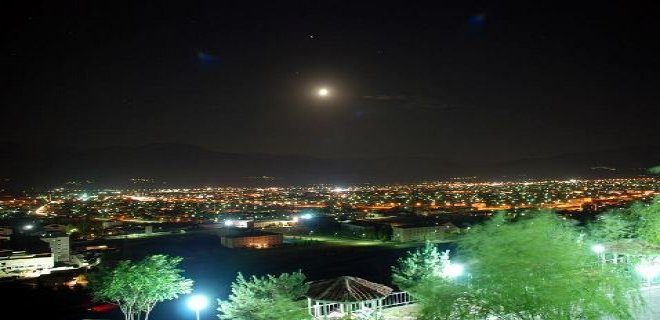
Erzincann is not the first name that comes to mind when thinking of Eastern Anatolia. It’s quiet. Overlooked. But it has weight. Located in the seismic zone of the Black Sea and the Eastern Mediterranean, this province lies on a fault line that refuses to stand still.
The area is 11,903 square kilometers. Population? About 149,879 people. It’s rare. You see the sky more than the crowds. The traffic code is 24. The area code is 0446. Simple numbers for a complex landscape.
Ancient Roots on Active Faults
When did Erzincann actually start? There is no exact date. Historians shrug their shoulders. However, Assyrian documents name the region Zuhma long before it became a modern Turkish city. Later the Seljuk Turks called it Erizgan. The name changed over the centuries and finally stuck to Erzincann. The land remembers its older names better than its current borders.
These are not just historical details. Location matters here.
Erzincann is located in a first degree earthquake zone.
The ground beneath you is active.
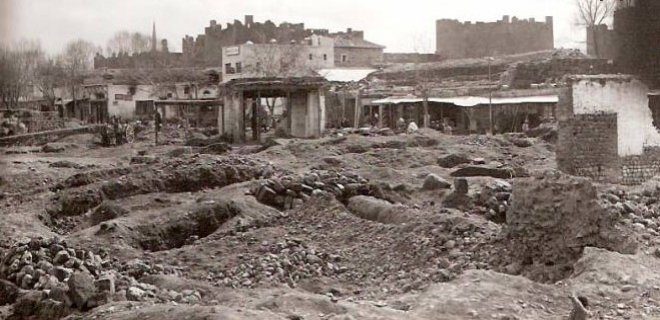
In 1939, a large earthquake occurred in Eastern Anatolia. It killed tens of thousands.
It is still one of the largest earthquakes of the 20th century in the world. The scar of the city’s reconstruction is still visible. How people have adapted.
Eight Districts, One Story
Erzincann is not just the city itself. It is a province that consists of eight distinct districts. Each has its own flavor, its own history.
- Çayırlı
- İliç
–Kemah
–Kemaliye
–Otlukbeli
–Refahiye - Tercan
- Üzümlü
You can drive between them. Roads wind through mountains and valleys.
Some districts are closer to the city center.
Others feel worlds away.
For example, Tercan is known for its natural springs.
Kemaliye (formerly Otlukbeli) has stone houses from the Ottoman period. Refahiye? High altitude. Cold winters.
Why this place is important for tourists
Why go to Erzincann? Not for nightlife. Not for luxury resorts. Go for the silence. To the mountains. For the history that feels raw and unpolished.
The 1939 earthquake changed everything. It destroyed buildings. It changed the demographics. But it’s also created a resilience you don’t find elsewhere. Visit the earthquake memorial. Stand near fault lines. Understand why the architecture is different here. Why the community structure is tight-knit.
The climate is continental. Hot summers. Harsh winters. Plan accordingly. If you are traveling in winter, check the road conditions. Snow can close passes. Spring and autumn are better. Less predictable than Istanbul, less crowded than Cappadocia.
Logistics you need to know
Arrival? Fly to Erzurum or Trabzon and then take a bus. The drive from Erzurum takes about three hours. From Malatya, it’s roughly two. Buses run frequently. Cheap. Reliable.
Accommodation? basic

Erzincan is not just a position on the map. It’s a crossroads. Located right on the historic Silk Road, this city has seen empires rise and fall like the tides. The Urartians were the first to settle here. Later the Medes, Hittites, Macedonians and Persians lived there. It’s a complicated story. You can feel it in the stone.
The first Turkish beylik
The political map changed dramatically in 1071. After the Battle of Manzikert, Emir Mengücek, a commander under Sultan Alparslan, established the Mengücek Beylik in Kemah. This was the first Turkish beylik (principality) in the region. It marked the final turn towards Turkish culture and governance. The legacy of this era can still be seen in local architecture and in the names of places like Kemah.
Liberation from occupation
Fast forward to 1918. The city suffered under the Armenian occupation. It was only free when Turkish forces led by Kazım Karabekir pushed back the occupying forces. This event is the cornerstone of the city’s modern identity. Kazım Karabekir’s role is remembered not only as a military victory but also as a reclaiming of heritage.
Harsh but fertile climate
The climate of Erzincan is continental. Winters are cold. Summers can be hot. The air is dry. But there is something significant about this climate for agriculture. The soil is rich. Seasons are different. This combination allows for a surprisingly wide variety of plants.
All kinds of fruits and vegetables are grown here. It is one of Turkey’s most important grain producers. Most of the harvest is sold outside the region. Agriculture is not just for subsistence; it is commercial. It’s a serious matter.
What grows in Erzincan?
The list of crops is long. The fields are dominated by wheat, barley, rye, beans, potatoes, tomatoes, cabbage and carrots. But the real stars are the fruits.
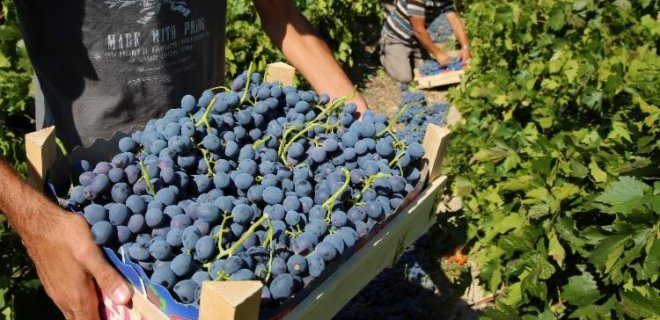
Apricots are huge here. This also applies to mulberries, apples and almonds. Egin almonds are famous. The grapes of the area are also well known. When you visit, you don’t just see one city. You see the pantry.
The climate can be harsh, but the land is generous. Erzincan feeds more than itself.
Why this is important for travelers
You don’t visit Erzincan for nightclubs or beaches. They come to us for depth. The story is palpable. The food is authentic. The landscapes are rugged and beautiful.
Agricultural prosperity ensures that local markets are vibrant. In season, you can find fresh apricots. Almonds at a reasonable price. A grain that has traveled along ancient routes. It is a place where you can taste history.
The Silk Road was not just silk. It was about stuff. Erzincan was the center. Today it is still a producer. The trade’s legacy continues in the fields.
Plan your visit
If you are driving through Eastern Anatolia, Erzincan is a logical stop. The roads are getting better. The hotels are simple but functional. The food is the main attraction.
Don’t rush through. Stay one night. Eat
The backbone of the economy: beyond the earth’s crust
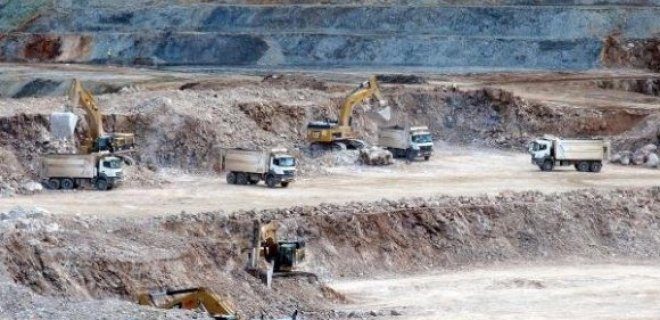
One might assume that the soil is the star, but in Erzincan, the soil itself contains a different kind of richness. There are significant deposits of iron and manganese on the surface. It’s not a Mining town in the traditional sense of noisy machinery and soot, but these resources form a quiet, industrial undertone to the region’s identity. They anchor the local economy alongside the more visible sectors.
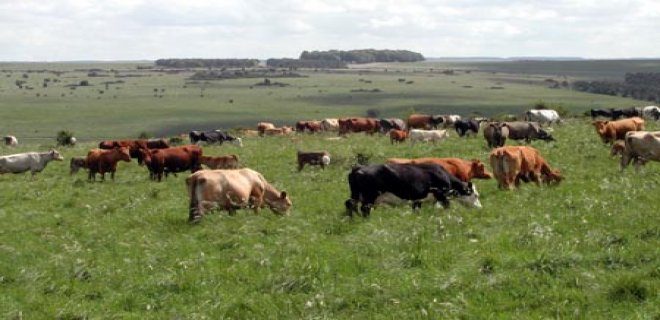
But when you look on the surface, the story changes completely. This is an economy dominated by agriculture and livestock. The rhythm of life here is determined more by crops and herds than by shifts. And in the middle of the fields and pastures, there is an industry that has grown from a hobby to a cornerstone of local income: beekeeping.
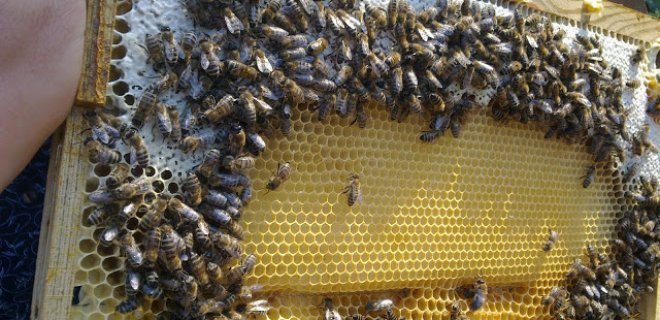
It’s not just about honey. It depends on the scale. The income from apiaries is significant enough to guide policy. You can see it from the city’s activities. They don’t leave it to chance. Special courses have been opened. Training programs are actively presented to the public. The goal is clear: to ensure that the tradition is not only preserved, but flourishes in experienced hands.
Why is this important for the traveler? Because you can taste the end result. The honey here is not a generic commodity. It is a product of a specific flora, tended by people trained to understand the nuances of the land. When you buy a jar, you’re buying a system that values training and sustainability.
The logistics are straightforward. Look for local cooperatives or smaller producers in the market. Avoid the pre-packaged, mass-produced aisles in remote supermarkets. The real value is in the direct connection. You can find jars that smell like wild thyme or chestnut flowers. You will find producers who can tell you exactly which valley the bees foraged in.
It’s a practical tip: ask about training. Ask if the beekeeper has attended local courses. It’s a quality feature that few places outside of Erzincan can claim with such precision. The economy is slowly moving from raw material extraction to refined production. Iron remains underground. Honey will come to you.
Here’s a contrast that’s easy to miss. The hardness of the ore compared to the sweetness of the crop. One supports the infrastructure; the other sustains the livelihood. Both are necessary. Both are present.
When planning your visit, consider the time of year. Beekeeping is cyclical. Spring and summer offer the vibrant displays, but also the biggest competition for the best products. Winter is quieter, but the honey is ready. The market stalls are full. Producers are waiting.
It is not a romanticized idea of country life. It’s a working landscape. Bees are workers. Farmers are workers. Training programs are a bridge between the two. You are entering a system that tries to balance tradition and modern necessity.
And it works. The income is there. Skills are passed on. The next time you come across a local product, take a closer look. The story isn’t just about the taste. It’s all about effort.
Culinary traditions here are not only found in the museum. They breathe. You can taste the differences in food from local restaurants and street stalls. Meals are still prepared using methods passed down from generation to generation. Spices, herbs and cooking techniques have remained largely unchanged over the centuries. This authenticity attracts many tourists to the area. Visitors especially come to experience real local flavors. They want to know where the ingredients come from and how they are used. The result is a dining experience that feels alive. It connects you directly to the history of the place. You can eat in the family-owned kitchen or in the small yard. The food is simple, but rich in taste. Portions are often generous. The prices are reasonable compared to tourist destinations. Here you can really understand the culture through the cuisine. It’s not just about the food. It’s about community and legacy. Every bite tells a story.


