


The global aviation sector is currently navigating a complex landscape defined by volatile fuel costs, the necessity of digital transformation, and the high-stakes consequences of strategic expansion. Recent developments across major carriers and travel tech providers highlight a period of intense restructuring and technological adaptation.
Strategic Shifts and Operational Lessons
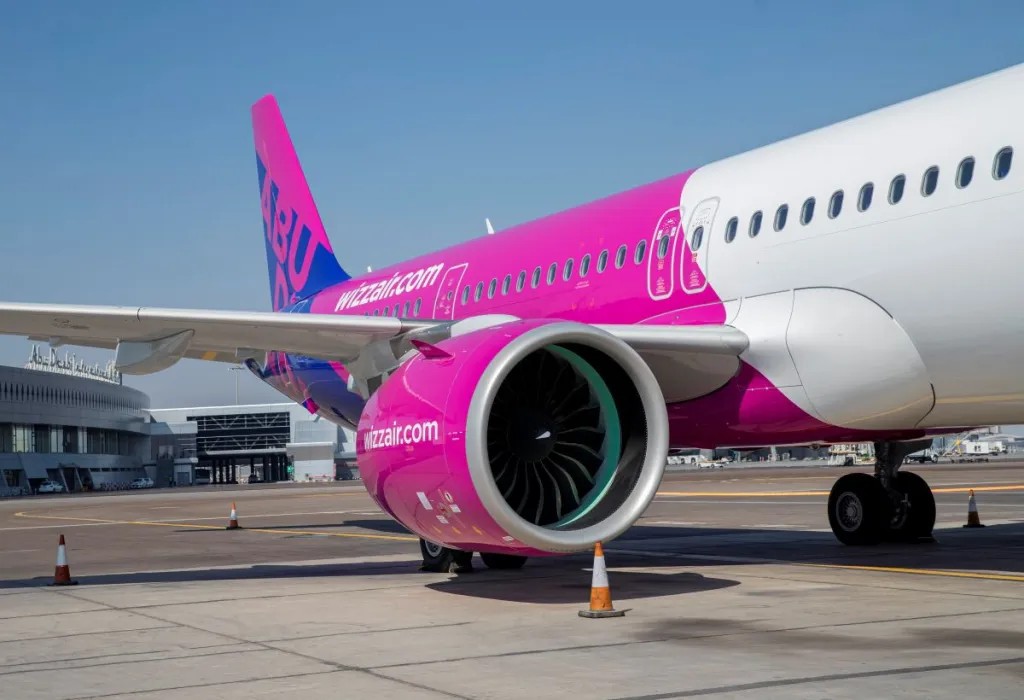
A significant takeaway from recent industry discourse comes from Wizz Air, where the CEO has candidly addressed the company’s expansion into Abu Dhabi. Labeling the move a “mistake,” the leadership is signaling a pivot toward more aggressive, perhaps more calculated, growth strategies in other regions.
This admission is crucial because it highlights the risks of rapid international expansion. In the airline industry, entering a new hub requires more than just routes; it requires local market stability and complex logistical alignment. Wizz Air’s stance suggests a shift from broad expansion toward a more refined, high-yield growth model.
The Digital Imperative: AI and Revenue Optimization
As air travel demand reaches new heights, the focus for airlines and Online Travel Agencies (OTAs) has shifted from mere capacity to technical agility. The industry is no longer just about moving people; it is about managing data to maximize revenue.
- Agentic AI: A major trend emerging from platforms like Google Cloud is the rise of “agentic” AI. Unlike standard chatbots, agentic AI can manage entire decision-making flows—such as booking a cruise or a multi-leg flight—within a single, seamless user experience.
- Revenue Optimization: Digital transformation is becoming the primary tool for airlines to navigate economic uncertainty, allowing them to adjust pricing and services in real-time based on shifting demand.
Economic Pressures: Fuel and Recovery
Despite the surge in passenger numbers, the underlying economics of flying remain precarious for many carriers.
The Fuel Crisis Impact
Air New Zealand serves as a case among many facing the reality of soaring operational costs. CEO Nikhil Ravishankar has expressed significant caution regarding the future, noting that the airline is struggling to recover the full costs of fuel. This highlights a systemic vulnerability: even when demand is high, thin margins caused by energy volatility can threaten long-term stability.
The Long Road to Profitability
The recovery from the pandemic era is also manifesting in the hospitality and travel sectors. H World International has reported its first profit since its 2019 acquisition. This milestone follows years of being “


