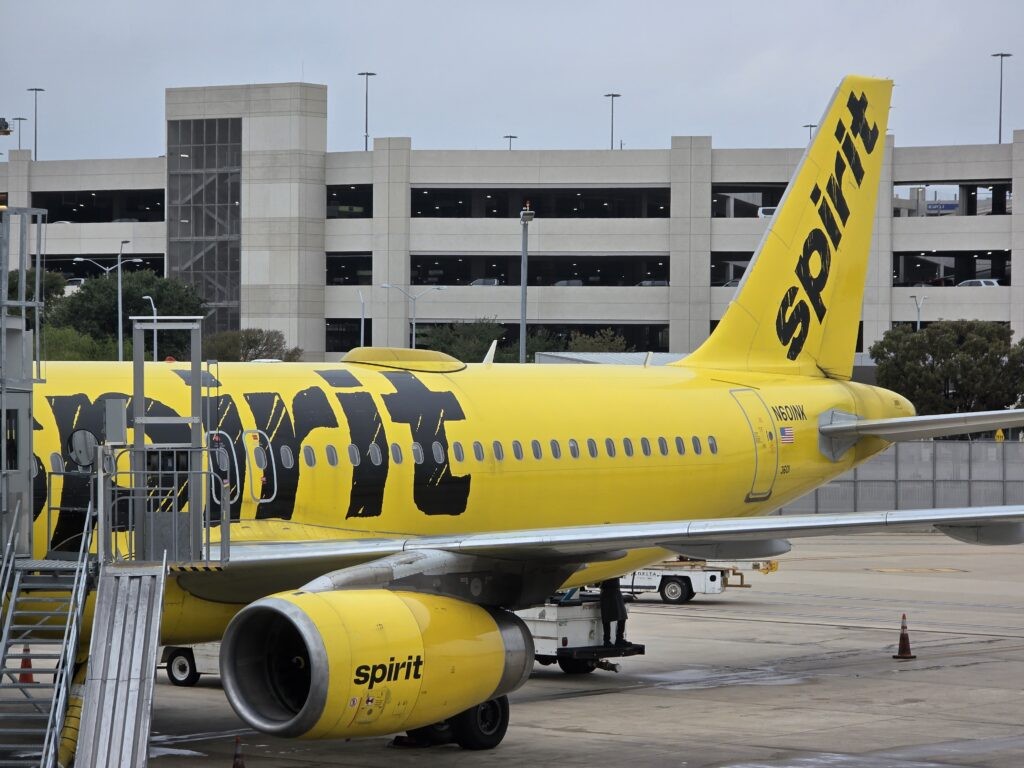
Spirit Airlines is spiraling into deeper financial and operational turmoil, underscored by a recent loss of a key credit card partnership and ongoing issues with bankruptcy, route cuts, and crew shortages. The airline, already undergoing its second bankruptcy in recent years, has been forced to provide significant collateral to maintain credit card processing capabilities while simultaneously shedding planes, routes, and even gate access at major airports like Chicago O’Hare – where it sold its slots to American and United.
The Credit Card Lifeline: A Critical Revenue Stream
For most airlines, co-branded credit cards are a substantial revenue generator. American Airlines, for example, reportedly broke even in 2023 despite earning over $2 billion in credit card profits alone. Spirit, however, hasn’t replicated this success. Its limited frequent flyer program lacked the premium benefits (like international flights or luxury seating) that drive high-value cardholder spending. The airline did manage to borrow $1 billion against its program, but that isn’t the same as sustainable credit revenue.
Second-Look Banking: A Risky Strategy
Spirit pursued a unique strategy by partnering with a secondary bank to serve customers rejected by primary issuers. Co-brand agreements are typically exclusive (Delta with Amex, United with Chase) but often include “second-look” provisions. Spirit took this further, launching a subprime card through Mercury Financial (issued by First Bank and Trust) in 2021, targeting customers with lower FICO scores. This invite-only product filled a niche for “underserved” near-prime borrowers.
Partnership Terminated: What It Means
The Mercury-issued Spirit card is set to expire on March 31st. The airline is mitigating the impact by offering Silver elite status to affected customers, ensuring they retain some benefits. This exit highlights a growing risk for Spirit: its reliance on less-creditworthy customers is becoming unsustainable as partnerships crumble. The move is a clear sign that the airline’s business model, once viable, is increasingly under pressure.
The “Spill” Carrier Dilemma
Spirit operates as a “spill” carrier – customers fly with them only when it’s the cheapest option. This model requires aggressive cost control, dense aircraft configurations, and high-demand markets. However, rising costs, increased competition from major carriers willing to match low fares, and shifting consumer preferences (beyond just price) are all eroding Spirit’s advantage. The airline’s future hinges on whether it can adapt to a more competitive landscape or whether it will continue to lose ground.
The author notes that Spirit’s Big Front Seat product remains a good value, though prices have increased. The broader industry benefits from Spirit’s presence because it pushes down fares, but the airline’s current trajectory suggests a precarious future.
In conclusion, Spirit Airlines faces a convergence of financial, operational, and market pressures. The loss of a credit card partner is not merely a setback, but a symptom of deeper systemic issues that threaten the airline’s long-term viability.