It’s 3am. Pitch dark. Cold bites through the layers. I’m crouched in a bush in Kenya part of a mixed anti-poaching ambush. We sat still for hours waiting for poachers who never came. My legs cramped. I shook trying to stay awake. Nobody moved.
After the op I found out something harsh. One woman had started her period during the watch. She couldn’t step away. No way to deal with it until hours passed. Even then there was no bathroom. No privacy.
We celebrate the heroism of frontline rangers. Conservation loves that narrative. But we rarely ask how women experience it. We keep asking them to solve climate crises. To reduce human-wildlife conflict. To protect biodiversity. Yet they are treated as afterthoughts in the system that employs them.
Over the last decade working alongside women in the field and launching World Female Ranger Week I saw the gap. Women make up just 11% of global ranger workforces. They are under-supported. They are under-seen.
Rangers are medics for ecosystems.
Catherine Machalaba from The Nature Conservancy puts it plainly. Rangers care for forests rivers lakes and seas just as nurses care for people. They spot sick ecosystems early. But female rangers face unique mental and physical threats. The industry needs to invest in them if it wants them to stay.
The barriers are often stupidly basic.
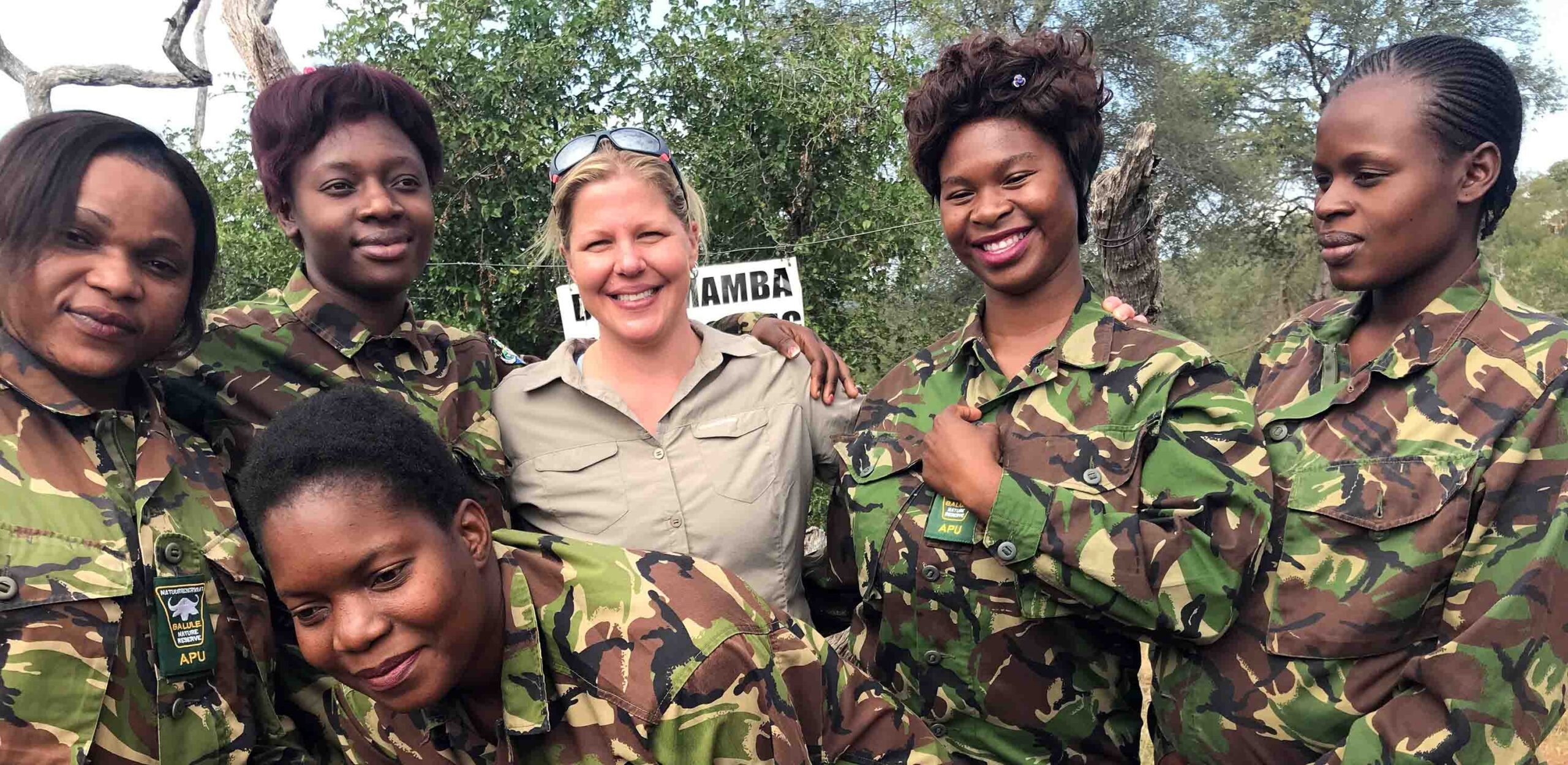
The Black Mambas an all-female unit in South Africa faced this. When they started nobody thought to buy them sports bras. Sounds minor until you are hiking 20 kilometers a day. The wrong gear caused back and shoulder pain. It stopped them from doing the job. The lesson is obvious but ignored: Ask women what they need.
Stories keep coming in from other countries. Inadequate sanitation. No privacy on remote patrols. Maternity challenges that end careers. Workplace cultures where speaking up is dangerous. Conservation was built by men. It works for men.
In one country I won’t name to keep identities safe a team told me they slept in the worst accommodation possible. They refused the better quarters closer to base. Why? Risk of rape.
Not from poachers. Not from outsiders.
From men within their own system.
I assumed the danger would always be external. Wild animals. Criminal syndicates. Harsh landscapes. I hadn’t considered the threat comes from the support structure itself. Research confirms this isn’t isolated. Studies across Africa Asia and Latin America document sexual harassment and intimidation. Often by colleagues or bosses.
Silva Lanfranchi patrols a marshland in Switzerland. Her problem isn’t physical violence but cultural suffocation. She is one woman in a group of 95% men.
Getting into the boys’ club is the biggest challenge she says.
She describes code-switching constantly. Changing her behavior just to function in the room. To do the actual work she has to perform an entire identity shift.
The standard was made for men.
She isn’t wrong. A job run almost exclusively by one gender does not default to equality. It defaults to their comfort.
Then there is Raabia Hawa.
She founded the Ulinzi Africa Foundation in Kenya. East Africa’s first non-profit for ranger welfare. She spent years fighting to protect the Tana Delta. A 50000-acre wetland vital for elephants.
When developers tried to seize the forest for building Hawa pushed back.
She spent four years under attack. Harassment. Death threats. Smear campaigns. She lost donors. The strain forced her to leave Kenya for her safety. But she returned. You can’t lead twelve male rangers from abroad effectively.
She went back to stop a mining company extracting titanium from the elephants’ dunes. She fights still.
She talks of hope. Hope for justice for the forest and the communities that need it. One woman standing against a system bigger than her. It’s not just about conservation anymore. It’s about survival.
Female rangers show courage in quiet ways. It isn’t dramatic. It is consistent. It happens despite systems that fail them. Their passion is deep but so is the fatigue.
World Female Ranger Week tried to shift the conversation. From celebration to reality. We created a platform for women to speak. The results highlighted the mundane horrors: ill-fitting uniforms. Bad toilets. Security risks. Menstrual health barriers. The campaign connects over 6000 rangers globally. Grants were awarded. Role models were elevated. Visibility matters.
Organizations are slowly catching up. The Universal Ranger Support Alliance and others push for minimum welfare standards. Insurance. Healthcare. Safety. Some groups now offer female-specific gear. Maternity support. Gender-responsive policies.
It is a start. But scaling support is hard. It remains the exception not the norm.
We claim to value nature. If so we must value the women guarding it. They need safety. Proper equipment. Respect.
We still have a long way. The field is waiting.