We bought a farmhouse. Outside Montcuq. A place most people only know for one reason.
Say it aloud. Silent ‘q’. It sounds like ‘mon cul’. My ass. Not a terrible hook for a vacation spot. The village has about 1,800 people. We added four more. The population swells like a snail shell around a keep built in the 1200s. It is quiet here. But not silent.
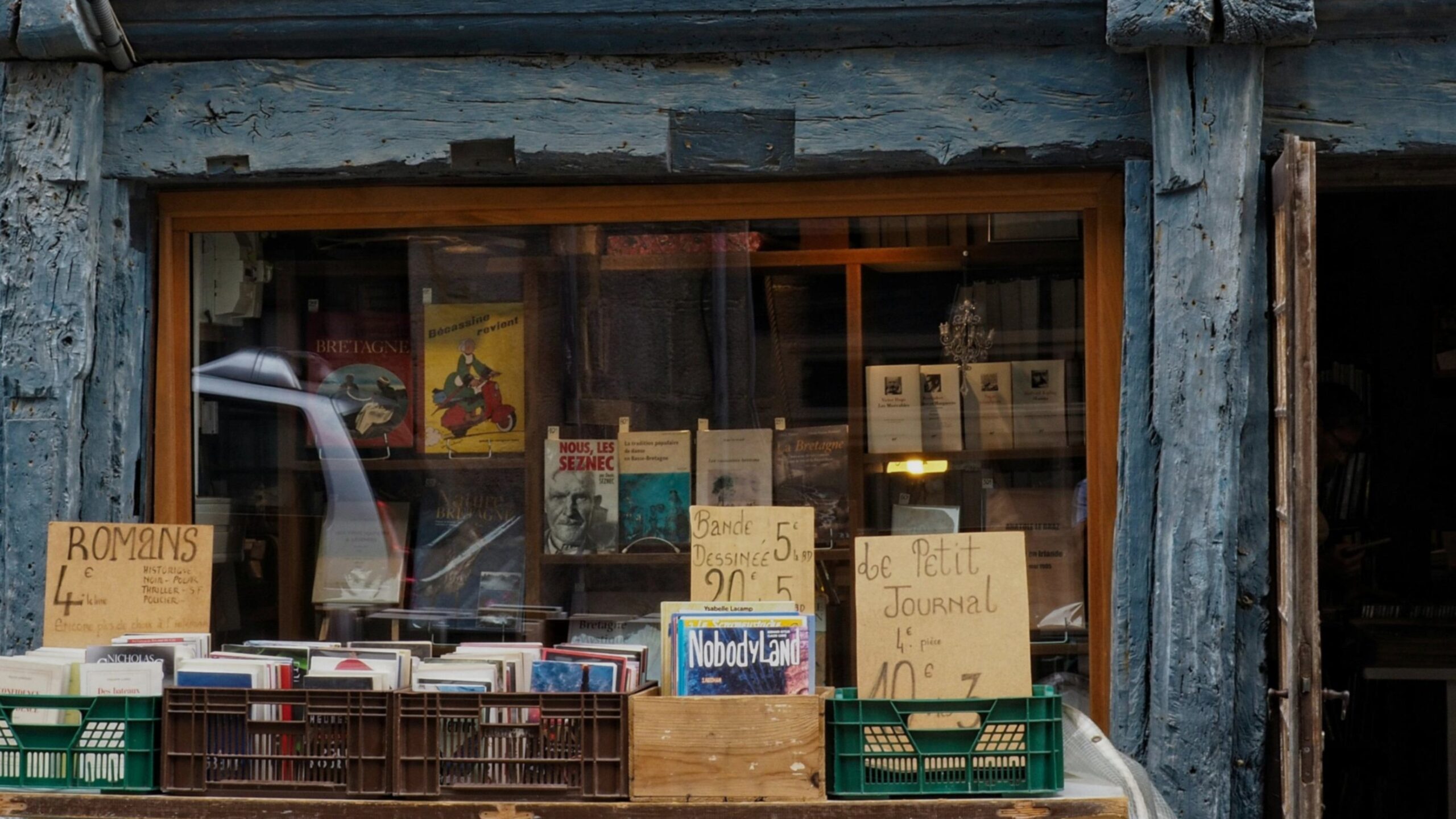
There is a bookshop. Livres, Books, and My New Favorite Place.
I did not expect this. In 2024? You tap a screen. A chapter downloads. Instant dopamine. Why walk to a building for paper? I thought I’d find the usual trio. A bistro. A tobacconist. A bakery. Not a temple for ink.
But there it was. Stone walls. Creaky stairs. My daughters run to the kid’s corner like it is home.
“I’m not complaining.”
We browse fiction here. Villagers pick up pre-orders. Tourists find something to read by the Lot river. Pilgrims on the Camino du Puy stop by too. They carry sticks and heavy packs. They need something light. Everyone pets the resident cat. Nobody leaves without it.
It is not just us. Readers are traveling. For the books.
BookTok is driving it. Bookstagram helps. People pay for tours. They walk through Yorkshire to feel Wuthering Heights. They go to Prince Edward Island for Anne Shirley. France does it differently. We did not lose our shops. We kept them.
The Law That Saved It
There are 3,000+ independent shops in France.
Look at the UK. Only about 1,000. The US? Around 3,200 national. The ratio in France is stark. One shop per 30,000 souls. That is dense. Olivier Pennaneac’h works for a regional agency. He explains why.
It is judicial.
The Loi Lang. 1981. Fixed pricing. No discounts. No sales. Amazon cannot undercut the guy next door. The local indie cannot either.
“In France, there is no competition on price. That is what allows this network.”
Paris alone has 400 shops. One is Shakespeare & Co. Legend status. Joyce’s Ulysses was published here when nobody else would touch it. It feels like an artist drew a bookworm’s dream. Warrens of old rooms. Handwritten notes stuck in pages. Staff tips on random books.
There was a line to get in last December. I waited 20 minutes. I didn’t care. People waiting for books feels like a victory over endless scrolling. Inside? No photos. The ban feels good. Digital disconnect. Pure.
Down in Nice? Masséna around the World. It is not just for rosé pairing. It hosts authors. Signings. A monthly club. The co-managers know their clients.
“We understand likes through speaking, not algorithms.”
That matters.
The Rural Miracle
Here is the strange part. The new shops aren’t in Paris. They are in nowhere.
Between 2017 and 85 percent of new shops opened in towns with under 15,00 people. Half were under 5,00.
These places do not just sell goods. They animate towns. Like the bistro does with food.
Livres has a garden. Live music. Coffee. Aubeterre-sur-Dronce has one too. The town is tiny. 300 souls. Cobblestones. A church carved into limestone. Lorna Hempstead goes there often. Gauthier the owner helps her out. He hosts talks. Environmental stuff. Exhbitations.
It is not easy though. Passion pays the bills. Profitability? Fourth worst retail trade.
The trend flipped. For the first time? More closures than openings in 85.83 open. But people still read. 63 percent of French adults read five books a year. The US is waking up too. Print sales are up. Independent stores jumped 70 percent recently. Six hundred opened last year alone.
Is this enough?
Hay-on-Wye in Wales hosts 200,0 some literary festivals. The Open Book in Scotland lets you run the shop while you vacation there. A two-year wait list. That is dedication.
Montolieu in the Pyrenees? A book village. 800 residents. 52,0 some visitors a year. 15 shops. It is a destination.
I keep thinking about it. A crawl through France. Connecting the independents. Driving just for the shelves.
Worse way to see a country? Probably not.