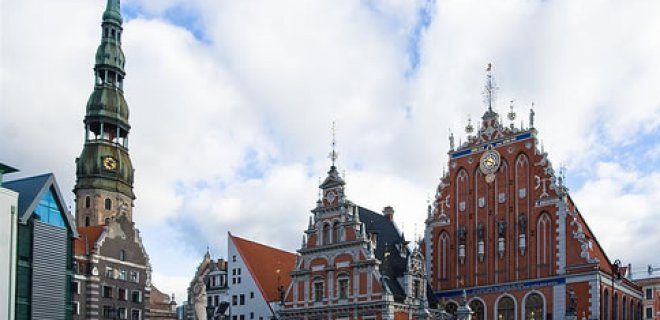
You don’t just walk into St. Peter’s Church in Lübeck. You have to climb for it.
The city skyline in northern Germany is defined by its churches. Five spires pierce the grey Baltic sky. St. Peter’s (Sankt Peter) stands out because of its sheer, intimidating height. The tower rises 123 meters into the air. That is higher than most modern apartment blocks. When you look up, your neck hurts. When you climb, your legs scream.
But the view from the top? It makes the blisters worth it.
This isn’t just a pretty facade. The building is a architectural timeline. Construction started in the early 13th century. It is a massive brick Gothic structure. You can see the heavy, solid lines of the Romanesque style in the lower sections. But then, look higher. The details soften. You catch hints of Baroque ornamentation. It is a weird, beautiful mash-up of styles that evolved over centuries rather than a single architect’s vision.
For a long time, this was the heart of Lübeck’s Lutheran community. The city was a major hub for the Reformation. St. Peter’s served that purpose until the modern era.
Inside the Brick Cathedral
The interior feels cavernous. The acoustics are perfect for choir music, even if modern concerts are rare. The space is vast, filled with natural light that filters through high, narrow windows. It smells like old wood and polished stone.
Over the years, the church wasn’t left alone. Between 1746 and beyond, it underwent significant renovations. Additions were made. Modifications were layered on top of the original Gothic skeleton. This isn’t a museum piece frozen in time. It is a living structure that has been updated and maintained for centuries.
Today, it still functions as a place of worship, but it has also become a cultural venue.
“The tower rises 123 meters into the air. That is higher than most modern apartment blocks.”
Not Just for Prayer
You might expect a historic church to be quiet and somber. St. Peter’s breaks that mold.
Occasionally, the nave hosts exhibitions. These aren’t always religious. Sometimes the space is used for fashion shows. Sometimes it hosts contemporary art installations. It creates a strange, fascinating contrast. You are standing in a 13th-century sacred space while modern designers walk down an aisle in front of medieval frescoes.
It keeps the building relevant. It draws people who might never step foot inside for a service.
The Climb: A Practical Guide
If you are planning a trip to Lübeck, this is the spot to prioritize.
The Logistics:
– Location: St. Annen Straße, Lübeck. It’s right in the historic center, near the Trinitatis Church.
– The Tower: You must climb the stairs. There is no elevator. The stairs are steep and narrow. If you have mobility issues, skip it. The view from the ground is good. The view from the top is unforgettable.
– Time: Allow at least 30-45 minutes for the visit. The climb takes about 15
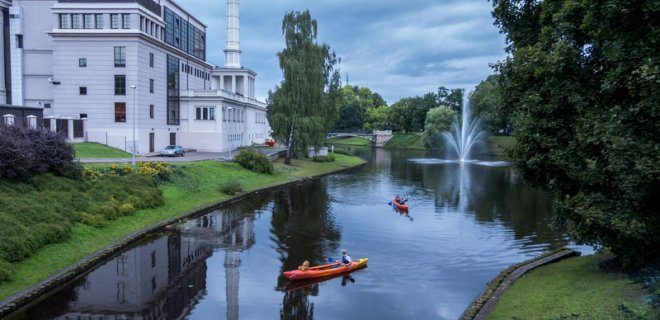
Riga’s Green Heart: Vermanes Park
Forget the crowded tourist traps for an hour. Head north to Vermanes Park. It is not just a park. It is the country’s oldest and largest green space, spanning five hectares of pure, unfiltered Latvian life. You walk in expecting a quiet stroll. You get a sensory overload of flowers, towering trees, and statues scattered like forgotten memories.
The layout is deliberate. There are dedicated paths for bicycles and pedestrians, forcing a rhythm to your movement. But the real draw? The canal. You can rent a kayak. Paddle through the water while the city skyline watches you from the banks. It feels illicit. It feels like you’ve found a backdoor into the city’s soul.
Locals treat this place like a sanctuary. Especially in the late summer, when the air turns crisp and the light softens, you see families, couples, and old men sitting on benches. It is Riga’s eye. The city looks out through it. If you want to understand how Riga rests, you sit here. You watch the kayaks cut through the water. You smell the damp earth and cut grass.
The Freedom Monument: A Silent Sentinel
Just a short distance from the greenery, the air changes. The noise of the city drops. You find the Freedom Monument. It rises fifty meters into the air, a stark contrast to the wooden churches and art nouveau facades nearby. This is not just stone and bronze. It is a warning. It is a promise.
Built to commemorate Latvia’s independence, the monument stands as a symbol of freedom. The three stars at the top represent the three historical regions of the country: Vidzeme, Latgale, and Kurzeme. The base features twelve figures. They are not static. They are in motion. You can see the struggle. You can see the triumph.
Why go here? Because standing at the base makes you feel small in a way that is necessary. The bronze relief work is intricate. Look closely at the hands. Look at the faces. They tell stories of war, peace, and rebirth. It is free to enter. It is open to everyone. But you must respect the silence. Locals come here to lay flowers. To remember. To breathe.
Logistics of the Morning
Start at Vermanes. Arrive before noon. The light is best for photos, and the crowds have not yet arrived in full force. Rent a kayak for an hour. Cost? Around 10-15 EUR depending on the season and vendor. It is worth every cent. The view from the water is different. It is honest.
After the water, walk. Follow the main paths toward the center of Riga. The Freedom Monument is about a 15-minute walk away. Or take a tram. Line 11 or 12 will get you close. Drop a few euros in the machine. Ride it out.
At the monument, do not rush. Spend ten minutes. Look up. Look at the stars. Then leave. The city does not wait. And neither should you.
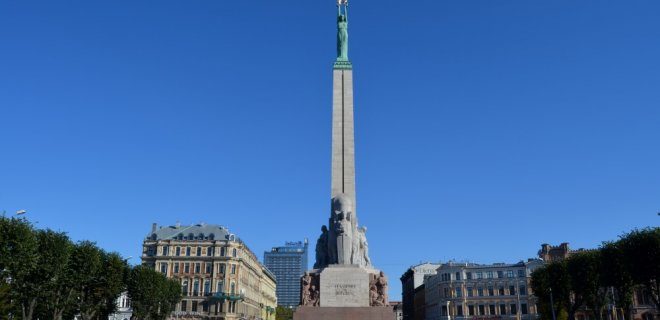
The Freedom Monument: A Bronze Sentinel in the Heart of Riga
You are standing exactly where Riga’s history fractures and reforms. This is the seam between the old town and the new, a geographical knot that has seen empires rise and fall. Dominating this axis is the Freedom Monument. It’s not just a park feature. It’s a warning.
Built between 1935 and the turbulent years leading up to it, the structure honors the soldiers who died during the War of Independence (1918–1920). They didn’t get much in terms of marble luxury. The architects chose raw materials that could withstand both time and ideology. Copper. Granite. Travertine.
The statue itself stands 42 meters tall. That is significant. It forces you to look up. In its hands, the figure holds three stars. They aren’t decorative. They represent Latvia’s three historical regions: Vidzeme, Latgale, and Kurzeme/Zemgale. The stars seem to float, or at least, that’s the optical effect of the copper design.
The monument isn’t just a memorial. It’s a declaration of sovereignty carved in metal and stone.
Why This Spot Matters for Your Riga Itinerary
Most tourists treat the Freedom Monument as a backdrop for a selfie before wandering toward the Latvian National Opera. That’s a mistake. The surrounding area is the epicenter of modern Latvian identity. If you are planning a trip to Latvia, understanding why this monument exists changes how you see the city.
The architecture is Art Nouveau, but the symbolism is starkly modernist in its intent. The three figures at the base represent the nation’s ideals. They are stylized, almost abstract, contrasting with the classical drapery of the central figure. It reflects a country trying to define itself against both Russian and German influences.
Where to go next?
It’s a short walk from the Central Market, but the real connection is ideological. The monument marks the boundary of the Soviet occupation. Walking around it at night, the lighting is dramatic. The copper catches the city lights. It’s one of those places that feels heavier than it looks.
The Latvian Occupation Museum: Context You Can’t Skip
You cannot understand the monument without the museum next door. The Latvian Occupation Museum (Letonya İşgal Müzesi) is not a museum of war in the traditional sense. It’s a museum of survival.
Located in a former KGB building, the museum details the Soviet and Nazi occupations. It’s grim. It’s necessary. If you are interested in the mechanics of how a small nation maintains its identity under total domination, this is the place.
Key details for planning:
– Location: Aizkraukles iela 5. It’s a 5-minute walk from the Freedom Monument.
– Focus: It covers the periods of 1940–1941 and 1944–1991.
– Experience: The building itself is part of the exhibit. You walk through the cells. You see the interrogation rooms. It’s visceral.
How to Navigate the Area Without Wasting Time
The city center is compact. You can cover the Freedom Monument, the surrounding parks, and the Occupation Museum in a single afternoon. But timing matters
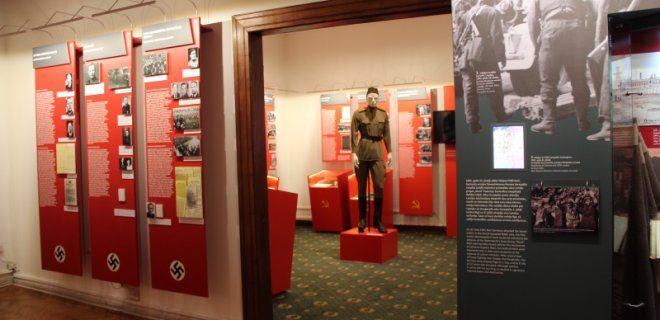
You’re not here for a history lesson. You’re here because you want to understand the weight of the ground beneath your feet in Riga. The Occupation Museum does exactly that. It forces you to confront the years between 1940 and 1991.
Soviet forces arrived first. They stayed for decades. Then came the Germans. Nazis held power for a brief, brutal window in 1941 before the Soviets returned. This museum maps that chaos. It doesn’t just show dates. It shows drawings. Photographs. Personal stories.
If you want to know what 51 years of occupation actually felt like, this is the place.
Why Visit the Occupation Museum
Most tourists skip it. They go to the Art Nouveau district. They buy rye bread. They miss the point.
This museum answers a specific question: How did a small Baltic nation survive two massive empires?
The exhibits are detailed. Some are small. Some are overwhelming. You see the documents. You see the propaganda. You see the human cost. It’s not academic. It’s visceral.
Beyond the History
After you leave, you need air. You need space. The Latvia Ethnographic Open-Air Museum is about an hour away by bus or car.
Don’t confuse it with the city museums. This is different. It’s vast. It’s outdoors. It’s 19th-century Latvia preserved in wood and straw.
You walk through over 100 buildings. Barns. Houses. Windmills. Churches. All moved here from different regions. You see the architecture. You see the tools. You see the daily life before the industrial world took over.
It’s quiet. It’s real.
Practical Details
Occupation Museum:
– Location: Riga city center. Easy to find.
– Cost: Small fee. Worth every cent.
– Time needed: 1.5 to 2 hours. Don’t rush. Read the labels.
Ethnographic Open-Air Museum:
– Location: Jurmala or outskirts. Not walkable from downtown.
– Transport: Bus 38 from the central station. Or rent a car.
– Cost: Slightly higher. Justifiable.
– Best time: Late spring to early autumn. It’s outdoors. Winter is cold and dark.
Which Should You Choose?
You don’t have to choose. You need both.
One tells you what was done to the country. The other shows you who the people were before and after.
The Occupation Museum explains the pain. The Ethnographic Museum shows the resilience.
Visit both. In that order.
Then go eat. Go drink coffee. Sit on a bench. Watch the trams.
The history is heavy. But the city is light.
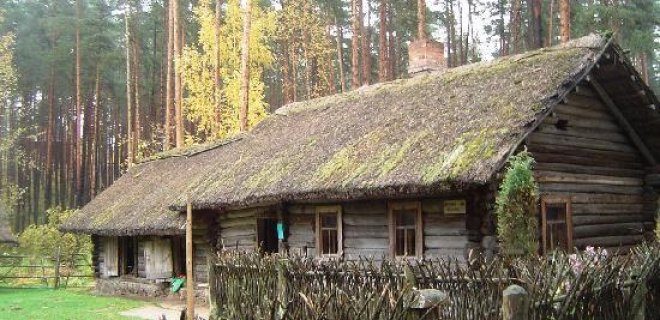
Riga’nın kalabalık sokaklarından uzaklaşmak istiyorsanız, Başkent’in dışındaki bir göl kıyısına inin. Burası Letonya Etnografya Açık Hava Müzesi. Ormanlık bir alan içinde, 1924’ten beri ayakta. İskandinav ülkelerindeki açık hava müzelerinden ilham alınarak kurulmuş.
200’den fazla ev burada duruyor. Çiftçi evleri Letonya’nın dört bir yanından getirilmiş. On binlerce ürün koleksiyonda. İlgi büyük.
Neredeyse tamamen doğal bir ortam. Göl kenarı. Orman. Riga’da göreceğiniz modern binaların aksine, burası zamanı geriye taşıyor.
Neden Bu Kadar Büyük?
Müze sadece evlerden ibaret değil. Her evin içi, o dönemin yaşamını yansıtıyor. Mobilyalar. Aletler. Geleneksel kıyafetler. Tüm bu detaylar, Letonya’nın köy kültürünü anlamak için anahtar.
Ziyaret için İpuçları:
- Nasıl Gidilir? Riga merkezinden otobüslerle ulaşım mümkün. Otobüsler düzenli.
- Ne Zaman Gidilir? Yaz ayları en ideal. Bahar sonu ilkbahar da güzel. Karlı kış günleri ise başka bir atmosfer yaratıyor.
- Ne Görmeli? Sadece evlere bakmayın. Her binanın arkasındaki hikayeyi okuyun.
Pratik Bilgiler
Bilet fiyatları Avrupa standartlarında makul. Rehbere ihtiyacınız yok. Panolar yeterli. Ama bir rehberle gitmek, detayları kaçırmamanızı sağlar.
Müze alanı büyük. Yürüme ayakkabısı giyin. Su şişesi alın.
Burada zaman yavaşlıyor. Riga’nın gürültüsünden uzak, sessiz bir gün geçirmek için ideal.
Göl kenarında bir mola vermek de aklı başında bir plan. Doğa. Tarih. Huzur.
Üçü bir arada.
Letonya’nın ruğunu anlamak istiyorsanız, buraya gelin.