The sun is up. The calendar says it’s finally time to clock out and claim that vacation you’ve earned. If you are staring at a blank map wondering where to book your next escape, stop scrolling. You have likely already guessed the answer, but it bears repeating: coastal Turkey remains the undisputed champion for summer getaways.
Among the heavy hitters of the Mediterranean and Aegean, one province stands out not just for its scenery, but for its sheer, overwhelming popularity. It is the spot where locals and international tourists collide, creating a vibrant, chaotic, and utterly irresistible atmosphere.
Muğla: The Ultimate Summer Hotspot
If you are planning a trip to Turkey this summer, Muğla is the anchor. It is not just a city; it is a region encompassing some of the most famous coastal towns in the country. From the turquoise waters of the Aegean to the rugged cliffs of the Mediterranean, this province offers a density of attractions that is hard to match anywhere else in the world.
Why Muğla Dominates Summer Itinerary Planning
Travelers flock here for a specific reason: variety. You do not have to choose between a relaxed beach day and an ancient ruin. In Muğla, you can have both before lunch. The infrastructure is built for tourism, yet it retains a rustic charm that newer, artificial resorts lack.
Key destinations within Muğla include:
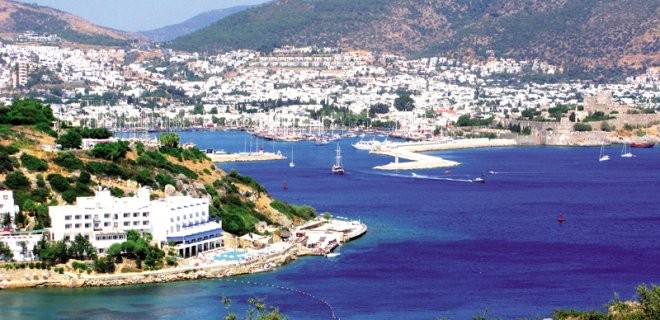
- Bodrum : Known for its nightlife, white-washed villages, and castle overlooking the harbor.
- Fethiye : The gateway to the Blue Cruise and home to the stunning Saklıkent Gorge.
- Ölüdeniz : Famous for its protected lagoon and the world-class paragliding spot at Babadağ.
- Marmaris : A bustling marina town perfect for yacht charters and water sports.
- Dalaman : The practical hub for arrival, serving as a base for beach clubs and glamping sites.
Logistics and Timing for Your Visit
Getting there is straightforward. Dalaman Airport (DLM) and Milas-Bodrum Airport (BJV) serve the region with direct flights from many European hubs, making it accessible for last-minute bookings. If you are coming from within Turkey, the highway network connects all major towns efficiently.
When to go:
Peak season runs from June through August. Prices for accommodation skyrocket during these months. If you want to balance good weather with slightly lower costs, aim for late May or early September. The sea is warm enough for swimming, the air is not stifling, and the crowds thin out just enough to make reservations easier.
What to budget for:
Expect to pay a premium for sea-view hotels. However, the value lies in the food and local transport. Eating at local lokantas (small family-run eateries) offers authentic Turkish cuisine at a fraction of resort prices. Renting a car gives you the freedom to explore inland villages, though many travelers opt for dolmuş (shared minibuses) which are cheap and frequent.
Is It Worth the Hype?
Yes, but with a caveat. Muğla is crowded. If you seek total isolation, you will need to venture far off the main
Muğla sadece bir il değil, bir yaşam biçimi. Yazın sıcaklığı yükseldiğinde, denizin mavisine hapsolmak isteyen binlerce gezginin rotası burası. Bodrum’un zarafeti, Marmaris’in coşkusu, Fethiye’nin adrenalin dolu manzarası… Ve tabii ki, komşu ilin o efsanevi sahilleriyle yarışan Antalya’nın büyüleyici kıyıları. Eğer planlamayı doğru yapıyorsanız, bu bölgenin sunduğu detaylar sizi şaşırtacak.
Bodrum: Tarihi ve Modernitesin Çarpıştığı Ada
Tatil denince akla gelen ilk isimlerden biri şüphesiz Bodrum. Burası sadece huzur arayanlar için değil, her yaştan gezginin keyif alabileceği dinamik bir durak. Yurt içinden ve yurt dışından her yıl on binlerce ziyaretçi alıyor olmasının sebebi belli: Doğal güzelliklerin yanı sıra tarihi dokusu ve canlı eğlence hayatı da var. Uzun yaz sezonu sizi bekliyor.
Sahil şeridinde vakit geçirmek isteyenler için Bodrum’un en iyi plajları belirleyici olabilir. Kumsal deneyimi mi arıyorsunuz, yoksa daha sakin, taşlık koylar mı? Karar vermek için rotanızı önceden belirlemeniz şart.
Marmaris: Turların Başkenti
Muğla’nın diğer devlerinden Marmaris. Ülkemizin en çok turist çeken bölgelerinden biri olmasının arkasında yatan neden, sadece sahil şeridi değil. Burası gezilecek yerler açısından da oldukça zengin.
Tekne turlarıyla ünlü koyları, tarihi kalesi ve gece hayatıyla dikkat çekiyor. Eğer “Marmaris’ta nereden başlamalıyım?” diye düşünüyorsanız, kale tepesinden inerek limana doğru yürümek iyi bir başlangıç. Amaç sadece güneşlenmekse, plajlar arasında seçim yapmanız gerekecek.
Fethiye: Adrenalinin ve Huzurun Buluştuğu Yer
Muğla denince akla gelen bir diğer ikonik nokta Fethiye. Özellikle yamaç paraşütü tutkunları için vazgeçilmez bir adres. Ölümün ve doğanın kesiştiği nokta, Kabak Koyu’ndan Babadağ’a uzanan bir yolculuk sunuyor.
Yaz aylarında en çok tercih edilen tatil bölgelerinden biri olan Fethiye, sadece sporla sınırlı kalmıyor. Tekne turları, tarihi Likya Yolu yürüyüşleri ve antik kentler… Listemizin en keyifli duraklarından biri.
Antalya: Sahil Şeridinin Efsanesi
Muğla’dan hemen sonra, komşu ilin o efsanevi sahilleriyle yarışan Antalya’nın büyüleyici kıyıları… Eğer rotanız güney batıya doğruysa,
Antalya deyince akla gelen ilk şey sahiller değil mi? Doğru. Ancak bu şehir sadece kumlu plajlarla sınırlı değil. Yaz aylarında yerli ve yabancı turistlerin buluşma noktası olan Antalya, Türkiye’nin turizm motorlarından biri. İstanbul’la birlikte bu işin iki ana direği. Ama Antalya’nın sunduğu seçenekler daha geniş. Deniz ve kumun ötesine geçen bu kent, yılın her döneminde farklı bir turizm kapısı aralar.
Sadece yazın değil. Kışın bile işler durmaz. Kongre merkezleri, yayla turları, mağara keşifleri, kamp alanları ve hatta inanç turizmi için özel tesisler var. Sağlık turizmi de bu listede yer alıyor. Spor dalları da buna dahil. Kısacası, Antalya her zevke, her bütçeye, her mevsime hitap eden bir ekosistem.
Otel Seçiminde Strateji: Hangi Bölge?
Antalya’nın otel piyasası karmaşık. Fiyatlar lokasyona göre değişir. Lüks bir deneyim mi arıyorsun? Lara ya da Konyaaltı bölgelerine odaklan. Orta bütçe için Kaleiçi ve merkez Antalya daha uygun. Uçakla gelip direkt otele geçmek istiyorsan, Belek veya Side gibi bölgelerdeki büyük kompleksler işini kolaylaştırır.
Bütçeni korumak istiyorsan, sezon dışı planlama yap. Temmuz-Ağustos gibi aylarda fiyatlar zirve yapar. Mayıs veya Eylül’de gitmek, hem daha düşük maliyet hem de daha sakin bir ortam demektir.
Neden Antalya? Avantajlar ve Dezavantajlar
Antalya’nın en büyük avantajı altyapı. Ulaşım kolay. Havaalanı şehre yakın. Otobüs, taksi, kiralam arabalar her yerde mevcut. Turistik bölgelerde İngilizce bilen personeller var. Bu, ilk kez Türkiye’ye gelenler için güven verir.
Ancak dezavantajlar da var. Yazın aşırı kalabalık. Bazı plajlar şişiyor. Fiyatlar o dönemde hayli yükselebilir. Ayrıca, tarihi mekanlarda yaz sıcağı dayanılmaz olabilir. Erken saatlerde veya akşamüstü planlama yapmak zorundasın.
Ne Yapılır? Sadece Plaj Yetmez
Antalya’da yapılması gerekenler listesi uzun. Damlataş Mağarası gibi doğal güzellikleri keşfedebilirsin. Düden Şelalesi’nde yürüyüş yapabilirsin. Yerebatan Sarnıcı gibi tarihi yapılar şehir merkezinde. Bu yerler kültür turizmi için ideal.
Spor tutkunuysan, golf turizmi için Belek’in alanları dünyaca ünlü. Dağcılık için Toroslar dağları bekliyor. Yamaç paraşütü için Kaş gibi ilçeler tercih edilebilir
İzmir artık sadece bir geçiş noktası değil. Türkiye’nin batı kapısı olarak bilinen bu şehir, son birkaç yılda turizm haritasında köklü bir değişim yaşadı. Eski gümüş kadeh gibi parlak ama daha statik bir duruş sergilerken, şimdi dinamik. Daha hızlı. Daha modern.
En büyük kanıt? Tatilcilerin tercihleri.
Yıllarca Antalya’nın Belek, Side, Alanya ve Kemer gibi devleri kıskanan İzmir, şimdi onları geride bırakıyor. Muğla’nın lüks cennetleri Bodrum ve Kuşadası da aynı kaderi paylaşıyor. İzmir, özellikle yerli turistler arasında inanılmaz bir ivme kazandı. Neden? Basit bir cevap var: Tarz.
Çeşme ve Alaçatı: Yeni Favori Limanlar
Çeşme, yaz aylarında tatilcilerin akın ettiği bölgelerden biri olmaya devam ediyor. Ancak artık sadece plajdan ibaret değil.
Alaçatı, ise bir başka kategori.
Bu iki bölge, İzmir’in turistik kimliğini yeniden tanımlıyor. Alaçatı’nın dar sokakları, taş evleri ve rüzgar sporları merkezi olmasının ötesinde, bir yaşam tarzı sunuyor. Çeşme ise geniş kumsal seçenekleri ve lüks tatil köyleriyle tamamlıyor resmi.
Bu artışın arkasında sadece fiyatlar değil, erişilebilirlik ve hizmet kalitesi de yatıyor. Uçak seferlerinin artması, otel yatırımlarının çeşitlenmesi ve daha genç, daha deneyimli bir kitleyi cezbeden atmosfer, İzmir’i öne çıkarıyor.
Neden İzmir? Karşılaştırmalı Bir Bakış
Antalya’nın büyük resort otelleri hâlâ güçlü. Bodrum’un gece hayatı efsanevi. Ama İzmir’in sunduğu şey farklı. Daha entegre. Daha kentsel. Daha doğal.
- Erişilebilirlik: İzmir Adnan Menderes Havalimanı, hem iç hatlar hem de artan dış hatlar için stratejik bir merkez.
- Çeşitlilik: Şehir merkezi tarihle, Çeşme-Alaçatı ise doğa ve lüksle konuşuyor. Tek bir trip’ta ikisini de deneyimleyebilirsiniz.
- Yerli Talep: Yerli turistler, uzun uçak uçuşlarından kaçınıyor. İzmir, Türkiye’nin içlerinden daha yakın. Bu da talep hacmini artırıyor.
- Hizmet Kalitesi: Son dönemde açılan butik oteller, gastronomi konseptleri ve organizasyonlar, standartları yukarı çekti.
İzmir Gezilecek Yerler: Sadece Kıbrıs Değil
Evet, başlıkta Kıbrıs var. Ama burası İzmir. Kıbrıs, Güney Kıbrıs’taki Türk turizmiyle ilişkiler nedeniyle bazen kar
Summer heat doesn’t just push people toward the coast in Cyprus; it pulls them there. It’s the obvious choice. You want sun? You get it. You want a dip in the Mediterranean? Done. But let’s be honest about why the island stays on every traveler’s radar. It isn’t just the azure water. It’s the glint of neon lights in the evening. The casinos. They are a massive draw. Hotels built around them turn the whole island into a playground for nightlife and high-stakes drama. Add that to the fact that the sea is warm enough to swim in by June, and you have a recipe for a packed season.
Why Cyprus dominates summer tourism
The island works because it offers two distinct flavors of escape. One side is pristine beach. The other is urban nightlife. You can spend your morning swimming off Ayia Napa and your night betting on roulette in a luxury hotel. It’s a jarring contrast, but it works. The weather cooperates. The infrastructure supports it. And the draw of the gaming halls? That’s where the real money flows.
“You want sun? You get it. You want a dip in the Mediterranean? Done. But let’s be honest about why the island stays on every traveler’s radar.”
Navigating the coastal hotspots
Most visitors stick to the southern strip. That’s smart. It’s where the action is. But if you wander north, past the main resort hubs, the vibe changes. The crowds thin out. The history becomes thicker. You start seeing old churches carved into rock faces. You see Venetian towers that have stood for centuries. It’s worth the drive. The logistics are simple. Rent a car. Skip the guided bus tours unless you want to feel herded. Drive. Stop when you see something interesting.
Beyond the casino floor
Yes, the casinos are iconic. Places like The Parisian or the various hotels in Ayia Napa and Protaras are built for the gambler. But they are also architectural statements. If you aren’t betting, you can still appreciate the opulence. Grab a drink at the lobby bar. Watch the world go by. It’s people-watching at its finest. Then, when the sun sets, head inland. The mountain villages like Troodos offer a cool breeze when the coastal heat gets oppressive. It’s a stark difference in temperature. A 10-degree drop in an hour. That’s a selling point you don’t get in many Mediterranean destinations.
Practical tips for the summer trip
Timing matters. July and August are peak season. Prices for hotels spike. Traffic on the coastal roads becomes a parking lot. If you can shift your trip to late May or early June, you win. The sea is still warm. The crowds are manageable. The prices are lower. Book your accommodation near the beach if you want easy access to the water. Book it near the casino district if you want to walk to the nightlife. Your choice defines your trip.
What’s actually worth seeing
Skip the generic souvenir shops. They are everywhere. They sell the same plastic trinkets to everyone. Instead, find the local tavernas. Look for the ones with no English menu. Order the meze. It’s a spread of small dishes. Halloumi cheese. Grilled
Mersin gets the praise for being a chilled-out coastal gem, especially in July and August. But if you are looking for value without the Mediterranean crowds, look north to Sakarya’s Karasu and west to Aydın’s Didim. These aren’t just alternatives. They are the quiet, sun-drenched options that seasoned travelers know about before the masses show up.
Sakarya / Karasu: The Black Sea Jewel
You might expect the Black Sea coast to be humid or grey. Karasu proves you wrong. Known as the “Pearl of the Black Sea,” this town is small, intimate, and intensely green in the off-season. By summer, it transforms. The water is clear enough for snorkeling, and the pine forests behind the beaches offer natural shade when the midday sun gets too aggressive.
It’s not flashy. There are no towering luxury resorts dominating the skyline. Instead, you get family-run pensions, local restaurants serving fresh trout and corn, and a rhythm that moves at the speed of the tide.
“Karasu is where you go to decompress, not to be seen.”
Logistically, it’s easy. It’s about two hours from Istanbul. If you’re driving, the coastal route is scenic. If you’re flying into Sabiha Gökçen, you can grab a bus or rent a car for less than you’d pay for parking in Antalya. A night in a standard guesthouse runs around 800-1500 TRY. Meals at local spots? Keep it under 300 TRY for a solid lunch.
Timing matters. Go in late June or early September. The water is warm, the air is breathable, and you actually get a beach chair.
Aydın / Didim: The Aegean Powerhouse
Now, pivot to the Aegean coast. Didim has changed. Ten years ago, it was all-inclusive packages and loud tourists. Today? It’s balancing act. You still have the massive resorts, but you also have the ancient ruins of Miletus and Priene just inland.
The beach here is long, sandy, and backed by hills. It’s more exposed than Mersin or Karasu, so the breeze keeps it cool. This is a destination for history buffs who also want a swim.
Why go here? Accessibility and depth. You can spend the morning walking through the Temple of Apollo ruins and the afternoon diving off a public beach. It’s practical tourism. You aren’t just lying in the sun. You are engaging with a landscape that has been a trade hub for millennia.
Costs here are slightly higher than Karasu due to the resort infrastructure, but you can easily find mid-range apartments for reasonable rates if you stay just outside the main resort strip. A dinner in Didim center might set you back 400-600 TRY per person, but the portion sizes and quality usually justify it.
Choosing Between the Two
Which one fits your trip?
- Pick Karasu if you want nature, silence, and a rustic feel. You are okay with fewer amenities in exchange for peace. The food is simpler, the nightlife non-existent (unless you count the occasional beach bar). It’s for the traveler who wants to disconnect.
- **
The Aegean Coast: Beyond the Heat
Aydın might not grab headlines like Istanbul, but summer here has a specific rhythm. The heat is real, but so is the relief. And you cannot skip Didim. It is not just a stop; it is a destination that draws crowds for good reason.
But let’s talk about the other half of the equation. The one that usually sits in the shadow of Didim’s ancient ruins. Kuşadası.
If you are planning a trip to the Aegean, this is where the logistics get interesting. You have two distinct vibes within a short drive of each other. Didim offers history and a calmer, more residential beach town feel. Kuşadası? It is a machine. A cruise ship hub. A labyrinth of markets.
Why Kuşadası Dominates the Guidebooks
When travelers ask about Aydın holiday itinerary, Kuşadası is almost always the anchor. Why? Because it is built for volume. With over a dozen cruise ships docking daily during peak season, the infrastructure is robust. You will not struggle to find a table. You will not struggle to find a pharmacy. You will not struggle to find a currency exchange.
That convenience comes with a trade-off. The atmosphere is busy. Loud. Sometimes chaotic.
If you are looking for quiet beaches near Kuşadası, you have to move slightly away from the marina. The main strip along the beach gets congested by tour groups. But head east, toward the coves, and the water remains turquoise and clear.
Navigating the Cruise Ship Traffic
One of the most practical concerns for anyone visiting Kuşadası cruise port is timing. If your ship docks, the town swells. Suddenly, the main shopping streets are packed. The price of a coffee spikes. The parking becomes a nightmare.
Here is the hack: Plan your land excursions for the off-season or early morning. If you are staying in a hotel, ask the concierge about the specific ship schedule. Book your tours for the afternoon when the ships sail away. The town empties out. The locals come back out. You get the real rhythm of the place.
Is Didim or Kuşadası Better for Families?
This is a common comparison. Didim vs Kuşadası for families depends on what you value.
Kuşadası has the Grand Aquapark. It is huge. It is fun. But it is also commercial. Didim has the Long Beach (Uzun Plaj), which stretches for miles. The sand is softer there. The water is shallow for a long distance, making it safer for younger children. Plus, Didim feels less like a tourist trap and more like a town where people actually live.
The Food Scene: What to Actually Eat
Do not just eat at the hotels. In Kuşadası local restaurants, you want to look for places with Turkish flags outside. Look for grills. The Aegean diet is simple. Olive oil. Lemon. Seafood.
In Kuşadası, the marina area is expensive. Walk two blocks inland. You will find lokantas —small eateries with rotating daily menus. A plate of grilled sea bass, a side of cacik (yogurt with cucumber and garlic), and some bread
It’s the oldest resort in the book for anyone obsessed with the Aegean. You hit the ground running here. The coastline is aggressive in its beauty. Bright blue water. White sands. You can stay by the sea all day without lifting a finger. When the sun drops, the energy shifts. The nightlife doesn’t just compete—it dominates.
Where to stay in Aydın
If you’re chasing that specific Aegean vibe, Aydın is the hub. It’s not just a transit point. It’s a destination in its own right for travelers who want history mixed with relaxation. The hotel landscape here is diverse. You’ve got boutique stays in restored Ottoman houses. You’ve got modern complexes near the coast.
The key is balancing the historic charm of the interior with the beach access of the coast.
For the best options, look beyond the capital city center. Move toward the coastal districts. The prices drop when you step away from the main squares. You get more space for your money.
Antalya / Belek
Now we pivot. Suddenly, you’re not in the rugged, historic Aegean. You’re in Belek, Antalya.
It’s a different beast entirely. Belek is built for luxury. It’s flat. It’s manicured. If you like wide boulevards and massive resort complexes, this is your spot. The golf courses here are world-class. They’re not just tourist traps; they’re serious venues for international tournaments.
Which is better? It depends on what you want from your trip.
The Aegean offers texture. Stone walls. Olive groves. Local tavernas serving fresh fish caught that morning. Belek offers polish. Private beaches. All-inclusive precision. Spa treatments that cost more than a week’s rent elsewhere.
Logistically, Belek is easy. It’s about an hour from Antalya Airport. You can fly in, grab a drink, and be on a green in under two hours. The cost is higher. A night in a five-star beachfront suite will run you significantly more than a comparable stay in Aydın’s coastal towns. But you’re paying for the infrastructure. The service is uniform. The amenities are constant.
Timing matters here too. The Aegean season stretches longer. You can still swim in late October if the weather holds. Belek’s peak is tighter. Summer heat can be intense. The shoulder seasons offer pleasant weather but some facilities might be on reduced schedules.
The contrast defines the choice
You don’t have to choose just one if you have the time. Many travelers fly into Izmir or Bodrum (Aegean) and then hop south to Antalya. The drive is long, but the variety is unmatched. One week, you’re hiking through ancient ruins and eating at family-run spots. The next, you’re sipping cocktails by an infinity pool overlooking the Mediterranean.
The Aegean feels lived-in. Belek feels designed. Both are valid. Both are stunning. Just know what you’re signing up for.
If you’re chasing that specific Mediterranean glow, Belek isn’t just a stopover. It’s a destination carved out by sand, sea, and high-stakes leisure. This stretch of Antalya’s coast has earned its stripes. Travelers flock here not just for the sun, but for the infrastructure built around it.
Consider the golf scene first. It’s not an afterthought here. It’s the anchor.
Belek hosts some of Europe’s premier courses. That’s why you see so many visitors from abroad, particularly the UK and Northern Europe, descending in winter months. They aren’t looking for backpacking trails. They want pristine turf, caddies, and luxury. The golf hotels cater to this entirely. Think championship layouts, spa packages, and all-inclusive resorts that double as golf academies.
But even if you can’t hit a drive past the fairway, the appeal remains. The five-star hotels are relentless in their service. They are massive complexes. You get private beaches, multiple pools, and dining options that rotate daily. The sea is warm. The water is clear. It’s designed for relaxation, not adventure.
The Kastanson Contrast
Now, let’s pivot. You might be looking at maps and wondering about Kastamonu. It’s a valid question. Why compare a coastal golf hub to an inland Anatolian city?
Because travelers often confuse “summer vacation” with “Turkish scenery.” They aren’t the same.
Kastamonu is beautiful. It’s green. It’s historic. But it is not Belek.
Belek is about the beach. It’s about the heat. It’s about the ease of sliding from a golf course to a poolside cabana in forty minutes. Kastamonu is about mountains, forests, and cooler climates. If you want to play golf under a glaring sun, Kastamonu is the wrong choice. If you want to hike through oak forests and explore medieval stone houses, Belek’s broad, manicured beaches will feel too commercial.
The choice isn’t about quality. It’s about intent.
Logistics and Timing
Getting to Belek is straightforward. You fly into Antalya (AYT). From there, it’s a thirty-minute drive north along the D400 highway. The traffic can be heavy in peak season (July and August). Renting a car helps, but most golfers stay put. The resorts are self-contained ecosystems.
Costs vary wildly. A room at a luxury golf resort can easily run into four figures per night during peak season. Off-season, prices drop significantly. But even then, the minimum spend for golf packages is high. You’re paying for the maintenance of the courses.
Timing matters. Spring (April-May) and Autumn (September-October) offer the best balance. The weather is warm enough for swimming but not oppressive. The golf courses are in peak condition. Winter is busy with golfers escaping the cold, but the sea might be too chilly for a dip.
What’s Actually Worth Seeing
Beyond the hotel walls, Belek has limited “sightseeing” in the traditional sense. There are no ancient ruins within walking distance. The ancient city of Side is about forty minutes away. You can see the temple, the theater, and the
Kastamonu doesn’t just sit there. It breathes. The air off the Black Sea hits you first—cool, damp, heavy with pine and salt. It’s a specific feeling. You haven’t really felt it until you stand on the coast and let it soak into your lungs.
This city isn’t about rushing. It’s about the slow accumulation of moments. For travelers looking for a Kastamonu summer escape, the payoff is quiet but sharp. The landscape pulls you in. The sea pushes back. And the nature? It’s raw. Unfiltered.
Why Kastamonu Works for Summer Travelers
Most people skip this part of Turkey. They head for Antalya or Bodrum. They want the crowded beaches and the tourist traps. Kastamonu offers something else. It’s about space. Silence. And history that hasn’t been sanitized for Instagram.
The vibe is different here. It’s not frantic. It’s steady. You walk through the streets and the buildings look like they’ve been waiting for you. Stone walls. Wooden beams. The air smells like wet earth and grilling fish. It’s sensory overload in the best way.
“The Black Sea air here isn’t just weather. It’s a character in the story of your trip.”
Where to Go When the Heat Hits
You need to move. Stay in one spot and the humidity gets to you. The trick is to keep shifting gears. Start in the morning when the light is flat and grey. Perfect for photos. Not the golden-hour glow. The real, unvarnished light.
- The Coastline: Drive north. The roads wind tighter. The views get sharper. You’ll find small coves that aren’t on the main maps. These are the spots. No lifeguards. No umbrellas. Just water.
- The Inland Villages: Turn inland. The temperature drops. The green gets deeper. You’re looking for the villages that cling to the hillsides. They’re not tourist hubs. They’re real places. Real people.
What to Actually See
Don’t waste time on generic stops. Kastamonu has specific assets.
- The Old Wooden Houses: They’re everywhere. Look up. Look at the facades. The craftsmanship is distinct. Ottoman-era woodwork that’s survived centuries. It’s not a museum. It’s a living neighborhood.
- The Stone Bridges: They’re scattered. You’ll spot them from the road. Arching over streams. Silent. Solid. They remind you why the infrastructure here lasted.
- The Seafood: It’s not a suggestion. It’s a requirement. The fish is fresh. Caught hours ago. Cooked simply. Oil, lemon, dill. Nothing fancy. Just quality.
Logistics and Timing
June and July are the sweet spots. The crowds haven’t peaked yet. The weather is consistent. You won’t get hit by sudden storms often. But by August, the tourists return. If you want the solitude, go early.
Budgeting is straightforward. Accommodation ranges from boutique guesthouses to standard hotels. The guesthouses win for atmosphere. You’re sleeping in restored heritage homes. The cost is comparable to mid-range city stays. But you get the setting. The quiet.
Food costs are lower than the southern resorts.