Finland isn’t just a dot on a map. It’s a lifestyle upgrade. The country boasts some of the highest living standards in the world. Quality education is the norm. It consistently ranks as one of the most livable places on earth. The population is small. Just over five million people call this Nordic nation home.
That small size creates intimacy. It also makes it a top destination for students recently. You can study here and find yourself in a society that values order and nature equally. The official languages are Finnish and Swedish. If that sounds intimidating, don’t worry. The population speaks fluent English. You can navigate daily life without learning a single dialect of the local tongue.
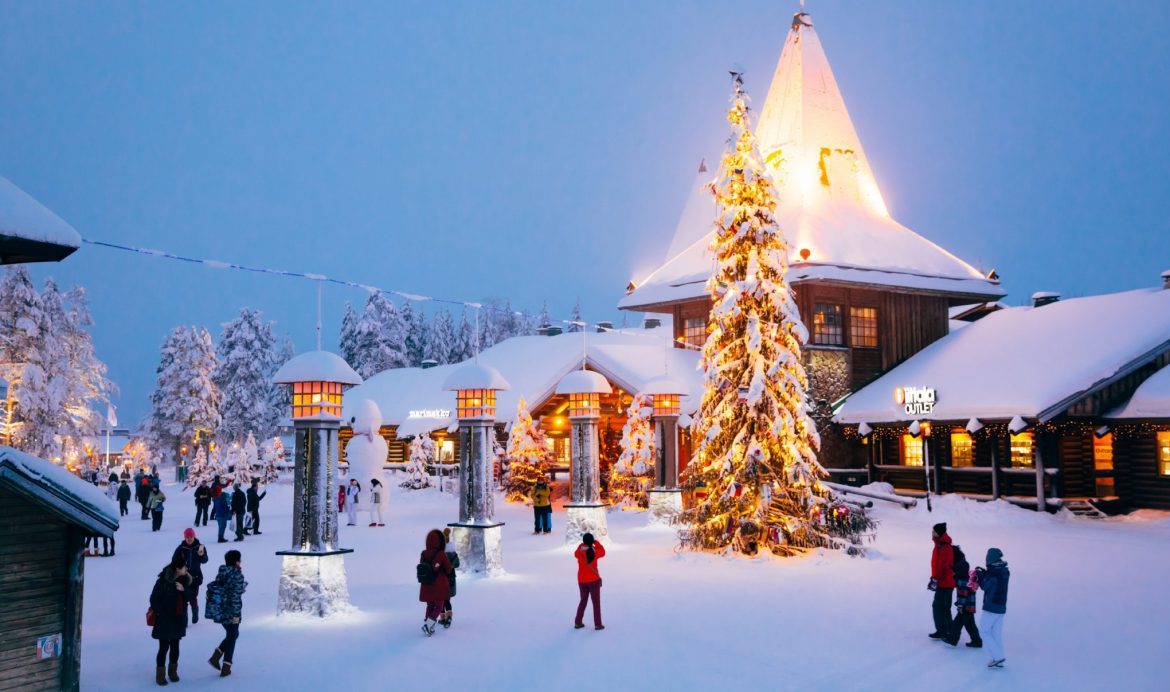
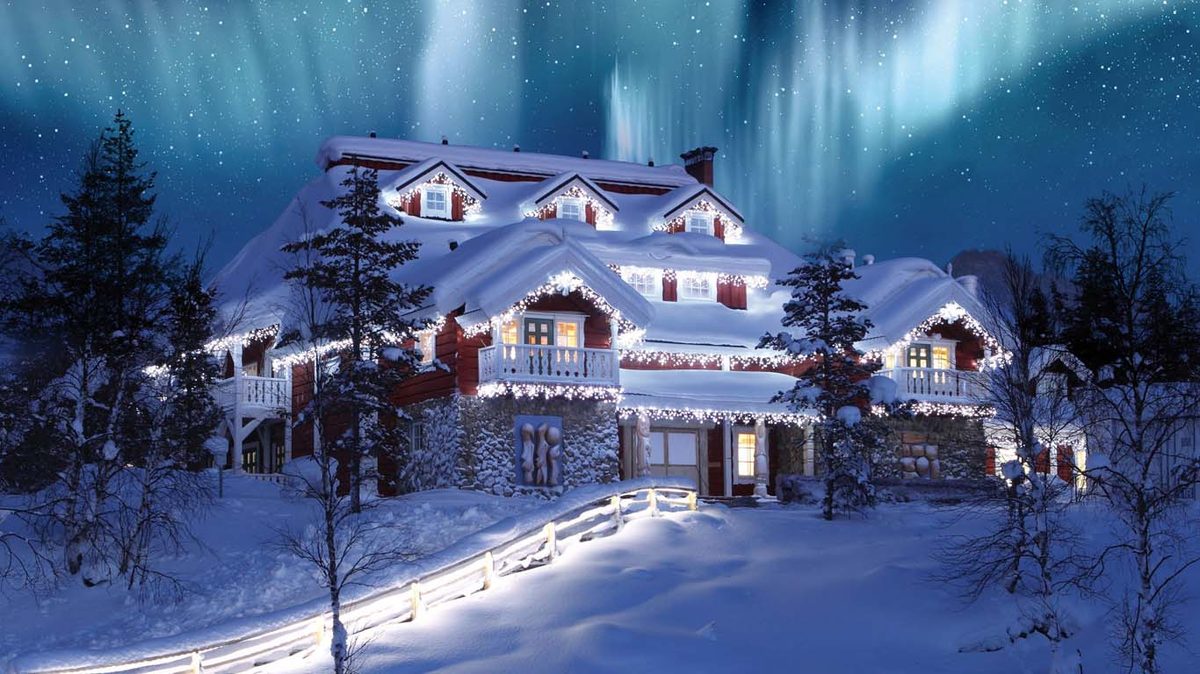
Seasons here are dramatic. Summer brings the midnight sun. For several weeks, the sun doesn’t set. It dips below the horizon but never fully disappears. It’s eerie. It’s beautiful. It’s unique. Winter brings darkness. And Lapland. The northern region is officially recognized as the hometown of Santa Claus. Kids believe it. Adults pretend to. Everyone buys the merchandise.
Why Visit Finland Now?
Travelers are flocking here. The infrastructure is excellent. The safety record is stellar. But there’s a practical side to planning this trip. You need to know where to go. You need to know how to move around. And you need to know when to book.
1. Helsinki: The Urban Anchor
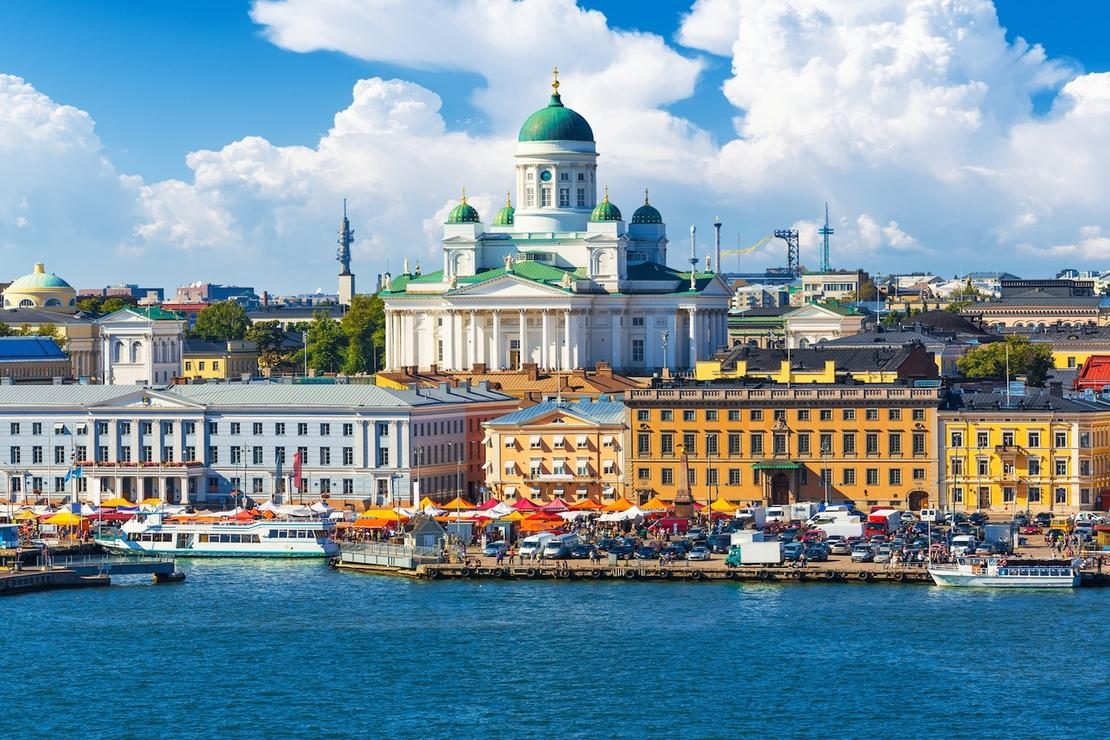
Helsinki is the capital. It is also the largest city. In Swedish, it’s Helsingfors. The center is dense with history. It’s also dense with green space. Wide boulevards cut through the urban grid. Parks sit between brutalist concrete and neoclassical stone. It feels open. It feels designed.
The city’s history is pinned to specific dates. December 6, 1917, marks the declaration of independence. You can’t erase that moment. It defines the national identity. Decades later, in 1952, the Summer Olympics were held here. The city infrastructure was upgraded to accommodate global visitors. That legacy remains in the sports venues and the public spaces.
Visiting Helsinki requires a shift in pace. It’s not a rush-around city. It’s a walk-and-stare city. You’ll spend hours in museums. You’ll wander through the Temppeliauski Church, carved directly into solid rock. You’ll sit by the harbor. You’ll watch the Baltic Sea.
Logistics for Your Trip
How do you get there? Flights connect Helsinki to major hubs across Europe and beyond. Once you land, the public transport is reliable. Trams and buses cover the entire metropolitan area. You don’t need a car. You definitely don’t need a car if you’re staying in the city center.
When should you go? June through August offers the midnight sun. It’s peak season. Prices are higher. Days are long. You can hike at midnight. December through February offers snow. It’s dark. It’s cold. But it’s magical for seeing the northern lights.
What about food? Finnish cuisine is changing. Traditional dishes include reindeer stew and salmon soup. Modern restaurants are experimenting with local ingredients. Forest berries. Mushrooms. Fish. Don’t just eat at the tourist traps. Go to the markets. Try the local brew
Olavinlinna Castle and the Lake District
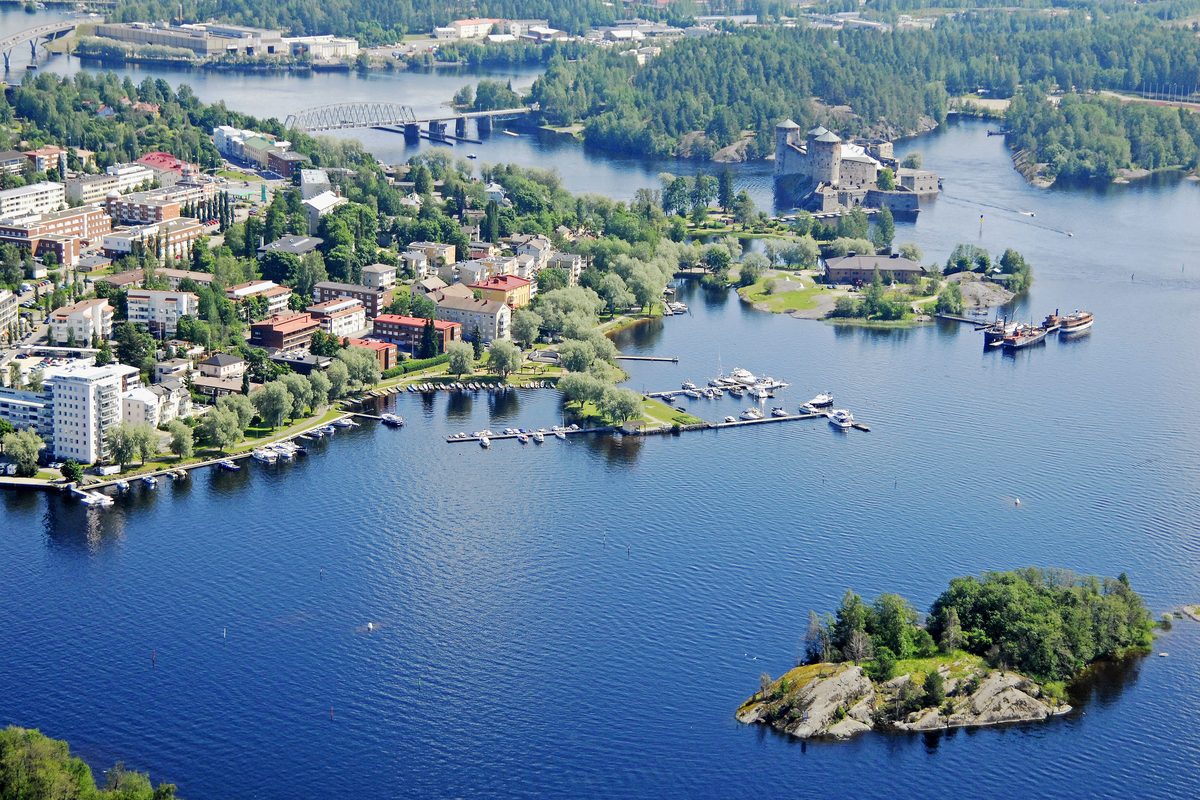
Savonlinna isn’t just a stop. It’s a destination that pulls you out of the Helsinki rhythm and into something quieter. The city sits in the heart of Finland’s Lakeland, a patchwork of water and pine that feels miles away from the capital’s concrete grid. You don’t find it by rushing. You find it by taking the train from Helsinki—a four-hour journey that trades urban noise for lake views. The ticket price hovers around €30-40 one-way, depending on how late you book. Worth every penny for the shift in perspective.
The anchor here is Olavinlinna, also known as St. Olaf’s Castle. Built in the 15th century, it’s a fortress of red brick rising straight out of the water. Most castles in Europe sit on hills or in parks. This one is isolated. Surrounded by lake. You can walk the walls in an hour. The stone is cold. The wind off the water cuts through jackets. But the view? Unmatched. You’re looking at a landscape that hasn’t changed much since the knights were patrolling these shores.
“You don’t just visit Olavinlinna. You feel its isolation.”
If the castle is the main event, the rest of Savonlinna fills in the details. You can spend an afternoon at the Orthodox Museum, tucked into the old town district. It’s small. Intimate. A glimpse into a religious tradition that many Finners practice quietly, without fanfare. Then there’s the Provincial Museum. It covers the regional history of Savonia. The exhibits focus on everyday life. Logging. Fishing. The harsh winters. It’s not flashy. It’s honest.
For the truly curious, Kerimäki is a short drive or bus ride away. It’s home to the world’s largest wooden church. I don’t say that lightly. Most people assume the largest structures are stone or steel. This one is timber. The architecture is unusual. A cross shape that dominates the flat landscape. The interior is bright. The acoustics are incredible. If you time your visit right, you might catch a choir rehearsal or a small service. The silence inside is heavy.
Timing matters here. The summer months bring the Savonlinna Opera Festival. The castle becomes a stage. Outdoor concerts echo off the brick walls. It’s chaotic. Beautiful. If you prefer quiet, visit in late autumn. The leaves turn gold. The lakes turn steel gray. The crowds vanish. You’ll have the castle almost to yourself.
Logistics are straightforward. The train station is a 15-minute walk from the castle. Buses connect to Kerimäki, but schedules are sparse. Renting a car gives you freedom. Parking near Olavinlinna is easy. Most spots are free outside the peak festival weeks. Bring layers. Even in July, the lake breeze hits hard.
You might wonder if it’s worth the detour from the more popular spots like Rovaniemi or Turku. Yes. It’s worth it. Not for the nightlife. Not for the shopping. For the stillness. For the sense of history that feels tangible. You walk through Olavinlinna and realize how small modern life has become. The castle doesn’t care about your schedule. It just sits there. Waiting.
The Ruins and Rebirth of Rovaniemi
Rovaniemi wasn’t always the Christmas capital of the world. It was erased.
The city lay in total ruins after the Second World War. The Soviet army burned it to the ground before withdrawing. This destruction created a blank canvas. Modern architects stepped in to build a new city from scratch. The result is a mix of brutalist concrete and surprisingly whimsical design. It feels disjointed on purpose. You’ll see sharp angles next to curved glass. It’s not pretty in the traditional sense. It’s functional. It’s resilient.
And now, it’s the gateway to the Arctic.
Why Visit Santa’s Official Hometown
If you’re planning a trip to Lapland, Rovaniemi Santa Claus Village is the anchor. It’s not a theme park. It’s an official address recognized by the Finnish government.
The village sits right on the Arctic Circle line. You can stand with one foot in Europe and one in Asia. Or vice versa. The temperature there is always colder than the rest of the city, though. Bring a hat.
Visiting Santa Claus Village involves a few steps. You buy a ticket to enter. It’s expensive. Expect to pay around 25 euros for adults. Kids might get in cheaper or free depending on age. Once inside, you can meet Santa. He’s always there. From November to December, he’s a main character. In July, he’s just a nice guy in a red suit posing for photos.
The post office is the real draw. You can send mail from the Arctic Circle. The postmark stamps your letter with a special logo. It travels from the North. That matters to people who care about logistics. It matters to kids. It matters to you if you want proof you were actually there.
Beyond the Red Suit
Rovaniemi has teeth. It’s not just about Christmas.
The Korundi Culture House is a brutalist concrete cube. It looks like a spaceship landed in the 1970s. Inside, it hosts exhibitions. Local art. International tours. It’s a hub for creativity in a city that had to reinvent itself.
The Pilex Science Center is worth an afternoon. It’s interactive. It’s hands-on. You can touch the displays. You can learn about the Aurora Borealis without relying on luck. The science behind the lights is clearer here. The explanation is better. You leave knowing more about the physics of the sky.
Then there’s the Jätkänkynttilä Bridge. It’s a pedestrian bridge. It crosses the Ounasjoki River. At night, it lights up. The lights reflect in the water. It’s a simple walk. But the view of the city skyline against the dark sky is striking. It’s quiet. It’s cold. It’s exactly what you want in winter.
Logistics and Timing
Getting there is easy if you’re already in Finland. Fly into Rovaniemi Airport (ROV). It’s a short hop from Helsinki. The flight takes about an hour. Trains from Helsinki take longer. Five to six hours. The train is scenic. The plane is fast. Choose based on your budget.
Winter is peak season. November to March. The snow is deep. The days are short. You
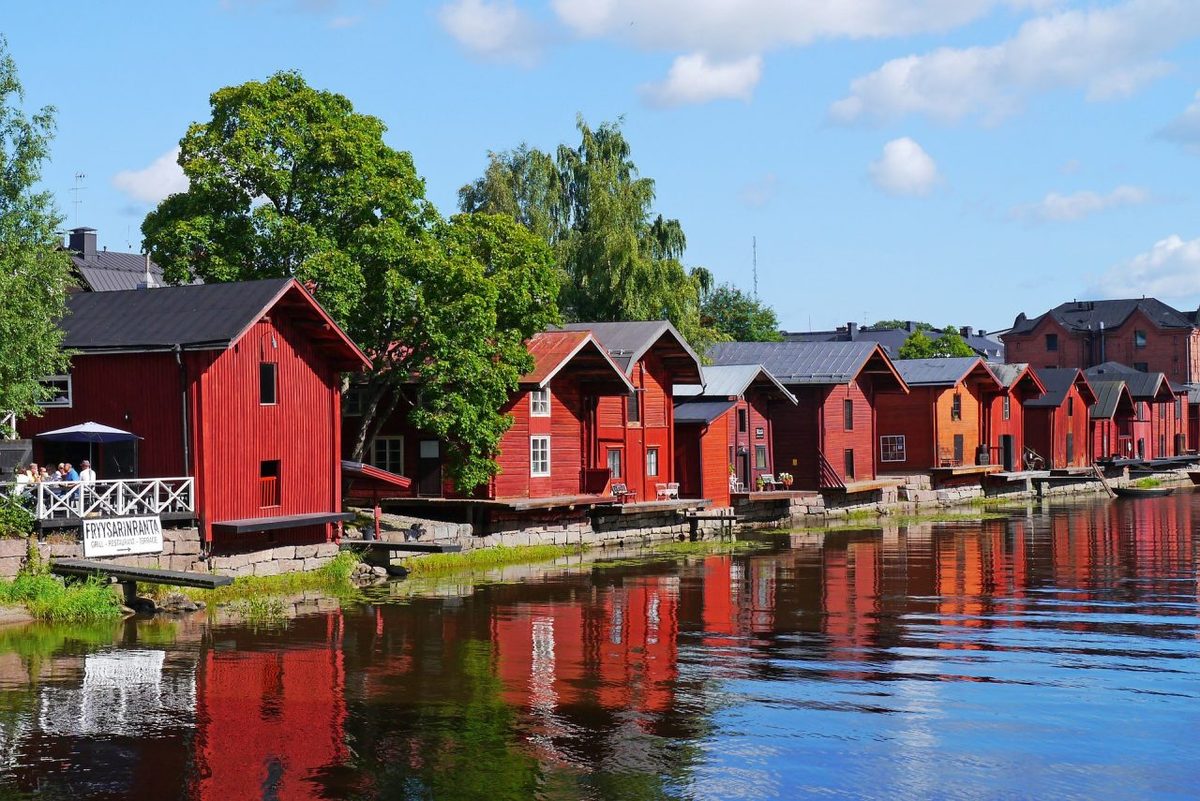
The Red Wooden Heart of Finland
Skip the glossy postcard view for a second. Porvoo isn’t just another pretty town. It’s Finland’s second-oldest city, and the architecture tells you why. Walk through Vanha Porvoo. Cobblestones underfoot. Narrow streets that feel like they’ve held their breath for centuries.
Most of those colorful wooden houses look like they fell out of a storybook. They aren’t. They’re late 19th-century structures. But look closer. Behind the facades, some buildings date back to the 13th century. That’s old. Really old.
“It’s not just about the pretty colors. It’s about the layers of history stacked in every beam.”
You can’t come here for the nightlife. You come for the stillness. The light hitting the red-painted wood. The smell of pine and river water.
Start with the Cathedral. It’s on a hill. You’ll see it from the waterfront. The interior is simple, but the acoustics are something else. Stand in the center and clap. Listen.
Then head down to the Porvoo Museum. It’s not a sterile gallery. It’s a working museum. They show you how people actually lived. Not the kings. The merchants. The painters. The ones who made the town tick.
How much does it take to see it right?
Plan for a full day. Morning light is best for photos. Afternoon for the museums when the tour groups thin out. You’ll need good shoes. The cobblestones are uneven. Trust me.
Is it worth the trip from Helsinki?
Yes. But only if you’re willing to slow down. If you’re rushing, go to somewhere else. If you want to touch the past, this is the place.
The red wooden houses of Porvoo don’t ask for your attention. They just wait. And if you stop long enough, they’ll show you everything.
Kemi: Where to Find the World’s Most Famous Ice Castle
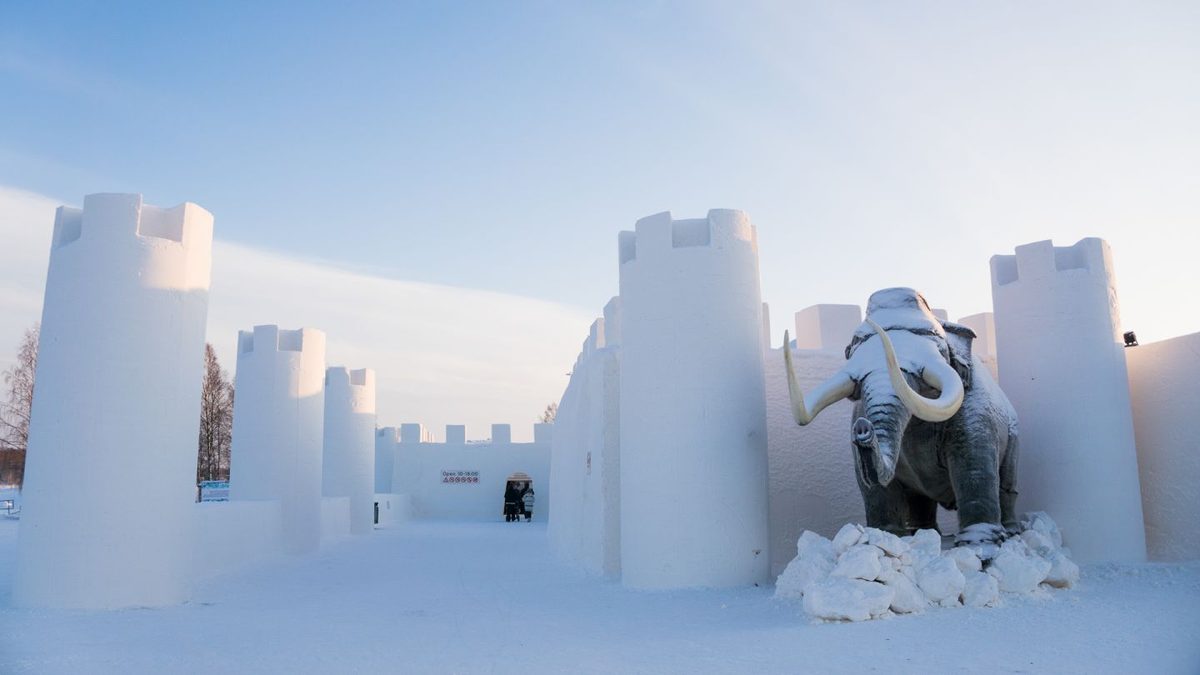
If you drive through Kemi, you might notice the industrial skyline first. Paper pulp factories dominate the view. It is a working port town in Lapland. But that isn’t why travelers come. They come for the snow. Specifically, the world’s largest operational ice castle.
This isn’t a static museum. It is built from scratch every winter. The structure rises directly from the frozen Gulf of Botnia. It is a temporary masterpiece.
“Kemi is the birthplace of the iconic ice castle, a three-story marvel that serves as a unique venue for weddings and concerts.”
The Kemi Snow Castle (Lumilinna) is Finland’s most recognizable tourist attraction. It changes slightly each year. The artists who carve it use massive chainsaws and specialized tools. They sculpt arches, towers, and intricate details out of blocks of snow.
Why Visit the Snow Castle in Kemi?
You could see many winter sights in Finland. Why this one? Because it is massive. It reaches heights of over six meters. Inside, you can walk through halls carved with ice sculptures. It gets cold. Very cold. But the atmosphere is electric.
The castle isn’t just for looking. It functions as a venue. Couples get married here. Musicians perform concerts within its icy walls. It transforms a frozen landscape into a social hub.
Best Time to Go
Timing matters. The castle is not open year-round. It appears when the ice is thick enough. Usually, this means January or February. The snow quality must be right. If you go too early, the ice might be unstable. Too late, and the spring sun begins to melt the structure.
Check the official opening dates before booking. They shift slightly depending on the weather.
What Else Is There?
While the castle is the main draw, don’t ignore the coast. Kemi has a sandy beach. Yes, really. In summer, locals flock here. In winter, the sea freezes solid. You can see the icebreaker ships cutting paths through the pack ice.
For a quick break from the cold castle, head to the Kemi Town Hall. It is a classic Finnish timber building. It sits near the harbor. You can grab warm fish soup there. It costs about 10-15 euros. It warms you from the inside out.
Logistics and Costs
Getting there is straightforward. It is about 400 kilometers north of Helsinki. The train takes around six hours. The bus is similar. If you fly, Oulu airport is the closest hub. From there, a bus or taxi gets you to Kemi in an hour.
Entrance to the Snow Castle is not free. Expect to pay around 20 euros for adults. Children often get in for half price. If you want to take photos inside, bring a camera with a charged battery. The cold drains power quickly.
Is It Worth the Trip?
Many travelers skip Kemi. They head straight to Rovaniemi for Santa Claus or Levi for skiing. That is a mistake. The Snow Castle offers something different. It is grander. More immersive. You can touch the walls. You can hear the crunch of snow underfoot.
It is one of Finland’s most famous tourist destinations for a reason. The scale is impressive
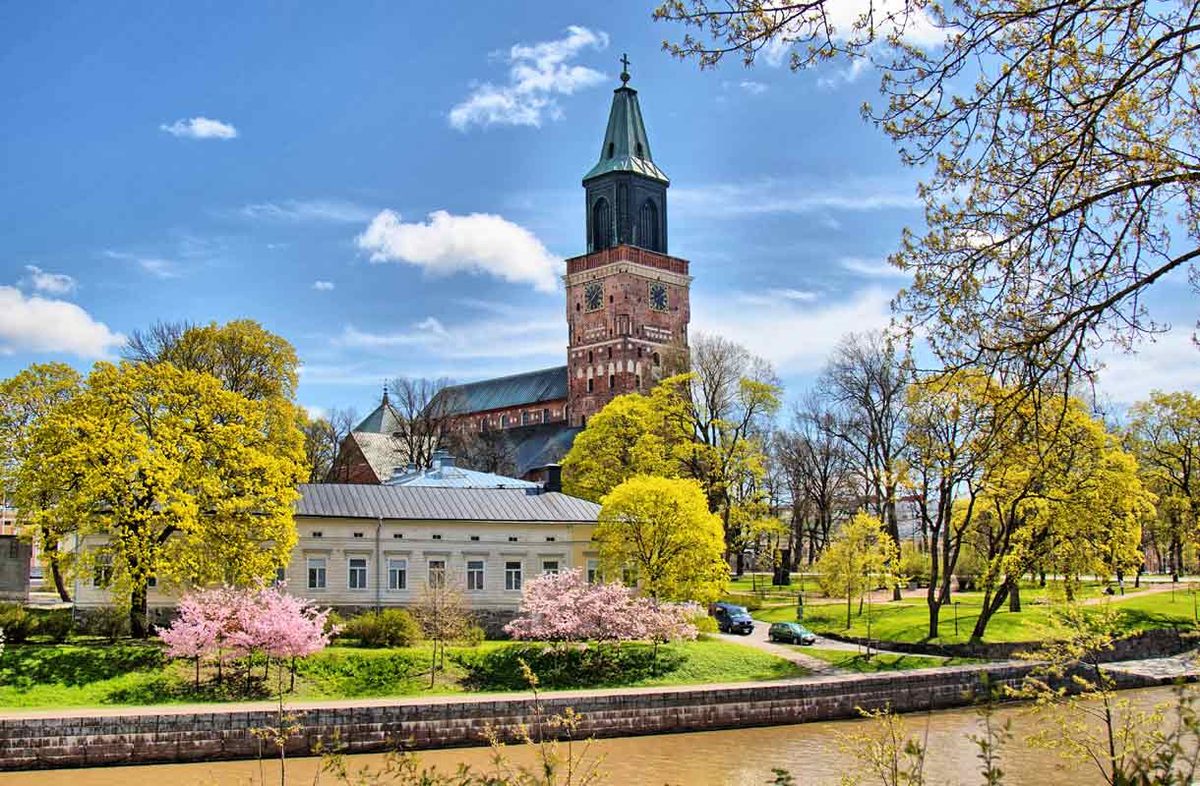
Turku sits on the southern coast where the land meets the Baltic Sea. It wasn’t always the capital. For much of the 19th century, Finland’s government operated here before moving to Helsinki. Today, it’s quieter. More manageable.
If you are planning a trip to Turku Finland travel itinerary, start at the water’s edge. The castle dominates the skyline. Turku Castle dates back to the 13th century. It’s heavy stone and cold wind. Inside, the exhibits dig into the medieval past. You can see how power was held in those days. It’s not just a pretty facade. It’s functional history.
Nearby, you’ll find the twin museums. Aboa Vetus and Ars Nova. One is ancient. The other is modern. They share a building but not an aesthetic. One digs into the ground beneath the city. The other looks forward. It’s a sharp contrast that works. You get the old and the new in one stop.
But the real soul of the city is elsewhere. After the great fire of 1827, much of Turku burned down. What survived? Not much. The Luostarinmäki neighborhood is one of the few areas with original wooden houses from the 19th century. It feels like stepping into a book. The wood is dark. The streets are narrow. It’s peaceful.
“Turku offers a slower pace, perfect for those wanting to escape the rush of Helsinki.”
How do you get there? Trains run frequently from Helsinki. It takes about two hours. The scenery changes quickly. Green forests give way to open water. When you arrive, walk. The city center is compact. You don’t need a car.
What’s worth seeing? The castle is a must. The museums are educational. But Luostarinmäki is the hidden gem. It’s quiet. You can hear your own footsteps.
Why go? To see a different side of Finland. It’s not just lakes and saunas. It’s history. It’s architecture. It’s time standing still in a wooden street.
Costs? Entry to the castle is around 15 euros. Museums vary. Luostarinmäki is free to walk through. Some workshops inside charge small fees.
Timing? Summer is busy. Winter is dark. But the light in winter has a certain quality. Blue hour lasts forever. It’s moody.
Logistics? Book tickets online if you can. The castle can get crowded. Museums are less so. Luostarinmäki is always available.
Which is better? Helsinki or Turku? They’re different. Helsinki is big. Turku is small. If you want energy, go to Helsinki. If you want reflection, stay in Turku.
There’s a café near the castle. It serves pastries. They’re good. Sit outside. Watch the boats.
The wind picks up. It’s cold. But the view is worth it.
You don’t need to see everything. Just pick one thing. And do it well.
The rest can wait.
The Lake District: Why Lakeland is Finland’s Best Kept Secret
If you think Finland is just pine forests and snow, the Lakeland region will reset your expectations. It’s not just “some water.” This is the country’s aquatic heartland, a place where the landscape is defined by water rather than land. There are roughly 55,000 lakes here. Most are small—some only 200 meters wide—but they create a fragmented, endless shoreline that feels like you’ve stepped into a different world.
The crown jewel is Saimaa. It’s massive. Complex. A labyrinth of islands and narrow straits that changes mood with every bend.
So, what do you actually do when you’re surrounded by that much blue? You don’t just stare at it. You get on it. Swimming here is cold but invigorating. Boat tours let you navigate the intricate waterways without getting lost. Hiking trails wind through the forests between the lakes, offering views that look postcard-perfect but are actually just Tuesday morning reality.
But if you’re looking for history carved into the rock, skip the museums. Go to Saint Olaf’s Castle. It’s medieval. It’s rugged. It’s built directly into the lakeside cliffs. You can’t miss it. You shouldn’t miss it.
“In Lakeland, the water isn’t background scenery. It’s the main character.”
Logistically, it’s a two-to-three-hour drive from Helsinki. Rent a car. Or take a train to a hub like Mikkeli or Lappeenranta, then rent a boat. The cost varies wildly depending on how much time you spend on the water versus land, but the value is high. You’re paying for solitude. For space. For silence that isn’t empty, but full of bird calls and lapping waves.
The best time to go? Summer, obviously. The midnight sun extends your day. But early autumn has its own draw. The leaves turn, the water cools, and the crowds thin out. You get the color without the heat.
Which route to take? The Saimaa Canal is famous, but the smaller, unnamed lakes are where the magic hides. Don’t stick to the main highways. Take the backroads. They’re narrower. They’re slower. They lead you to cabins with no Wi-Fi and docks that creak in the wind.
Is it worth the detour from the big cities? Yes. But don’t treat it like a checklist item. Treat it like a place to disappear, even if just for a weekend. The lakes don’t care about your itinerary. They just wait.
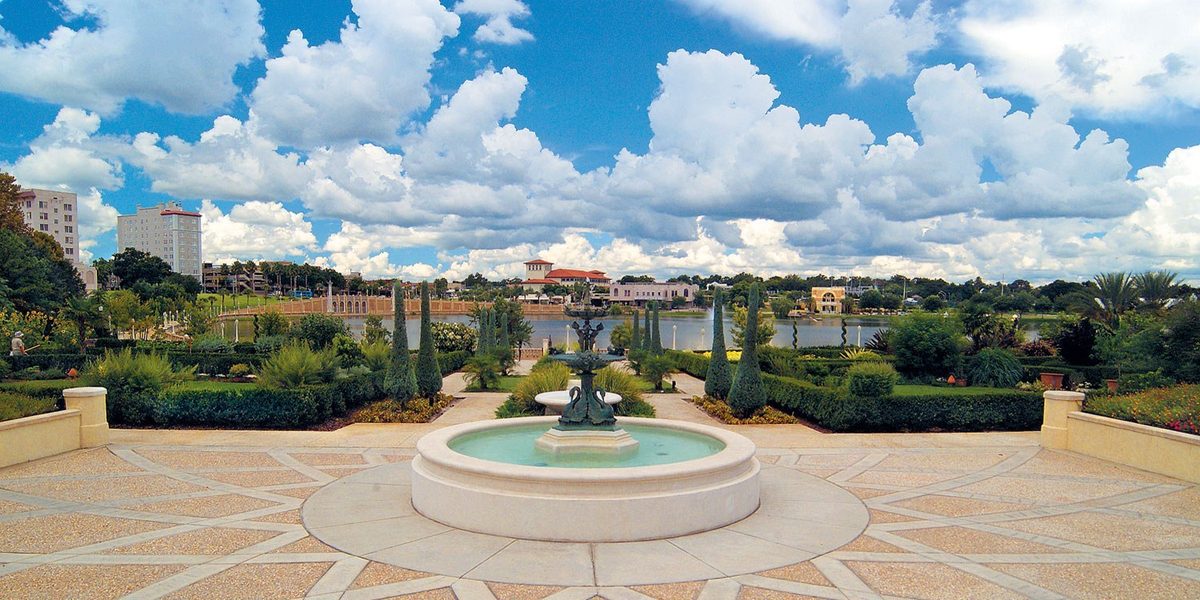
Tampere: The Industrial Soul of Finland’s Lake District
It’s easy to overlook Tampere. The country’s third-largest city by area doesn’t get the global spotlight of Helsinki or the historic charm of Turku. It’s often just a transit point. But that’s a mistake. The industrial grit and lake-side beauty here offer a grounded, authentic Finnish experience that feels far less staged.
You start at Vapriikki, the museum complex that tells the story of the city’s evolution. It’s not just one building; it’s a cluster. You’ll find the Natural History Museum here, which is great for understanding the region’s geology and wildlife. Then there is the Finnish Hockey Hall of Fame. If you care about sports culture, this isn’t just a locker room display; it’s a shrine to a national obsession.
The real draw of Tampere isn’t grand architecture. It’s the way the city sits between two lakes, offering views that are rugged, direct, and unpretentious.
After working through the museums, head out to the green spaces. Duck Park is exactly what it sounds like—a serene spot where you can watch waterfowl and locals walk dogs. It’s quiet. It’s peaceful. Nearby, the Hatanpää Arboretum offers a botanical walk that feels hidden away from the urban noise. It’s a good place to reset if you’ve been rushing through the city center.
For a shift in tone, drive or take a bus to Särkänniemi Adventure Park. It’s located on the city’s edge. You’ve got ferris wheels, roller coasters, and aquariums. It’s family-friendly, yes, but it’s also a classic example of Finnish leisure culture. You don’t need to spend a fortune here, but you should budget for a ride or two.
The city’s topography works in its favor. The hills provide panoramic views of the lake system. You don’t need a special vantage point. Just walk up any incline and look out. The water, the factories in the distance, the forest edge. It’s a composition that has inspired painters and writers for decades.
Pack layers. The weather turns quickly. Wear boots if you’re hitting the arboretum paths, especially if it’s rained recently. And leave room in your schedule for just sitting by the water. You don’t need a plan for every hour here. The city rewards slowness.
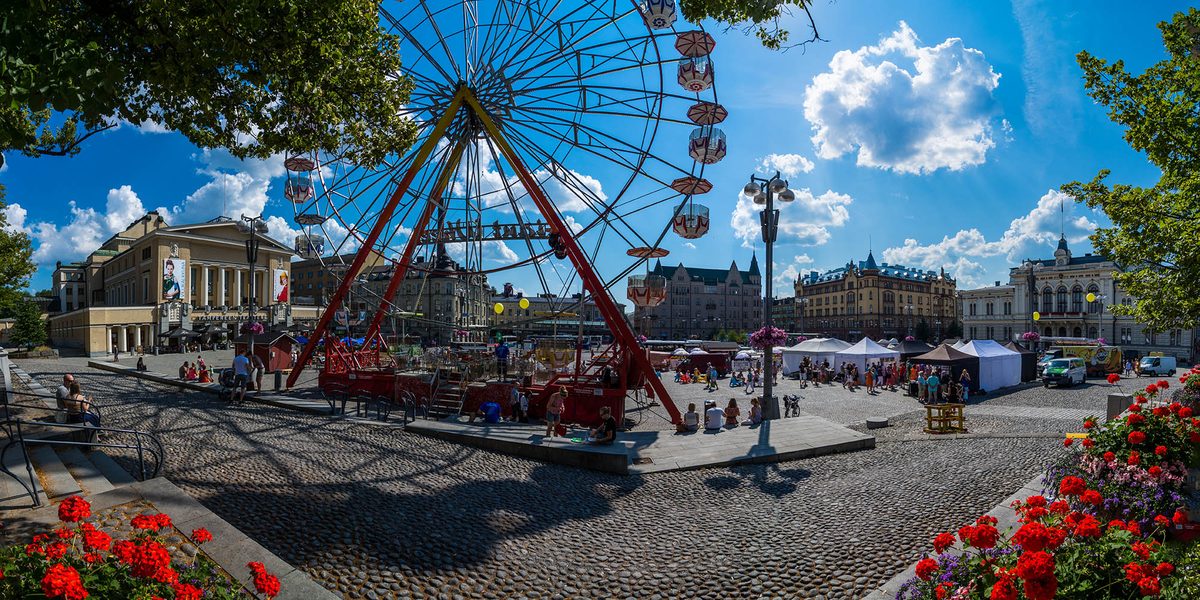
Levi: Finland’s Wild Card
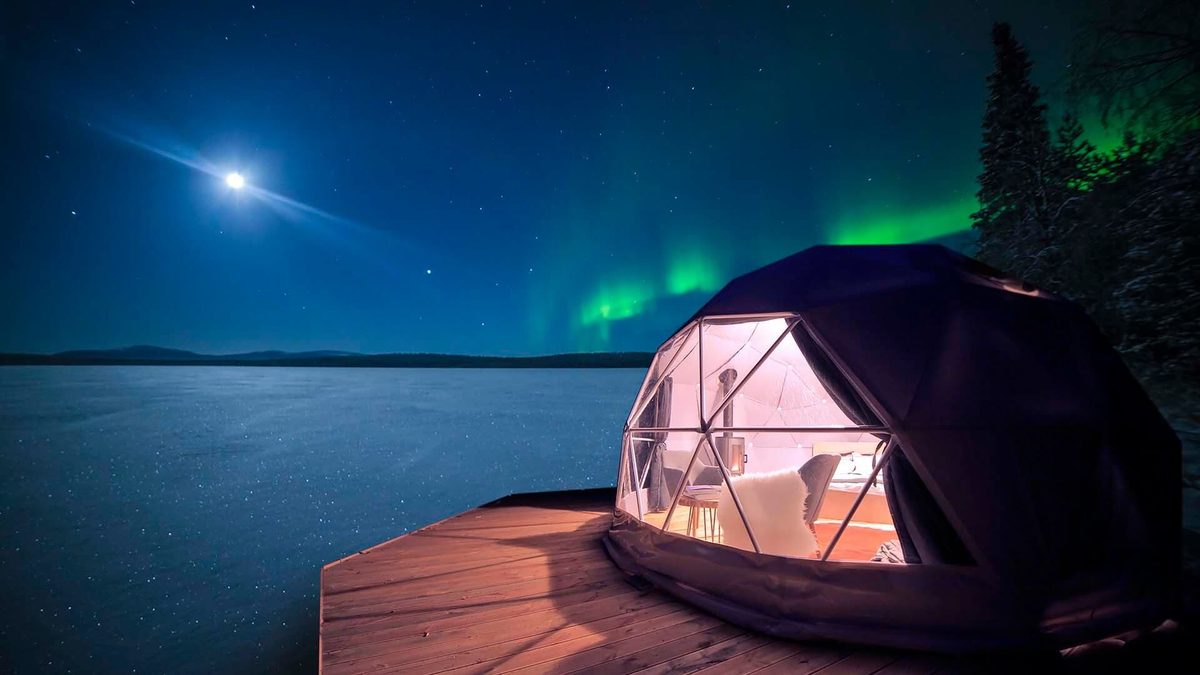
Levi isn’t just a ski resort. It’s a wilderness playground wrapped in snow, sitting comfortably in Finland’s Lapland region. If you’re chasing untouched landscapes and real adventure, this is where you land.
It’s known as a premier winter destination, but the appeal stretches far beyond the slopes. Think reindeer safaris that feel like stepping back in time. Or ice fishing, where the silence is so deep you can hear your own heartbeat. There’s also the tradition of large outdoor saunas—steam rising into the freezing air, a shock to the system that somehow works.
Nightlife here is surprisingly vibrant for such a remote spot. Bars stay lively long after the last chairlift stops running. It’s a place where you can spend the day shivering in the cold and end it sweating out the chill in a wooden cabin.
The logistics are straightforward. It’s a short flight to Kittilä Airport, then a shuttle ride in. Costs add up quickly—Lapland is expensive—but the scale of the landscape justifies it. Go in January or February for the best snow conditions and the chance to catch the Northern Lights dancing overhead.
What’s genuinely worth seeing? The wide-open trails. Not just the groomed ski runs, but the quiet forests around town. The air is crisp enough to sharpen your senses. You leave feeling lighter. Or heavier. Depending on how much glögi you drank.
The Aland Archipelago: Where History Meets the Sea
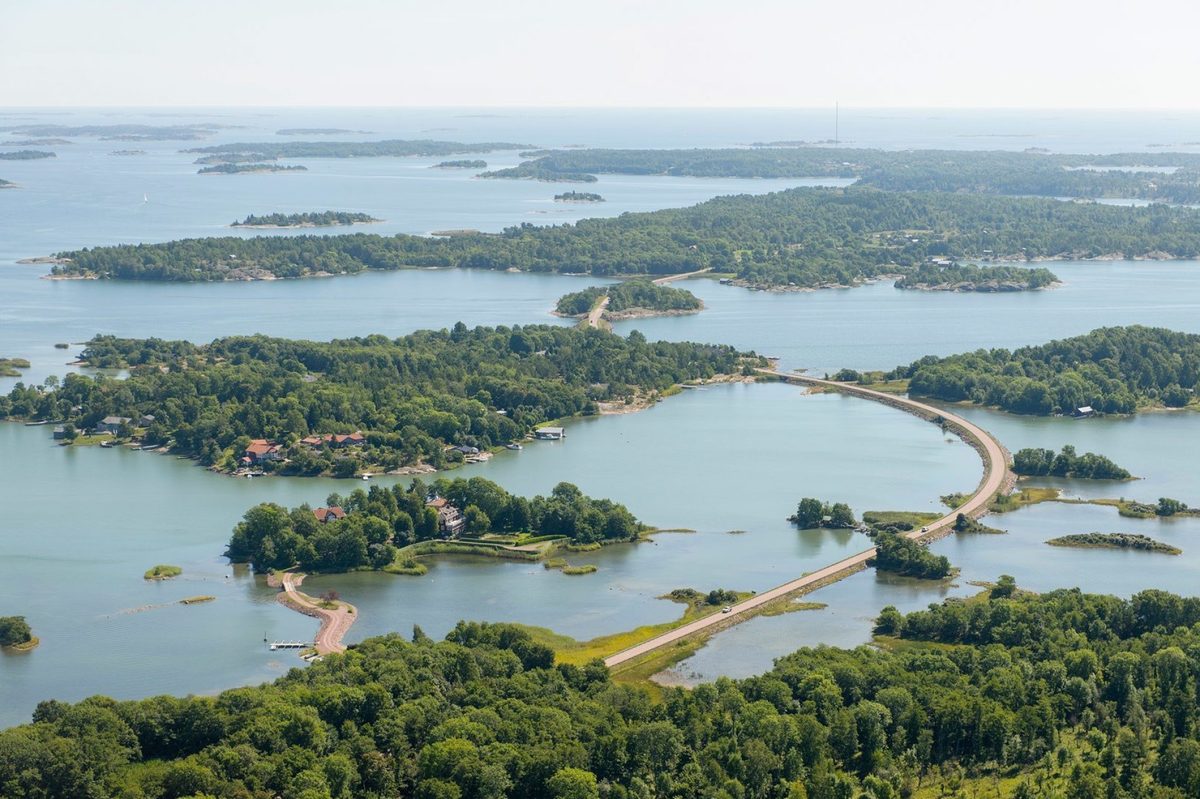
Technically Finnish, the Aland Islands operate with a distinct, self-governing autonomy that gives them a vibe all their own. You’re not just visiting a destination; you’re entering a maritime playground where history sits heavy in the water and light on the land.
Start with the Aland Sea Museum. It’s not your typical glass-case exhibit. The centerpiece is the Pommern, a massive four-masted barque that has been converted into a floating museum. Sitting in the heart of the Baltic, it’s a stark, beautiful reminder of the era when sail ruled the waves. You can walk the decks, feel the salt air, and imagine the crew below. It’s atmospheric without being dusty.
But the islands aren’t just about what floats. They’re about what stands firm. Head inland to Kastelholm Castle. It dates back to the 14th century, standing as a defensive stronghold that has seen centuries of conflict and change. Today, it’s preserved with enough detail to let you picture the medieval life here, without being so restored it feels fake. The ruins are stark against the sky. The grounds are open. It’s quiet.
For something faster, hit the walking trails. The Aland trail network is extensive, well-marked, and cuts through pine forests and coastal scrub. The paths are designed for endurance, offering those sweeping views of the archipelago’s thousands of islets. You’ll encounter small harbors, stone cottages, and silence.
Logistics matter here. You reach Aland via ferry from Finland or Sweden. The trip is short but essential. Once there, rent a car or a bike. The distances between attractions are manageable, but relying on public transit will kill your momentum. The islands reward independence.
Why Aland Works for Travelers
How to experience the maritime history : Book a guided tour of the Pommern if you want the technical details of its rigging and voyage. If you prefer solitude, just wander the pier at sunset. The light hits the rigging in a way that feels cinematic.
Where to find the best trails : The interior of the main island, Åland, is where the serious hiking happens. Look for marked routes starting near Föglö or Kumlinge. These areas are less crowded.
Which attractions are worth the detour : Kastelholm Castle is the anchor. It’s central. It’s historic. It’s worth the entry fee. The Sea Museum is a secondary stop for enthusiasts. The real draw is the landscape itself.
What to pack : Layers. The Baltic wind is constant. Even in summer, the air off the water is cool. A windbreaker is non-negotiable. Good walking shoes matter more than style.
The rhythm of Aland is slow. It’s not a place to rush. It’s a place to notice the way the light changes on the water. The way the castle walls hold the heat of the day long after the sun dips. You leave with salt in your hair and a sense of distance from the mainland that feels intentional.
It’s an archipelago of quiet moments. Not every second needs to be documented. Some of the best parts are the ones you just sit and watch. The ferries keep running. The castle stands. The *P
You don’t come to Finland for neon lights and chaotic party scenes. You come for the quiet. The crisp air. The feeling that time has actually stopped. It’s a destination for people who want to exhale.
But even in the quietest corners of the world, you still need a place to sleep. And not just any place. You need something that understands the rhythm of the north.
We’ve looked at the history. We’ve mapped the sights. Now let’s talk about the logistics of staying put. Specifically, Turku.
Holiday Club Caribia
If you’re looking at Turku, you’re likely looking at the west coast’s oldest city. And if you’re looking for a base that doesn’t feel like a sterile box, you look at Holiday Club Caribia.
It sits near the Aurajoki River. Not on it. Near it. A kilometer and a half from the city center. That’s a walk, or a short bus ride. The local buses stop right there.
The place is big. It has three restaurants. A spa. A gym. Meeting rooms if you have to work (which you probably don’t, but good to know). And inside, there’s an activity park for kids. Or adults. Who’s to say?
It’s close to the central train station. Ten minutes. That’s enough time to grab a coffee or stare out the window at the gray water.
Why Turku?
Why stay here instead of Helsinki?
Helsinki is the capital. It’s busy. It’s polished. Turku is older. It’s quieter. It has a cathedral that’s been there since the 1300s. It has a castle. It feels more like a storybook than a modern metropolis.
If you’re planning a trip to Finland, starting in Turku gives you a slower pace. You can take a ferry to Sweden. You can hike in the archipelago. Or you can just sit in this hotel and read a book.
What’s Worth the Money?
It’s not cheap. Nothing in Finland is cheap. But you’re paying for the infrastructure. The water is clean. The food is local. The silence is guaranteed.
Is it the best hotel in the country? Maybe not. But for a family trip, or a solo retreat where you want amenities without the fuss, it works.
The key is timing. Visit in summer for the midnight sun. Visit in winter for the snow. The hotel is open year-round. The weather is not.
Pack warm.
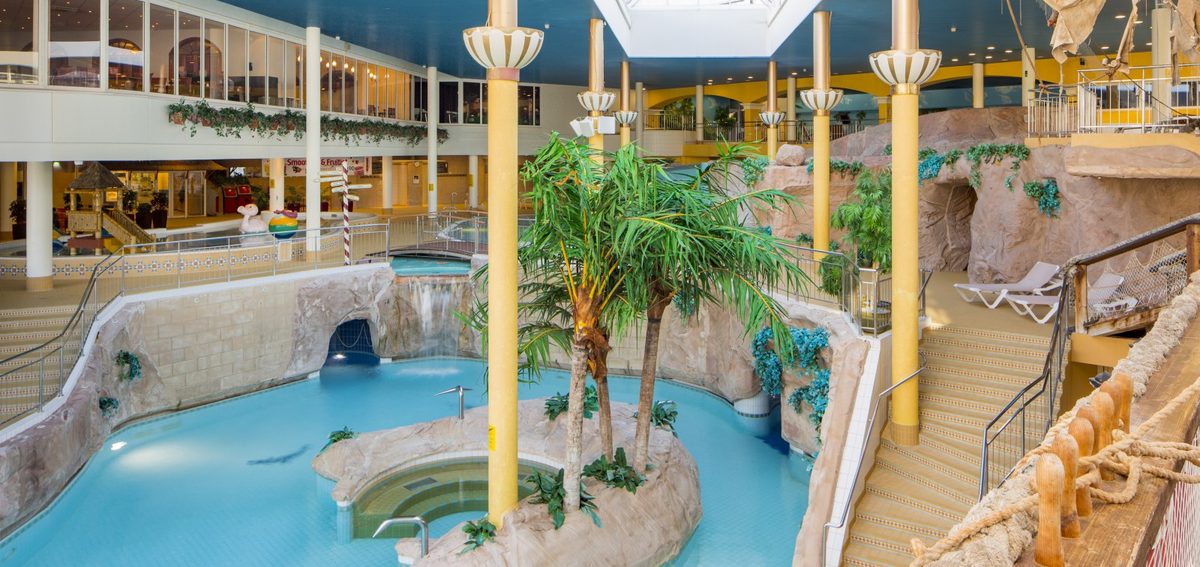
Lekotti Vacation Club: A Forest Escape Near Savonlinna
Forget the city center for a moment. Lekotti Vacation Club sits about 60 kilometers from Savonlinna’s core. It is not a hotel. It is a collection of two-bedroom wooden villas designed for self-catering. You cook your own meals. You set your own pace. The vibe is less “concierge service” and more “own your space.”
The property itself is the draw here. It is built around an obstacle course that feels like it was plucked straight from a TV show. There are 30 stages to navigate. Seven zip lines cut through the trees. If you are feeling reckless, there is a free-fall simulator. It is not just for kids. Adults take to the ropes with surprising enthusiasm.
Winter changes the landscape entirely. The forest turns into a playground. You can rent equipment for cross-country skiing. Downhill skiing is also on the table. Sledding is classic. The rental shop handles the gear so you do not have to bring your own heavy boots or boards.
Where to stay and how to book
The exact location is Kongressikuja 1, 20540 Turku, Finlandiya.
Phone number: +358 300 870929
It feels remote, but that is the point. You are paying for silence and space. The villas offer a level of comfort that rivals a home. Kitchen access means you can save money on dining out, which adds up quickly in Finland.
What makes this different
Most vacation rentals offer a kitchen and a bed. Lekotti adds physical activity as the primary entertainment. If you like movement, this is your spot. If you want to sit by a fire and read, you can still do that. The balance works because the activities are optional.
The location near Savonlinna is strategic. You are close enough to access the city’s culture if you want it. Far enough away to escape the crowds. The drive takes time, but the road is usually straightforward.
Pack layers. The forest gets cold in winter. Bring good shoes for the obstacle course. Leave the stress at home. You do not need it here. The zip lines handle the adrenaline. The kitchen handles the hunger. The woods handle the rest.
Giellajohka – Kaamanen
Lekotinrinne 30, Savonranta’dan sonra listedeki durak bu sefer biraz daha kırsal bir coğrafyaya kayıyor. Adres: Lekotinrinne 30, 58300 Savonranta, Finlandiya.
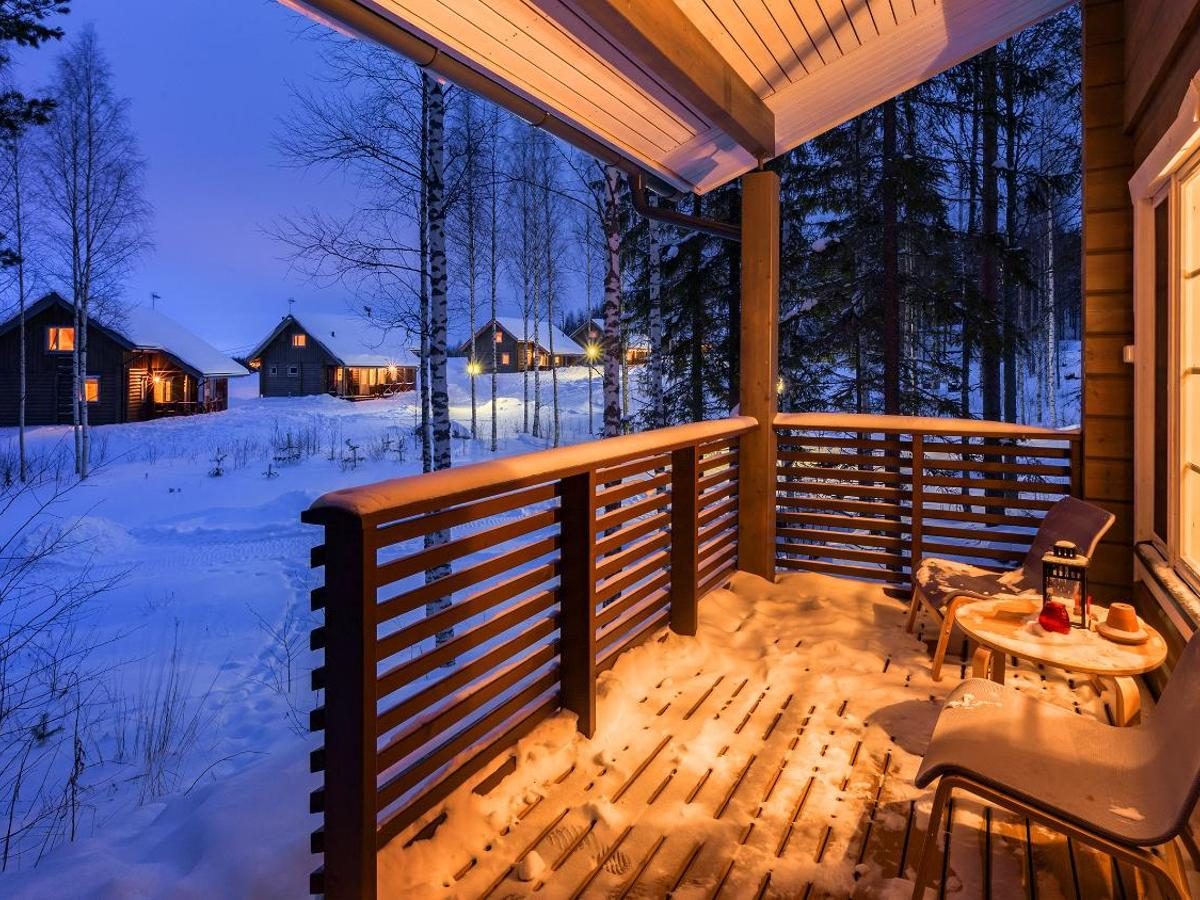
Giellajohka’nın konaklama birimleri nehrin ve çevrenin panoramik manzarasını sunmaktadır. Odaların çoğu ortak tuvalet ve duş imkanı sağlar. Kırsalda hizmet veren bu tesis, Finlandiya’nın en kuzeyine doğru, Kielajoki Nehri’nin ve 92. Ulusal Karayolu’nun yanında yer almaktadır.
Yandaki 92. otoyoldan arabayla 4 saatte Nordkapp’a ulaşabilirsiniz. Ivalo Havaalanı 120 km uzaklıktadır ve Giellajohka talep üzerine transfer servisi sağlamaktadır.
3. Giellajohka – Kaamanen
Burada konaklamak, sadece bir yatak bulmak değil, kuşaklar boyunca değişen bir coğrafyanın tam kalbine girmek anlamına geliyor. Giellajohka, Kielajoki Nehri’nin kenarında, 92 numaralı Ulusal Karayolu’nun hemen yanında duruyor. Adres: Lekotinrinne 30, 58300 Savonranta, Finlandiya.
Odaların çoğu ortak tuvalet ve duş imkanı sağlar. Bu, modern bir otele alışkın olanlar için bir geri adım gibi görünebilir. Ancak kırsalda hizmet veren bu tesisin sunduğu tek şey konfor değil, manzara. Giellajohka’nın konaklama birimleri nehrin ve çevrenin panoramik manzarasını sunmaktadır. Sabah uyanıp pencereden dışarı baktığınızda, Finlandiya’nın en kuzeyindeki o sessiz, o buz gibi ve geniş manzarayı göreceksiniz.
Eğer Nordkapp’a gitmeyi planlıyorsanız, Giellajohka mantıklı bir durak noktası. Yandaki 92. otoyoldan arabayla 4 saatte Nordkapp’a ulaşabilirsiniz. Bu yolculuk, sadece mesafe katetmek değil, lapland’ın en ıssız ve en güzel kesimlerinden geçmek demek.
Ivalo Havaalanı 120 km uzaklıktadır ve Giellajohka talep üzerine transfer servisi sağlamaktadır. Ivalo havaalanına iniş yaptıktan sonra, Finlandiya’nın en kuzeyindeki bu sessiz köşeye ulaşmak için taksi veya kiralık araç seçeneğiniz var. Giellajohka talep üzerine transfer servisi sağlamaktadır, yani önceden haber vermeniz yeterli. Tel: +358 44 0599300.
Burada konaklamak, sadece bir yatak bulmak değil, kuşaklar boyunca değişen bir coğrafyanın tam kalbine girmek anlamına geliyor. Giellajohka, Kielajoki Nehri’nin kenarında, 92 numaralı
Why LostStar Apartments Fits the Ylläs Vibe
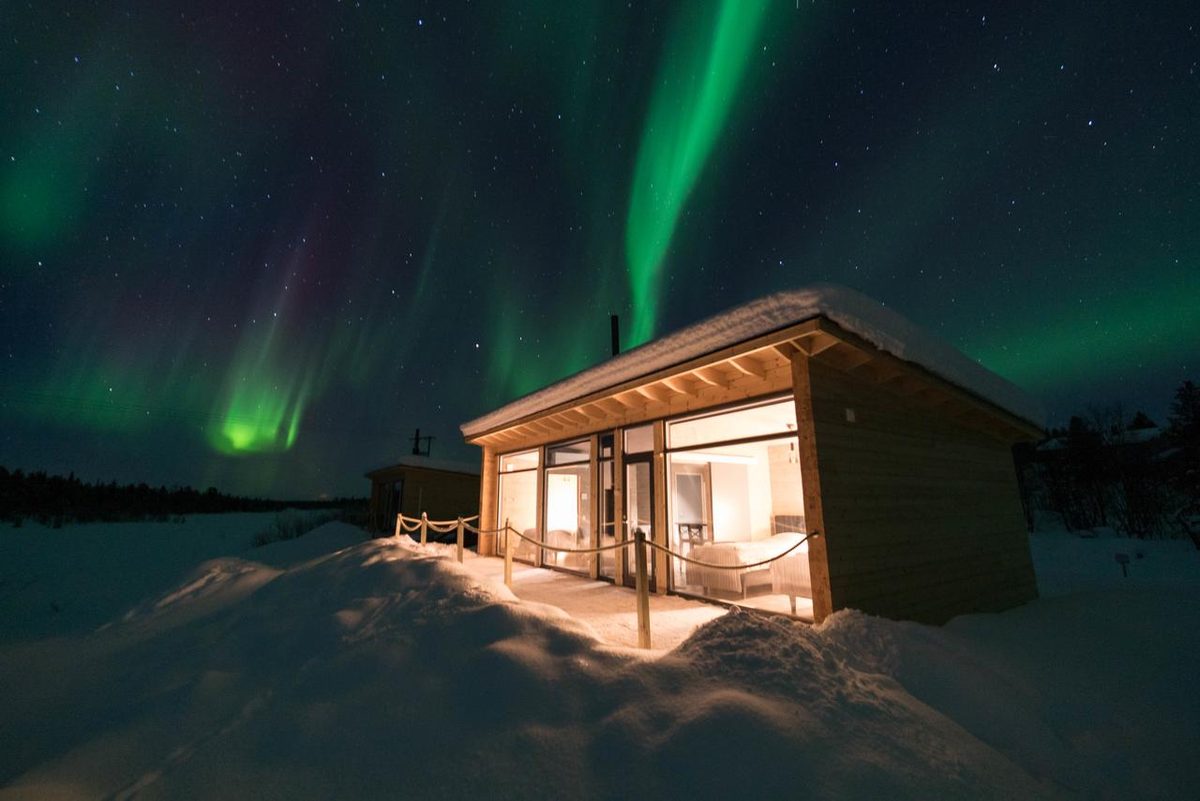
You want to be close to the action but still sleep like a human being, not a backpacker who hasn’t seen sunlight. That’s where LostStar Apartments in Äkäslompolo comes in. It’s technically part of the bigger Ylläs ski resort area, which is Finland’s most popular winter destination for a reason. The location is smart. You’re sitting just 1 kilometer from the actual center of Äkäslompolo. That’s a five-minute walk. Or a ten-minute shuffle if the snow is deep and you’re wearing heavy boots.
The logistics work in your favor. There’s a direct bus line connecting the apartments straight to the ski slopes. You don’t need to rent a car to get up the mountain. You just wait for the bus. It’s efficient. It’s cold. It’s exactly what you signed up for.
Beyond the Skis: What to Actually Do There
Staying in an apartment means you have a base, not just a bed. The owners are the key to unlocking the rest of the region, though. Don’t just show up and expect magic. Ask them. Specifically, ask about booking experiences that require local knowledge.
Here is what you should look into:
- Reindeer Safaris: This isn’t a petting zoo. It’s a trek through the Arctic landscape. It takes time to book. Do it before you fly in.
- Northern Lights Tours: The best viewing spots are far from light pollution. The staff can drive you to the dark spots. Or they can teach you how to spot them from your own window if you’re lucky with the weather.
- Ice Fishing at Äkäsjärvi Lake: Frozen lakes are quiet. The ice is thick. You drill a hole. You drop a line. You wait. It’s meditative. It’s also freezing. Dress warmly.
The Practical Details
When you book, keep the address handy. It’s Karigasniementie 2920, 99910 Kaamanen. Yes, the postal code and street name are slightly different from the village name, but GPS usually finds it. If it doesn’t, call them.
Tel: +358 40 7386825
It’s a simple phone number. Finnish customer service is direct. No fluff. You’ll get your answers.
The proximity to Ylläs matters. Ylläs is huge. It has one of the longest ski seasons in Scandinavia. But Äkäslompolo is quieter than the main Ylläs Village. You get the amenities—the shops, the restaurants, the bars—but without the tourist crush. LostStar sits in that sweet spot. You’re close enough to walk to dinner. You’re close enough to catch the bus to the lifts. You’re far enough away to hear the wind.
Is that worth the extra effort? For most travelers, yes. Because you aren’t just passing through. You’re staying in Lapland. The cold is the point. The isolation is the point. The quiet is the point.
Just make sure you book those extra activities early. The reindeer don’t wait for you. Neither does the sun, not in winter.
5. Holiday Village Nuorgamin Lomakeskus: Where Finland Meets Norway
95970 Äkäslompolo, Finlandiya
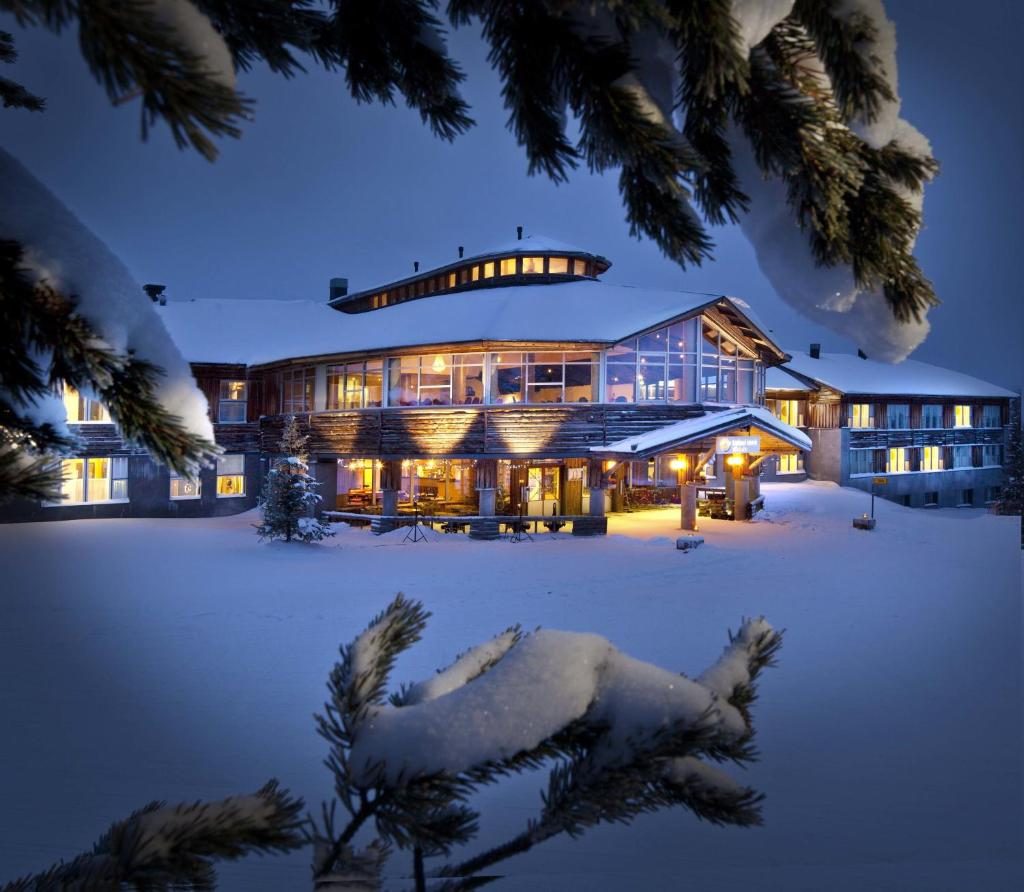
This isn’t just a hotel. It is a family-run outpost on the edge of the known world. Nestled right beside the Teno River, you are practically touching the Norwegian border. The silence here is different. It is heavy and clean.
During the winter, the darkness isn’t something to fear. It is an invitation. Guests gather to watch the Northern Lights dance overhead, a spectacle that feels less like tourism and more like witnessing a natural miracle. You can strap into a snowmobile and carve through the deep powder, feeling the cold air rush past your face. The landscape is stark, beautiful, and unforgiving.
Summer brings a different kind of magic. The midnight sun means the sky never truly goes dark. It stays in a perpetual state of twilight gold. You hike trails that feel endless under the constant light. Or you sit by the river with a fishing rod, waiting for a bite in the quiet hum of the day.
“A family-run Finnish Lapland facility right next to the Teno River and the Norwegian border.”
It is remote. It is specific. And for travelers seeking something beyond the typical tourist traps, it offers a genuine connection to the Arctic environment. Whether you are chasing auroras or just chasing silence, this spot delivers.
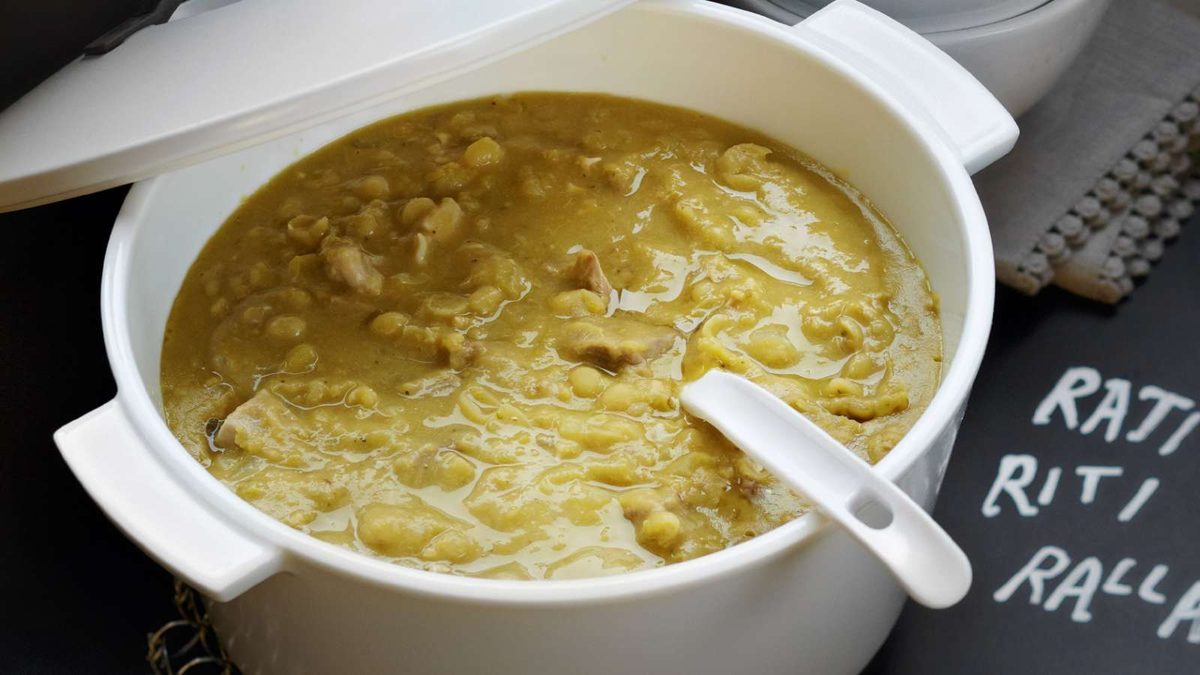
Finlandiya’nın mutfağı, toprağın soğuk ruhunu yansıtır. Burada yetişen ürünler organik ve uzun saatler boyunca süren kuzey güneşinden beslenir. Aromalar keskindir. Baharatlar az kullanılır. Rus ve İsveç etkileri mutfağın omurgasını oluşturur. Ancak asıl hikaye, geleneksel tariflerde saklı.
Somon Çorbası (Lohikeitto)
Finlandiya’da somon çorbası sadece bir yemek değil, bir gelenektir. Genellikle büyükanneler tarafından yapılır. Patates, havuç, somon fileto, defne yaprağı ve dereotu ile hazırlanır. Dışımda yemek isterseniz, pazar yerlerine gidin. Burada kolayca bulabilirsiniz. Doğru ellerde bu çorba, efsanevi bir lezzete dönüşür.
Nerede Bulunur?
Nuorgamintie 4401 A, 99990 Nuorgam, Finlandiya. Bu adres, somon çorbasının en otantik halini bulabileceğiniz yerlerden biri. Telefon: +358 40 0294669. Buraya gitmek, Finlandiya’nın kuzeyindeki doğayla iç içe olmak anlamına gelir.
Neden Somon Çorbası?
Somon, Finlandiya’nın sularında yetişir. Besleyicidir. Omega-3 açısından zengindir. Çorbanın içindeki sebzeler, vitamini tamamlar. Bu karışım, hem doyurucudur hem de hafiftir. Kışın sıcak tutar. Yazın ferahlatır.
Nasıl Tüketilir?
Pazar yerlerinde, sokak lezzetleri arasında en popüler olanıdır. Yanına taze ekmek almayı unutmayın. Sadece çorba değil, deneyim de satın alırsınız. Yerel halkla sohbet edebilirsiniz. Tariflerini dinleyebilirsiniz. Bu, Finlandiya’nın sıcak yüzüdür.

The Bread That Eats You Back
Most of the world thinks of bread as a vessel. A plate. A side dish. Kalakukko flips that script entirely.
This is Finland’s answer to a meat pie, if the meat pie was buried in a crust and left to simmer for days. You won’t find this on a tourist menu in Helsinki. You hunt for it in the northeast. Near the Russian border. In towns like Kontiomäki or Varkaus.
The name translates roughly to “little bear,” though no bears are involved in the recipe. It is a dense, savory loaf. A rye crust, thick and sturdy enough to shield what’s inside. Inside? That is where it gets strange.
Pike-perch. Or pike. Sometimes salmon. The fish is packed with onions, carrots, and pork fat. Sometimes lard. The whole mixture is wrapped in dough, sealed tight, and baked. Then—this is the key part—it sits. It ferments in the oven after the heat is turned off. For days. Sometimes a full week.
“You don’t eat kalakukko for the crunch. You eat it for the time it took to make.”
Why would anyone do this? Preservation. Before refrigeration, you needed food that wouldn’t spoil in the summer heat. The thick rye crust acted as an air-tight seal. The salt and fat acted as a preservative. The slow cooling process developed flavors that are almost umami-heavy now.
If you visit Kuopio, head to a traditional bakery. Ask for kalakukko. It isn’t cheap. Expect to pay around 10–15 euros for a modest slice. The large loaves, which can weigh several kilos, cost significantly more. You are paying for labor and time.
The texture is dense. Not fluffy. The crust is edible but tough. You might want to remove the outermost layer if it’s overly hard. The filling is rich. Oily. Salty. It pairs best with a strong coffee or a dark beer.
Is it worth the hype? If you love fermented foods. If you appreciate slow food. Yes. If you want a light lunch? Skip it. You’ll be full for hours.
Travelers often confuse this with other Nordic fish breads. But the fermentation process makes kalakukko unique. It tastes older. Heavier. Like the history of the region itself.
Find a bench outside the bakery. Eat it with your hands. It’s messy. It’s loud. And it tastes like survival.
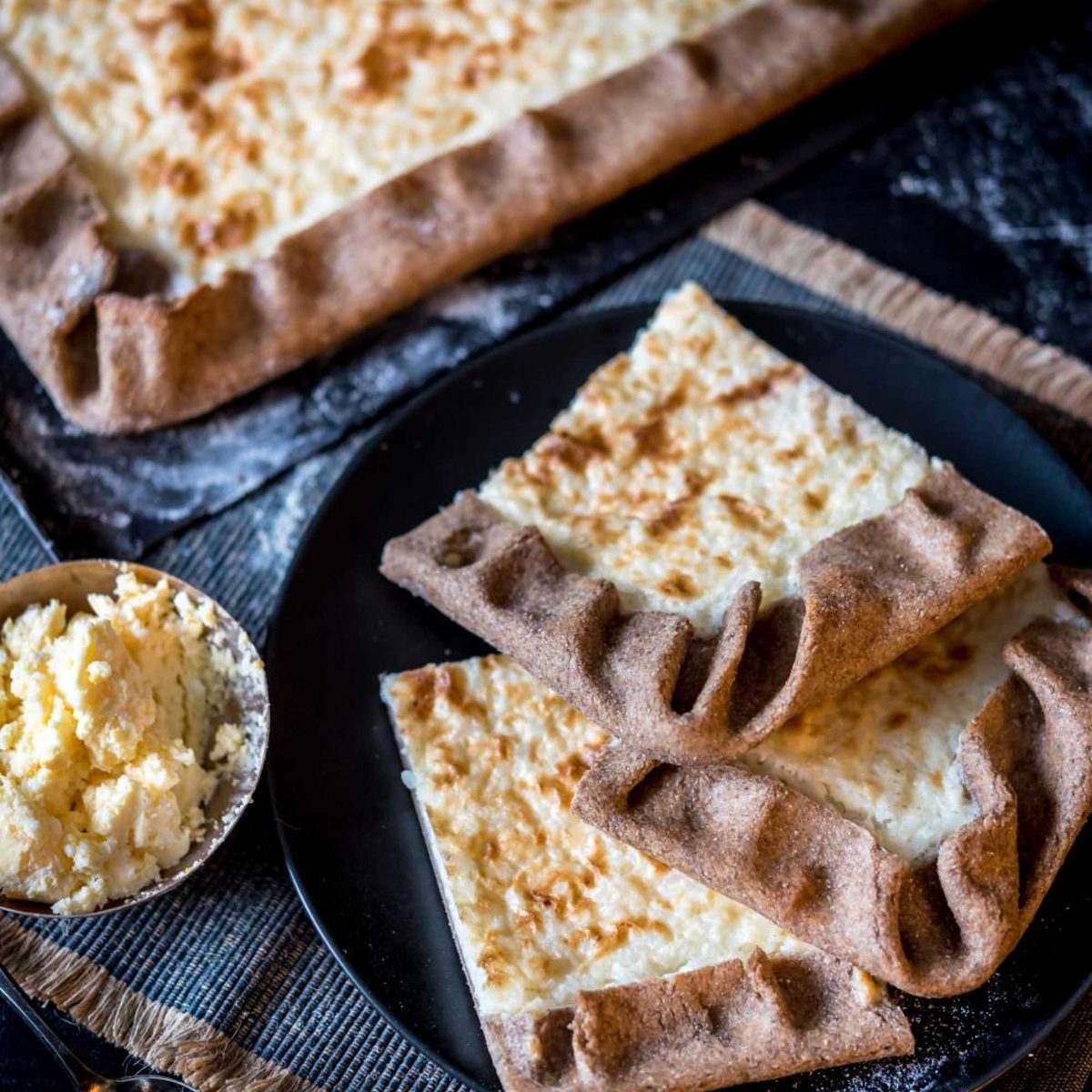
The Rye Crust That Defines Finnish Comfort
Forget everything you think you know about pastries. Karjalanpiirakka isn’t a sweet treat. It’s a dense, savory square of rye crust that feels more like a meal than a snack. Inside, you’ll find a filling made from boiled carrots and potatoes, sometimes mixed with rice, bound together with butter. It’s earthy. It’s warm. It’s exactly what you need after a long hike in the Finnish wilderness.
“Dana or pork stew is eaten with Finnish mustard.”
The traditional version uses mana —a lean beef or venison stew—but you’ll also encounter versions with pork. The texture is key here. The crust must be thin but sturdy enough to hold the moist filling without collapsing. If it’s soggy, it’s wrong. If it’s dry, it’s wrong. It needs to yield slightly under your fork.
How to Eat It Right
You don’t eat this alone. You eat it with Finnish mustard (sinappi ). This isn’t the yellow condiment you slap onto hot dogs. It’s grainy. Tangy. Sharp. The acidity cuts through the richness of the butter and the starch of the rye. Without it, the pastry can feel heavy. With it, the flavors pop.
Tourists who try it often walk away satisfied. But don’t just grab the first one you see. Look for places where they’re baked fresh. The smell hits you before you walk in—yeast, rye, and roasted carrots.
Where to Find the Best Version
Head to Karelia. This is the heartland. The border region with Russia has influenced the recipe for centuries. In cities like Helsinki, you’ll find it in bakeries, but it’s a distant relative of the real thing. In smaller towns near the border, the piirakka is still made by hand, often by grandmothers who remember the old ways.
Cost? You’re looking at around €3 to €5 per piece. Cheap, but worth every penny if the crust is right.
Timing Matters
Buy it warm. If it’s sitting under a heat lamp for three hours, the crust softens. The magic is in the first hour out of the oven. The butter is still semi-melted inside. The rye is crisp on the outside.
Eat it with your hands if you’re bold. Use a fork if you’re cautious. Either way, take your time. This isn’t fast food. It’s slow food. It’s designed to be savored slowly, ideally with a cup of strong black coffee or klapi (a strong coffee preparation).
Why It Sticks With You
It’s simple ingredients. Rye. Carrots. Butter. Mustard. Nothing fancy. But the combination works because it balances flavors and textures perfectly. Sweet carrots. Savory meat (or no meat). Bitter mustard. Dense, earthy crust.
Next time you’re in Finland, skip the sushi bars. Find a bakery. Order a Karjalanpiirakka. Watch how the locals eat it. Follow their lead. You might just understand a little more about why Finns are so content with their quiet, hearty traditions.
Does it taste like home? Maybe not yours. But it tastes
The Swedish Import That Won Over Helsinki
Lihapullat. You hear the name, you think of Sweden. The story goes that these round, savory meatballs migrated north from across the Baltic, riding the wave of cultural exchange until they became a staple in Finnish homes and restaurants alike. But here is the thing: Finland didn’t just copy the recipe. They adapted it. They made it their own.
Ordering them isn’t just about filling your stomach. It’s a ritual. The plate arrives steaming, the meatballs glistening under a rich, creamy gravy. The sauce is the key. It’s not thin or watery. It clings to the meat. It pools around the sides.
The Classic Pairing
You cannot serve lihapullat without the right accompaniments. The traditional side is mashed potatoes. Not the fluffy, whipped kind you might get at a fancy bistro, but something denser. Heartier. The starch soaks up the gravy. It acts as a sponge.
If you skip the mashed potatoes, you are missing the point. The texture contrast is everything. The soft, yielding potato against the firm, juicy meatball. It’s comfort food, stripped of pretense.
Where to Find Them
You will find these in two distinct worlds. First, the chain stores. The frozen aisles of Prisma or K-Market. You can buy a box of lihapullat for a few euros. Heat them up. Add some lingonberry jam. It is fast. It is cheap. It works.
Then, there is the restaurant scene. In Helsinki, places like Helsinki Citymarket or the Old Market Hall vendors often serve a more refined version. The meat is finer. The sauce is made with broth and cream rather than instant mixes. The price jumps. You might pay ten or fifteen euros for a plate. Is it worth it? Yes. The depth of flavor in a properly prepared gravy cannot be replicated from a freezer box.
The Lingonberry Factor
Here is a detail travelers often miss. You should not eat lihapullat without lingonberry jam. The berries are tart. Sharp. They cut through the fat of the meat and the richness of the cream. It is a balance of flavors that has been perfected over decades.
Some places serve it on the side. Others mix it into the sauce. Both are acceptable. The jam provides a necessary acidic punch. Without it, the dish can become heavy. Monotonous.
Timing Your Meal
Lihapullat are not a midnight snack. They are a lunch or early dinner staple. The rhythm of the Finnish workday means that by 3 or 4 PM, many people are looking for a warm, hearty meal. Restaurants often have special lunch menus featuring lihapullat at a discounted rate. This is how you eat like a local.
Avoid expecting it late at night. The vibe shifts. The kitchen closes down. You will find fish. You will find rye bread. But the meatballs belong to the daylight hours.
Why It Endures
It persists because it fits. Finland is cold. The food needs to provide warmth. Calories. Energy. Lihapullat do that without being overly complicated. They are straightforward. Honest.
You walk into a place. You point at the menu.

### The Black Sausage You Need to Know About
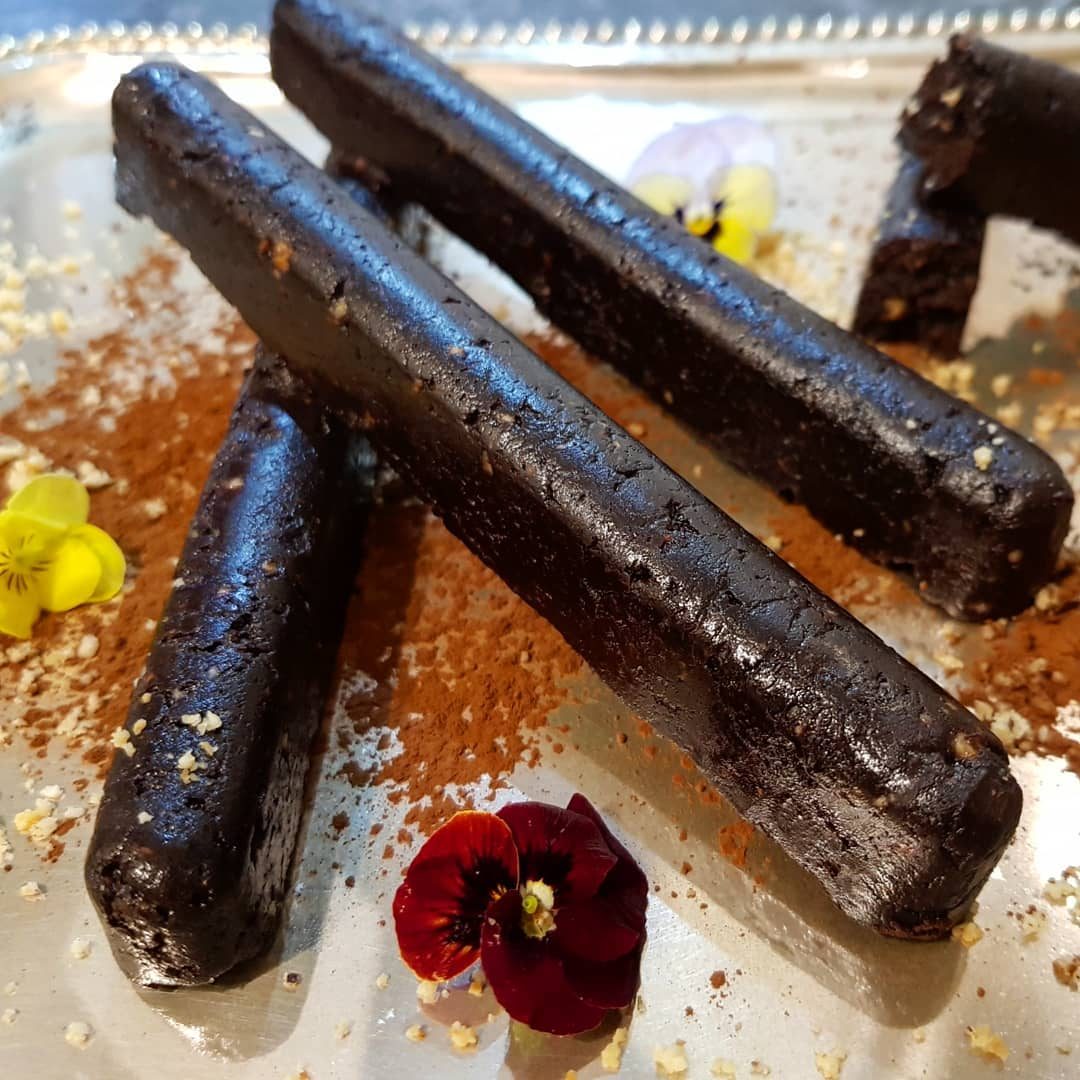
If you are scrolling through lists of “10 foods to eat before you die,” do not skip this one. Mustamakkara. It goes by another name too: Siyah Sosis. Black sausage. You have to try it.
It is not for the faint of heart. The base is pig’s blood. That is a fact. But the texture is what catches you off guard. It is mixed with bulgur wheat. Coarse grains of wheat. You can see them embedded in the dark, dense sausage. The contrast is visual and textural.
Why It Exists and Where to Find It
This is a staple of Helsinki’s food scene. Specifically, the market halls. It is cheap. It is hearty. It is traditional Finnish comfort food that has survived for decades. You will find it at Kauppatori. The open-air market in the heart of the capital.
Go there in winter. The cold air makes the hot sausage taste sharper. More intense. The blood gives it an iron-rich, metallic tang. The bulgur adds a nutty crunch. It is not sweet. It is not spicy. It is savory and heavy.
How to Eat It Correctly
Do not just bite into it. That is a mistake. You need mustard. Specifically, the dark, sweet Finnish mustard. It cuts through the richness of the blood. Without it, the flavor is too one-note. The sweetness balances the iron.
You might see it served with fried fish chips or just on its own. Both work. But the mustard is non-negotiable. It is the bridge between the raw ingredients and a balanced bite.
Is It Safe?
Yes. It is cooked thoroughly. The blood is not raw. It is processed and heated until firm. The texture is similar to a dense pâté but with that grainy wheat texture. If you can handle liver, you can handle this. The flavor profile is earthy. Deep.
Some people find it too intense at first. That is normal. The smell of cooking blood is strong. It lingers in the market hall. Ignore the smell. Taste the food. It is an acquired taste. But once you get the balance of blood, wheat, and sweet mustard, it clicks. It becomes a memorable part of your trip to Helsinki.
Why risk skipping the local specialty? The markets are open year-round. The prices are reasonable. The experience is authentic. Go find a stall. Order the black sausage. Add the mustard. Eat it while it is hot.
The final stretch: navigating logistics and hidden gems
You made it. The itinerary is tight, the flights are booked, and the adrenaline is humming under your skin. But before you dive into the final leg of your journey, there are small, gritty details that can make or break the experience. This isn’t about the postcard shots. It’s about the sweat, the confusion, and the sudden, quiet moments of clarity that only happen when you’re far from home.
Where to sleep when the sun goes down
Choosing accommodation in the final days is less about luxury and more about location and logistics. You don’t need a five-star lobby. You need a clean bed, reliable Wi-Fi to send those photos, and a neighborhood that feels safe after 10 PM.
In Kyoto, skip the expensive Ryokans for your last night unless you’re ready to spend a small fortune. The Gion district is stunning but pricey and tourist-heavy. Instead, look for a minshuku (family-run guesthouse) in Pontocho. It’s narrow, atmospheric, and puts you within walking distance of the river and the better izakayas. Expect to pay around ¥8,000–12,000 per night for a private room with breakfast. It’s tight. It’s authentic. It’s perfect.
For Tokyo, avoid staying in Shinjuku if you want quiet. It’s loud. It’s chaotic. It’s fun for a night, but exhausting for a departure day. Head to Shimokitazawa or Koenji. These areas in Setagaya and Suginami wards offer a slower pace. You’ll find capsule hotels or boutique guesthouses for ¥4,000–6,000. The train rides into the center take 20 minutes, but you’ll sleep better.
“The best hotels aren’t the ones with the tallest lobbies. They’re the ones where the owner knows your name and your coffee order.”
What to pack for the final push
You’re traveling light. You should be. If you’re still carrying a full suitcase on day twenty, you’re doing it wrong.
- Laundry is your friend. Most cities in Japan have 24-hour coin laundries. They’re clean, efficient, and surprisingly therapeutic. Wash your shirts. Dry them. Wear them again. It’s a cycle.
- Power banks are non-negotiable. You’ll be taking photos, checking maps, translating menus. Your phone will die by 4 PM. Carry a 10,000mAh power bank. It adds weight, but it saves your sanity.
- Cash is still king. While credit cards are accepted in larger establishments, small temples, street food stalls, and vending machines often require yen. Keep small bills (1,000 and 5,000 yen notes) accessible. Coins clutter your pockets. Drop them in a tip jar or a donation box.
The last few sights: quality over quantity
By this point, you’re tired. Your feet hurt. Your eyes are straining from reading kanji signs. Don’t try to cram in one more temple. You won’t appreciate it. You’ll just be counting the steps back to the train station.
Instead