Mumbai. Bombay. Two names for one chaotic, glorious beast. It sits on Salsette Island, spanning roughly 603 square kilometers of concrete, chaos, and coastline. With a population exceeding 20 million, it is not just India’s largest city. It is the world’s third-largest metropolitan area.
If you are planning a trip to India, this is where you will likely land.
Mumbai is the commercial heart of the country. It is also the cultural engine. You cannot talk about Indian cinema without mentioning Bollywood. The studio lots and filming locations are here. The city attracts more domestic and international tourists than almost anywhere else in India. Why? Because it offers a dense mix of colonial architecture, ancient caves, and modern skyscrapers.
But looking at a map does not tell you what it feels like to walk its streets. It doesn’t tell you how to navigate the local trains or which street food is safe. You need the logistics. You need the specifics.
Here is what you actually need to know before you go.
The Arrival and Entry Points
Most travelers enter through Chhatrapati Shivaji Maharaj International Airport. It is about 8 kilometers from the South Bombay business district. Taxis are available. Pre-paid counters exist to avoid haggling. Use them.
The city is divided into two main zones: South Mumbai and the Suburbs.
South Mumbai is where the history lives.
The suburbs are where the commerce lives.
They are connected by a massive network. Trains run every few minutes. If you want to experience the local pulse, take the local train. It is cheap. It is crowded. It is the only way to truly understand Mumbai’s scale.
What to See: Beyond Bollywood
Everyone knows Bollywood. Most people never get past the studios. That is a mistake. Mumbai has layers.
1. The Gateway of India
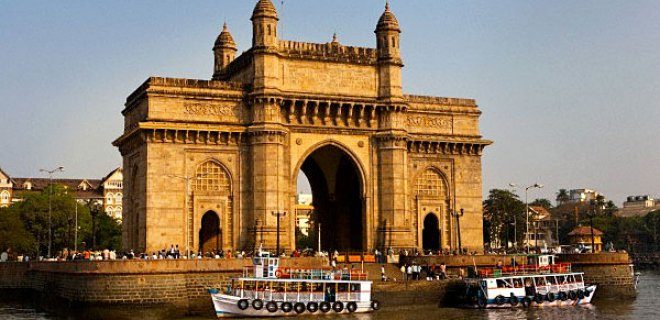
This is the first thing you will see if you arrive by sea. It was built to commemorate King George V’s visit in 1911. It looks out over the Arabian Sea. Ferries to Elephanta Caves depart from here. Do not skip the ferries. The caves themselves are ancient Buddhist and Hindu sanctuaries carved into rock.
2. Chhatrapati Shivaji Maharaj Vastu Sangrahalaya
Formerly the Prince of Wales Museum, this building is a masterpiece of Indo-Saracenic architecture. The dome dominates the skyline. Inside, you find artifacts from the Indus Valley Civilization. You also find Mughal miniatures and British colonial artifacts. It is quiet here. A rare break from the noise outside.
3. Marine Drive
They call it the Queen’s Necklace because of the streetlights at night. It looks like a string of diamonds from above. It is a C-shaped boulevard along the coast. Walk it at sunset. The buildings are Art Deco. The ocean is dark. The air smells of salt and frying food.
4. Elephanta Caves
Located on Elephanta Island, these require a ferry ride from the Gateway of India. The trip takes about an hour each way. The caves date back to the 5th to 8th centuries. The main statue is of Lord
Elephanta Caves: The Myth vs. The Reality
You’ve done the India Gate. You’ve taken the photo. You’ve stood at Apollo Bunder watching the Arabian Sea crash against the stone, imagining the British viceroys arriving there a century ago. Now, you need to escape the heat and the noise.
Head to the Gateway of India. Don’t linger. Take the ferry.
It’s a short hop across the water, but the vibe shifts instantly. The chaos of Mumbai fades behind you. You’re aiming for Elephanta Island.
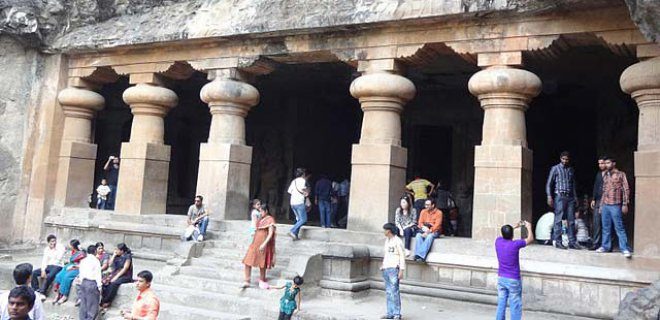
Elephanta Caves isn’t just a temple. It’s a puzzle carved directly into a volcanic rock face in the mid-6th century. Most guides will tell you it’s dedicated to Shiva. They’re right. But if you’re expecting pristine ruins, you’ll be disappointed. This isn’t a museum piece behind glass. This is rough, weathered, and deeply spiritual.
The Elephant on the Hill
Why Elephanta? Look at the hill near the ferry landing. There’s a giant stone elephant sitting there. That’s it. That’s the whole reason for the name. The statue is actually a fragment—only the upper part remains—but it’s massive. It looms over the entrance to the cave complex.
The ferry ride takes about an hour from the Gateway. It’s often crowded. Tourists. Students. Families. The noise is loud. The sun is brutal.
The Cave Complex
Once you hike up (yes, there’s a hike. The steps are steep and uneven), you hit the main site. The caves are a labyrinth. There are multiple chambers, but the main hall is the one that matters.
Here, you’ll find the Maheshmurti statue. It’s a three-faced carving of Lord Shiva.
- Left face: Gentle, feminine.
- Right face: Fierce, masculine.
- Center face: Neutral, transcendent.
It’s not just art. It’s theology carved in stone. The craftsmanship is staggering, especially when you consider it was done without modern tools. The faces are serene. The details in the jewelry and crowns are sharp. Or they were, before time and vandals got to them.
What’s Missing (And Why It Matters)
Here’s the catch. The caves were defaced. By Persian invaders in the 17th century, and later by Portuguese colonizers who used the main cave as a church. They chipped off noses. They cracked faces. They whitewashed walls.
So, when you look at Maheshmurti, you’re seeing a ghost. The right hand is gone. The crown is fragmented. It’s incomplete.
Does that ruin it? No. It makes it real. It reminds you that history is violent. It’s not a clean narrative. It’s layers of destruction and survival.
Practical Logistics
Getting There:
Ferries leave frequently from the Gateway of India. It’s cheap. Usually under 100 INR for a return ticket. But the queues can be long. Go early. 8 AM to 9 AM is best. By noon, the heat is oppressive, and the lines are a nightmare.
What to Wear:
Shoes are required inside the caves. Leave the flip-f
Elephanta Adası’nın Kaya Heykelleri ve Ziyaret Rehberi
Mumbai’nin kalabalığından sadece 8 ila 10 kilometre uzağa, Arap Denizi’nin sakin sularında kaybolup giden bir ada var: Elephanta. Burası sadece bir ada değil, Hindistan’ın en büyüleyici ve mistik tarihinin yüzüdür. Dünyaca ünlü bu mağaralar, Budizm ve Hinduizm’in kutsal hikayelerine tanıklık etmiş, kaya oyma sanatının zirve örneklerini barındırıyor. 1987 yılında UNESCO tarafından Dünya Mirası listesine alınmasının sebebi belliydi; burada duran heykeller, beşinci ve sekizinci yüzyıllar arasında kaya içinden oyularak yaratılmıştı.
Mumbai’ye gelen her gezginin rotasına mutlaka eklemesi gereken bu nokta, sadece bir “görülmesi gereken” yer değil, aynı zamanda bir zaman yolculuğudur. Ancak buraya gitmek, tıpkı Mumbai’ye varmak kadar basit değil. Zira Elephanta, kendine has bir macera gerektirir.
Nereye Gidiyoruz?
Adaya ulaşım için tek seçenek var: Feribot. Mumbai’nin ana ulaşım düğümlerinden biri olan Chhatrapati Shivaji Terminus (eski adıyla Victoria Terminus) veya Marine Drive gibi bölgelerden başlayıp, Gateway of India’ya doğru yürümek gerekir. Kapıdan çıkıp iskeledeki kuyruğa girdiğinizde, tarihin ağırlığını hissedeceksiniz. Tekne seferleri genellikle sabah ilk ışıklarında başlar ve akşamüstü sona erer. Planınızı buna göre yapın.
Mağaraların İçindeki Sessizlik
Ada’ya bastığınız an, şehrin gürültüsü arkada kalır. Yürüyüş parkuru sizi tepenin zirvesindeki ana mağaraya götürür. Burası, Hindu tanrısı Shiva’nın çeşitli boyutlarını ve mitolojik hikayelerini anlatan devasa kaya heykellerinin evi. Özellikle Maheshurti (Shiva’nın üç yüzü ve üç gözü) heykeli, sizi ilk görenlerdendir. Bu üç yüz, Shiva’nın evrenin yaratıcısı, koruyucusu ve yıkıcısı olarak üç farklı yönünü simgeler.
Heykellerin detaylarına bakarken, dönemin mühendislik harikalarını da gözden kaçırmayın. Su deposu, merdivenler ve sütunlar, beşinci ile sekizinci yüzyıllar arasında inşaa edilmişti. Kaya oyma tekniği o kadar ustaca işlenmiş ki, taşın doğal yapısıyla entegre olmuş gibi duruyor. Budizm izlerini taşıyan bazı bölümler de var, bu da bölgenin inançlar arası etkileşiminin bir kanıtı.
Nereyi Vurgulamalı?
- Ana Mağara Kompleksi: Shiva’nın *Trimurt
The Victorian-Gothic Giant: A Walk Through History
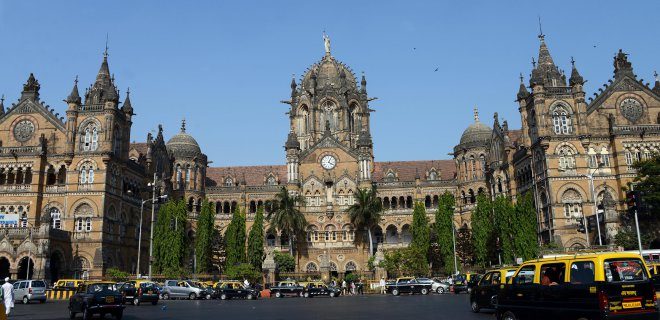
The old railway headquarters in central Mumbai isn’t just a transit hub. It’s a stone beast built between 1878 and 1888. You see it looming over the streets, a mix of Italianate curves and Gothic Revival spikes. Two names define its existence. Frederick William Stevens. Axel Haig. An English architect and a Swedish artist. They collided here to create something that feels less like a station and more like a fortress for travelers.
It earned its spot on the UNESCO World Heritage List. Not long ago, it was called Shivaji Terminus. Now it carries the weight of Chhatrapati Shivaji Maharaj’s name. But don’t let the official titles fool you. Today, this place is one of Mumbai’s most visited tourist traps. In a good way. The crowds are thick. The architecture is louder.
“It is widely considered one of the most famous train stations in the world.”
If you’re planning a visit, time your arrival right. The light hits the sandstone facade best in the late afternoon. That’s when the shadows stretch long across the platform arches. You’ll feel the history in the air. It’s heavy.
Siddhivinayak Temple
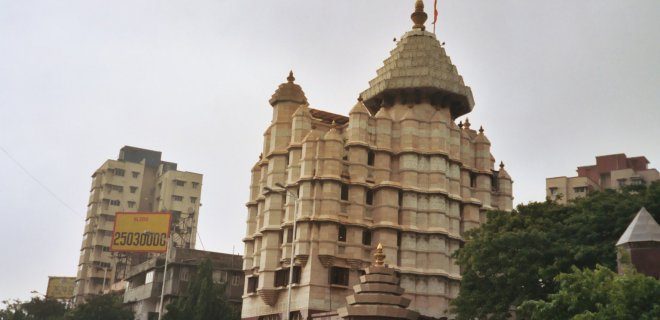
Siddhivinayak Temple: A Glimpse into Mumbai’s Spiritual Heart
Stepping into the Siddhivinayak Temple in Mumbai feels less like visiting a standard tourist spot and more like entering a living, breathing heartbeat of the city. Built back on November 19, 1801, by Laxman Vithu and Deubai Patil, this isn’t just any Hindu shrine. It’s widely considered one of the wealthiest and most significant temples in the entire metropolis. The complex is designed around a tomb dedicated to Lord Shri Ganesh, flanked by a mandap —a sacred pavilion traditionally used for Hindu wedding ceremonies. The entrance itself tells a story of craftsmanship; the doors are carved from wood, sturdy and detailed, hinting at the grandeur inside. If you’re looking for Siddhivinayak temple Mumbai, this is the definitive stop. It’s consistently ranked among Mumbai’s top must-see locations, drawing crowds not just for devotion, but for the sheer energy that radiates from its stone walls.
Girgaon Chaupati
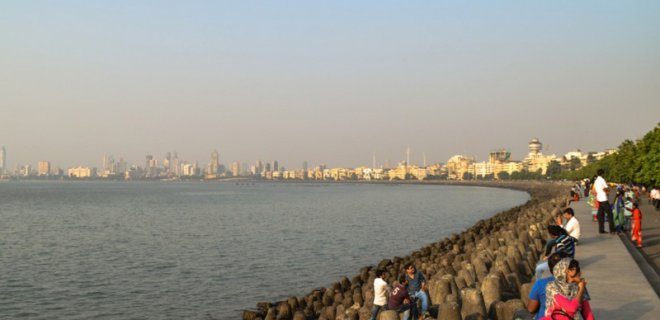
Girgaon Chaupati: Mumbai’nin Kalbindeki Sokak Lezzetleri ve Sahil Esintisi
Mumbai’nin kalbi atan Girgaon semtinde, denizle kentin arasında nefes alan bir alan var: Girgaon Chaupati. Yere gelen herkes buraya akıyor. Her yıl yüz binlerce kişi, şehrin dört bir yanından bu geniş çakıl plajına geliyor. Amaç basit: eğlenmek, ayaklarını kuma basmak ve şehrin gürültüsünden sıyrılmak.
Burada sadece deniz izlemek yok. Chaupati, aslında bir açık hava sahnesi. Dönem dönem burada farklı etkinlikler düzenleniyor. Müzik festivali olsun, kültürel programlar olsun, ortam her zaman canlı. Ama en büyük çekim merkezi, plajın etrafını saran onlarca açık gıda satıcısı.
Neyi tercih edersin?
- Pani Puri : Çıtır kuru küreler, baharatlı su ve tereyağı.
- Bhel Puri : Patlamış mısır, sebzeler ve chutney karışımı.
- Kothimbir Vadi : Yırtık otlu atıştırmalıklar.
Bu lezzetler, Mumbai’nin sokak yemeği kültürünün en iyi örneklerinden. Fiyatlar uygun. Öğrenci bütçesine bile dayanır. Ama deneyim bedava değil, bir bilet parası.
Plajın kendisi de görülmeye değer. Denizi izlerken huzur dolu anlar yaşayabilirsiniz. Güneş batarken gökyüzünün renkleri değişiyor. Maviden turuncuya. Bu manzara, Mumbai’nin kaotik enerjisine karşı bir denge noktası.
Girgaon Chaupati, sadece bir plaj değil. Mumbai’nin ruhunu yansıtan bir buluşma noktası. Yerel halkla sohbet edebilir, yabancı turistlerle göz teması kurabilir veya sadece kendi dünyana çekilebilirsin.
Sanjay Gandhi Ulusal Parkı
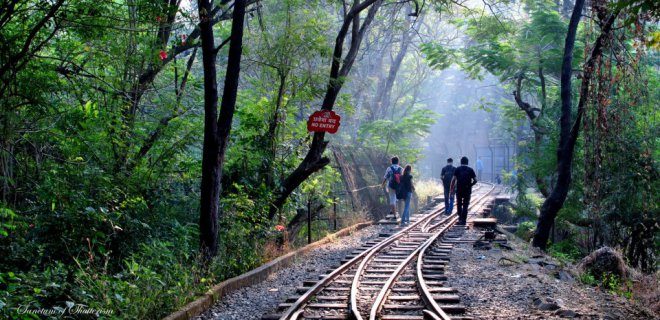
Sanjay Gandhi Ulusal Parkı: Mumbai’nin Yeşil Akciğerinde Kaybolmak
Daha önce Borivali Milli Parkı olarak bilinen bu devasa alan, Mumbai’nin kuzeyinde 104 kilometrekarelik bir doğa cenneti sunuyor. Dünyanın en çok ziyaret edilen ulusal parklarından biri olan Sanjay Gandhi Ulusal Parkı, her sene 2 milyondan fazla misafir kabul ediyor. Burası sadece yoğun bitki örtüsü ve vahşi yaşam çeşitliliğiyle değil, aynı zamanda 2400 yıllık heykelleri ve diğer tarihi yapılarıyla da dikkat çekiyor. Mumbai’nin gezilecek noktalarından biri olan Sanjay Gandhi Ulusal Parkı mutlaka keşfedilmelidir.
Tarih ve Doğa Buluşması
Parkın içinde dolaşırken, doğanın sadece bir arka plan olmadığını, kendisinin bir tarih kaynağı olduğunu hissedersiniz. Özellikle Kanheri Mağaraları, bu deneyimin en önemli parçası. 100’den fazla mağaradan oluşan bu kompleks, Budist rahiplerin binlerce yıldır kullandığı meditasyon odaları ve yaşam alanlarını barındırıyor.
Mağaraların içindeki 2400 yıllık heykellere baktığınızda, şehir gürültüsünden tamamen kopmuş hissedersiniz. Bu mağaralar, Mumbai’nin hızlı tempolu yaşamından uzak, huzurlu bir mola vermek isteyenler için ideal. Sanjay Gandhi Ulusal Parkı ‘nda geçireceğiniz zaman, sadece bir yürüyüş değil, tarihin derinliklerine inen bir yolculuk oluyor.
Erişim ve Logistika
Parka ulaşım oldukça kolay, ancak zamanlamayı iyi ayarlamak gerekiyor. Mumbai’nin batı hattı üzerinde bulunan Borivali istasyonundan park girişine kadar otobüsler düzenli olarak çalışıyor. Ancak, özellikle hafta sonları ve tatil dönemlerinde, parka girişte uzun kuyruklarla karşılaşmanız muhtemel. Bu yüzden erken saatlerde gitmek, hem trafiğe takılmamak hem de hayvanları daha aktif görebilmek için en iyi strateji.
Park içinde gezip dönmek için minibüsleri veya bisikletleri kiralayabilirsiniz. Ancak, Kanheri Mağaraları ‘na gitmek için genellikle yürümeniz gerekir. Bu yürüyüş, parkın diğer bölgelerine göre biraz daha zorlu olabilir, çünkü yollar engebeli. Yeterli su ve rahat ayakkabı olmadan burayı keşfetmeyi denemeyin.
Neden Değer?
Birçok ziyaretçi, Mumbai’nin gökdelenleri arasında kaybolmuş hissederken, Sanjay Gandhi Ulusal Parkı onlara şehrin doğal ruhunu hatırlatıyor. Bu park, sadece bir doğa koruma alanı değil, aynı zamanda Mumbai’nin ekosistemi için hayati önem taşıyan bir bölge. Ormanlık alanlar, şehrin hava kalitesini iyileştirirken, vahşi hayvanlar için de bir sığınak görevi görüyor.
Eğer Mumbai’
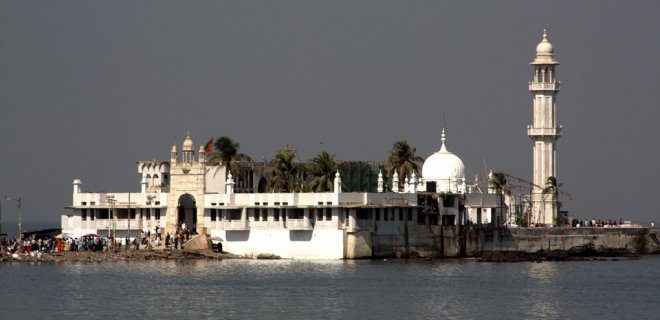
Hacı Ali Dargah: Mumbai’nin Suya Gömülü Camisi
Güney Mumbai’de, tuzlu denizin darbeleriyle çevrili bir adacıkta durur bu yapı. 1431 yılında, varlıklı bir Hint Müslüman tüccar olan Hacı Ali’nin anısına inşa edilmiştir. Şehrin en ikonik sembollerinden biri olması kadar, ulaşım hikayesi de başlı başına bir deneyimdir.
Camii, Hint-İslam mimarisinin zarif bir sentezidir. 26 metre yüksekliğindeki kubbesi, Worli kıyılarının ufuk çizgisini keser. Kompleks, sadece bir ibadethane değil, aynı zamanda Hacı Ali’nin mezarıdır. Efsaneler ona dair çok şey söyler; ama gerçek, taşın soğukluğu ve denizin gürültüsünde saklıdır.
Ulaşım ve Zamanlama: Nereye, Ne Zaman Gitmeli?
Sorulan ilk soru hep aynı olur: “Nasıl gidilir?” Cevap basit ama dikkat gerektirir. Şehrin güneyinde, Dargah Yolu (Dargah Road) üzerinde konumlanır. Ana kara kesiminden başlayan, yaklaşık 800 metrelik uzun bir beton yol sizi adacığa taşır. Bu yol, gelgitlerle etkilenir.
- Ne Zaman Gitmeli? Düşük su seviyesinde, yani gelgitin çekildiği saatlerde.
- Nasıl Gidilir? Yürüyerek. Araç girişi yoktur. 800 metrelik bu yürüyüş, şehir gürültüsünden uzaklaşmak için iyi bir fırsat olabilir.
- Giriş Ücreti: Yok. Bedava.
Her Perşembe ve Cuma günü, kompleks yaklaşık 40 bin ziyaretçiyi ağırlar. Pazar günü kalabalığıyla kıyaslandığında, bu günler daha “aktif” bir manzara sunar. İnsanlar, inançlarının somut bir parçası olarak.
Mimari Detaylar ve Görsel Şölen
Camii, beyaz mermer ve tuğladan örülmüş bir yapı. Kubbesi, gökyüzüne doğru açılan bir fısıltı gibidir. Pencerelerindeki oymalar, güneş ışığını filtreleyerek iç mekana mistik bir atmosfer katar. Hint-İslam mimarisinin bu örneği, sadece estetik değil, aynı zamanda dayanıklılığın da göstergesidir.
Yapı, denizin ortasında adeta süzülüyormuş gibi durur. Rüzgar, kubbeden geçerken çıkan ses, bazılarına ilahi bir çağrı gibi gelir. Gerisi, inanç işi.
Pratik İpuçları: Ne Giymeli, Ne Getirmeli?
- Ayakkabı: Yola çıkmadan önce ayakkabılarını çıkar. Yolun ortasında binlerce çift ayakkabı yığını göreceksin. Bunları korumak için bir görevli var ama dikk
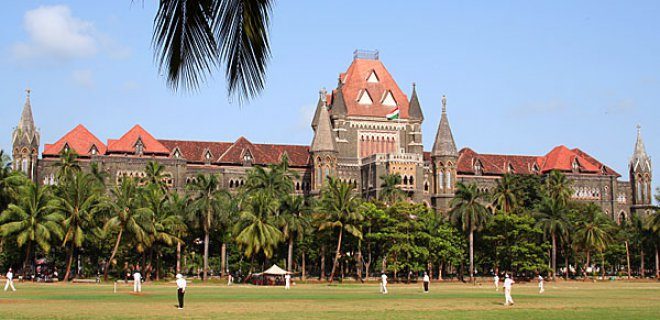
Mumbai’nin en prestijli adalet kurumlarından biri olarak gösterilmektedir. Bu mahkemenin kararları ilkede yalnızca Yargıtay tarafından temyiz edilebilmektedir. 75 yargıçtan oluşan yaptırım gücüne sahip Mumbai Yüksek Mahkemesi 1862 yılında inşa edilmiştir. İngiliz mühendis Albay James A. Fuller tarafından tasarlanan bina, Gotik Revival ve Erken İngiliz mimari sitilleriyle oluşturulmuştur. Uzunluğu 171 metre olan mahkemenin yüksekliği 57 metredir. Sekizgen kuleleriyle harika bir silüet oluşturan bina Mumbai’nin turistik yerlerinden birine dönüşmeyi başarmıştır.
Jehangir Sanat Galerisi
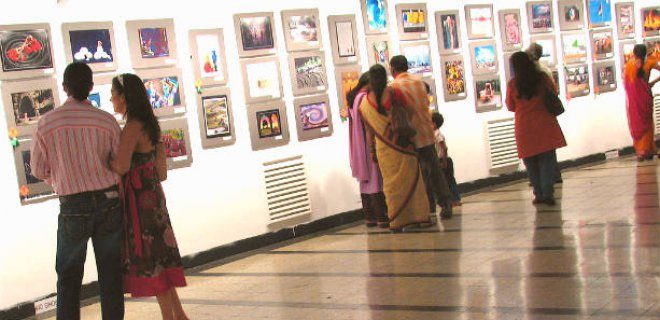
The Anchor of Mumbai’s Art Scene
It sits in a 1952 bungalow like a quiet counterpoint to the city’s chaos. This isn’t just a gallery. It is Jehangir Art Gallery, the beating heart of Mumbai’s creative pulse.
You know the history, but it bears repeating. Cowasji Jehangir founded it. But he didn’t do it alone. He was pushed. Prodded. Persuaded by heavyweights like artist Kattingeri Krishna Hebbar and professor Homi K. Bhabha. Without their insistence, Mumbai might have missed its first true dedicated art space.
The building itself is a character. A restored heritage home. It houses works from India’s earliest licensed antique dealers. Think centuries-old craftsmanship meeting mid-century modern curation. But the real draw? The sheer volume of drawings and photographs. Hundreds of them. This is where you go when you want to understand the visual lineage of the subcontinent.
It is widely considered one of the top things to see in Mumbai. Not because it is fancy. But because it is fundamental. You walk in. You see the sketches. You realize how much culture is preserved in graphite and silver nitrate.
Worli Fort
Just a short drive or metro ride away lies a different kind of history. Worli Fort.
While the gallery preserves the past through ink and paper, Worli Fort preserves it through stone and strategic positioning. It stands guard at the southern tip of Mumbai Island. The fort has seen empires rise and fall. Portuguese. British. The Marathas. Each left a mark.
Visiting the fort requires a bit of logistics. It is located near the Worli Sea Link. You can walk around the perimeter. The sea view is the main event here. The sunset hits the Arabian Sea in a way that makes the crumbling walls look like a movie set.
Do not expect a museum experience here. Expect wind. Expect noise from the nearby highway. But also expect perspective. From the top, you see the skyline. You see the gallery district in the distance. You see the city as a whole.
The connection between the two is subtle. One is inside. Intellectual. Quiet. The other is outside. Physical. Exposed. Together, they map the soul of the city.
How long do you spend at each? The gallery demands slow looking. Ten minutes is an insult. An hour is barely enough. The fort? Fifteen minutes to walk the ramparts. Maybe twenty if you stop to take photos that actually look good.
Why go to both in one trip? Because Mumbai is not just a collection of places. It is a collection of layers. The art layer. The history layer. The coastal layer. You peel them back. You get tired. You get inspired.
The traffic between Worli and the Fort area can be brutal. Plan for it. Leave buffer time. The art won’t run away. The fort will still be there at sunset.
But the light changes. The shadows lengthen. The city breathes differently in the evening.
Are you ready to walk further inland? Or will you stay by the water a while longer?
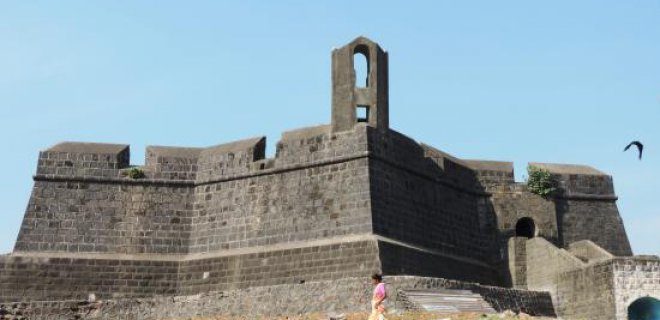
Mumbai’nin İngiliz Mirası: Worli Kalesi ve Bandra-Worli Sea Link
Worli Kalesi’nin (Worli Fort) taşları 1675’te döşenmiş. İngilizlerin Hint Altın Şehri’ni korumak için attığı stratejik hamle. Korsanlara ve rakip deniz güçlerine karşı dizilmiş bir savunma hattı. Bugün ziyaretçiler için sadece bir yapı değil, Mumbai’nin nabzını hissetmek için en iyi duraklardan biri.
Worli Kalesi’ni Ziyaret Etmenin En İyi Zamanı ve Yolları
Kaleye gitmek için merdivenleri tırmanmanız gerekecek. Dikey bir yol. Nefesinizi tutmanızı sağlayacak manzaralar. Giriş ücretsiz. Ancak güvenlik kontrolünden geçmeniz gerekebilir. Yönetim bazen değişiyor. Günlük rutinler net değil. Sabah erken saatler daha ferah. Öğleden sonra güneş dikini vuruyor. Gölgeli köşeleri aramak akıllıca.
Mumbai’de gezilecek yerler listesinde her zaman ilk sıralarda. Tarihi meraklıları için bir açık hava müzesi gibisi. Mimari detaylar İngiliz askeri mühendisliğinin izini taşıyor. Taş bloklar, surlar, gözlem noktaları… Her detay geçmişin hafızasını taşıyor.
“Kale sadece bir savunma yapısı değil, Mumbai’nin denizle kurduğu tarihsel ilişkinin somut kanıtı.”
Worli Kalesi’nde Neler Görülmeli?
Surlar boyunca yürüyüş yapmak. Deniz manzarasını izlemek. Şehrin silüetini izlemek için en iyi noktalardan biri burada. Arka planda modern gökdelenler. Önde tarihin izleri. Bu kontrast, Mumbai’nin ruhunu en iyi anlatan şey.
Kalenin içinde küçük bir müze var. Ziyaretçilere kapalı olabilir. Kontrol ediniz. Ancak dışarıdan bile etkileyici. Özellikle gün batımında. Gökyüzü turuncudan mora, maviye kayıyor. Fotoğrafçılar için bir cennet.
Ziyaret Detayları:
- Konum: Worli, Mumbai, Maharashtra
- Giriş: Ücretsiz
- En İyi Zaman: Sabah erken saatler veya gün batımı
- Giyim: Rahat ayakkabılar şart. Merdivenler dik.
- Süre: 1-2 saat yeterli.
Bandra-Worli Sea Link: Mimarinin Zaferi
Kaleden ayrılmadan önce, arkanıza bakın. Ufukta beliren o devasa köprü. Bandra-Worli Sea Link. 2009’da açılmış. Hindistan’ın en uzun deniz üstü köprüsü. 5,6 km uzunluğunda. Mühendisliğin bir başyapıtı.
Köprüyü görmek için kaleden en iyi açı. Hem Worli Kalesi’ni hem de
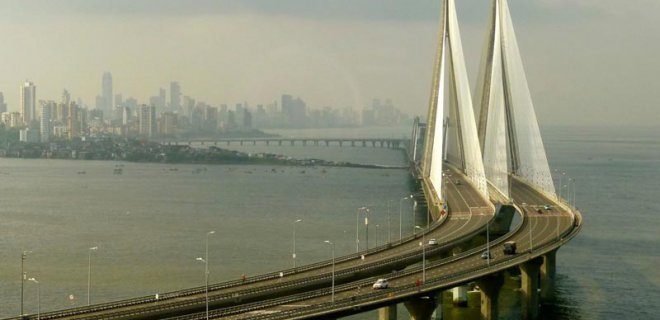
The Bandra-Worli Sea Link stands as one of Mumbai’s most iconic symbols, a towering marvel of engineering that defines the skyline. Built between 2000 and 2010, this modern bridge cost billions to construct and spans an impressive 5.6 kilometers. It features eight lanes for vehicle traffic, a massive undertaking designed to slash travel time between the affluent Bandra and Worli districts.
For travelers, it is more than just infrastructure. It is arguably the most photographed structure in the city. Tourists flock here not just for the transit, but for the view. The sheer scale of the cable-stayed design, rising dramatically from the Arabian Sea, offers a perspective of Mumbai that you cannot get from the crowded streets below.
Why the Bandra-Worli Sea Link Matters
If you are planning a trip to Mumbai, understanding the logistics of this bridge is key to navigating the city efficiently. Before its opening, the commute between the western suburbs and South Mumbai was notoriously difficult. Traffic jams were constant. The bridge changed that. It reduced travel time significantly, linking two major hubs directly.
For a visitor, the experience is two-fold. First, there is the practical side. You might cross it in a taxi or auto-rickshaw, marveling at the smooth ride compared to the chaotic roads elsewhere. Second, there is the visual allure. The bridge is lit up at night, creating a stunning silhouette against the dark sky.
What to Know Before You Go
You do not need a special permit to drive across, but you should be aware of the rules. Tolls apply. The cost is relatively low compared to the investment, but it adds up if you are crossing frequently. Keep small change or have your digital payment method ready.
Timing matters. During rush hour, the bridge is busy. If you want that empty, cinematic shot of the cables and the sea, go early in the morning or late at night. The lighting changes drastically between dusk and midnight. The sunset view from the Worli side is particularly striking.
Is It Worth the Detour?
Some travelers treat it as a simple commute. Others make it a destination. If you are staying in Bandra, walking along the promenade near the bridge offers a serene escape from the city’s noise. The sea breeze is cool. The view of the city lights flickering in the distance provides a stark contrast to the bustling markets of Old Mumbai.
The bridge is not just a road. It is a statement. It shows a Mumbai that is looking outward, connecting with the world. For a photographer, it offers endless angles. For a tourist, it offers a sense of scale. You are driving over water, suspended in the air, with the city sprawling around you.
Do not rush across. Stop if you can. Look at the construction. Think about the billions spent, the years of work. It is a monument to modern ambition. And as you drive off the other side, heading into the heart of the city, you carry that sense of awe with you.