It sits at a crossroads of rivers and empires. Bad Ischl isn’t just a dot on the map of central Austria. It is the beating heart of the Salzkammergut region, located about 26 miles east-southeast of Salzburg. The water here is heavy with salt, iodine, and sulfur. That makes it a spa town by nature, not by marketing. People have been coming here to soak in the waters since 1822.
The town’s history is deep, though it didn’t always have its modern name. Records first mention the settlement in 1262. It stayed a quiet village for centuries. Then came the Habsburgs.
The Imperial Connection
In 1854, Emperor Francis Joseph arrived. He never really left. He made Bad Ischl his summer residence until 1914. That single decision changed everything. The quiet spa became an international stage.
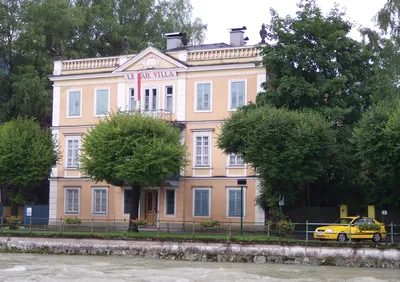
Who else showed up? The usual suspects of high culture. Franz Lehar lived here. Johannes Brahms visited. Anton Bruckner found inspiration here. Johann Strauss the Younger played his waltzes. If you were anyone of note in the late 19th century, you ended up in Bad Ischl.
You can still walk the grounds of the Imperial Villa today. It is open to the public. The architecture reminds you of the power that once held sway over much of Europe. Not far away, you can visit Lehar’s home. It is now a museum. It feels intimate, like stepping into a private conversation with a composer.
More Than Just History
The town didn’t stop at royalty. Today, Bad Ischl manufactures shoes, clothing, and metalware. It is a working town with a population of around 14,106 people. The local industry is modest, but it gives the place a grounded feel. It isn’t just a museum piece.
The geography is striking. The Traun and Ischler Ache rivers converge here. The water clarity is usually high, reflecting the surrounding Alps. In summer, the air is warm. In winter, the snow stays longer in the valley.
Practical Details for Travelers
If you are planning a trip to the Salzkammergut, Bad Ischl is a logical base. It connects easily to Salzburg, which is about 42 kilometers away. You can drive it in under an hour. The roads are well-maintained.
Best time to visit? Summer. The spa waters are most active then. The cultural events fill the calendar. But spring and autumn offer a quieter experience. You can see the factories in action. You can walk the streets without the summer crowds.
How long should you stay? Two days is enough to see the Imperial Villa. Another day for the museums. A third day for soaking in the springs and hiking the nearby trails.
The town received municipal status in 1940. That is relatively recent. It suggests a history that is still evolving, even if the buildings are old. The blend of imperial grandeur and industrial reality is unique.
Is it worth the detour from Salzburg? For history buffs, yes. For spa seekers, absolutely. For those who just want to see where Strauss wrote his tunes, it is a quiet, pleasant