Goa is not just a state. It is a vibe. A smell of salt and frying fish. A sound of Portuguese echoes in narrow lanes. Located in southwestern India, this 1,429-square-mile strip of land hugs the Arabian Sea. It has a coastline stretching 65 miles. The population sits around 1.4 million people. The capital is Panaji. But the real capital is the beach.
To understand Goa, you have to look at the map. It is squeezed between Maharashtra and Karnataka. This geography creates a unique pocket of culture. Hindu dynasties and Muslim sultanates ruled here until the late 15th century. Then came the Portuguese. They took control in 1510. They built their power base in Old Goa. That city became the capital of Portuguese India. The influence remains visible today.
India gained independence in 1947. But Goa stayed with Portugal. It took decades of tension. Finally, in 1961, Indian troops moved in. They occupied the territory. It was incorporated into India. For a while, it was part of a larger union territory including Daman and Diu. Then, in 1987, Goa became its own state. The rest moved to union territory status. This history matters. It explains why Goa feels different from the rest of India.
Why Goa is a Top Tourist Destination
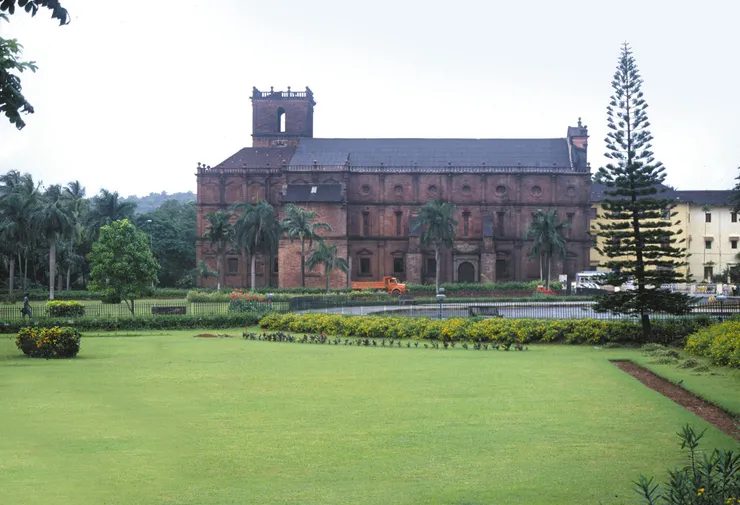
Goa is agricultural. Palm trees and spice plantations dot the landscape. But most visitors come for the beaches. And the architecture. The mix of Indian and European styles is distinct. You see baroque churches next to Hindu temples. You see colorful Portuguese-style houses. It is a visual collision.
Tourism drives the economy now. The beaches are fine. White sand. Clear water. Some are quiet. Some are packed. Which one you want depends on your mood. The state has mastered the art of welcoming strangers. It is not a struggle to fit in. It is an invitation to relax.
Planning Your Trip to Goa
When do you go? The peak season is winter. November to February. The weather is dry. The air is cool. It is perfect for beach hopping. Summer is hot and humid. The monsoon brings heavy rain. It lushens the greenery. But it can be messy. Plan your trip around the season.
How much does it cost? Goa is affordable. But it varies. Backpacker hostels cost very little. Luxury resorts charge a premium. Food is cheap if you eat local. Seafood and rice are staples. Wine and imported spirits cost more. Budgeting is flexible. You can spend a lot or very little.
Where to stay? North Goa is lively. Anjuna and Vagator are famous. They have clubs and crowds. South Goa is quieter. Palolem and Agonda offer solitude. The choice defines your trip. Do you want party or peace? The answer dictates your location.
Getting Around and What to See
Transport is key. The state is small. You can cross it in a few hours. Buses are cheap. Taxis are available. Renting a scooter is popular. It gives freedom. But drive carefully. Traffic can be chaotic.
What to see? Old Goa has churches. Se Cathedral is massive. It