
Leaving Fido at home isn’t an option for half the people who want to book a flight. The idea of a beach resort without Mr. Pickles isn’t a vacation; it’s a hostage situation for the heart. Fortunately, the skies are open to four-legged passengers now. Most carriers will let you bring them in the cabin or checked into the cargo hold, but the price tags and rules vary wildly. You need to know the specifics before you buy a ticket.
Before you start shopping for tiny, breathable sunglasses for your dog, here are five rules for flying with pets. They aren’t in any particular order of importance.
5. Visit the Vet, But Watch the Calendar
The health certificate is non-negotiable for most flights. You need a vet’s stamp of approval to prove your pet is fit to fly. But timing is everything.
Don’t go to the vet three weeks before your trip. By the time you land, that certificate might be expired, depending on the airline’s policy and your destination. Some require the exam to be within 10 days of departure. Others accept it up to 30 days out.
Check the specific window for your airline. If you go too early, you waste money. If you go too late, you miss your flight. Aim for the sweet spot. Usually, that’s about two weeks before takeoff. It feels like enough time to catch a cold, but not so close that a last-minute illness ruins everything.
“Check the specific window for your airline. If you go too early, you waste money. If you go too late, you miss your flight.”
Bring your pet’s vaccination records. The vet needs to see proof of rabies shots and any other required immunizations. If your pet is old or has health issues, ask about sedation. Most airlines ban sedated animals from flying. It’s safer for them to be alert in the crate.
This step is boring. It’s administrative. But it’s the gatekeeper. Miss it, and the rest of your planning doesn’t matter. You won’t get on the plane.


The Ten-Day Health Certificate Rule
Skip the general wellness check if you’re not ready to book the flight. Here is the catch most travelers miss: that clean bill of health from your vet has a strict expiration date. Most airlines require the document to be issued no more than ten days before your departure.
If you book your ticket three months out and rush to the vet now, you’ll have to go back. Again. The certificate must be current at the time of boarding. Plan the visit so it lands right within that narrow window. Forget the paperwork, and you’re grounded. It is just as inconvenient as leaving your passport at home.
The exam itself is straightforward. The vet looks for active illness—coughing, diarrhea, skin issues. They verify your pet’s rabies vaccine is current. They might recommend flea or heartworm prevention if you haven’t already. Once everything checks out, you get a signed document. Keep it digital and physical. Lose it, and you lose your pet’s seat.
To Sedate or Not to Sedate
This is where judgment calls matter. Can your dog handle a pressurized cabin at 30,000 feet? Can your cat stop hissing long enough to avoid a fine?
Many owners reach for tranquilizers. It seems logical. If the pet is calm, the flight is easier. It is also a bad idea. The American Veterinary Medical Association strongly advises against sedating animals for air travel.
At that altitude, your pet’s respiratory system is already under stress. Sedatives depress breathing. They lower blood pressure. In a confined carrier, a sedated animal may not be able to adjust its position or breathe effectively. The risk of complication outweighs the convenience of a quiet cabin.
If your pet is anxious, talk to your vet about alternatives. Some anti-anxiety medications are safer than full sedatives, but even those require careful consideration. There is no one-size-fits-all pill. What calms one dog might destabilize another.
Start training early. Get your pet used to the carrier. Short car rides. Overnight stays in the crate. Acclimation matters more than medication. A calm pet that knows its space is safer than one knocked out by a drug.
When you’re booking the flight, check the airline’s specific pet policy. Some carriers ban certain breeds outright. Others have size restrictions for the carrier. Know the rules before you buy the ticket. It saves you from a last-minute panic at the check-in counter.

The anxiety you feel during turbulence is nothing compared to what your dog or cat is experiencing. Being shoved into a crate, surrounded by the sounds of other stressed animals in the cargo hold or overhead bin, is a nightmare scenario for most pets. It’s tempting to reach for a pill to keep them calm, but the medical consensus on this is surprisingly complicated.
The Sedation Debate: Calm vs. Safe
Your first instinct might be to sedate your pet to spare them the stress. But here is the hard truth: the American Humane Association strongly advises against using tranquilizers or sedatives for air travel.
Why? Because altitude changes affect breathing. When an animal is sedated, their respiratory drive can drop dangerously low at higher altitudes. This is especially risky for brachycephalic breeds—short-faced dogs like Pugs, Bulldogs, or Boxers, and Persian cats. These animals are already prone to respiratory distress. Sedation can turn a stressful flight into a medical emergency.
“Sedated animals may have trouble breathing at higher altitudes… the likelihood of respiratory distress may decrease” if you skip the meds, even if the animal remains anxious.
If you ignore this advice and choose to medicate, do not share your own prescription. Diazepam (Valium) affects humans and animals differently. What calms you might be a lethal dose for a ten-pound terrier. You need a vet-specific prescription tailored to your pet’s weight and health history. Get this during your pre-flight checkup, not in the car on the way to the airport.
And absolutely do not buy pet anxiety meds online. Any retailer that doesn’t require a valid veterinary prescription is selling counterfeits. You don’t know if the pill contains the active ingredient, the wrong dosage, or just filler. The risk isn’t worth the convenience.
3. Verify Your Destination is Pet-Friendly
Assuming you’ve navigated the vet visit and the airline’s specific crate requirements, you need to ensure your arrival point actually welcomes your companion. Not all hotels, rentals, or cities are created equal.
Start by filtering accommodations specifically for “pet-friendly” status, but dig deeper. A hotel might accept pets but charge a non-refundable $150 fee per stay, or limit you to one small dog under 25 pounds. Some places ban certain breeds outright. Read the fine print on weight limits, breed restrictions, and daily cleaning fees before you book.
Logistics Beyond the Airport
Where are you going? That matters.
- National Parks: Many campsites allow pets in cars and at picnic areas, but rarely on trails or in lodges. Check specific park rules for leash laws and waste disposal.
- Urban Destinations: Cities like New York or London have vast networks of pet-friendly cafes and parks, but also strict noise ordinances. A howling dog in a small apartment can lead to complaints or eviction.
- Beach Towns: Seasonal restrictions often apply. Some beaches ban dogs entirely between May and September. Look for designated off-leash areas or early morning hours when crowds are thin.
Consider the climate. Traveling with a thick-coated Husky to Miami in July is cruel. Traveling with a short-haired Greyhound to Denver in January requires careful planning for temperature

You might think your dog is just another piece of luggage. You don’t. Hotels know it too.
Unless your companion is a certified service animal, do not assume they get a room key. This isn’t a slight against your pet’s charm; it’s a logistical reality. If you don’t plan ahead, you’ll arrive at a boutique inn or a mid-range chain with a furry friend in tow, only to be turned away at the front desk. The awkwardness is real. The cost of finding a last-minute boarding facility is higher. Avoid the surprise. Treat your pet’s presence as a constraint in your itinerary, not an afterthought.
How do you actually find a place that welcomes them? Stop guessing. Start searching.
Sites like DogFriendly.com exist specifically to rank destinations and hotel chains on their actual pet policies. They don’t just say “yes”; they detail the fees, the weight limits, and the amenities. The American Automobile Association (AAA) also runs surveys on top pet-friendly cities, measuring success by the density of accommodating hotels. But the most reliable source is often the property itself. Most hotels list their specific pet policy directly on their website now. Look for the fine print. Is there a non-refundable fee? A daily charge? A limit on the number of animals per room?
Where Are You Going? Quarantine Rules Matter
Traveling internationally changes the stakes entirely.
You cannot just book a flight and a hotel. You must call the consulate or embassy of your destination. Why? Because nations have strict quarantine policies regarding disease. Animals in different parts of the world carry different pathogens. They have immunity. Your pet does not. If your dog is exposed to a disease they haven’t developed immunity against, the consequences can be deadly for the animal and public health for the host country.
This is why some places lock doors. Hawaii, for example, is famously strict. If your pet does not meet the state’s specific import requirements, they may be quarantined for up to 120 days. That is four months of confinement. It is not a vacation. It is a waiting room.
Doing this homework takes time. It costs little in effort but saves your sanity. A happy pet is a well-planned pet.
Let the Airline Know Your Pet’s Coming Along for the Ride
Once you have a place to stay, you need to get there. And the airline is the new gatekeeper.
This is where many travelers make a fatal error. They assume that because they have a carrier and a healthy vet certificate, they are good to go. They are not. You must explicitly notify the airline. This is not a suggestion. It is a requirement.
Most airlines allow a limited number of pets in the cabin per flight. If you wait until you are at the check-in counter, the pet spots may already be sold out. You will be stuck with your animal as cargo, which is riskier and more expensive, or you will be stranded.
Check the specific carrier dimensions. They must fit under the seat in front of you. No exceptions. Check the weight limit. Combined weight of you and the pet often matters for cargo, but for cabin, it’s usually just the pet plus the carrier.
Call the airline. Book the pet space at the same
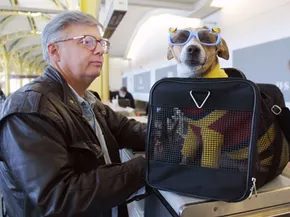
Assuming your hotel has a “pet-friendly” room is risky. Assuming you can just show up at the airport with your dog is reckless. The biggest mistake travelers make is treating their pet’s flight like an afterthought. You book your seat. You ignore the pet. Then you hit the wall: a fully booked cargo hold. Now you’re paying premiums to change your flight or, worse, leaving your companion behind.
The Cabin Reality Check
You might think, “I’ll just bring him in the cabin.” It’s possible. But don’t get excited yet.
Most airlines have a strict rule: the carrier must fit under the seat in front of you. That’s the physical limit. The behavioral limit is stricter. Your pet must be able to stand up and turn around inside that cramped box. No squatting. No squeezing. If they don’t fit that way, they don’t fly with you.
Price Shock vs. Price Planning
Booking the pet ticket with your own ticket stops the bleeding. Show up at the counter? You’ll face sticker shock.
Expect to pay nearly as much for the pet as you did for yourself. Let’s look at Delta Airlines. A one-way in-cabin flight for a pet costs $150. That’s not cheap. But it’s better than the alternative.
If you check the pet as baggage in the cargo hold, the costs jump:
* Domestic (U.S.): $275 one-way
* International: $550 one-way
These prices shift. They change without notice. Locking it in early is your only shield.
The Pet-Only Flight Option
Can you stomach leaving your dog with strangers for a few hours? If yes, look into pets-only flights. Companies like PetAirways specialize in this.
It saves money. More importantly, pets fly in the cabin, not the dark cargo hold. It’s a different experience. A safer one for anxious animals. Worth investigating if your schedule allows.
1. Feed and Water Your Pet Before Departure

The Pre-Flight Checklist: Timing and Taming
Security protocols have tightened considerably since 9/11. The result? Longer lines and more stress for everyone, especially if you are hauling a crate. The U.S. Transportation Security Administration (TSA) is explicit about this: arrive at least two hours before your flight. Use that buffer. While you are standing in the terminal waiting for your boarding call, you need to focus on your pet’s physical needs.
The rules are strict but simple. The U.S. Department of Agriculture requires that any animal traveling on an airline must be fed and given water within four hours of the scheduled departure time. You will likely be asked to sign a waiver at check-in, swearing under oath that you have provided sustenance.
But here is where most travelers mess up. Do not overfeed your pet.
A belly full of kibble and water is a recipe for disaster in a pressurized cabin. Anxiety and motion sickness can trigger vomiting. Worse, a too-full bladder leads to accidents inside the crate, which is a humiliating way to land. Keep the bowls empty and locked away. Attach a sealed bag of dry food to the outside of the carrier instead. This allows airline staff to intervene if your layover drags on or if there is a significant delay.
Hydration and Logistics
Timing is everything. Offer your pet a small amount of water roughly two hours before the flight. This keeps them hydrated without filling the tank. If you are worried about accidents, ask an airport employee where the designated pet relief area is. Most major hubs have these zones now. It saves you from hunting for a patch of grass in a concrete jungle.
Following these steps makes the experience smoother for you and your companion. It’s not just about getting from point A to point B. It’s about ensuring your pet’s vacation doesn’t start with trauma.
Related Reading
- 6 Pets that Traveled Long Distances to Get Home
- How Pet Microchipping Works
- Do pets suffer jet lag?
More Great Links
- DogFriendly.com
- PetAirways.com
- Pet Air, Your Pet’s Travel Agent
Sources
- Long, Cricky. “Marley and you: 10 dog-trip essentials.” Studio One Networks. Accessed December 31, 2008.
- Probst, Sarah. “Tips for flying with your pet.” University of Illinois. June 21, 1999.
- “Air travel for your pet.” Airlines.org. Accessed December 31, 2008.
- “Animal quarantine information.” Hawaii Department of Agriculture. Accessed December 31, 2008.
- “Don’t sedate or tranquilize pets traveling by air.” American Humane Association. Accessed December 31, 2008.
- “Jet-setting kitty.” Petco. Accessed December 31, 2008.
- “Pet travel options.” Delta Airlines. Accessed December 31, 2008.
- “Traveling with pets.” TravelSense. Accessed December 31, 2008.
- “TSA air travel FAQs.” U.S. TSA. July 2006.