


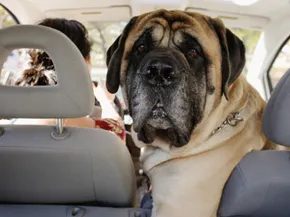
You think it’s simple. You toss the dog in the back, shut the door, and drive. It’s not.
Princess might have accidents when excited. Buddy sheds enough fur to turn your interior a different shade of brown. Rusty jumps back and forth, creating a distraction. Fifi hates the ride.
The solution depends on your pet, your vehicle, and the specific chaos they bring. You need gear that makes the trip safe and comfortable for everyone. We are covering pet car seat covers, travel crates, barriers, steps, ramps, car seats, booster seats, and safety harnesses. That is a lot of accessories.
We will also cover basic automobile safety tips for driving with a pet. Prepare to learn that some of your pet’s favorite activities are actually dangerous. Sticking a head out the window? That is a big no-no.
If you are planning a trip with a cat, look at the travel crate section. Cats are rarely calm car travelers like dogs. Skip the booster seats and harnesses for felines. Stick with a sturdy travel crate, kennel, or carrier.
You’ve been using a towel to cover the back seat. It’s not working. Stop the homemade remedies. Consider a proper pet car seat cover.
Pet Car Seat Covers
You love your pet. You love making them happy. You also love the interior of your car.
One of their favorite things is riding with you. The problem is the mess. You need to keep shedding hair off the seat. You need to protect soft leather. You need to handle unexpected accidents. You do not want to air out a smell in the middle of winter when you cannot open the windows.
Pet car seat covers are exactly what they sound like. A layer of cloth that covers your car seat. They come in many colors and materials. You can get a single seat cover. A long row for the entire back seat. Or a large mat for the back of an SUV.
Prices range from $25 to $100. The cost depends on material and style. When shopping, find one that fits your specific car model. It must have a waterproof layer. It needs to be machine washable. Do not buy something that is difficult to clean.
Hammock Style
Does your dog look like they are relaxing on a hammock? With a hammock-style pet car seat cover, they can.
This cover connects from the back of the front seats to the back seat. It is useful if you have items stored on the floor of the back seat. Your dog cannot get into them during the drive. It also creates a barrier. Nosy dogs cannot climb into the front.
Pet Travel Crates
If your dog is uncomfortable in the car, you need a crate. If you want to take your cat, you need a crate. Most agree it is the safest way for a pet to travel.
Pet travel crates, kennels, or carriers come in vast styles. Colors vary. Materials differ. You can get utilitarian metal cages. You can get decorative plush pieces. Aesthetics matter less than safety. A hard-case carrier is the best option for security.
There are no specific legal restrictions for using a crate in your own car. If you plan to fly with your pet later, check airline requirements. You do not want to buy a second one. Airlines have specific size rules. They often ban wire or collapsible crates.
Even if you never fly, follow these guidelines. They ensure comfort. Measure your pet while they are standing.
- Measure from the tip of the nose to the base of the tail, closest to the hindquarters.
- Measure from the floor to the highest point of your pet. This is either the head or the ears if they stick up.
Your pet must be able to turn around. They need to stretch out. They need to relax. A crate that is too big is not helpful. The animal may not feel secure. Take careful measurements. Purchase the crate closest in recommended size. Ensure it is properly constructed. It must allow for plenty of ventilation.
Stylish Options
There are numerous types of crates. Many are stylish. More owners are choosing to spoil their pets. Pet boutiques offer cabana-style mesh crates. They sell literal pup tents.
Be prepared to pay more for these than an average plastic crate. Do not expect to take them on an airplane.
Wire Barriers and Cabin Dividers
Let’s talk about containment. If your dog treats the center console like a personal highway, you need a physical stop. For sedans, the solution is usually a simple fabric or mesh gate. You clip it between the front seats, blocking the jump to the passenger side. It’s cheap. It’s effective. It stops your pup from becoming a distraction when they decide the back seat isn’t enough.
But minivans, SUVs, and crossovers require something sturdier. This is where pet car barriers come in. Think of them as the cage separators you see in police cruisers. They are made of adjustable wire, spanning the rear cargo area to keep the animal in the back. They aren’t cheap. They aren’t small. But for a Houdini-level escape artist, they are the only thing that holds. You can buy extenders to close gaps, too. Your kids might love playing cops and robbers in the back. Your dog will just hate it. That’s the point.
Steps and Ramps: Saving Joints and Backs
Big truck? High ground clearance? You need help getting in. Your dog probably does too.
Pet steps and ramps are foldable, portable, and often telescoping. They collapse for storage or extend to fit your vehicle’s height. Some don’t fold at all—short, rigid ramps for smaller SUVs and tiny dogs. Look for anti-slip surfaces. You do not want your dog sliding down a slick plastic sheet at 60 miles per hour. Most are adjustable, fitting car doors or even your porch steps. Outdoor versions exist for deck access, too.
Here is the kicker: high-end, heavy-duty ramps can hold up to 250 pounds. They are sturdy. They might even hold your weight.
So, steps or ramps? If your dog has stiff hips or arthritis, choose a ramp. They can shuffle up without the impact of jumping. It’s gentler on their joints. It’s also gentler on your wallet. Ramps tend to be lighter and cheaper than portable step towers. Your back will thank you when you’re hauling gear.
Booster Seats for Small Dogs
Want to pamper your dog? Get them a pet booster seat. These are basket-like seats with straps and buckles, designed for small breeds. They attach to the front or rear seats, raising the dog so they can see out the window. The open road, firsthand.
But there are rules.
First, check the weight limit. A full-grown Labrador will not fit in these, and shouldn’t be in one anyway. They are made only for little dogs.
Second, the lining must be removable and machine washable. Accidents happen. Excitement happens. You need to be able to toss the pad in the wash after a messy trip.
The rest of the seat needs padding. Plush. Durable. Stable. If it wobbles, your dog gets anxious. Check the strap placement, too. Some premium models route straps behind the seat for an unobstructed view. Just ensure your dog can’t tangle in them. Safety first. Comfort second. View third.
For the golfers among us, there are even booster seats designed for golf carts. So Spot doesn’t have to stay home while you play 18 holes. A niche product, sure. But for the avid golfer with a dog, it’s a game-changer.
The Physics of a Loose Pet
Leaving your dog to roam the backseat feels like freedom until the brakes hit. Here is the reality: at 30 mph, an unrestrained dog becomes a projectile. The physics are brutal. Hundreds of pounds of force slam into seats, dashboards, windows, or you.
You wouldn’t let a toddler wander the highway in the passenger seat. Why is your dog any different?
Standard seatbelts are useless here. They are designed for human anatomy, not paws or fur. You need a pet safety harness. This isn’t just a strap; it’s a system of buckles and webbing designed to work with your car’s existing safety belt. It anchors your dog so they stay put during sudden stops or collisions.
Check your local laws, too. Several states and municipalities have already made restraint mandatory. You might be breaking the law without realizing it.
Finding the Right Fit
Not all harnesses are created equal. The gear matters.
When you strap it on, look for two things: adjustability and comfort. The harness must fit snugly without choking. If it restricts breathing or movement cruelly, it’s the wrong tool. Also, inspect the buckles. Cheap plastic can snag fur, pulling skin and creating a miserable experience for the animal. A bad fit means a stressed pet and a distracted driver.
Key Insight: A harness is the closest thing to a human seatbelt for a dog. It isn’t optional if you want true safety.
The Golden Rule: Never Leave Them Behind
Accessories help, but the most critical safety measure costs nothing.
Do not leave your pet in a parked car.
This applies to every season.
* Summer: Heat kills fast.
* Winter: Cold kills just as fast.
* Truck Beds: Never leave a dog in a pickup bed, unattended or moving. Strangers can threaten the animal, or the animal can become aggressive. Worse, many dogs fall out of open truck beds, suffering severe injury or death.
Even the “quick run” is a trap.
The 10-Minute Myth
You think you’re being smart cracking the windows two inches. You’re not.
It is 85°F outside. You only need milk and bread. Ten minutes. Your car will be fine.
Wrong.
In just 10 minutes, a parked car’s interior temperature can spike past 100°F (38°C), even with windows open. If you get stuck in line? If you grab a few extra items? That 30-minute errand turns the cabin into an oven. At 120°F (49°C), the heat becomes lethal.
Even on a mild 70°F day, the interior can rise by 20 degrees rapidly. A car is a greenhouse. It traps solar radiation with zero ventilation.
Other Hidden Dangers
Safety isn’t just about crashes. It’s about the environment.
Letting your dog stick their head out the window seems fun. It’s dangerous.
1. Infection: Flying dust, grime, and debris cause inner ear and lung infections.
2. Eye Damage: A stray bug or pebble can cause permanent injury.
3. Impact: Objects whizzing by at highway speeds can strike the animal.
These risks are often overlooked. We focus on the crash, not the wind.
Planning for the Road
It feels like a lot. Safety harnesses. Legal checks. Temperature monitoring. No head-out-the-window.
But the alternative is worse.
With a little planning, you avoid tragedy. You keep your dog safe. And you get to enjoy the miles. Road trips with pets are rewarding. They just require you to respect the risks.
Plan ahead. Buckle up. Leave the dog at home if you can’t secure them. The freedom of travel is worth the extra step.
The road is open. Make sure your companion survives the journey.


