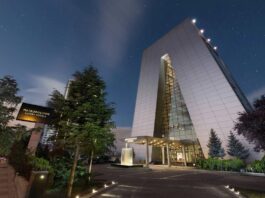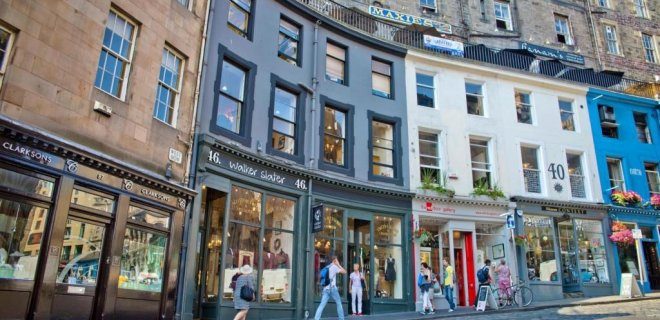
Budva sits on the Adriatic Sea coast as one of the region’s oldest settlements. It is not just a beach destination. It is a place where history bleeds into modern tourism. The city draws travelers who want sun but also want to walk through walls that have stood for millennia.
There are 17 beaches here. Some are private resorts. Others are public strips of stone and sand. The choice depends on your budget and your tolerance for crowds.
The currency is the euro. Budva is not in the EU. You might expect prices to match Western Europe. They do not. It remains significantly cheaper than Italy or France. Your money goes further here.
Navigating Languages and Logistics
You will hear Karadağca (Montenegrin) spoken most often. Do not worry if you do not know it. Serb, Bosnian, Albanian, and Croatian are also common. English is widely understood in tourist zones. If you venture into the Old Town markets, a few basic phrases help. But you will manage fine without them.
Getting around requires a bit of strategy. Public buses connect the main tourist hubs. They are cheap and frequent in summer. Taxis are available but can be pricey. Walking is the best option for exploring the Old Town and the immediate coastline. The streets are narrow. They are not designed for cars in the historic center.
The Old Town: 2,500 Years of Survival
The Old Town is the heart of Budva. It is small. It is dense. Its history stretches back 2,500 years.
This area has survived earthquakes. Major tremors struck in 1677 and 1979. The damage was severe. Reconstruction efforts gave it its current appearance. The result is a charming mix of Venetian architecture and defensive walls.
“Old Town, meaning the old city, is a small town with 2,500 years of history. It is one of the oldest settlements on the Adriatic Sea coast.”
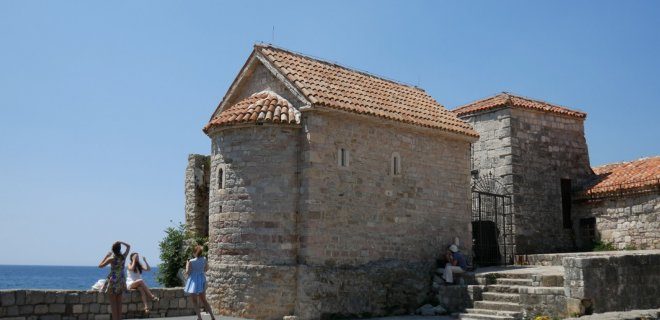
Visit the Old Town first. It sets the tone for the rest of your trip. The cobblestones are uneven. The buildings are painted in warm ochres and whites. Churches dot the landscape. The Church of Saint John stands out. It dates back to the 9th century. The walls offer panoramic views of the bay. Climb them early in the morning to avoid the heat and the crowds.
Why Budva?
Why do people come here? The answer is simple. It offers both sea and culture. You can swim in the morning. You can explore ancient ruins in the afternoon. This dual appeal makes it a popular stop.
The city is divided into two parts. The Old Town and the New Town. The Old Town is pedestrian-only. It is quiet at night, except for the bars near the main gate. The New Town stretches along the coast. It has wider streets. More hotels. More nightlife.
Planning Your Stay
When you book, look for locations near the Old Town if you want atmosphere. Stay in the New Town if you prefer easier access to beaches and broader shopping options.
Food is affordable. You will find taverns serving grilled fish, local cheese, and olive oil. Prices are reasonable by European standards. Drink local wine. It

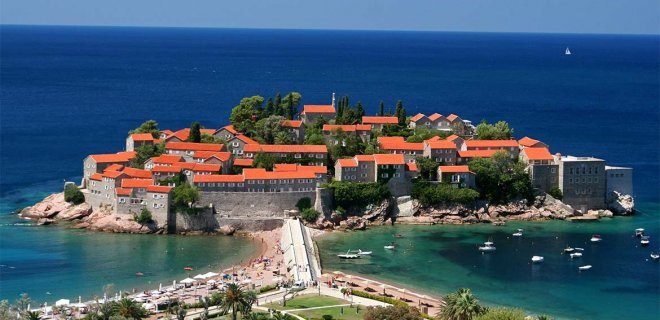
Stevi Stefan : Budva’dan 500 Metre Ufak Bir Cennet
Budva’ya sadece 500 metre uzakta, denizin ortasında yüzüyor adeta. Stevi Stefan, Karadağ’ın en ikonik adalarından biri. Küçük ama karakter dolu. Adı, 15. yüzyıldaki küçük şapelden geliyor. O dönemde sadece bir sığınak değil, aynı zamanda bir savunma hattıydı. Korsanlar. Osmanlı saldırıları. Tekrar tekrar hedef alındı. Ama ayakta kaldı.
1940’tan itibaren hikaye değişti. Artık askeri bir üs değil, turistik bir cazibe merkezi. Adada otel var. Prens Palace Hotel. 2018’de yenilendi. Şimdi otelde kalmadığın sürece adaya giriş yok. Peki ya deniz?
Nasıl Erişim Sağlanır ve Ne Zaman Gidilir?
Adaya otelin dışında kalanların tek girişi yok. Ama sahili kullanabilirsin. Ana karadan tekneyle ya da yüzerek ulaşılır. Yaz aylarında su berrak. Sıcaklık 25-28 derece civarında. Haziran’da kalabalık başlar. Temmuz ve Ağustos zirve yapar. Eğer sakinlik arıyorsan, Eylül’de git. Su hala sıcak. Ama turist sayısı yarıya iner.
Otelin plajı kapalı. Ama adanın çevresindeki kumsal açık. Buraya yüzme ile ulaşılır. Yaklaşık 10-15 dakika sürer. Kayak ya da şişme yay kullanma. Çok riskli. Dalga yüksek olabilir. Haziran’da sakin olur.
Ne Görülür ve Neden Önemlidir?
Adanın kalbinde küçük bir kilise var. Stevi Stefan Şapeli. 15. yüzyıldan kalma. Restorasyon çalışmaları yapıldı. Ziyaret edilebilir. Ama ana odak şurası değil. Önemli olan denizle iç içe olmak.
Adanın batı tarafında küçük bir koy var. Burada güneşlenmek güzel. Doğal taşlar arasında saklanırsın. Güneyde ise daha geniş bir alan. Burada daha fazla kişi olabilir. Ama manzara muazzam. Budva kalesi uzakta beliriyor. Riviera uzanıyor.
Gastronomi ve Konaklama Detayları
Otelde yemek seçeneği var. Pahalı ama kaliteli. Balık yemekleri öne çıkıyor. Yerel şaraplar var. Konaklamak istersen odalar deniz manzaralı. Fiyatlar sezon göre değişir. Temmuz’da gece 150-250 Euro arası. Ocak’ta daha ucuz. Ama kışın her şey kapalı.
Adada restoran var mı? Evet. Otel restoranı. Menü basit. İtalyan ve Karadağ mutfağı karışımı. Porsiyonlar makul. Servis hızlı. Ama rezervasyon şart. Özellikle hafta son
Why Petrovac Is the Quiet Escape You Didn’t Know You Needed
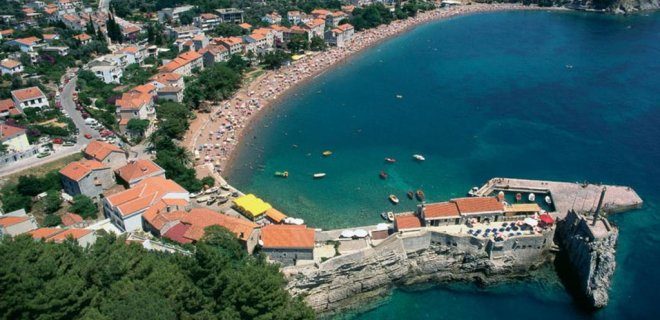
Petrovac is exactly what most coastal towns promise but rarely deliver. It is small. It is quiet. And it sits right on the water without feeling like a theme park.
The town is ringed by pine forests that smell like resin and salt. You walk through them to get to the beach. It takes five minutes. That is the whole vibe. No traffic noise. Just birds and waves.
Petrovac 600 metrelik kumlu bir sahile sahiptir.
That strip of sand is long enough to find a corner no one else is in. It is clean. The water is clear. You can rent a chair for cheap if you want. Or just bring a towel.
This wasn’t always about tourists. Fishermen lived here. Their income came from the net. Now? Tourism pays the bills.
There are still olive trees. Pine trees. The land hasn’t changed. Only the people walking on it have.
“It’s not loud. It’s not crowded. It’s just… there.”
If you want to avoid the summer crush, go in May or October. The hotels are half-empty. The sea is still warm enough for a dip. You actually get to talk to people.
Where to eat? Anyplace with a table under a pine tree. The fish is fresh. It’s cheap. You won’t need a reservation.
How to get there? Drive from Budva. It’s ten minutes. Leave the rental car behind once you park. Walk. Breathe.
You won’t see many cruise ships. You won’t hear club music. Just the wind in the pines.
Is it perfect? No place is. But it’s honest. That’s rare.
Stay longer. Watch the sunset. Do nothing.
That’s the point.
Where to Find Budva’s History Beyond the Beaches
The Etrografya Müzesi isn’t just another stop on a tourist loop. It’s the place you go when you want to understand the city’s soul, not just its skyline. Located within Budva, this museum captures the essence of the town over the last twenty years. You won’t find sprawling exhibits here. What you do find is a sharp, focused look at how the local identity has shifted.
If you are looking for Budva history exhibits, this is where the real answers are. The collection moves beyond postcards. It digs into the artifacts that define the region’s timeline. You will see items from the Hellenistic period. These aren’t just generic Greek pots. They are specific vessels, intricate jewelry, and daily objects that survived centuries of change.
The museum serves a practical purpose. It connects the ancient past with the modern reality. The Hellenistic artifacts remind you that Budva was a hub long before it was a nightlife capital. The modern displays show the resilience of the community. Seeing the jewelry up close changes how you view the local culture. It wasn’t just about trade. It was about status, belief, and survival.
Most guides send you straight to the Old Town’s walls or the beach clubs. This museum is the quiet counterpoint. You can spend an hour there. It’s not flashy. It doesn’t have interactive touchscreens or audio guides in five languages. It has truth. If you are planning a trip to Budva and want to avoid the superficial, skip the crowded souvenir shops. Walk here instead. The objects are small. The stories they tell are massive.
You might wonder if it’s worth the detour. The answer depends on what you want from your travel. If you want sun and noise, stay out. If you want context, step inside. The contrast between the ancient artifacts and the modern displays creates a narrative that is hard to find elsewhere. You leave with a clearer picture of who lives here now and who lived here then. That clarity is rare.
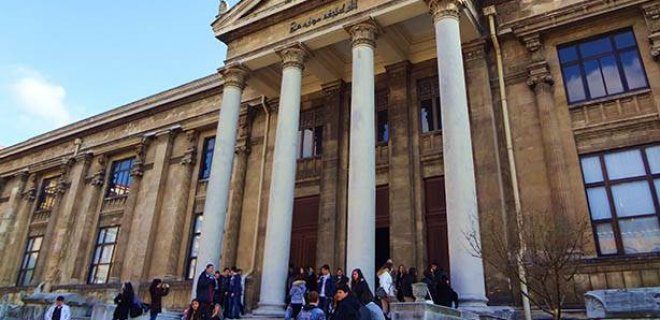
The Ethnographic Museum: A Mirror of Budva’s Recent Past
Forget the grandiosity of ancient ruins for a moment. The Ethnographic Museum in Budva doesn’t try to wow you with marble columns or lost civilizations. It does something far more intimate. It holds a mirror to the city’s last twenty years. If you want to understand how Budva evolved from a quiet fishing outpost into the tourist hub it is today, this is where you go.
The exhibits are straightforward. You walk through rooms filled with photographs, documents, and artifacts that map the city’s rapid transformation. It’s not just about the past; it’s about the recent memory of a place in flux.
But wait. There’s a catch in the description you might have seen elsewhere. The text you read often conflates this space with the Archaeological Museum. Let’s clear that up immediately. The Archaeological Museum is the one with the heavy hitters: Hellenistic era artifacts, intricate vases, and delicate jewelry. You’ll find those treasures in a different building, usually linked to the old town’s central heritage sites.
If you’re standing near the fortress walls, check your map. The Ethnographic Museum focuses on local life, customs, and the modernization of Budva. It’s a quick stop. Ten minutes, maybe twenty if you’re reading every caption. It provides context for why the streets look the way they do now.
Meanwhile, the Hellenistic pieces—those vases and jewelry —tell a story of trade routes and Mediterranean power plays from over two millennia ago. They are beautiful, yes. But they are physically located in the archaeological section.
So, here’s the logistical truth for your itinerary. Don’t expect to see both the Hellenistic gold and the Ethnographic photographs in one single room unless the museum layout has recently merged them (which it hasn’t, typically). They are distinct experiences.
Why does this distinction matter? Because one tells you who was here. The other tells you who is here.
Visit the archaeological site if you want to feel the weight of history. Visit the Ethnographic space if you want to understand the present. Both are worth your time. Just don’t go into the wrong room expecting to see a 21st-century photograph next to a 3rd-century BC ring. That’s a mismatch.
Budva is small. You can hit both. Just keep your expectations aligned with the actual contents. The confusion is common, but the reality is simpler. One museum looks back two thousand years. The other looks back twenty.
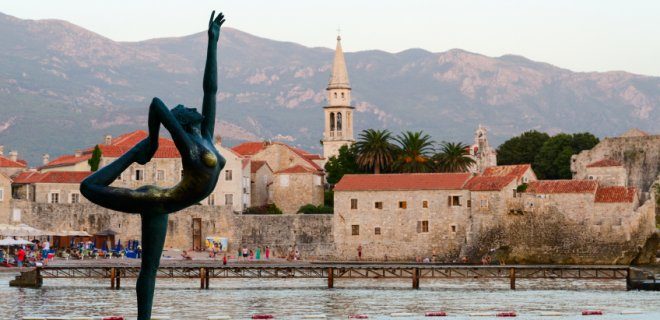
The Dancing Girl Statue: Budva’s Most Photographed Spot
Standing on the rocky edge of Budva’s Old Town, the Dans Eden Kız Heykeli (Dancing Girl Statue) is impossible to miss. It’s the backdrop for nearly every tourist photo in the area. You’ll see it framed by the Adriatic Sea, with the stone walls of the Old Town rising behind it.
There’s a local legend attached to the bronze figure. Locals say she represents a young girl who drowned here. Some believe she’s still searching for the water. Others dismiss the myth entirely. They call it just a piece of public art.
But don’t ignore her if you’re passing by.
Many visitors touch her surface before moving on. There’s a widespread belief that touching the statue brings good luck. It’s a small ritual, but you’ll see hundreds of hands brushing against her arm and hair daily.
Where to Find It and Why It Matters
The statue sits near the entrance to the Old Town. It’s one of the first landmarks you encounter when walking along the promenade. The view from this angle is sharp and direct. You get the coastline, the historic fortress, and the sea in one frame.
Timing matters here. Go early in the morning or late in the evening. The light is softer. The crowds thin out slightly. Midday brings heat and long shadows that can wash out the details in photos.
Is It Just a Monument?
Some travelers skip it. They think it’s generic. But look closer. The pose is dynamic. It captures motion. The artist wanted to freeze a moment of joy or perhaps desperation. The ambiguity is part of the draw.
Whether you believe the drowning story or not, the statue serves as a gateway. It marks the transition from the modern beach areas to the historic heart of Budva.
Touching the statue is considered lucky by many locals.
The debate over its meaning doesn’t diminish its value. It adds layers to the experience. You’re not just looking at metal. You’re engaging with local belief and history.
Plan a quick stop. Take your photo. Say hello to the girl. Then head into the Old Town. The streets nearby are narrow and steep. They lead to hidden cafes and ancient churches. The statue is just the beginning.
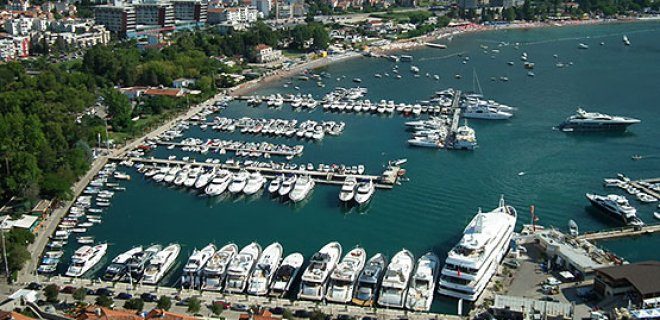
Marina: Budva’s Quiet Backdoor to Sveti Nikola
Most travelers rush past Marina. They flock to the Old Town’s neon-lit bars or squeeze onto the crowded pebble beaches of Mogren. It’s a common oversight. Marina feels tucked away, almost an afterthought in the bustling Budva itinerary. But that isolation is exactly why it deserves a spot on your map.
It’s not just a parking lot for luxury yachts. It’s a functional hub with a surprisingly relaxed vibe. You can walk the promenade without dodging tour groups. You can grab a coffee that doesn’t cost a fortune. And if you’re looking to swim, the water here is clearer than the main beach strip.
The real utility of Marina reveals itself when you plan your next move.
For boat access to Sveti Nikola Island, Marina is the primary departure point.
If you’re dreaming of that short, sunny hop to Sveti Nikola—the tiny island known for its fortress ruins and seafood tavernas—you don’t need to hunt for a tour operator downtown. You go straight to the marina. The ferries run frequently in July and August. It’s faster, cheaper than a packaged tour, and lets you set your own return time.
Timing matters. Go early morning. The light hits the water differently. The boats haven’t left yet. The atmosphere is still waking up. By noon, the tourists from the cruise ships have arrived, and the peace vanishes.
Food-wise, skip the tourist traps near the bus station. There are small konobe (taverns) along the marina edge. They serve fresh octopus and local white wine. The prices are fair. The view of the anchored boats is the real appetizer.
Don’t treat Marina as just a transit zone. Treat it as a basecamp. Walk north toward the Nova Pavla beach if you want sand. Walk south toward the castle walls if you want history. But for that island escape, keep Marina as your starting line. It’s the quiet choice. And usually, the better one.
The Citadel (Hisar)
Perched at the absolute highest point of Budva, the Hisar isn’t just a landmark. It’s the town’s crown jewel.
Over centuries, the fortress expanded and shifted. Builders added walls. They tore them down. They rebuilt them higher. The result is a structure that still holds its visual integrity today. It doesn’t look like a museum piece behind glass. It feels alive.
The cost of admission is shockingly low. Just 2 Euros.
That’s it. For two Euros, you get the history. You get the view. You get the climb.
Most tourists skip it. They stay in the old town below. They drink wine in the squares. But if you want to see Budva from a different angle, you have to go up. The path is steep. The sun beats down. But the reward is immediate.
From the top, the Adriatic stretches out. It’s not just blue. It’s a deep, endless blue. The old town looks like a cluster of red tiles. It’s smaller than you expect. Tighter. More chaotic. And more beautiful.
Why pay more when 2 Euros gets you the best seat in the house?
The walls are thick. They’ve stood for centuries. You can run your hand along the stone. It’s rough. Real. Not replicated. Not restored for aesthetics alone. It’s there because it had to be.
Go in the late afternoon. The light hits the stone differently. It turns gold. The heat of the day begins to fade. The shadows lengthen. It’s quieter then. Fewer people. More space to think.
You walk through the gates. You pass the cannons. They point out to sea. They used to protect the town. Now they just point. Watching.
The climb is worth the sweat. The view is worth the time. And the price? It’s practically an insult. Two Euros.
Don’t miss it.
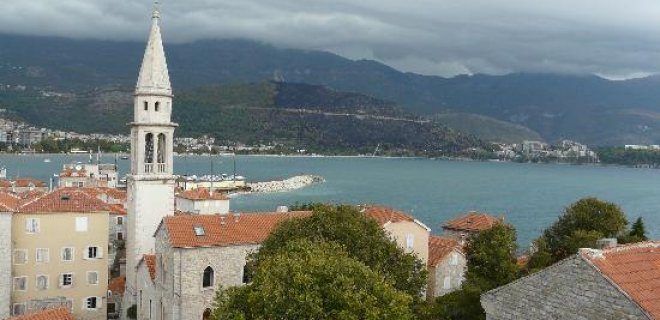
The Earliest Faith in Budva: Inside St. John the Baptist
Most travelers rush past the old town walls to hit the beach, but if you want to understand why Budva survived centuries of bombardment, you start here. The Church of St John the Baptist isn’t just a building. It’s the city’s oldest surviving religious structure. It stands as a quiet testament to a history that predates the Ottoman sieges and Venetian trade deals by centuries.
The complex is divided into three distinct sections. You have the church itself. Then there is the bell tower. And finally, the separate bishop’s residence. This tripartite layout is rare for the region and gives the site a grounded, fortress-like feel.
Walking inside, the architecture feels cramped but intentional. The space has shifted over time. Additions and repairs have layered on top of each other. But the core remains. If you look closely at the walls, you aren’t just seeing plaster and stone. You are looking at a visual timeline of Montenegro’s past.
“The interior features frescoes and figures that serve as a historical record of the city.”
The Baptist church holds specific imagery that maps out local history. These aren’t generic biblical scenes. They are detailed figures. They show who ruled. They show what people looked like. They show how faith evolved when the world around it changed violently.
Timing matters here. Go early. The light filters through the small windows in a way that highlights the texture of the old frescoes. By noon, the heat draws people away, and the shadows flatten the details.
Entry is usually inexpensive, often included in broader heritage passes, but checking current rates is wise. It’s not a massive cathedral. It won’t take an hour. But it’s the first stop for anyone who wants to trace the roots of Budva before the modern tourism industry took over.
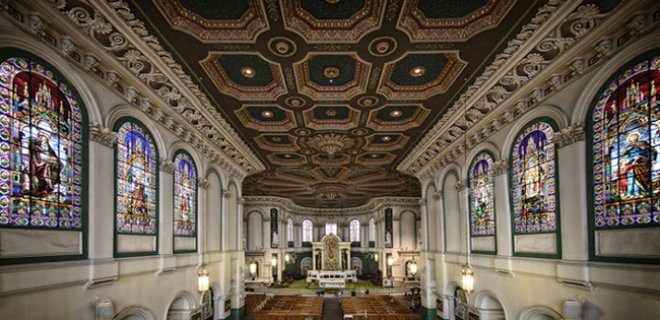
The oldest church in Budva
History is messy here. The Church of St Mary of Punta doesn’t care about neat timelines.
Built roughly 1,200 years ago. That puts it squarely in the early medieval period.
Legend says Spanish sailors dropped a statue of the Virgin Mary at this exact spot. They lit candles. The structure grew around that moment.
It is the oldest church in Budva.
Some claim it predates even the Roman era structures nearby. Others just call it pre-Roman.
Either way. It’s old.
You can see the stone. Rough. Unpolished.
It sits on a hill. Looking down at the coast.
Visitors come for the view. And the silence.
Inside? Simple.
No gold. No marble. Just stone and shadow.
The name changes depending on who you ask. Crkva Svete Marije od Punta. Or just St Mary of Punta.
It’s worth finding. Not because it’s famous.
But because it’s still there.
After 12 centuries. Standing still while Budva moved around it.
The road up is narrow.
Cars struggle. Hikers prefer it.
You’ll see other ruins nearby.
But this one feels different.
It feels like a marker.
Not just of time. But of memory.
Where did those sailors come from?
We don’t know.
We only know they left something behind.
And the locals built around it.
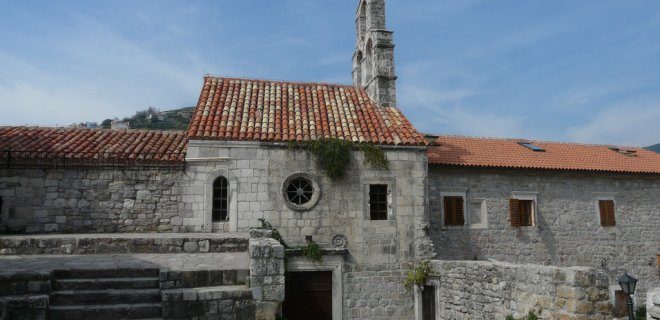
What to See in Budva’s City Museum
The Budva City Museum sits right in the heart of the Old Town. It is a small but dense collection of local history. You walk in expecting a quick glance. You leave with a deeper understanding of the city’s scars and resilience.
The museum’s story begins in 1957. Archaeologists started digging. They found artifacts scattered across the site. The collection grew steadily. By 1958, the museum opened its doors. It was modest then. Fragile pieces from the nearby ruins made up most of the exhibits.
Then came 1979. The earthquake hit hard. It cracked the walls of the Old Town. It also cracked open the ground beneath it. The destruction revealed something valuable. Rescue workers dug through the rubble. They found thousands of items.
Today, you can see nearly 4,000 pieces. Over 2,500 of them are on display. This is the museum’s biggest treasure. The finds include pottery, tools, and religious icons. They date back centuries. The earthquake did more damage. It also created an archaeological goldmine.
Visiting the Budva City Museum takes about thirty minutes. It is not a sprawling complex. It is a snapshot of the city’s survival. The artifacts tell a story of destruction and rebuilding. You see the same stones in the streets outside. You see them in the museum cases.
Go on a weekday. The crowds thin out. The light is better for looking at small details. The entrance fee is minimal. It is worth every cent for the context it provides. You will look at the Old Town walls differently after this.
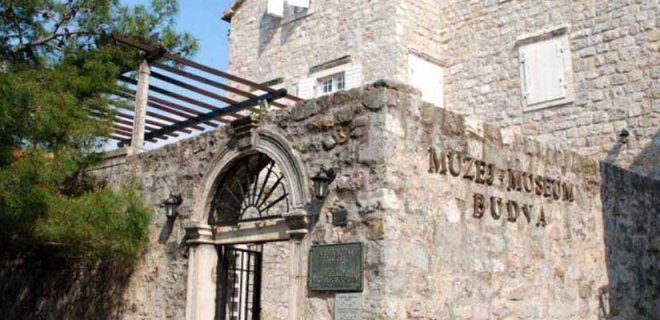
Where to Find Yugoslav Modern Art in Budva
You need to head toward the old town. Not the beach clubs. The actual cultural heart.
If you are looking for Yugoslav modern art, skip the random galleries that pop up in tourist traps. Aim for Budva Modern Gallery. It sits practically next door to the Budva City Museum. You can’t miss it if you are already wandering the historic walls.
The collection isn’t just a few dusty paintings in a dark room. It’s substantial.
Here is the reality on the ground:
The gallery holds over 400 modern art pieces. That is a heavy number for a small coastal city.
These aren’t random donations. Every artist who has ever shown work here has donated at least one piece to the permanent collection. This isn’t a temporary loan program. This is a deep, rooted archive of the region’s creative history.
Why does this matter for your trip?
Because most travelers in Budva are focused on the sea. The sand. The cocktails. They miss the intellectual side of Montenegro’s past. This gallery offers a window into the Yugoslav era’s artistic output. It’s distinct from the Ottoman or Venetian influences you see in the stone architecture.
How to visit:
Plan for an hour. Maybe two if you slow down.
Go early in the day. The heat gets brutal by noon, and the museum space is cool. It’s a relief.
Check the opening hours before you walk there. Small local galleries can be finicky with schedules. They don’t always follow the rigid tourist clock.
Which works are worth seeing?
Look for the pieces by local masters who defined the mid-20th century aesthetic in the Balkans. These artists worked between realism and abstract expressionism. They captured a specific moment in time. The political shift. The social change.
The donation model means the collection changes slightly over time as new artists join the fold. You might see something new if you visit later in the year.
Is it the highlight of your trip?
Probably not. If you only have three days in Montenegro, stick to Kotor and the coast. But if you have a fourth day? Or if you are stuck in Budva during a rainstorm?
Go here.
It’s quiet. It’s air-conditioned. It’s real.
You walk out back into the heat. The contrast is sharp. You’ve seen the art. Now you’re ready for the noise of the old town again.
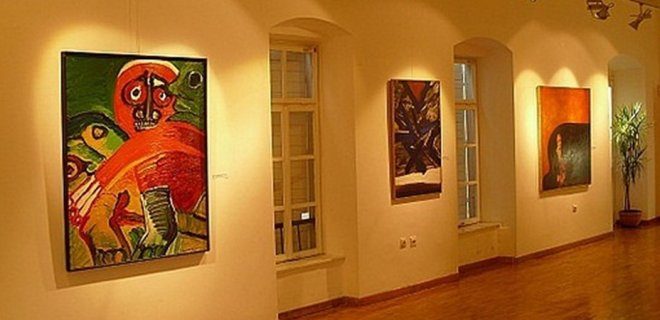
Beyond Budva: Why You Need to See the Tara River Canyon
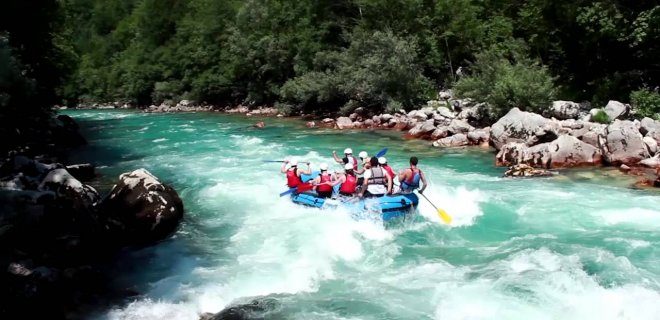
If you’re sticking to Budva, you’re safe. But if you’ve already made the trek down the coast, skipping the Tara River Canyon feels like a wasted ticket. This isn’t just a scenic detour. It’s the second-deepest gorge on the planet. At 1,300 meters deep, it eclipses Europe’s other contenders by a significant margin. The sheer vertical drop demands respect.
Logistically, it’s a serious commitment. Regular buses run from Budva, but don’t expect a quick hop. The ride takes about five hours each way. That’s a full day gone. You’re looking at a long morning and an even longer evening. The road winds through rugged terrain, so if you’re prone to motion sickness, pack your meds.
The reward? UNESCO protected wilderness that feels untouched by time. The water is drinkable straight from the source in places. The air is crisp. It’s nature in its rawest form.
Here is how you handle the logistics:
- Transport : Buses depart Budva daily. Check local schedules as they shift with seasons.
- Duration : Plan for 10+ hours round-trip including wait times.
- What to bring : Sturdy shoes. The trails are uneven. Snacks. Facilities are sparse.
- Best time to go : Early morning to maximize daylight. The canyon gets dark fast once you’re inside.
Is the five-hour bus ride worth it for one afternoon of hiking? For most travelers, yes. The scale of the gorge changes your perspective. You aren’t just looking at a river. You’re looking into the earth’s crust.
If you are planning a broader trip, look into Karadağ Gezilecek Yerler (places to see in Montenegro) to map out other stops. The Tara Canyon fits best as a single-day excursion from Budva or Kotor. It’s not a place to linger for weeks. It’s a place to witness, then move on.
The drive back will be quiet. Your legs will ache. But you’ll have seen something most tourists never will.
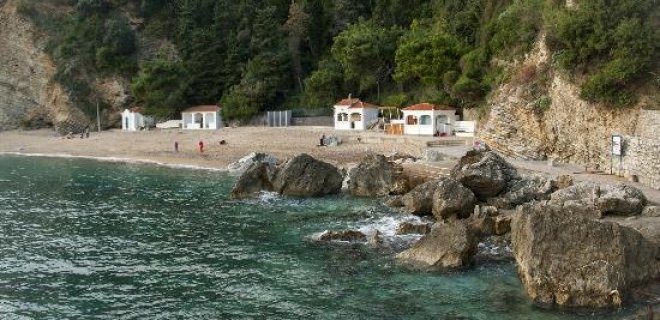
Budva’nın tanelerini saydıkça geçen dönem duvarları ve dar sokakları hâlâ aklınızda olabilir. Ama bu şehrin asıl hikâyesi kumda, denizde yazın ortasında yaşanıyor. Tarihi dokusunuza doyduysanız, şimdi deniz turizminin kalbine, yani mavi bayraklı plajlarına iniyoruz. Budva, bu konuda iddialı. Temizlik standartları yüksek, sayıları bol ve her biri farklı bir enerjiye sahip.
Mogren Plajı: Kalabalık Ama İkonik
Şehrin nabzı Old Town’ın tam yanında durur. 300 metrelik bu sahil şeridi, Budva’nın en bilinen, en görünen ve muhtemelen en kalabalık noktasıdır.
Neden burası? Çünkü konum. Tarihi merkeze yürüme mesafesinde. Ulaşım derdi yok. Ama dikkat. Yaz aylarında, özellikle Temmuz-Ağustos arasında, kum alanı neredeyse tıkanır. Güneş şemsiyesi bulmak bir zorunluluk haline gelir, rastgele gelmek işe yaramaz.
Kalabalığı sevmezseniz erken saatlerde gitmek tek seçenek. Sabah 10’dan önce vardığınızda, denizin o mavi tonunu ve sahildeki taşların betweenkiliğini daha rahat hissederiz. Akşamüstü ise güneşin batışı manzarası bu kalabalığı biraz olsun unutturur. Ama suya girerken dirseklerinizi kullanmaya hazır olun. İnsanlar buraya gelmiş, denize girmiş, bekliyor.
Why Jaz Beach is the Outlier in Budva’s Rocky Landscape
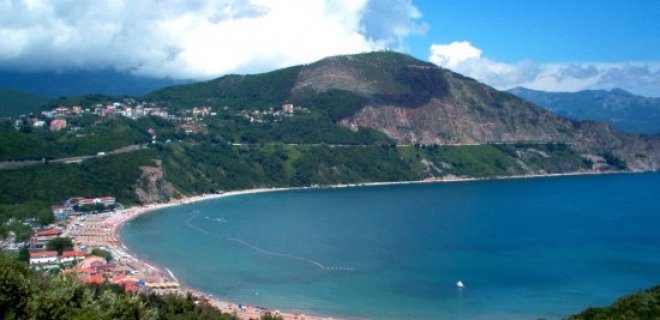
Most beaches in Budva are a gritty affair. You step out of your sandals and immediately find yourself negotiating a landscape of sharp rocks and uneven stones. It is part of the charm for some, but a logistical headache for others. Jaz Beach is the exception. The name itself translates to “smooth,” and the geography delivers on that promise.
The beach stretches over a kilometer long. It is arguably the largest sandy expanse in the immediate area. Unlike the typical Adriatic coast where you dig through gravel to find the water, here the sand meets the sea directly. The substrate is fine. The bottom is even.
This distinction makes it a top choice for families. It also appeals to those who just want to lie down without bracing against pebbles. The water is shallow for a significant distance. You can wade quite far out before the drop-off becomes noticeable.
Timing matters. Because it is the most accessible sandy spot, it draws a crowd. Arrive early if you want a patch of unbroken sand. The infrastructure along the shore is decent. Sunbed rentals are available. Bars line the back of the beach, offering cold drinks and basic meals.
The cost of entry is usually minimal or free, though you pay for comfort. A pair of loungers and an umbrella will run you a modest fee. It is not luxury pricing. It is tourist pricing.
Who is this for?
- Travelers who dislike rocks under their feet.
- Parents with young children who need a gentle entry.
- People who want to swim without worrying about cutting their feet.
- Those seeking a long walk along the shoreline.
For everyone else, the rocky beaches are fine. Just bring sturdy shoes. But if you can make the trek to Jaz, the difference is palpable. The sand is real. The water is inviting. And the view of the Old Town walls across the bay provides a classic backdrop.
It does not mean the rest of Budva is inaccessible. It just means you have a choice. And in a region defined by its rugged coastline, a kilometer of soft sand is a rare commodity.
Slovenska Beach: The Long, Pebbled Stretch
Slovenska Beach sits in Budva, and it’s a stretch that doesn’t quit. At 1,500 meters, it’s one of the longest continuous sands in the area.
But don’t pack your tiny towel for barefoot lounging. This isn’t soft sand. It’s a pebble beach. Smooth stones underfoot.
The length is the draw. You can walk for twenty minutes without turning around. The water stays shallow for a good distance. That’s good for kids. It’s less intimidating for beginners learning to swim.
Yet, the pebbles mean you’ll need sandals. Or thick flip-flops. Don’t show up in bare feet unless you like stepping on stones.
It’s located near the old town. Easy to reach on foot from the center. Less crowded than Mogren Beach further west. The vibe is more relaxed. Fewer umbrellas. More space to breathe.
You’ll see locals here after midday. Not just tourists. People walking. People jogging. The evening light hits the Adriatic differently here. Longer shadows. Warmer tones.
If you’re planning a day trip, bring a chair. Or a large towel. The ground doesn’t yield. But the space? The space is real.
What’s genuinely worth seeing? The view back toward the fortifications. The way the light catches the waves at sunset. The sheer length of it. You can lose track of time walking here.
Logistics are simple. Rent an umbrella if you want shade. They’re available, though not everywhere. Bring water. There aren’t many shops right on the sand. A short walk to the promenade gets you cafes and ice cream.
Timing matters. Early morning is quiet. After 2 PM, it fills up. But because it’s so long, you can always find a spot. It’s not tight.
Why go here instead of the sandy spots? For the space. For the exercise. For the different texture of the coast. It’s not for everyone. But it’s a solid alternative if you’ve had enough of sand.
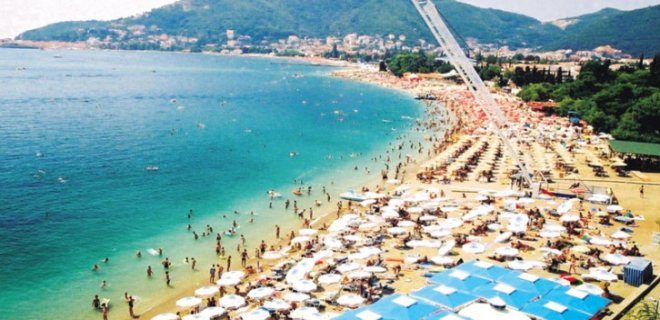
Becici Beach: Budva’s Longest Strip of Sand
You can’t miss Becici. It sits just three or four kilometers from the old town, stretching out for 2.5 kilometers. That is not a small distance. It makes Becici the largest beach in Budva.
The sand is the main draw. Most spots here are pebbly. This one is different. The shore is sandy. That is why it is so popular. It is the go-to choice for families. You can spread out a towel without worrying about your toes getting crushed by rocks.
The beach is divided into two sections by a small pier. The side closer to the city is more developed. Expect to see bars and restaurants lining the promenade. The other side feels a bit quieter, though still busy.
Timing matters here. Go early in the morning if you want space. By noon, the long strip fills up. Bring your own umbrella. Renting one costs extra and can be pricey during peak season. Water shoes are optional. The sand is soft underfoot. You do not need the heavy protection you would need on a stony shore.
Logistically, it is easy to reach. Walk from the center. It takes about 30 minutes. Or take a local bus. The fare is minimal. Taxis are available but will charge a premium for such a short hop.
The view back toward the old town is nice. The sun sets over the Adriatic, painting the sky in shades of orange and purple. Stay late. The evening air cools down. The bars stay open. You can watch the day end without the heat of the afternoon pressing down on you.
Is it worth the walk? For the sand alone, yes. Most other beaches in Budva require a ladder or a climb. Here, you just walk in. That convenience is worth the distance from the main square.
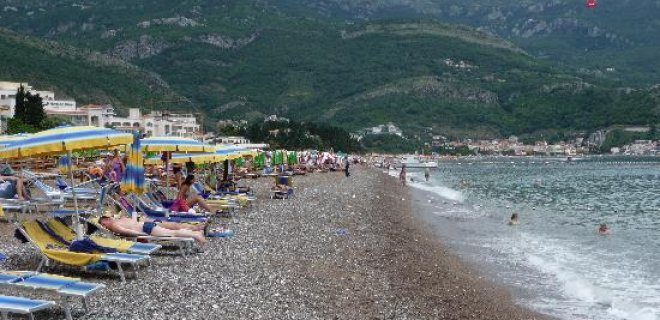
5. Queen’s Beach: The Royal Connection and Reality
It’s only a short walk from Sveti Stefan. About 200 meters. The name comes from history—the queen loved it here. But don’t let the royal title fool you. It’s small. Tight.
If you’re looking for Queen’s Beach Montenegro travel guide tips, start with the logistics. You aren’t driving straight onto the sand. The beach is part of the historic islet’s exclusive resort zone. This means access is controlled. You can walk there, sure. But if you want to lounge comfortably, you’re likely paying for a day pass or staying at the hotel.
How to Access This Exclusive Spot
Many travelers ask how to get to Queen’s Beach Sveti Stefan without a reservation. The answer is tricky. The beach is nestled within the luxury complex. You can stroll along the promenade. You can peek over the walls. But lying on the white pebbles? That usually requires a booking.
Think of it as a view that costs money. Or a view you can walk past for free. Which do you prefer?
Who Is It Worth Visiting?
The beach is famous for its clarity. The water is deep blue. The stones are smooth. It’s photogenic. Perfect for Instagram. But it’s not for everyone. The crowd is upscale. The noise is low. If you want a party, look elsewhere. If you want quiet luxury, this is it.
The beach got its name because the queen loved it. It’s romantic. It’s exclusive. It’s expensive.
Best Time to Go
Summer is hot. Crowded. The sun beats down on the stones. They get hot. Bring shoes. Or sandals. Don’t go barefoot unless you like pain.
Go early. Before the cruise ships dock. Before the hotel guests wake up. 8 AM is golden. The light is soft. The water is calm. You might even have the place to yourself. Or close to it.
What’s Actually There?
Not much. Just sand. Stone. Sunbeds. Maybe a bar. No big resorts on the beach itself. The infrastructure is minimal. This is good. It keeps it clean. It keeps it beautiful.
But don’t expect amenities. Bring your own towel. Your own water. Your own plans. The beach is a backdrop. A stunning one. But it’s not a destination in itself. It’s a place to be seen. Or to see.
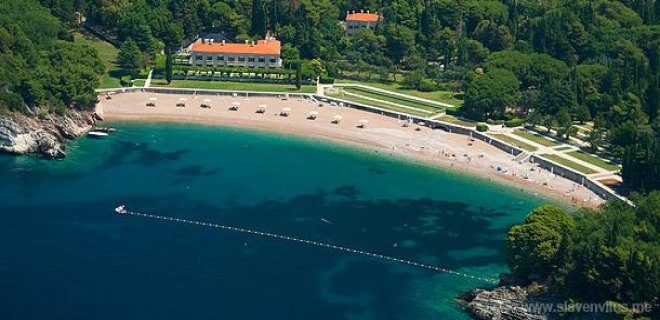
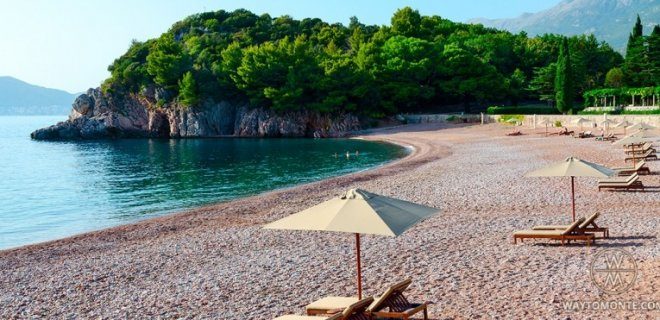
The Reality of Milocer
Milocer Beach isn’t just another stretch of sand. It’s often called the King’s Beach for a reason. Located right next to Queen’s Beach, it carries that same royal pedigree. But here’s the catch. You aren’t walking onto it from the street. You’re usually seeing it from a distance. Or you’re trekking there via a hike that tests your calves. The water is clearer than in Budva Old Town. The sand is finer. And it costs you nothing but sweat to get there.
Where to Sleep in Budva
Deciding where to crash in Budva can feel like a gamble. Do you stay in the chaos of the old town? Or do you retreat to the quieter suburbs? We’ve cut through the noise. Here’s how to pick your base, broken down by what actually matters to your wallet and your sanity.
Hotel Zeta: The Quiet Option
Forget the noise of the main strip. Hotel Zeta sits about 6 kilometers away from the center. That might sound far. But it’s a strategic distance.
You’re close enough to Mogren Beach and the Stevi Stefan restaurant to make the trip, yet far enough to escape the party buzz.
What you get for the money:
– A terrace and a shared lounge.
– Air conditioning. Non-negotiable in July.
– A flat-screen satellite TV.
– A fridge. Because you’ll want to keep drinks cold.
– A shower and wardrobe. Basic, but functional.
– A dedicated sitting area. A place to decompress after a day of swimming.
It’s not luxury. It’s not a palace. But it’s clean. It’s quiet. And for travelers who value sleep over stumbling into a nightclub at 2 AM, it’s a solid choice.
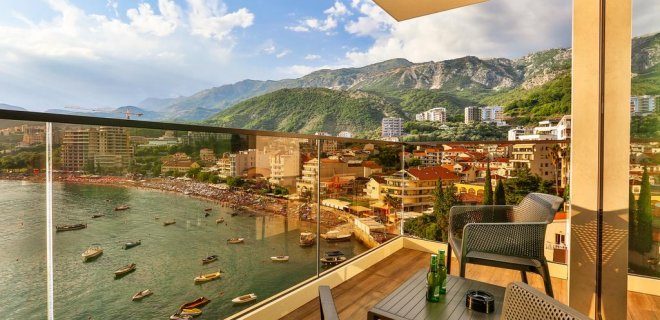
Konaklama bütçenizi daraltmak yerine, lokasyonun getirdiği stratejik avantajlara odaklanmak daha akıllıca olabilir. Budva ve çevresindeki tatilcilere sunulan seçenekler, sadece yatak odası değil; bir yaşam tarzı vaat ediyor.
Jadran Dairesi: Hareketli Bir Konum
Rafailoviçi bölgesinde yer alan Jadran, özellikle araç kullanmak istemeyenler için düşünülmüş bir adres. Adresi Budva, Rafailovici, Obala bb, Rafailovići 85315, Karadağ şeklinde verilen mekan, Mogren Plajı’na yaklaşık 2,1 km mesafede.
Bu mesafe yürüyüş için ideal sayılmasa da, sakin bir yürüyüşle denize inmeyi sevenler için yeterli. Daha hızlı ulaşım veya daha fazla keşif yapma isteği varsa, tesisin sunduğu ücretsiz bisiklet imkanını değerlendirebilirsiniz.
Oda içeriklerine baktığınızda, lüksten ziyade işlevsellik öne çıkıyor. Düz ekran TV bulunması, akşamları dışarı çıkmadığınızda geçen vakitleri daha kolay geçirmenizi sağlar.
Fiyat ve Ulaşım Detayları
Konaklama fiyatları 50€ – 220€ aralığında değişiyor. Bu geniş bant, ne zaman gittiğinize ve odanın deniz manzaralı olup olmamasına göre şekilleniyor. Yüksek sezonda 220€’ya yaklaşan fiyatlar, kasım gibi düşük sezonda 50€’ya kadar düşebilir.
Tesisin konumu, sadece plajlarla sınırlı değil. Aqua Park Budva ’ya olan mesafesi 3,1 km. Bu, ailelerle seyahat ediyorsanız veya çocuklarınızın su kaydırakları arasında vakit geçirmesini istiyorsanız, taksiyle veya bisikletle kolayca ulaşabileceğiniz bir noktada olduğunuz anlamına gelir.
Hizmetler ve Logistikk
Her sabah servis edilen kontinental kahvaltı basit ama işlevsel. Yumurta, peynir, reçel ve taze ekmek… Bu standart, günü hızla başlatmak için yeterlidir. Ücretsiz WiFi erişimi ise çalışanların veya dijital göçebelerin işlerini hallederken kopmamasını sağlar.
Telefon numarası +382 69 203 903 üzerinden rezervasyon yapmak veya ekstra isteklerinizi iletmek mümkün.
Neden sadece plaj kenarına değil, biraz daha iç kesimlere de bakıyorsunuz? Çünkü Buradaki deniz manzarası, bazen sadece pencereden bakılan bir görüntüden ibaret. Bazı odalar, gün batımını köşeden yakalarken, diğerleri sadece sessizliği sunar. Hangisini tercih edeceğiniz, seyahatinizin rit
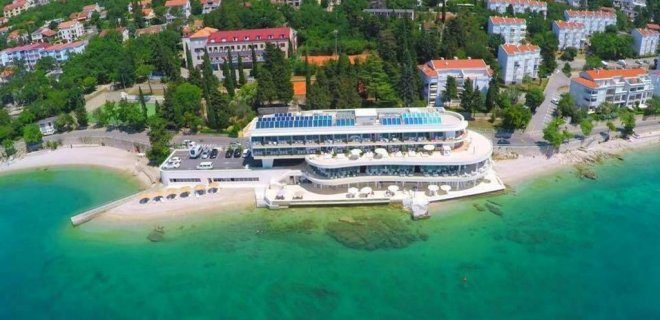
5-Star Luxury at Splendid Conference & Spa Resort
If you want to step away from the chaos of old Budva and sleep in real luxury, head to Becici Plaj. It’s about two kilometers from the historic center. The Splendid Conference & Spa Resort sits right there. It is a five-star establishment. You do not get five stars by accident.
The property focuses heavily on wellness. The spa section is the main draw. It features indoor pools. There are saunas too. For those who like a bit more drama, there are whirlpools. The steam baths are lined with Swarovski crystals. They catch the light in a way that feels almost theatrical. It is not just a bathroom. It is an experience.
The rooms are designed for comfort. They come with air conditioning. That is standard, but it is necessary here. You also get an LCD satellite TV. But the real selling point is the view. Many rooms open onto balconies. They face the Adriatic Sea. Others look out over Becici Bay. The water color shifts depending on the time of day. It is worth booking specifically for that perspective.
Practical Details for Your Stay
Location matters when you are planning a trip. Budva can get crowded. Staying in Becici offers a slight buffer. You are close enough to walk to the old town if you want the nightlife or the history. But you are far enough to escape the noise.
Quick Facts
* Location: Splendid Conference & Spa Resort, Slovenska Obala, Budva, Montenegro
* Distance to Old Town: ~2 km
* Key Amenities: Indoor pools, saunas, crystal steam baths, balcony rooms with sea views
Who Is This For?
This hotel is not for the budget traveler. It is for those who want to spend their vacation inside the spa or on a balcony. If you are looking for a place to crash between clubbing sessions in the old town, this might be overkill. But if you want to wake up, swim indoors, and watch the bay, it fits perfectly.
The address is Slovenska Obala. You can reach them at +382 68 068 664. Call ahead if you want a specific view. The rooms facing the Adriatic fill up fast.
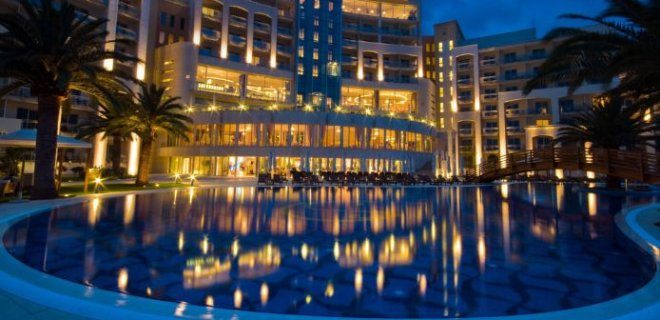
Budva’nın kalabalık sahil şeridinde dururken Hotel Moskva size sakin bir liman gibi görünebilir. Adresi Bečići bb, Budva 85310, Karadağ. İletişim için +382 33 773 777 numarasını arayabilirsiniz. Odalar 110€ ile 480€ arasında değişen fiyat aralığında sunuluyor.
Konum ve Ulaşım Detayları
Otelin konumu tatil planlamanızı doğrudan etkiler. Mogren Plajı sadece 1,1 km uzaklıkta. Yürüyerek veya kısa bir araç sürüşüyle ulaşabilirsiniz. Jaz Plajı ise biraz daha uzak, 2,6 km mesafede. Bu plaj genellikle daha sakin ve doğal bir atmosfere sahiptir.
Uçakla geliyorsanız, en yakın nokta Tivat Havaalanı. Burası otele 16 km uzaklıkta. Transfer süresi trafik durumuna göre değişebilir, ancak genel olarak 20-30 dakika civarında bir yolculuk söz konusu.
Oda Özellikleri ve Konfor
Otelin odaları temel ihtiyaçlara odaklanıyor. Her odada düz ekran TV mevcut. Bu, uzun bir günün ardından yorgunluğunuzu atmak için yeterli. Banyo özel ve her odada ayrı ayrı sağlanıyor. Banyo malzemeleri temin ediliyor, yani ekstra paket getirme derdi yok.
Bu standartlar, özellikle bütçe dostu bir seyahat planlıyorsanız, beklentilerinizi karşılayacak düzeyde. Lüks bir spa deneyimi aramıyorsanız, bu temel olanaklar yeterli olabilir.
Neden Hotel Moskva?
Budva’daki diğer otellere kıyasla Hotel Moskva, merkezi bir konuma sahip. Plajlara yakınlığı, özellikle yaz aylarında büyük avantaj. Teras ve deniz manzarası da eklenince, gün batımını izlemek için ideal bir nokta.
Fiyat-performans dengesi açısından değerlendirildiğinde, 110€’dan başlayan odalar, özellikle sezon başı veya sonu için cazip. 480€’ya çıkan odalarda ise daha geniş alanlar veya daha iyi manzaralar bulunabilir.
Pratik İpuçları
- Plaj Seçimi : Mogren Plajı daha popüler, Jaz Plajı daha sakin. Hangisi sizin ruh halinize uygun?
- Ulaşım : Tivat Havaalanı’ndan otele ulaşım için önceden transfer ayarlamak zaman kazandırır.
- İletişim : Rezervasyon veya özel istekler için otelin telefonunu kullanın.
Budva’da geçireceğiniz günlerde, bu otel merkezi bir başlangıç noktası olabilir. Denize girmek, yürüyüş yapmak veya şehirde kaybolmak için uygun bir konumda.
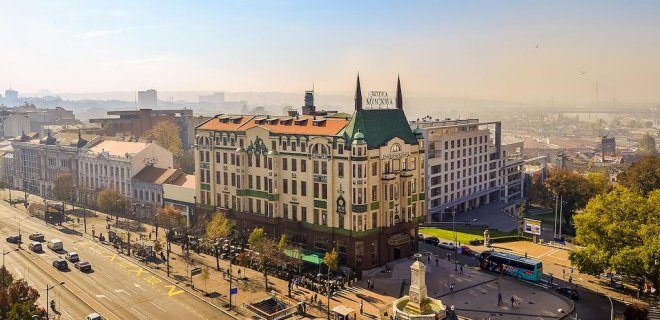
Hotel Bracera in Budva: Location and Amenities
Forget the Belgrade address in the snippet—that’s a different city entirely. We are talking about Budva, Montenegro, and specifically Hotel Bracera.
If you are planning a trip to the Adriatic coast, location is everything. This hotel sits in a sweet spot for beach lovers who want space but still want to walk to the sand. It is roughly 1.3 km from Mogren Beach and about 3.1 km from Jaz Beach. That’s a 15-minute walk to Mogren. Doable? Yes. Fun? Depends on how much sun you’ve had.
The closest airport is Tivat Airport, which is a 16 km drive away. That’s a quick 20-minute ride if traffic isn’t backed up toward the old town. Most travelers fly into Tivat for Budva because it’s closer than Podgorica or Dubrovnic.
The hotel markets itself with a SPA and wellness center. If you’ve spent three days hiking the coastal trail or drinking local Prošek wine, this is where you’ll end up. They also offer free WiFi throughout the property. In 2024, that’s standard, but not every boutique guesthouse delivers on it.
Here is the practical takeaway:
Hotel Bracera is best for travelers who want a quiet base near Mogren Beach without paying premium old-town prices.
It’s not in the heart of the chaos. That’s the point. You get peace at night and easy access to the water by day. If you need to be steps away from a nightclub, look elsewhere. If you want to sleep when the sun goes down, this works.
The phone number provided in some listings (+381 11…) is likely outdated or belongs to a corporate office. Bookings for Montenegro hotels usually go through international platforms or direct email. Don’t rely on that landline for last-minute changes.
Check the season. July and August mean crowds. September offers cooler air and open doors. The sea is still warm. Choose wisely.
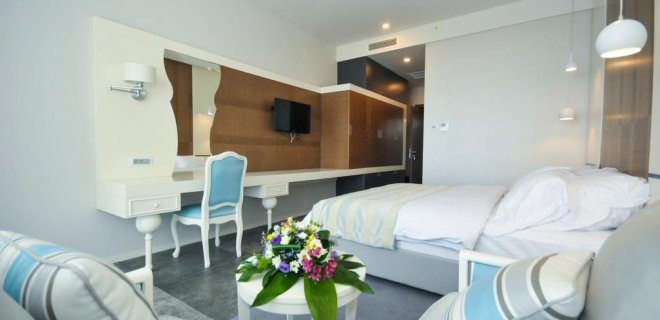
Jadran Kod Krsta: The Seafood Standard in Budva
You want seafood? Jadran Kod Krsta is where you go. Located at Donji Bulevar bb, 85310 Budva, it’s not just another tourist trap. It’s a local favorite. The Adriatic sets the tone here. Italian influence mixes with Balkan roots. You get dishes you won’t find anywhere else. Think grilled octopus. Squid stuffed with rice. Mussels. Or njoke—a pasta dish unique to the region.
Prices are honest. 70€ to 170€ might sound steep for a meal, but that’s the range for a full dinner for two with drinks. Individual items? Much cheaper. Soups start at just 3€. Seafood spaghetti runs about 8€. Octopus is 10€. Desserts? 2€. That’s cheap for fresh Adriatic catch.
Service? Slow. Yes. But the food makes up for it. Waiters don’t rush you. They let the meal breathe. If you’re impatient, skip it. If you’re hungry for flavor, stay.
Call ahead: +382 33 474 010. Don’t expect instant answers. But when you sit down, the view matches the taste.
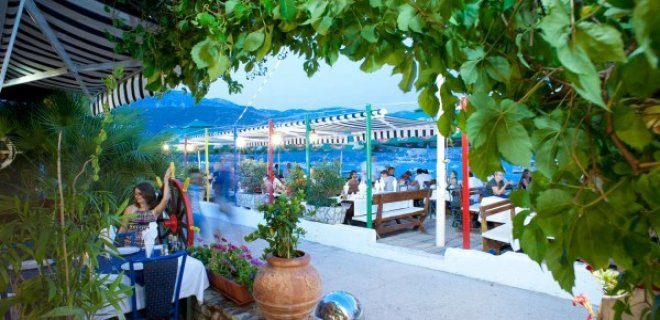
3. Rivijera’da Akdeniz Lezzetleri ve İtalyan Mutfağı
Slovenska Obala üzerinde yürürken burnunuza gelen koku sizi Kafana Rivijera ’ya sürükleyecektir. Burası sadece bir restoran değil; Budva’nın deniz ürünleri ve İtalyan mutfağı kesişimindeki en güvenilir duraklarından biri.
Personel hızlı çalışır. Yemekleriniz masanıza şık bir şekilde gelir. Ama asıl dikkat çeken detay, kahvaltı seçeneklerinin fiyat-performans dengesi. Sabahları burayı tercih etmek, hem karnınızı doyurur hem de cüzdanınızı korur.
Adres : Slovenska Obala, Budva, Karadağ
Telefon : +382 68 068 664
Neden Rivijera’da Kahvaltı Edilmeli?
Seyahat bütçenizi yönetirken en kolay hata, otel kahvaltısını aşmak veya sokak arasında rastgele duraklamak. Rivijera, bu ikisi arasında ince bir çizgide durur.
- Hız : Sabah kalabalığında beklemek istemiyorsanız, bu servis hızı işinizi görür.
- Sunum : Yemeğiniz sadece lezzetli değil, aynı zamanda göze hitap eder. Instagram akışınız için bile idealdir.
- Mutfak Çeşitliliği : Sadece yerel balık sebatesi değil, İtalyan usullü menü seçenekleri de mevcuttur.
Nereden Bulasın?
Restoran, Budva’nın tarihi yarımadasını saran sahil şeridinde yer alır. Slovenska Obala caddesi üzerinde bulunması, ulaşımı son derece kolay kılar.
Eğer sahil boyunca yürüyüş yapmayı planlıyorsanız, bu durak rotanızın üstünde olacak. Karadağ’ın güney sahilinde deniz ürünleri restoranları genellikle turist çekicidir. Ancak Rivijera, fiyatlandırma politikasında şeffaf durarak yerel halkın da tercih ettiği bir konum kazanmıştır.
Nasıl İletişim Kurulur?
Rezervasyon yapmadan gitmek riskli olabilir. Özellikle yaz aylarında, Budva restoran rezervasyonu konusunun önemli olduğunu unutmayın.
Telefon numarası üzerinden aramak en kesin çözüm olacaktır. +382 68 068 664 numarasını arayarak masanızı ayırtabilir veya menüdeki güncel fiyatları teyit edebilirsiniz.
Karşılaştırma: Diğer Sahil Restoranlarına Göre Avantajı
Budva’da benzer konseptte birçok mekan var. Bazıları aşırı pahalı, bazıları ise lezzetsiz. Rivijera’nın farkı, İtalyan yiyecekleri ve deniz ürünlerini bir arada
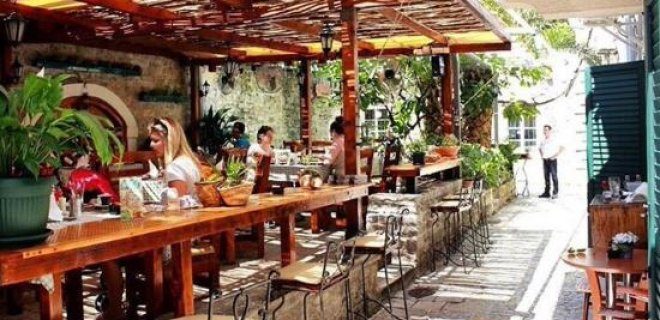
3. Restoran Obala
This spot feels like a postcard of a coastal fish shack. Authentic? Maybe. The owners swear by their own olive oil, claiming they produce it themselves. That’s a bold move for a restaurant in Budva’s Old Town.
You aren’t just here for seafood, though. If you want out, order grilled chicken or beef. The Balkan staples are solid too. Think baked beans (pasulj ) or stuffed vegetables (punjene paprike ). It’s heavy food. Comforting.
Adres : Trg Palmi | Stari grad, Budva Municipality, Montenegro
Telefon : +382 68 299 759
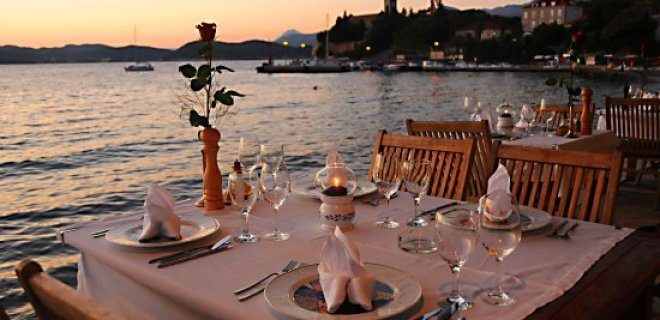
Dining by the Water in Bosanski Šamac
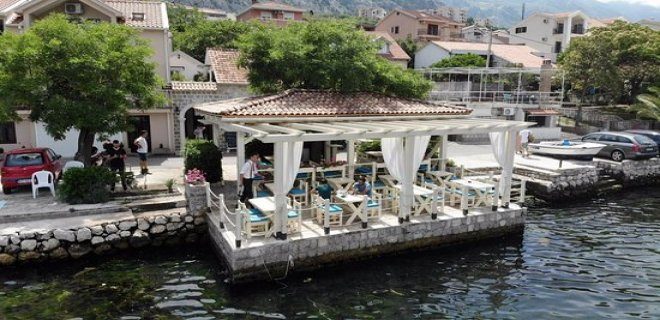
If you are navigating through Bosanski Šamac, you’ll want to know exactly where to eat after you’ve seen the sights. We are looking at Restoran Porto, tucked away within the marina. It isn’t just a place to grab a quick bite. The setting defines the experience.
Stone walls. Glass-enclosed gardens. The air smells like charcoal and river water. It feels grounded. Real.
The menu is broad, which is exactly what you want when you aren’t sure what your group will agree on. Start with the cheese variety platter. It’s a safe bet. Move on to the grilled items if you’re hungry. The kitchen handles the grill well.
But the real draw here is the flexibility. You can pivot from fresh fish straight to pizza. No judgment. It works. There are light desserts too. Save room.
When you go, keep the number handy.
+387 66 474 019
Location is key. Find the marina. Look for the stone facade.
Why Porto Stands Out
Most places in the region try too hard with fusion concepts. Porto doesn’t. It sticks to what it does well.
- Ambience : The glass garden lets in light but keeps the breeze out. It’s comfortable.
- Variety : From heavy grilled meats to lighter seafood options.
- Sweet Finish : Don’t skip the desserts. They aren’t an afterthought here.
It’s not fine dining. It’s better. It’s reliable. You won’t leave hungry. You won’t leave disappointed either.
Just find the marina. Walk in. Sit by the glass. Order the fish. Or the pizza. You won’t regret it.
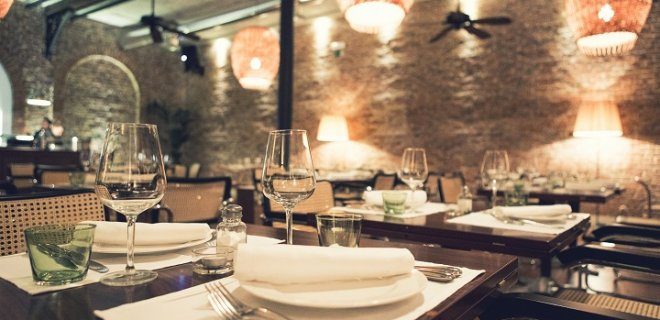
Konoba Portun
Location: Budva, Montenegro
Phone: +382 33 451 598
5. Konoba Portun
Tucked away in the heart of Budva, Konoba Portun doesn’t just invite you to eat—it wraps you in its charm. The stone walls tell stories of old, while fishing nets hang like rustic chandeliers overhead. Red tablecloths spread across wooden tables add a pop of color that feels both traditional and welcoming. This place is more than just a restaurant; it’s an experience. Locals frequent this spot for its commitment to quality, but tourists are drawn in by the authentic Montenegrin cuisine. Seafood takes center stage here, with daily catches featuring prominently on the menu. Prices might fluctuate depending on the season, but don’t let that deter you. On average, expect to spend around €65 per person. It’s worth every penny for the freshest flavors and the ambiance that makes dining feel like part of the adventure.
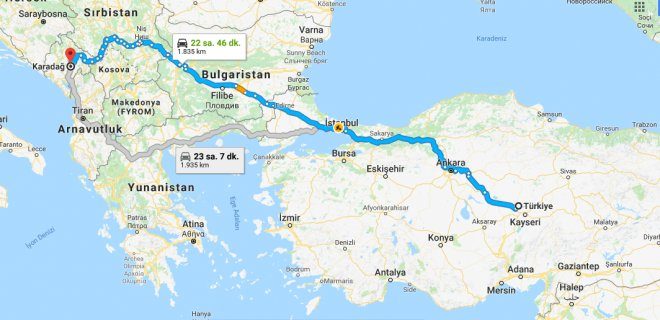
5 Stjepana Mitrova Ljubişe adresi, Budva’nın kalbine inmek için doğru bir başlangıç noktası olabilir. Ancak oraya nasıl varacağınız, cebinizdeki son kuruşu ve harcamak istediğiniz zamanı doğrudan etkiler. Karadağ’a seyahat planı yapanlar için ulaşım, genellikle en karmaşık kısımdır. Çünkü coğrafya biraz kurnazdır.
Birçok gezgin için ilk adım havacılık bileti almaktır. Türkiye’den Budva’ya doğrudan uçmak mümkün değil. Bu yüzden rotanızı iki ana noktadan birine kurgulamak zorundasınız. Podgorica veya Tivat. Hangisini seçeceğiniz, bütçenize ve acıya dayanma kapasitenize göre değişir.
Neden Tivat Havalimanı Genellikle Daha İyi Bir Seçim?
Tivat Havaalanı, Budva’ya fiziksel olarak çok daha yakındır. Bu basit bir geometri gerçeği. Podgorica ise ülkenin başkenti ve daha iç kesimlerde. Budva’ya olan mesafe Podgorica’dan yaklaşık 68 kilometredir. Tivat’tan bu mesafe yarısından fazlası kadar kısa.
Türkiye’den direkt uçuşların olmaması, Tivat’ın popülaritesini düşürmüş gibi görünse de aslında avantajdır. Daha az kalabalık. Daha az kaos. Podgorica ise iş merkezli bir havaalanıdır. Turist akını daha azdır ama buraya ulaşmak için genellikle aktarma yapmak zorunda kalırsınız. Tivat’a ise sezonluk charter uçuşlarla, bazen doğrudan erişim bulanlar için bir kaçış rotası olabilir. Ancak şu an için o direkt yollar kapalı. Bu yüzden Tivat’ı planlarken esnek olmanız şart.
Podgorica’dan Budva’ya Yolculuğun Gerçek Masrafı
Podgorica Hava Limanı ile Budva arası 68 kilometre. Bu mesafeyi kat etmek için üç seçeneğiniz var. Taksi, transfer veya kiralık araç. Her biri farklı bir psikolojik sancı yaratır.
Taksiye bindiğinizi hayal edin. Sürücü, turist olduğunu anlar anında tarife değiştirir. Fatura karşınızda belirdiğinde şok olursunuz. Budva’ya ulaşmak için 50 ile 100 Euro arasında bir rakam ödemeniz neredeyse kesin. Bu, tek bir kişi için değil, grup için de geçerli olabilir çünkü taksiler genellikle kapasiteye göre fiyatlandırma yapmaz. 100 Euro, Budva’da akşam yemeği, iki içki ve yarım günlük tura yetecek bir bütçe. Bunu sadece yola çıkmak için harcamak acımasız.
Daha akıllıca bir yol var mı? Evet. Ancak o da kendi kompromislerini gerektirir
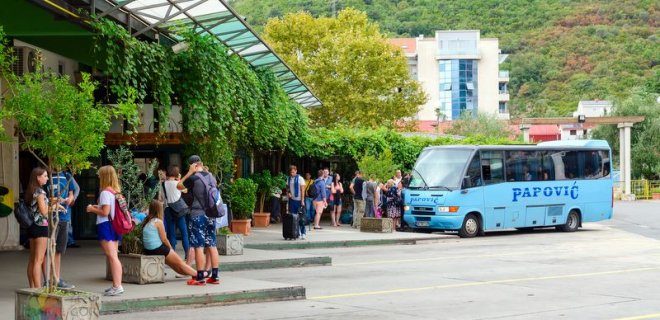
Budva is small. You can cover the main historic center and surrounding neighborhoods in just a few hours. This convenience comes with a catch for drivers. Parking is scarce, especially during summer. Finding a spot near the Old Town or the main beachfront often means circling blocks or parking further away and walking. If you drive, plan for frustration.
Taxis are the alternative. They are readily available but require vigilance. Ensure the driver turns on the meter before you start moving. If they refuse or the meter stays off, you risk being charged an inflated rate. Tourists are often targeted. Insist on the meter. If they say no, get out. Another taxi will arrive quickly.
Navigating the Coastline by Water
Bot services connect Budva to nearby beaches. These small boats run along the coast. They offer a quick escape from the crowded center. You can reach beaches that are harder to access by land. Check the local schedules. Frequency drops outside peak hours.
Practical Tips for Travelers
- Parking: Arrive early. Look for paid lots outside the old walls. Walking is better than circling.
- Taxis: Agree on a price if the meter is broken. Get a receipt if possible.
- Bot rides: Ask locals for current rates. Prices can vary by season.
- Walking: The city is compact. Most sights are within a 20-minute walk.
The city center is dense. Narrow streets. Limited space. This layout shapes how you move. It favors feet and boats over cars. Plan accordingly.
When is the best time to visit Budva?
Budva doesn’t mess around with seasons. The climate is straightforward: hot and dry summers. Cold, rainy winters. If you’re looking for sun, this city delivers about 230 days of it per year. That’s not a typo. It’s a lot of daylight.
But timing matters.
When to go to Budva for beach weather
If you want to actually swim, don’t go in January. The average temperature sits at a chilly 8°C. You’ll need a coat. A heavy one. You might not even get to the beach before the wind chills you to the bone.
Why July is the peak for Budva tourism
Fast forward to July. The average temperature jumps to 28°C. It’s warm. It’s inviting. It’s also when the crowds arrive. Budva is defined by its summer tourism season. That means the energy shifts. The streets fill up. The bars stay open later. The sea feels perfect for swimming.
Going from early summer to late summer is the sweet spot. You catch the warm water before it gets too crowded. You get the vibrant atmosphere without the peak July heatwaves that can make walking around the Old Town unbearable.
How to plan your Budva trip timing
- June : Good balance. Warmer than May, less crowded than July.
- July : Peak heat. Peak crowd. Peak energy.
- August : Still hot. Still busy. But sometimes the weather starts to turn slightly.
- September : The water holds the warmth. The crowds thin out. Often the best compromise.
Don’t go in winter unless you like rain and silence. Budva sleeps. You’ll just see empty streets and closed shutters. For the classic experience—the sun, the sea, the stone walls glowing in the afternoon light—aim for the summer months.
Which month works best for your budget? July and August will cost more. Hotels are booked. Flights are pricier. June or September might save you money while still giving you decent weather.
The sea doesn’t care about your schedule. But your comfort does. Choose wisely.
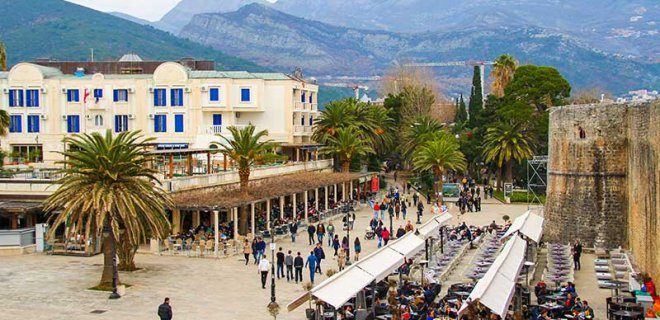
Calendar checking is a survival skill. Miss the window and you’re just staring at an empty plaza. Budva isn’t quiet, but it has rhythm. Know the beats.
Spring Awakening
Start with March. The Budva Tourist Market kicks things off. It’s not huge, but it signals the city is waking up. Stalls fill with local crafts. You can sniff out the early spring energy here.
Then April hits. Two distinct events. First, the Spring Masquerade Ball. Fancy dress. Old-world charm. It’s a good excuse to wear something ridiculous and drink wine. Second, the Montenegro Handicraft Fair. This is where you actually buy something real. Not mass-produced junk. Think ceramics, textiles, woodwork. Support the locals. Take it home.
The Summer Surge
May brings the Budva Carnival. The streets change. Costumes. Music. Chaos in the best way. It’s loud. It’s colorful. If you want to feel the pulse of the town, be here then.
By June, the heat sets in and so do the Budva Music Festival and International Dance Festival. Venues shift from open squares to clubs and stages. The lineup changes every year, but the vibe is consistent. High energy. Late nights.
July is peak season. The Budva Night events dominate. It’s less about one specific concert and more about the atmosphere. Beach bars. Outdoor screenings. Neon lights reflecting off the Adriatic. It’s expensive to stay here in July, but the electricity is unmatched.
Autumn Reflections
August drops the theatrical side. The Theater Festival takes over. If you prefer watching people perform drama rather than causing it, this is your month. The old town walls become the backdrop. It’s intimate. Surprisingly quiet compared to the music festivals.
September is a triple threat.
– Montenegro Tennis Championship : High stakes. Good players.
– Info Festival : Tech and innovation. Surprisingly relevant for a coastal town.
– Fishing Festival (Days of Sirun) : This is the hidden gem. It’s not flashy. It’s about community. Fresh fish. Local brews. Traditional songs.
“For genuine local flavor, skip the glitzy music festivals in July and head to the Days of Sirun in September.”
Year-End Finish
December closes with a New Year’s Party. It’s the big finale. Fireworks over the bay. Champagne towers. If you can afford the inflated hotel rates for one night, do it. The contrast between the cold air and the warm crowds is memorable.
Plan around these dates. Or avoid them if you hate crowds. Your call.
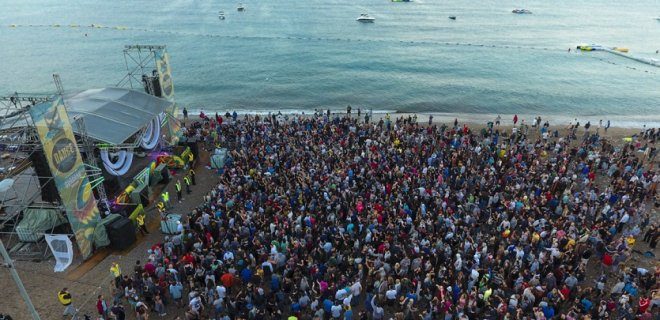
Budva’nın En İyi Gece Kulüpleri
Budva’da gece hayatı denince akla gelen ilk şey sadece dans etmek değil, denizle iç içe bir atmosferde zaman geçirmek. Özellikle Budva gece hayatı arayanlar için kordon boyu sıralanan mekanlar, özellikle yaz aylarında rezervasyon gerektirecek kadar yoğunlaşıyor.
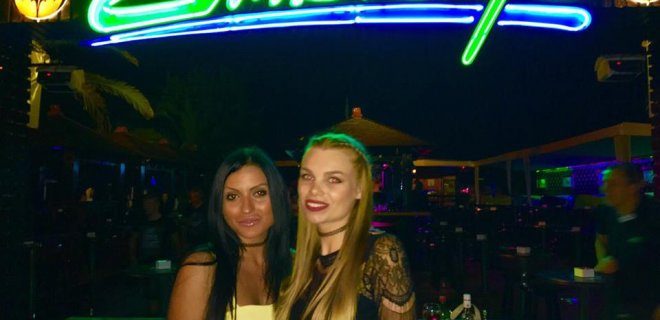
Club Ambiente: Sahnenin Tam Ortası
Club Ambiente ismini duyduğunuzda aklınıza gelen klasik bir diskotek yerine, daha çok bir açık hava sahnesini düşünün. Budva’nın kalbi atan kordonunda, denizin kokusunu ciğerlerinize kadar çekerek müzik dinleyebileceğiniz nadir yerlerden biridir.
Burada her gece aynı DJ çalmaz. Ambiente, tematik partilerle bilinir. Yazın tropikal bir parti mi istiyorsunuz? Kışın daha elektronik ve derin bir havada mı dans etmek istiyorsunuz? Mekanın programı buna göre şekillenir. Karadağ’da bu tür esneklik sunan, hem yerlileri hem de turistleri aynı anda yakalayan mekanlar az.
Neden Listenize Eklemelisiniz?
- Konum: Budva kordonunun tam üzerinde. Yürüyerek ulaşım çok kolay.
- Atmosfer: Açık hava olması, Balkanların serin gecelerinde bile sıcak kalmayı sağlar.
- Müzik: Tema bazlı DJ setleri sayesinde sıkılmak zor.
- Fiyat: Giriş genellikle ücretsizdir, ancak içecek fiyatları turist bölgeleri standartlarına göre düşündüğünüzde makul.
“Budva’da gece hayatı sadece içmek değil, ortamı solumaktır. Ambiente tam da bu dengeyi kurar.”
Eğer Budva’daki diğer mekanları da görmek isterseniz, bir sonraki adımda Stradun Sokakları’nda Gizlenen Barlar veya Mogren Plajı’ndaki Gün Batımı Partileri hakkında detaylara devam edebiliriz. Hangi tarzı tercih ediyorsunuz?
Budva’nın En Büyük Kulübü: Top Hill’de Ne Beklemeli?
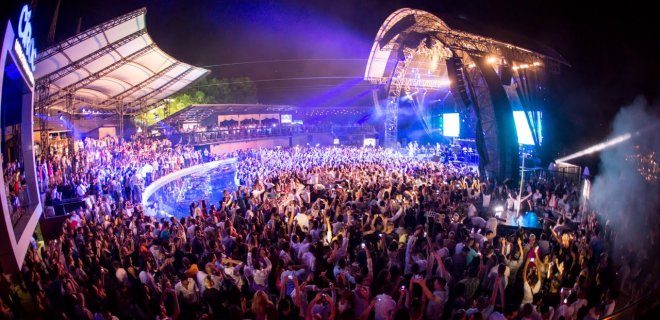
Promenade üzerinde, Budva’nın kalbinde yer alıyor. Top Hill sadece bir diskotek değil. Avrupa’nın en büyük ve en popüler sahalarından biri olarak anılıyor. Kapasitesi yaklaşık 5000 kişilik. Bu sayı ne kadar büyük? Geniş bir meydan kadar.
Deli gibi partiler burada oluyor. Dans etmek isteyenler için sınır yok. Budva’da gece hayatının vazgeçilmez mekanı Top Hill, sadece yerel bir mekan değil. Uluslararası DJ’ler de burada oynuyor.
Adres : Promenade, Budva Municipality, Karadağ (Montenegro)
Telefon : +382 68 151 471
Kapasite ve Atmosfer
5000 kişi sığacak kadar büyük bir alan. Ama sıkışık hissetmezsiniz. Geniş sahalar. Yüksek tavanlar. Işık oyunları.
Avrupa’nın en iyilerinden deniliyor. Neden?
- Büyük sahne : DJ’ler için profesyonel altyapı.
- Yoğun kalabalık : Enerji yüksek.
- Müzik çeşitliliği : Pop, house, techno. Her türden mixler.
Eğer “dans etmek isteyenler için” en iyi yer hangisi diye soruyorsanız. Cevap budur. Top Hill, Budva’daki en popüler diskoteklerden biridir. Hatta Avrupa’nın zirvesinde yer alır.
Nasıl Gidilir?
Promenade üzerinde. Budva’nın ana caddesi.
- Yürüyerek : Eski şehir (Stari Grad) yakın. 10-15 dakikalık bir yürüyüş.
- Taksi : Kısa mesafeler ucuz.
- Otobüs : Şehir içi hatlar Promenade’den geçer.
Gece yarısına doğru yoğunluk artar. 5000 kişilik kapasite dolabilir. Erken gitmek mi? Yoksa geç mi? Genellikle gece 11’den sonra zirve yapar. Ama erken gelenler de boş sahneyi daha iyi izler.
Ne İçer, Ne Yer?
Barlar profesyonel. Servis hızlı.
- İçecekler : Yerel biralar, ithal şaraplar, kokteyller.
- Fiyatlar : Avrupa standartlarında. Ama Budva’ya göre ortalama.
- Gıda : Hafış atıştırmalıklar. Tam yemek yerine.
Kimler İçin Uygun?
- Dans sevenler : Devasa pist.
- DJ hayranları : Uluslararası isimler.
- Sosyalleşmek isteyenler : Kalabalık, enerji.
- Avrupa gezginleri : İtalya’da Amnesia’ya, İbiza’ya benzer bir deneyim.
Budva’da gece hayatının vazgeçilmez mekanı Top Hill. Kapasite 50
3. Platinum Club: Tivat’s High-Stakes Nightlife
If Budva is where you go to get lost in the crowd, Tivat is where you go to be seen. The Platinum Club sits at the top of that social hierarchy. It isn’t just a nightclub; it’s a stage.
The location in Tivat matters. This is the marina district. Yachts are docked nearby. The air smells like expensive cologne and salt water.
Inside, the design is complex. Layers of lighting. High ceilings. The sound system is tuned to a level of perfection that hits you in the chest. You don’t just hear the music here. You feel it.
“The atmosphere is less about dancing and more about displaying status.”
You will spot famous DJs on the decks. But the real draw is the crowd. The name says it all. Wealth radiates from the VIP sections. It’s polished. It’s cold, in a way. Beautiful, but distant.
Topliški put, Budva is the address for the larger party scene, but Platinum in Tivat is a different beast. It’s intimate. Exclusive. You need reservations. Or at least, you need to look like you belong.
The cost of entry is high. Drinks are priced for those who don’t check the bill. If you’re planning a trip to Montenegro and want to experience the luxury end of nightlife, this is the spot. Just know what you’re walking into. It’s not for everyone.
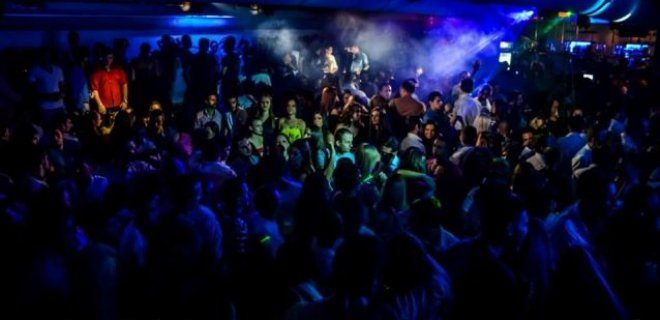
Where to Dance in Montenegro’s Tivat Marina
If you’re looking for nightlife that matches the luxury of Porto Montenegro, you need to know where to go. Most clubs stay hidden in the shadows of the marina’s luxury yachts, but one spot stands out for its sheer audacity. It’s not just a club. It’s a statement.
The Eiffel Tower in Tivat? Yes.
Paris Night Club in Tivat 85320, Karadağ, is exactly what it sounds like and exactly what it isn’t. You walk in expecting a standard dance floor. Instead, you get a replica of the Eiffel Tower. Right in the middle.
It sounds absurd. It sounds like a theme park for adults. It is, however, highly effective. The tower is surrounded by an illuminated dance floor. At night, the lights reflect off the water. The atmosphere shifts from quirky to electric.
Free Concerts in a Marina Full of Yachts
Here is the practical detail most travelers miss. All concerts at Paris Night Club are free.
Tivat is known for its expensive marina. You see super-yachts. You see people spending thousands on dinner. Then you find a club where the entry to live music is zero euros. It’s a weird contrast. A high-end location with a no-cover policy.
Why does this matter? Because it changes your budget. You can dress up. You can buy a drink. You can stay late. You don’t need to reserve tickets weeks in advance. You just show up.
Location and Logistics
The club is located at:
– Address: Porto Montenegro, Tivat 85320, Karadağ
– Phone: +382 67 766 669
Getting there is easy if you’re staying in the marina area. You don’t need a taxi. You can walk. It’s close to the main harbor. If you’re coming from elsewhere in Montenegro, you’ll need a car or a transfer. Tivat is small. It’s about a 20-minute drive from Podgorica. It’s about 45 minutes from the coast road.
When to Go
This isn’t a daytime spot. The Eiffel Tower replica is visible in daylight, but the magic happens after dark. The lights turn on. The music starts. The crowd gathers.
Go on weekends. The energy is higher. Go during summer months. The weather is warm. The open-air feel of Porto Montenegro adds to the experience.
Is It Worth the Hype?
Some people hate novelty. They want authentic, historic clubs. They want something deep in the culture. Paris Night Club is not that. It’s playful. It’s visual. It’s Instagram-friendly.
But here’s the thing. The music is good. The drinks are reasonable for Tivat. The location is stunning. You’re dancing under a fake Eiffel Tower while real yachts bob in the background. It’s a surreal mix of Paris and Montenegro.
If you’re planning a trip to Tivat, add this to your itinerary. It’s not the only club in town. It’s just the one you’ll talk about.
Final Thoughts
Porto Montenegro is about wealth. It’s about power. Paris Night Club is about
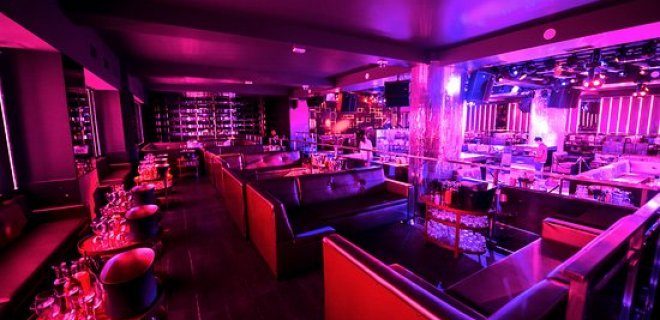
Where to stay in Herceg Novi
If you want to be right in the thick of it, head to the coastal strip. Specifically, look for Setaliste obala in Herceg Novi. This isn’t just a random street; it’s the spine of the town’s tourist life. You are looking at the address 85310, Karadağ (Montenegro) to get your bearings.
Staying here means you are steps away from the sea. And by steps, I mean literal steps. The promenade curves along the waterfront. You wake up, walk five minutes, and you are staring at the Adriatic. No shuttle buses. No waiting for taxis. Just you and the water.
The vibe is different here than in Budva. It is older. More relaxed. Think wrought-iron balconies and bougainvillea spilling over stone walls. You are not paying for a generic chain hotel experience. You are paying for location. And in Herceg Novi, location is the experience.
Contacting local services
Need to book? Need directions? Need to know if the ferry is running? Pick up the phone. The number to know is +382 69 602 999. It’s the direct line for the area’s tourist services.
In many European destinations, you have to navigate a labyrinth of websites. Here, a phone call often cuts through the noise. It’s personal. You get a human on the other end. They know the town. They know the tides. They know which tavernas make the best fish and which ones are just for tourists.
Use this number to ask about the Adriatic Riviera logistics. Ask about the best time to visit the Fortress of Savarin. Ask about the humidity levels in July if you hate sweat. (Answer: it’s high. Bring light linen.)
Why this location works for travelers
Most travelers stick to the coast. But Setaliste obala offers a specific advantage. It connects the old town to the new developments without forcing you into the crowded center. You can walk north toward the marina or south toward the beaches. The distance is manageable. The air is salty.
Prices vary by season. July and August will cost you more. But the energy is electric. The streets are alive. Late August? Cooler. Quieter. The locals reclaim their space. The tourists thin out. It’s a better time for walking. For talking. For seeing the town as it actually is.
Don’t overplan the itinerary. The coast dictates the rhythm. Wake up. Walk. Eat. Repeat. The phone number is there if you get lost. The address is there if you need a base. The rest is up to you.
“The best travel plans are loose. Let the location guide you.”
You end up here. You stay a few days. You leave with salt in your hair and a story about the view from the promenade at sunset. That’s the point. The rest is just details.