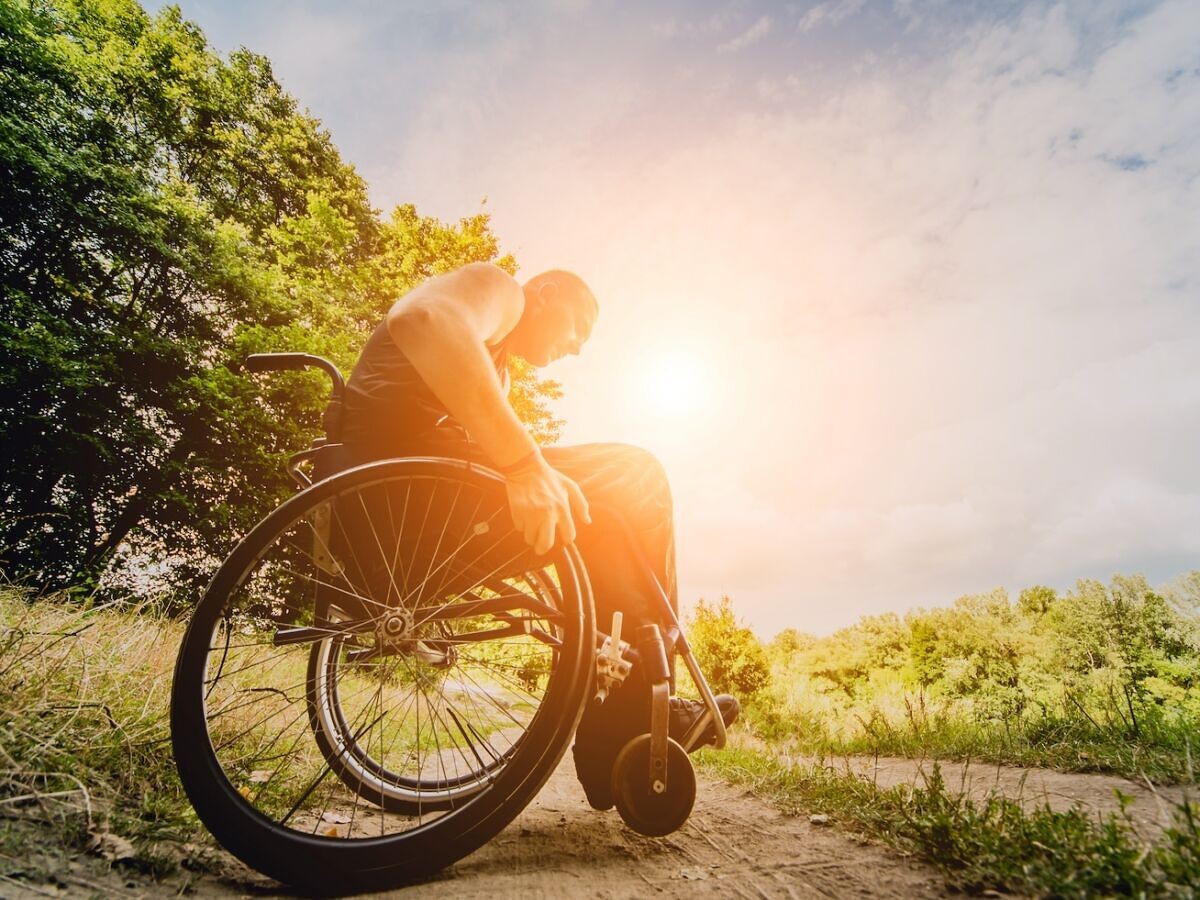
For years, the outdoor industry has operated on a “one size fits most” model, often leaving adaptive athletes—those with physical, sensory, or cognitive disabilities—to navigate gear that wasn’t built for them. The North Face is changing that trajectory with the launch of its “Universal Collection,” a new line of gear specifically engineered to remove the physical and functional barriers common in traditional outdoor equipment.
Developed in collaboration with adaptive athletes and the broader disability community, the collection focuses on “making functionality easier.” This move signals a significant shift in how major brands view accessibility: moving it from a niche, specialized requirement to a core component of mainstream product design.
Breaking Down the Universal Collection
The new line introduces several key products designed to solve specific challenges faced by users with limited dexterity, mobility, or vision:
- Adaptive Camping Gear: A three-person tent ($435) features equal-length poles and highly visible sleeves to simplify assembly for those with low vision or cognitive processing challenges. Additionally, a wider doorway accommodates campers using mobility aids like wheelchairs.
- Simplified Sleeping Solutions: A sleeping bag ($270–$280) replaces traditional, often difficult zippers with magnetic closures. This is a major upgrade for users with motor control issues. It also includes oversized adjustment loops to assist with repositioning during the night.
- Versatile Carry Options: The universal daypack ($140) is designed to be worn on the back or attached directly to a wheelchair. It features magnetic closures and an internal structure that allows the bag to stand upright, aiding those who find bending down difficult.
- Simplified Footwear: The collection includes “universal” camp slippers that lack a distinction between left and right feet. Designed with easy pull-on loops, they require minimal hand or arm strength and are ideal for users with visual impairments or limited dexterity.
From Niche to Mainstream: Why This Matters
Historically, adaptive gear has been relegated to two extremes: highly specialized, expensive equipment from niche brands (such as GRIT’s all-terrain wheelchairs) or “accidental” accessibility. While brands like Marmot and Sierra Designs have released zipperless sleeping bags, these were marketed for temperature regulation and comfort rather than accessibility.
The North Face’s approach is different because it integrates adaptive needs into a mainstream product ecosystem. This shift is driven by both social necessity and market reality:
- Demographics: According to the CDC, more than one in four adults in the U.S. lives with a disability.
- Growing Demand: Organizations like Disabled Sports USA have noted a rising interest in adaptive outdoor recreation, representing a significant, underserved market.
- Universal Design: Many of these features offer “crossover” benefits. A tent with a wider door or a bag with magnetic closures isn’t just better for an adaptive athlete; it is more convenient for any camper.
By designing for the margins, brands often create better products for the center.
Conclusion
The launch of the Universal Collection marks a transition in the outdoor industry, where adaptive users are no longer treated as a separate, specialized category. Instead, they are being integrated into the broader spectrum of outdoor enthusiasts, proving that inclusive design can enhance the experience for everyone.