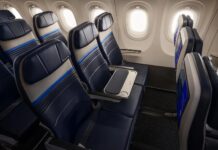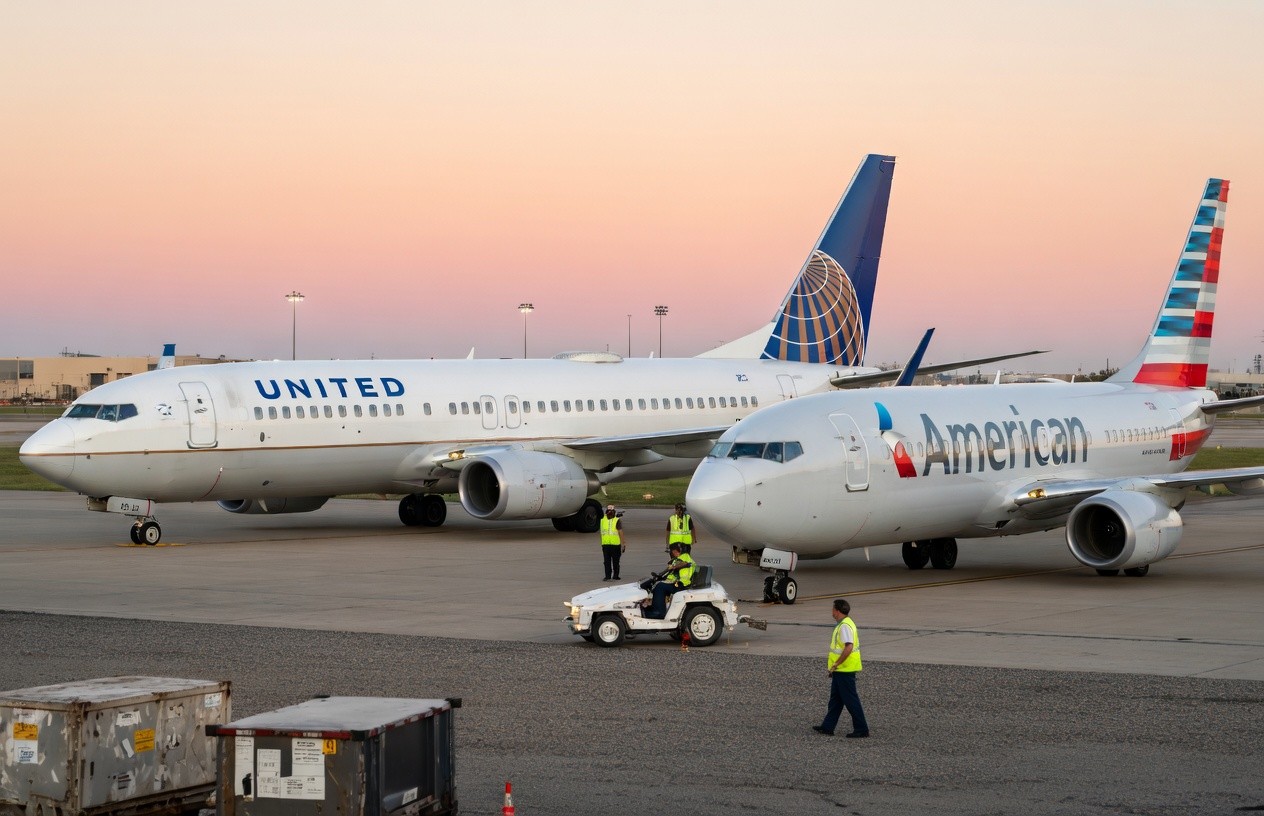
Three major US airlines. One specific price: $523. It happened from Chicago to Denver on Google Flights recently. American United Southwest. All identical.
The internet went crazy. Conspiracy theories exploded. This has to be price-fixing right? No $522 offers. No $599 alternatives. Just one exact match.
Surely it is collusion!
Or is it?
“ATPCO is the clear part of this.”
— JonNYC (aviation watcher)
ATPOC is the clearinghouse for airline fares, rules, and routings. But here’s the kicker: Southwest started listing fares on Google Flights through a different partner in 2024. So who knows where that data actually comes from? Is it ATPCO? Maybe. But just sharing a source doesn’t explain the exact penny-matching.
Let’s separate myth from mechanics. ATPCO distributes published fares. It doesn’t set the price for this specific flight right now. It doesn’t decide how many seats are open at that price. Revenue management teams handle that. They look at remaining seats, expected demand, route rules, advance purchase dates, taxes, and whether it’s a roundtrip. That creates the price you see.
Here’s the surprising bit. Competitors hit the exact same fare about 50% of the time. Half the time! Why?
Because everyone watches everyone. Carriers receive ATPCO feed updates. They scrape competitor sites. They use competitive pricing vendors. They check CRS systems. When Delta moves a price, American knows it in seconds. Almost instantly.
So why not drop the price by $1? Capture market share? Show up first in the sorted results?
Simple math. A $1 drop sacrifices revenue. Every competitor matches it immediately. Meanwhile travelers don’t buy solely on price. Airport location matters. Schedule convenience matters. Loyalty programs matter. Product quality matters.
If a flight isn’t selling? Open a lower booking class. Don’t slash the public fare for everyone else.
There’s an old joke. Every business violates antitrust laws. If you’re cheap, it’s predatory. If you’re expensive, it’s monopolistic. If you match someone exactly? Collusion.
Identical prices are not illegal. Independent price matching is business normal. Good for business. Maybe even good for customers sometimes.
History shows this tension constantly. The Department of Justice sued ATPCO in the 1990s. Why? They claimed airlines were gaming the system. Filing future prices. Waiting for others to jump in before activating them. Using fares to signal retaliation. There were fare basis codes like “FU”. US Airways called ATPCO a “dedicated price-telegraph network.”
The DOJ claimed over 50 agreements were fixed.
Remember Bob Crandall? American Airlines CEO. He called Braniff boss Howard Putnam. He screamed about raising fares twenty percent. Putnam taped it. He refused to agree. No violation because there was no acceptance. Just a threat. Crandall learned his lesson about calling rivals.
Then there was Doug Parker. US Airways CEO. He emailed his execs complaining about a Delta promotion. He hated the capacity surge. He hated how it hurt everyone’s profitability. He suggested framing Delta as idiots to investors. He forwarded the email chain directly to Delta’s CEO. Was that price-fixing? Not really. Delta’s CEO forwarded it to legal counsel instead. No deal was struck.
But real crimes happen too. British Airways and Korean Air pleaded guilty. They hiked surcharges elevenfold. Paid $300 million fines.
Wait, there’s an exception. International joint ventures. The Deregulation Act allows specific immunity for these partnerships. They can coordinate fares like they are one airline. Think United, Air Canada, Lufthansa. Think Delta and Air France. This is leftover regulatory baggage. The old IATA used to hold price conferences globally. The authority still lingers in these approved alliances.
Airlines tell Wall Street they have pricing power. Delta’s CEO Ed Bastian said fares will stay high despite falling fuel costs last week. He believes margins will hold. Maybe for now. Long run? Unlikely.
Supply and demand win out eventually.
Fuel costs affect fares indirectly. High oil prices make marginal flights unprofitable. Airlines cut capacity. Fewer seats drive prices up. When oil drops, they add seats back. Prices cool down.
If they could keep prices permanently high? They would have done it before the recent oil spikes.
Airfares have trended down over the last fifty years. Yes there are blips. But real inflation-adjusted fares are not skyrocketing despite fewer carriers. They match competitors because the marginal cost of one more passenger is near zero once the plane flies.
They have to compete. Even if they charge exactly $523.