


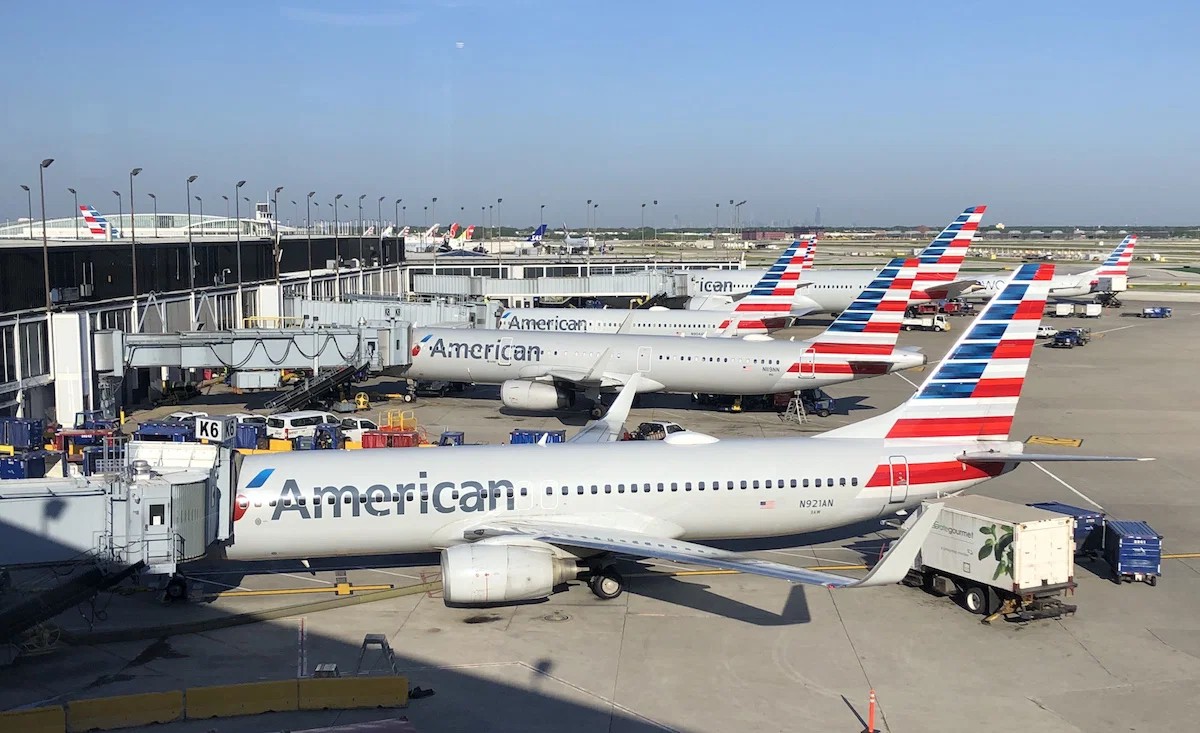
In a move that has sent shockwaves through the aviation industry, United Airlines CEO Scott Kirby has reportedly floated the idea of a merger with American Airlines to senior officials within the Trump administration.
While the proposal remains in the early stages of discussion, the sheer scale of such a potential deal—uniting two of the nation’s three largest carriers—represents a massive departure from previous industry rumors.
The Reported Proposal
According to reports from Bloomberg and The Air Current, Kirby has engaged in private conversations with high-ranking government officials regarding the possibility of United acquiring American Airlines. At this stage, it is unclear whether a formal process has been initiated or if these discussions were merely exploratory.
This development is particularly striking because:
– Scale: While previous speculation centered on smaller mergers (such as JetBlue seeking a partner), a United-American tie-up would fundamentally reshape the domestic and international aviation landscape.
– Regulatory Climate: There is a growing sentiment that if airline consolidation is to occur, the current political window may offer a more favorable regulatory environment for approval.
– Industry Sentiment: Even the Transportation Secretary has expressed general support for consolidation, and Delta’s CEO has predicted a wave of mergers, but a deal of this magnitude is unprecedented in the modern era.
Why This Matters: The Logic and the Risks
A merger of this size raises significant questions regarding market competition and consumer interest. To understand the implications, one must look at the two sides of the argument:
1. The Argument for Scale
From a business perspective, consolidation allows airlines to achieve massive scale. This scale is crucial for monetizing loyalty programs, which are increasingly vital to airline profitability. These programs, heavily subsidized by credit card companies, help stabilize ticket prices and provide a steady stream of non-flight revenue.
2. The Antitrust Hurdle
The primary obstacle is the “public interest” test. Regulators typically block mergers that significantly reduce competition. Because both United and American are already massive entities, a merger could create a near-monopoly on certain routes, potentially leading to:
– Higher ticket prices for passengers.
– Reduced service frequency on key domestic routes.
– Less innovation in customer experience due to diminished competition.
Strategic Motives or Industry “Chess”?
The report has left analysts questioning Kirby’s true intentions. Given his professional history—having previously held leadership roles at American Airlines—some wonder if this is a genuine strategic move or a high-stakes psychological play.
Possible interpretations include:
– Market Positioning: By floating a “mega-merger,” Kirby may be attempting to make smaller, more realistic deals (like a potential JetBlue acquisition) appear minor by comparison.
– Competitive Pressure: Kirby has been vocal in his criticism of American Airlines’ current business trajectory. Proposing a takeover could be seen as a way to exert pressure on a competitor he views as struggling.
– Political Signaling: The timing suggests an attempt to test the waters with a pro-business administration that may be more inclined toward “big deals” and deregulation.
Whether this is a serious strategic pursuit or a calculated move to shift industry dynamics, the mere mention of a United-American merger signals a period of intense volatility in the aviation sector.
Conclusion
If Scott Kirby’s proposal moves beyond informal discussions, it would trigger one of the most significant regulatory battles in aviation history. Regardless of the outcome, the rumor itself highlights a growing trend toward consolidation and a shifting political landscape that may favor massive industry shifts.


