Jet fuel shortages? No one worried about those. Not this year.
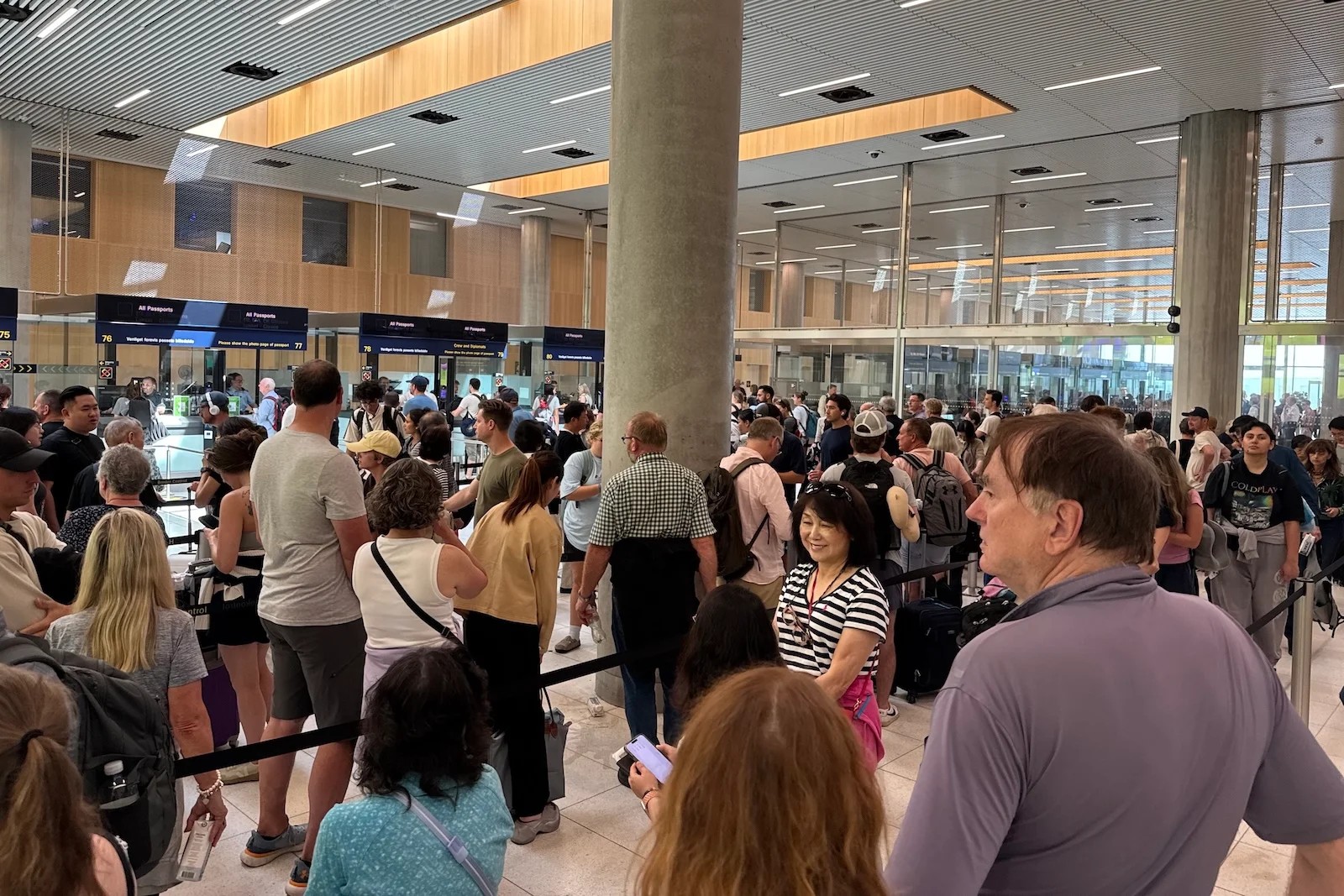
What everyone is worrying about is the sheer, mind-numbing wait times at European airports. The summer travel rush has begun, and it is stuck in the weeds.
The EES Experiment Goes Sideways
Enter the Entry and Exit System. The EES, as insiders call it, launched in April with all the subtlety of a sledgehammer. It demands biometric checks for every single person entering or leaving the Schengen Area. Fingerprints. Eye scans. The works.
The goal was noble. Or so the story went. To track who comes and goes more closely. To tighten the net.
But the rollout hasn’t been a technical triumph. It’s been a traffic jam on legs. High-tech systems mean little if the throughput is slow.
Departures stall. Arrivals choke.
Take Copenhagen last weekend. I landed nearly three hours early for my American Airlines flight to Philadelphia. Smart, right?
Wrong.
Because of the border control backlog, I hit the gate as the boarding group was being called. Barely made it. Stress level? Off the charts.
You aren’t alone if your flight plan felt like a nightmare.
Industry Pushes Back
Airlines are furious. Or maybe just tired.
European airports issued a public letter on Wednesday. The tone wasn’t diplomatic. It demanded “immediate intervention.” Five-hour waits at major hubs? That’s not a glitch. That’s a breakdown. And this happened before peak season even truly started.
Then Ryanair stepped in.
The Irish budget carrier told EU leaders on Thursday to just stop the EES. Suspend it. Wait until September.
They weren’t asking for a feature request. They argued the system simply cannot handle the summer volume.
Passengers and families should not be used as ‘guinea pigs’ for a ‘half-baked passport control system’.
Harsh words, sure. But the queues don’t lie. Missed connections stack up. People stress out. Business gets messy.
Brussels Talks Big, Points Fingers
Is the EU going to scrap the plan? Don’t bet on it.
No signs of a reversal here.
Instead, they called an “urgent meeting.” With industry leaders. In the coming days. Good luck.
Meanwhile, the Commission tried to deflect blame. A spokesperson claimed the impact was “limited.” They shifted the burden directly to the member states.
“You need more guards,” basically.
“Better infrastructure.”
It’s easy to point fingers when you’re not the one sweating through the line. But does a statement fix a five-hour wait? Hardly.
So What Should You Do?
You’re flying to Europe. Or you’re currently there. The advice isn’t sexy. It’s survival.
- Go Early. Three hours? Try four. If you normally cut it close, stop that right now. Two hours at Rome’s Fiumicino airport in May left me sprinting. In Copenhagen recently? I needed two hours and 45 minutes just to breathe.
- Hydrate. Seriously. Buy water after security. The border lines can get long. They can get hot. Copenhagen was battling a heatwave with barely any air conditioning in the queue areas. Dehydration makes anxiety worse. Bring a bottle too, for when you land. You don’t know if your exit line is also a bottleneck.
- Watch That Lounge. Yes, the free drinks are tempting. But do not linger without checking the line status. Check if the gate even exists yet, as the internet jokes go. If there’s a solid wall of people behind you before you sit down for that long meal? Skip the food. Save your sanity.
Nobody promised it would be easy. Just don’t be the last person realizing they forgot to factor in the technology failure. 🥲