For many, London is a synonymous term for bustling streets, historic architecture, and endless urban movement. However, travel journalist and author Kassondra Cloos has discovered a different version of the capital—one where nature isn’t just a manicured decoration, but a dominant force.
In her new book, An Opinionated Guide to Wild London, Cloos explores the city’s “natural chaos.” Her work serves as both a practical guide to green spaces and a testament to the power of local conservation efforts.
The Search for “Untamed” Spaces
Cloos’s journey began during the COVID-19 pandemic. While the city was in lockdown, she spent her days walking, eventually realizing that London’s greenery was far more expansive and diverse than she had ever imagined.
Unlike traditional city guides that focus on manicured parks like Regent’s Park—which are carefully maintained by grounds teams—Cloos sought out places where nature is in charge. Her criteria were specific: she wanted to find locations that felt “untamed,” providing sanctuary for birds, bees, insects, and hedgehogs rather than just being curated for human leisure.
Hidden Gems: From Urban Forests to Secret Gardens
Through a process of mapping every green space on Google Maps and physically visiting them, Cloos narrowed a list of 130 potential locations down to 64 essential stops. Her selection highlights a diverse range of environments:
- Unexpected Urban Escapes: Camley Street Natural Park offers a forest-like atmosphere just minutes away from the frantic pace of King’s Cross Station.
- Peaceful Sanctuaries: Phoenix Garden, located on a former WWII bomb site, provides a quiet retreat tucked between the high-energy districts of Soho and Covent Garden.
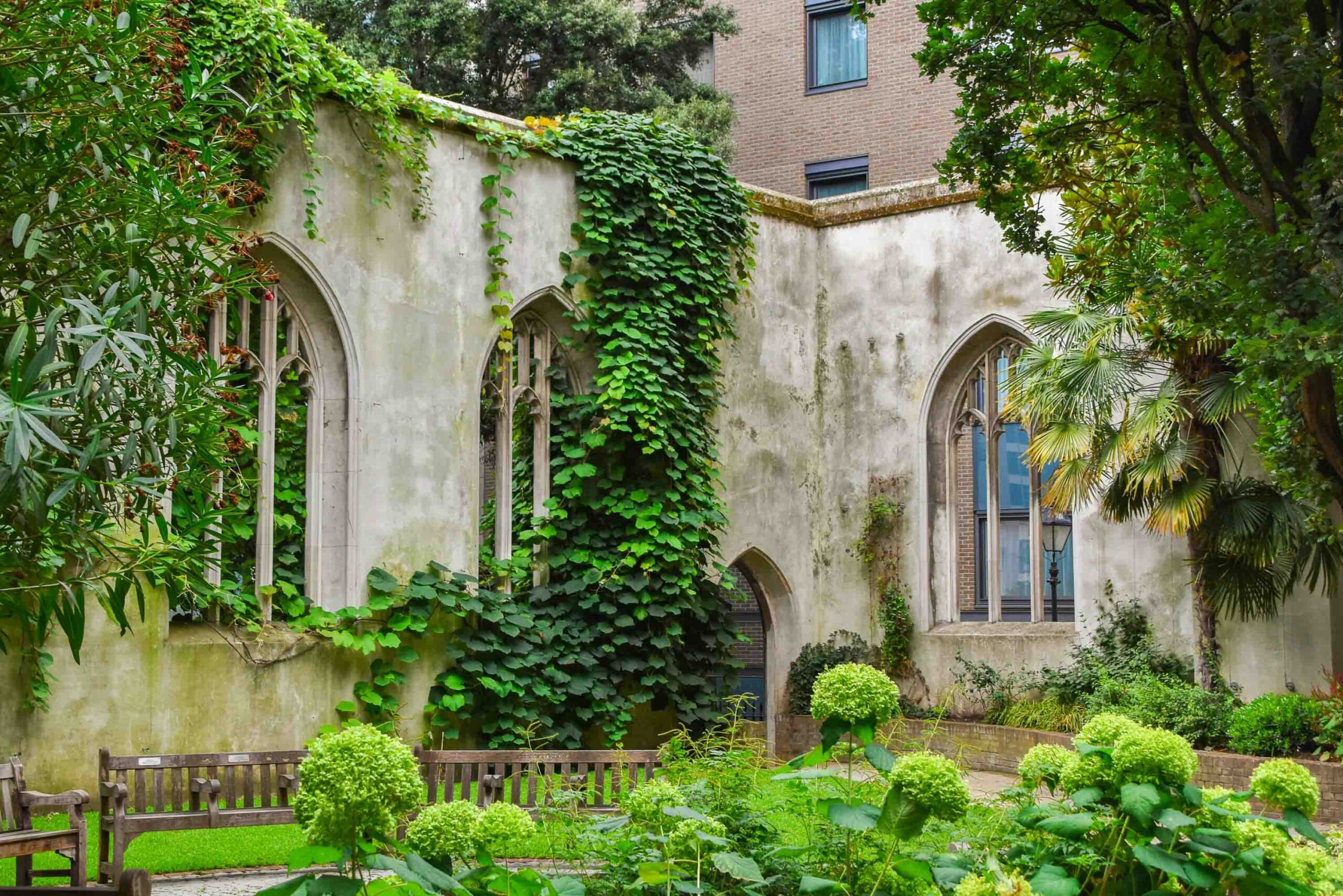
- Historic Reclamations: St. Dunstan’s in the City’s financial district shows how historic ruins can be transformed into scenic, reverent gardens.
- Suburban Wonders: The guide doesn’t just focus on the center; it includes local favorites like Grovelands Park in North London and the vast Hainault Forest.
The Power of Rewilding and Local Agency
One of the most compelling aspects of Cloos’s research is the realization that much of London’s “wildness” is a relatively recent phenomenon. Many of these spaces are the result of deliberate rewilding and restoration projects led by passionate local communities.
“So many of these projects were spearheaded by people who just loved where they lived and wanted to make it greener… seeing how often that’s happened gives me hope.”
A prime example is the Rainham Marshes. Once a military training ground and a decoy bombing site used during the Blitz, it has been transformed over the last 20 years into a thriving bird reserve. Similarly, the cleaning of East London’s canals has allowed birdlife to return, turning industrial waterways into navigable, natural corridors.
Why Urban Nature Matters
Cloos emphasizes that engaging with these spaces is more than just a hobby; it is a transformative act. She suggests that by intentionally “unplugging”—putting phones on airplane mode and observing the environment—city dwellers can find a mental shift that interrupts the daily grind.
Whether it is observing foxes in a backyard, watching iridescent beetles in a forest, or kayaking through canals to avoid the chaos of pedestrians and cyclists, these interactions foster a sense of connection to the world that urban life often obscures.
Conclusion
London’s wild spaces prove that nature is resilient and can thrive even in the heart of a global metropolis. Through community activism and intentional rewilding, these “pockets of hope” offer a blueprint for how other cities can reintegrate the natural world into urban life.