


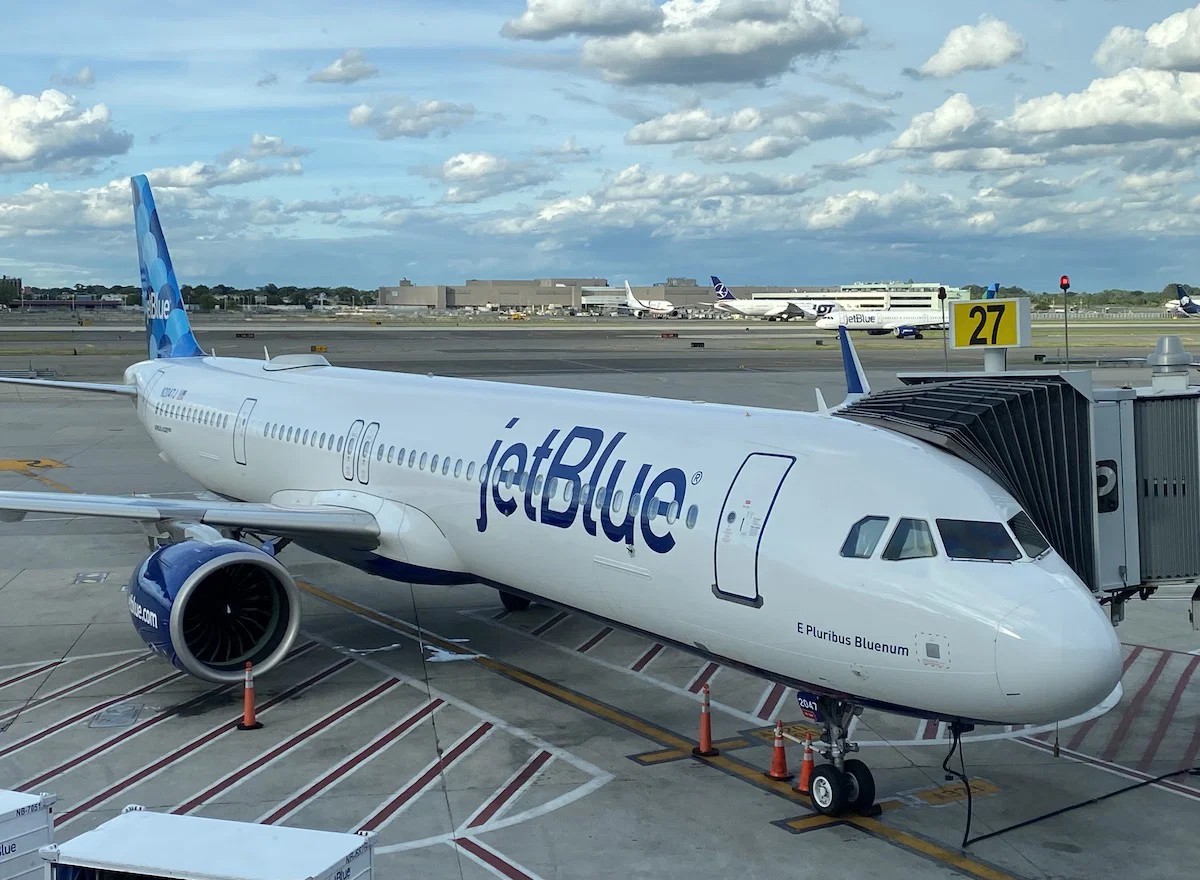
A single social media interaction has ignited a firestorm of accusations against JetBlue, with politicians and activists claiming the airline is engaging in “surveillance pricing”—the practice of raising fares based on a user’s personal data or search history. However, a closer look at the facts suggests that what looks like a “cold-blooded confession” is actually a case of a social media representative providing incorrect advice.
The Incident That Sparked the Outcry
The controversy began on X (formerly Twitter) when a passenger complained about a sudden price hike. The user noted that a JetBlue ticket had increased by $230 in just one day, adding the emotional weight that they were attempting to book a flight to attend a funeral.
The situation escalated when a JetBlue employee responded to the complaint with this advice:
“Try clearing your cache and cookies or booking with an incognito window. We’re sorry for your loss.”
This response immediately went viral, garnering over 1.5 million views. By suggesting that “incognito mode” could unlock lower prices, the employee inadvertently fueled a widespread conspiracy theory that airlines track individual users to manipulate ticket costs.
Politics and the “Surveillance Pricing” Narrative
The fallout was swift and highly political. Senator Ruben Gallego (D-AZ) used the incident to call for legislative action, questioning if JetBlue was openly admitting to raising prices based on a passenger’s personal circumstances.
The backlash has been amplified by critics who view this as evidence of predatory behavior. One progressive think tank executive even characterized the mistake as a “deceptive pricing practice,” suggesting that JetBlue had merely “pulled back the curtain” on how they operate.
Fact-Checking the Claim: Why the Employee Was Wrong
While the idea of “surveillance pricing” is a popular talking point, the technical reality of airline operations tells a different story. To understand why this incident is a misunderstanding rather than a conspiracy, it is important to distinguish between dynamic pricing and personal profiling :
- Dynamic Pricing (The Reality): Airlines use complex algorithms to change prices constantly. Fares rise when seats in a specific “fare bucket” sell out, when demand increases, or as the departure date approaches. This happens to everyone, regardless of their browsing history.
- Personal Profiling (The Myth): There is no evidence that airlines adjust prices based on your search history, your destination’s purpose (such as a funeral), or your specific device. Airlines do not have access to your private life or the “why” behind your travel.
JetBlue has since issued a formal statement clarifying that their fares are not determined by cached data or personal information. The employee’s suggestion to use incognito mode was simply bad advice—a common internet myth that has no basis in how airline reservation systems actually function.
Why This Matters
This incident highlights a growing trend in the digital age: the rapid spread of misinformation fueled by emotional triggers. Because the passenger mentioned a funeral, the story moved from a standard complaint about fluctuating airfares to a moral outrage about corporate greed.
The “surveillance pricing” narrative is difficult to combat because it feels plausible to a frustrated consumer. However, in this instance, the “scandal” was not a deceptive business model, but a human error in social media communication.
Conclusion
The JetBlue controversy is a prime example of how a single incorrect social media response can transform a routine fare fluctuation into a national political debate. While the airline’s mistake was significant in terms of PR, it does not reflect a reality where airlines manipulate prices based on individual user data.


