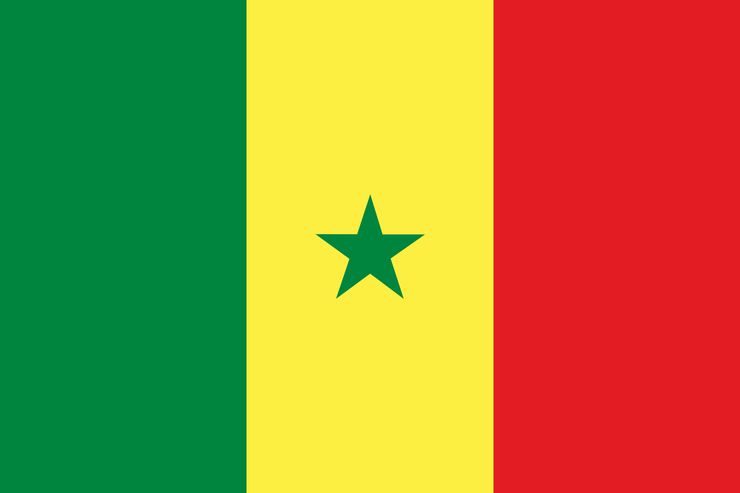
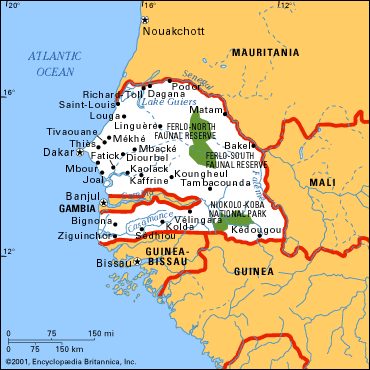
Senegal is a country that demands attention without asking for it. You have French coffee and Islamic calligraphy. You have the Atlantic Ocean crashing against the Cape Verde peninsula and the Sahel desert creeping in from the north. The numbers tell a small part of the story. The area is 75,973 square miles. That is roughly 196,768 square kilometers of land waiting to be explored. The population sits around 19.5 million people as of 2026 estimates. The capital is Dakar. A vibrant, chaotic, beautiful capital that serves as the gateway to everything else.
Understanding the Cultural Landscape
Before you book your flight, you need to understand who lives there. Senegal is not a monolith. It is a mosaic. Seven major ethnic groups dominate the social fabric. The Wolof are widespread. The Fulani are known for their cattle herding traditions. The Malinke have deep historical roots in the region. Smaller groups add to the complexity. Each speaks a separate language. This linguistic diversity is not just academic. It affects how you navigate daily life.
French is the official language. You will use it for business and government documents. But the street language is Wolof. Learn a few words. It opens doors. Religion is another defining layer. Most people are Muslim. Traditional beliefs persist alongside Christianity. This mix creates a society that is generally tolerant and welcoming to outsiders, provided you respect the local customs.
The Currency and Economic Reality
Travelers need to know about the money. The currency is the CFA franc. It is pegged to the euro, which provides a level of stability not found in many other African currencies. When you walk into a shop or a restaurant, you are dealing with an economy based on agriculture. Peanuts are the king of cash crops. They are grown everywhere. You will see them roasted on street corners. You will see them in stews. They are the heartbeat of the rural economy.
But Senegal is more than peanuts. Mining plays a role. There are large reserves of phosphates and iron ore. Fishing is huge along the coast. Tourism is growing fast. If you are looking for sustainable travel, Senegal is a prime candidate. The infrastructure is not perfect, but it is improving. The landscape varies from dry desert in the northeast to moist tropics in the south. Forests cover about a third of the total area. Another third is pasture. The rest is arable land. This diversity means diverse experiences.
A Brief History of Arrival
You are walking on ground that has seen centuries of exchange. Links between Senegal and North Africa go back to early centuries CE. Islam arrived in the 11th century. It did not erase animism overnight. Traditional beliefs held on into the 19th century. This historical layering is visible in the art, the architecture, and the way people pray.
The Portuguese explored the coast around 1444. They were followed by others. The French established a trading post at the mouth of the Senegal River in 1638. This was not a friendly visit. The 17th and 18th centuries were dark times. Europeans exported slaves. They took ivory. They took gold. The human cost was immense. The French gained control of the coast in the early 19th century. They moved inland. They checked the expansion of the T