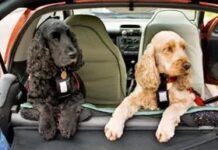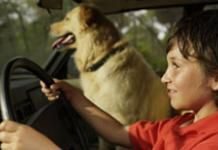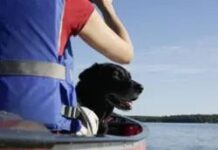
Forty-one million Americans drove at least fifty miles for Thanksgiving in 2008. Today, that same distance is a quick hour on the highway. In sixty minutes, even the most patient passengers—human or otherwise—can get restless.
But let’s assume you’re aiming for something more substantial. A real Jack Kerouac-style journey. You’ve plotted the route across interstates. You’ve marked the quirky roadside attractions and the diner with the best pie. The car has passed inspection. The tank is full. The neighbors know you’re gone.
Now, there’s the pet question. You don’t want to leave the dog or cat behind. Boarding isn’t an option. So, you bring them along.
About half of pet owners say they’d travel with their animals. Pet stores stock the evidence: specialized carriers, hammocks, car seats, toys, and yes, sedatives. The industry knows you want your furry co-pilot as comfortable as you are.
Before you turn the key for a cross-country expedition, start with shorter trips. Take them around town in the weeks leading up to the big day. Why? Animals get car sickness. The motion, the confinement, the novelty—it all adds up. Nausea is real. Frequent riders adjust. They settle in. Newcomers do not.
Food matters, too. Feed a light meal a few hours before departure. Not right before. Give them time to digest. Give them time to relieve themselves. Then, hit the road. Hunger isn’t the goal; comfort is.
Your pet’s dietary needs don’t end at the driveway. You’ll pack plenty of their usual kibble or wet food. But don’t overlook hydration. Water is critical. Especially on long drives.
Keeping the Traveling Pet Hydrated
Managing Nausea and Hydration on the Road
Feeding schedules change when you leave the house. Cats might nibble 12 to 20 times a day. Dogs usually gulp down one or two big meals. But keep the car stopped when it’s time to eat. Moving vehicles make pets sick. Nausea hits fast. If your dog looks queasy, offer ice chips. They soothe the stomach and add hydration. Over-the-counter pet stomach aids work too. Just check with your vet first.
Water matters more than food when you are on the move. Pets drink between meals just like humans. But how much do you need? There is no perfect number. Dogs drink about 1 ounce of water per pound of body weight daily. Cats are different. They intake only 0.06 ounces of water for every gram of dry food. Do the math at home. Estimate their daily consumption. Bring that amount plus a little extra. Dehydration leads to constipation. It also causes overheating.
Switching Water Sources Safely
Lugging gallons of water for weeks is impractical. But tap water at your destination can upset their stomachs. It works like changing food brands abruptly. The system reacts badly. Take enough bottled water from home to last a day or two. Then mix in local water gradually. If you stick with bottled water, buy the same brand every time. Consistency prevents irritation.
You do not need to time their water intake. Let them drink when they need it. Carry a travel bowl or a spill-proof dispenser. This is especially important in hot months. You might feel fine outside. Your pet might be suffering. The heat affects them faster.
Temperature Thresholds for Comfort
Watch the thermometer. If it drops below 55 degrees Fahrenheit (12 degrees Celsius), pay attention. If it rises above 72 degrees Fahrenheit (22 degrees Celsius), take action. These are not just numbers. They are limits. Your pet feels extremes differently. Provide shade. Offer cool water. Check for signs of distress.
Traveling with a pet brings companionship. But they cannot ask for a break. They cannot order a burger. You have to plan for their needs. Pack enough food. Bring sufficient water. Schedule walks. Give them room to stretch. The destination is the goal. The journey should be pleasant for everyone. If you ignore their needs, the trip suffers. Everyone notices the stress. Make it easy on them. Make it easy on yourself.
“Proper hydration for your pet is particularly important if you’re traveling during the hotter months.”
This isn’t just about comfort. It is about safety. A sick pet slows everyone down. A happy pet enjoys the ride. Think ahead. Pack smart. Stay aware. The road is long. Their comfort keeps the peace.