


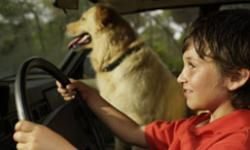
Flying is expensive. Boarding is stressful. So you pack the minivan, strap the kids in, and hope your dog doesn’t chew the upholstery on the three-day drive to Grand Canyon.
It sounds romantic. Travels with Charley and all. The open road. The wind in your fur.
Reality hits hard after hour two. Your golden retriever isn’t meditating. He’s whining. Your cat is hiding under the seat, vibrating with anxiety. The kids are bored. You’re sweating.
Taking pets along saves cash and keeps the pack together. But long car rides break most animals. They aren’t built for eight hours of vibration and confinement. Experts say you should test the waters first. Take a short trip. See how they react. If your pup throws up in the backseat, you learn something valuable before you hit the interstate for a week.
But what if you’re already on the road? What if the trip is already happening?
You need a strategy. Not just snacks. A real plan to keep your best friend from feeling like they’re in a rolling kennel.
Here is the first step. It’s the foundation of everything else.
5: Comforting Your Pet
Start with the environment. Your car is not a home. It’s a metal box moving at 70 mph. It’s loud. It smells like old fries and fear.
You need to change that.
Bring something that smells like home. An unwashed t-shirt you’ve slept in. A blanket from their crate. Scent is the strongest sense for dogs. It grounds them. It says, “You are still you. You are still safe.”
Secure them. A loose dog is a projectile in a crash. It’s also a distraction. Use a crate. Or a harness. Or a seatbelt tether. Whatever keeps them contained. Safety first. Comfort second. But they go hand in hand. If they’re safe, they’re less anxious. If they’re less anxious, they’re more comfortable.
Temperature matters too. Cars get hot. Fast. Even with windows cracked. Keep the AC on. Or the heat. Don’t let them overheat. It’s a quick way to ruin a trip and endanger a life.
Music? Maybe. Classical helps some dogs. Heavy metal? Probably not. Test it. Keep the volume low. Constant noise is stressful. Silence can be too. Find the balance.
The goal isn’t to entertain them immediately. It’s to settle them. Before you worry about games, worry about calm.
Once they’re calm, you can move to step two.
But let’s be honest. You’re already stressed. The kids are fighting. The dog is licking his lips. That’s a sign of stress. Look for it.
Panting. Whining. Hiding.
Address it now.
Pull over. Let them stretch. Let them smell a tree. Even if it’s just a gas station rest stop. Break the monotony. Humans need breaks. So do pets.
This isn’t just about logistics. It’s about empathy. You’re asking them to endure something unnatural. Give them tools to cope.
Comfort is the baseline. Without it, nothing else works.
Next up? Keeping them busy. Because once they
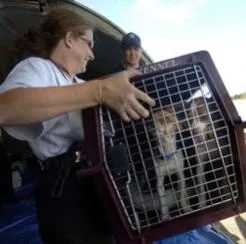

4: Toys and Treats
A bored dog is a destructive dog. You know this. So does your rental car agency.
Toys aren’t just filler. They are survival tools for a six-hour drive. Bring the usual suspects. The tennis ball. The rope toy. The squeaky hedgehog that drives you crazy. But here is the trick. Rotate them.
Don’t let them see the good stuff until you hit the highway. Novelty works. A new toy keeps their eyes on you, not on the upholstery. If your pet has a favorite chew, pack two. One will last. The other is for the emergency.
Treats serve a different purpose. They are currency.
Use high-value snacks for good behavior. Sitting calmly? A piece of chicken. Not scratching the door? A biscuit. This is positive reinforcement in real-time. It also gives them something to do with their mouths. Chewing is soothing. It lowers stress hormones. Think of it as edible meditation.
Avoid messy treats. No peanut butter on the highway. You don’t want them licking it off the window while you’re merging onto I-95. You don’t have time for a frantic wipe-down. Stick to dry kibble or small, bite-sized chews.
What about cats?
They don’t care about fetch. But they might care about a laser pointer. Or a feather wand. Short bursts of play can tire them out. A tired cat is a sleeping cat. And a sleeping cat is quiet.
Don’t forget water.
Not just for you. For them too. A spill-proof bowl or a travel bottle is essential. Hydration keeps them calm. Dehydration makes them cranky. Cranky pets bark. Barking stops you from hearing the directions.
Check the weather forecast. If it’s hot, plan for cool-down breaks every two hours. Never leave them in a parked car. Not for “just a minute.” Not even if the windows are cracked. It takes three minutes for the interior temperature to become dangerous. Do the math. Do the right thing.
Pack a first-aid kit. Just in case. Bandages. Antiseptic wipes. Tweezers for ticks. You hope you never need it. But if you do, you’ll be glad you packed it.


You know your dog has a mountain of toys at home. The trick is knowing which ones to drag along without turning your trunk into a junk drawer. Pick the heavy hitters. A solid chew toy is your best friend here. Look for the ones with hollow centers. Stash a few treats inside. Now watch your mutt work for it. That empty two hours of silence? It’s not a myth. It’s a strategic victory.
Buy a couple of new toys too. Familiar items comfort, but new things distract. Boredom breeds chaos. A nylon bone works wonders for larger breeds. They can gnaw on that for miles. Cats are harder to crack. They don’t just want to chew; they want to engage. If you have other passengers, make them part of the entertainment squad. Let them toss a feather wand while you drive. If someone else is at the wheel, let the cat out of the crate for a stretch. Just don’t let the cat roam if you’re driving alone. Your eyes need to be on the highway, not on a pouncing tabby. Distraction kills. Safety first. Entertainment second.
3: Take Breaks
Skipping rest stops to save time is a rookie mistake. Pets don’t run on caffeine or adrenaline. They run on bladder capacity and restlessness. Plan to stop every two to three hours. This isn’t just courtesy; it’s necessity. A dog that has to hold it will find a way to let go, and you don’t want to explain a muddy back seat to your hotel manager.
Find rest areas with grass. Gas stations are concrete traps. Look for parks or designated pet zones if you’re passing through town. Give them five minutes to sniff, pee, and reset. For cats, this is harder. They don’t always need to go outside, but they need a break from the confinement. If you have a harness, let them explore a secure area. If not, keep them in the carrier but offer a break from the drive. Hydration matters too. Bring water from home. Tap water in strange places can upset sensitive stomachs. Pack a collapsible bowl. It folds flat and saves space.
“A tired pet is a good pet. A stressed pet is a dangerous pet.”
Timing these breaks requires patience. You might lose ten minutes here or there. But those minutes prevent accidents and meltdowns. Check your route beforehand. Identify rest stops that are dog-friendly. Some travel apps let you filter for pet amenities. Use them. It turns a logistical headache into a simple checklist.


Keep your travel companion cool and calm
Most veterinarians and experienced road-trippers agree on the two-hour mark. Stop. Every. Two. Hours. It isn’t just about giving your dog a chance to sniff out the last gas station. It’s about resetting their nervous system. A restless animal in the backseat is a nightmare for driving. A tired one? That’s a peace treaty.
Bring the leash in your hand, not buried under a pile of snacks and blankets. You don’t have time to rummage when your pet is already vibrating with anticipation. Have it on. Snap it on. Move.
Rest stops are social hubs for four-legged travelers. If you’re lucky, there’s a fenced area. A twenty-minute romp with another dog burns off energy faster than a solitary walk ever could. Let them sniff. Let them greet. It’s mental stimulation as much as physical.
But what if you’re stuck in the middle of nowhere? No other dogs in sight? Then it’s just you and your high-energy pup. Walk. Run. Chase a ball until your arms ache. If you’re cutting through national forests or rural backroads, schedule a mid-day hike. Get them muddy. Get them exhausted. A sleepy dog in the car is a safe dog.
Cats are different. They don’t thrive on playdates. They thrive on routine and security. If you plan to walk your cat on a harness, start that training weeks before you leave. Do not wait until you’re at a rest stop to introduce the concept. They need to feel safe on the lead before they can handle the chaos of travel.
Talk to your pet
It sounds silly. Really. You’re sitting in a car, engine ticking as it cools, and you’re talking to a dog who just peed on the asphalt. But here’s the thing: your tone matters.
Pets read energy, not words. If you’re stressed, they’re stressed. If you’re rushing, they’re anxious. Slow down. Speak softly. Use their name. Remind them they’re safe. It’s a grounding technique for both of you.
Think about it. When was the last time you just stopped and breathed with your animal? Not to check the clock. Not to refill water. Just to be present. Traveling with them isn’t just logistics. It’s shared experience. And sometimes, the best part of the journey is the pause.


Choosing Accommodations That Actually Welcome Pets
Most travelers hit a wall when booking hotels. The search filters are confusing. Some say “pet-friendly.” Others list a fee. A few outright ban animals. It’s a mess. You don’t need another layer of stress while driving cross-country with a nervous dog. You need clarity.
Start by filtering for pet-friendly hotels with no weight limits. Many places restrict dogs to under 50 pounds. That leaves out a huge chunk of the population. Look for properties that welcome all breeds. Size shouldn’t be a barrier to comfort.
Costs vary wildly. Expect to pay between $25 and $100 per night in extra fees. Some hotels charge a flat rate. Others bill per stay. Always ask about the total. Hidden fees ruin budgets. Ask if there’s a refundable deposit. You want that back when you leave.
Look for amenities that matter. Does the hotel provide bowls? Beds? Treats? Some chains go the extra mile. Others just tolerate your pet. You’ll know the difference. A hotel that offers a “pet menu” or local park maps is worth the premium. It shows they get it.
Location is key too. Is the hotel near a park? A walking trail? A quiet beach? Your pet needs exercise. You need a break from the car. Proximity to green space isn’t a luxury. It’s a necessity. Check the map before you book.
Don’t assume all rooms are equal. Ask for a ground-floor room. Why? Emergencies. If your pet gets sick or has an accident, you don’t want to carry them up three flights of stairs at 2 AM. Ground floor also means easier access to the yard. Less stress for both of you.
Some hotels have restrictions on leaving pets alone. Read the fine print. Can you leave the dog in the room while you eat dinner? Some places say yes. Others require you to take the pet with you. Or hire a sitter. Know the rules before you check in.
Consider the time of year. Summer is peak travel. Prices go up. Availability drops. Book early. Spring and fall offer cooler weather. Better for pets. Less heat stress. More comfortable walks.
Talk to the front desk. Ask about recent guests who brought pets. Their feedback is gold. They’ll tell you which rooms are quiet. Which neighbors are loud. Which areas are off-limits. Human intelligence beats online reviews every time.
Be respectful. Clean up. Don’t let your pet bark excessively. Damage can happen. But most hotels understand. They’re in the hospitality business. They want you to stay. Just make sure your pet doesn’t become a nuisance.
Think about your pet’s comfort. Do they like noise? Choose a room away from the pool or elevator. Do they like warmth? Ask for a room with good heating. Small details make a big difference.
Remember, you’re a guest. Act like it. Treat the hotel like your own home. That mindset shift changes everything. You’ll travel lighter. Sleep better. Arrive happier.
Packing Essentials for the Road
You can’t pack light if you’re bringing a pet. The gear adds up. But you can pack smart. Focus on essentials. Leave the luxury items at home.
Food is non-negotiable. Bring enough for the entire trip. Plus


Choosing the right stop
You can’t just keep driving. Eventually, you need to pull over, let the dogs stretch, and let the cats decompress. This isn’t just about convenience. It’s about keeping them sane.
Cats and dogs feel uneasy when they are out of their normal territory. A familiar room helps. Most hotels accept pets, but you have to check first. Policies change. Fees change. Rules change. Call ahead. Don’t assume.
There are two main reasons to book a pet-friendly stay.
First, your pet senses your stress. If you are tense, they are tense. A comfortable night means a relaxed morning.
Second, playdates. Other travelers with pets are often staying at the same places. Your dog might meet another dog. They play until they collapse. It works.
Alternatives to hotels
If you have a cat, set up their bed. Place the litter box in a quiet corner. They will appreciate the space. No cages. No carriers for hours. Just room to move.
If you prefer the outdoors, bring a tent. Camping with pets is different. You share the space. They sleep near you. You get to hike. They get to exercise.
It’s a good option. It depends on your plans. And your pet’s tolerance for bugs.
More details
If you want to dig deeper, look into these topics:
- How pet microchipping works
- 6 pets that traveled long distances to get home
- Do pets suffer jet lag?
- Top 5 risks when driving with a pet
- How pet shipping works
Sources: Tripswithpets.com, MSN, Roadtripamerica.com, Real Simple, KSBW. All from 2008. The advice holds. The links might not. Check current rules. Check current costs. Plan ahead.


