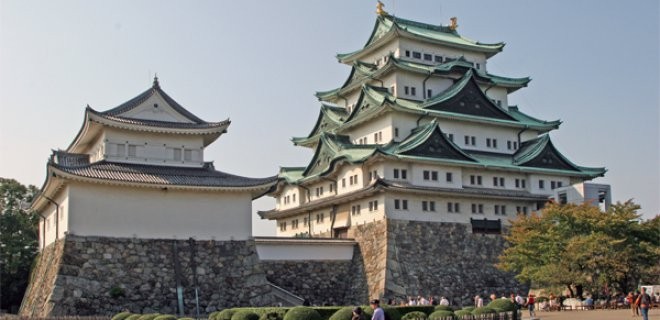
Nagoya is more than just a transit point connecting Tokyo and Kyoto. Japan’s fourth largest city, industrial powerhouse and culinary powerhouse with a soul of its own. Home to about 2.3 million people in 326 square kilometers of land on the Pacific coast, this metropolis punches above its weight. This is the birthplace of the Toyota Motor Corporation, where Ibanez guitars are made, and where you can get the best Japanese street food without the Tokyo price tag.
If you’re planning a trip here, you’ll need more than just a checklist. You need a strategy.
Why Nagoya should be on your itinerary
Most tourists skip it. They rush through the Shinkansen windows and miss out on Japan’s most authentic urban experience. Nagoya is a center of higher education, home to the famous Nagoya University and a manufacturing giant. But beneath the factories and auditoriums lies a vibrant culture that refuses to be overshadowed by its neighbors.
Why visit? For food. For history. Due to the extent of the castle area. In fact, it is usually not very crowded, but it is full of art and atmosphere.
Nagoya Castle: The Golden Tiger
When talking about the charms of Nagoya, let’s start with the castle. It is one of the three great castles in Japan, and this designation is very important.
The fortress was built in 1609 by Tokugawa Ieyasu, an important Shogun and founder of the Tokugawa shogunate, as a display of power. It is located in a large military defense complex and is considered one of the most important forts in Asia.
The visual appeal is immediate. look up
The ridges of the roof are decorated with Shachihoko. A mythical creature with the head of a tiger and the body of a carp. They are made of gold and act as fire amulets. they are everywhere. It can be seen on roofs, products and stone doors.
The complex consists of two main towers: an inner bastion and an outer bastion. The main castle was destroyed during World War II and rebuilt with modern materials, but it has retained its original beauty. The appearance of the golden Shachihoko is a copy, but the quality of the work is good. The ruins themselves are preserved as national treasures.
“The Shachihoko is more than just a decoration, it is a symbol of protection and status that defines the city’s skyline.”
Once you get through the door, you will be transported back to the Edo period. The stone wall is big. The moat is very deep. It reminds us of a time when castles were not only residences, but also military bunkers.
Outside the castle walls
Nagoya is a city with many layers. It combines the industrial spirit of a manufacturing center with the sophisticated elegance of a cultural center. In order to navigate, you need to understand its layout.
Transportation: The metro system is clean, efficient and covers all major tourist attractions. If you buy a rechargeable IC card like Manaca or Suica, you can travel smoothly. Buses are also widely available, but can be slow due to traffic jams.
Accommodation: Stay nearby
The treasure trove of Owari samurai heritage Tokugawa Art Museum
The Tokugawa Art Museum, located in downtown Nagoya, is more than just a cultural center. It is also a cultural center. It is the direct gateway to the wealth and power of the Owari clan. If you’re exploring hidden cultural gems in Japan, this property deserves to be a major spot on your itinerary.
The collection is incredible. There are over 12,000 items, many of which are designated as important cultural properties. The museum houses artifacts from China’s Song and Yuan Dynasties (960-1368), but its true pride is its Tokugawa heritage. In particular, it houses the personal collection of Yoshichika Tokugawa, the 19th head of the Owari region, who founded the museum in 1931 to preserve his family’s precious heritage.
What are you looking at?
– Samurai Armory: An impressive collection of swords and armor to showcase the martial prowess of the clan.
– Performing Arts: Rare and well-preserved traditional Noh costumes and masks.
– Decorative Arts: Lacquerware furniture and ceramics reflecting the highest standards of craftsmanship from the Edo period.
– Art: Calligraphy and paintings by Chinese and Japanese masters.
The location is very convenient, just a short walk from the castle grounds. For travelers wondering where to find authentic Edo period aesthetics outside of Kyoto, Nagoya’s Tokugawa Art Museum offers a unique and rich perspective. The Owari Tokugawa family is one of the three great families, and their wealth is reflected in every brushstroke and blade of steel.
A visit here feels more like entering a private estate than a regular museum tour. Lighting is often kept low to protect the delicate textiles and paper, adding to the air of reverence. It is very quiet. intimate.
You can easily spend an hour or two poring over every detail of the Noh masks. This is in stark contrast to the lively commercial atmosphere of downtown Sakae. This is history, preserved and presented responsibly.
This museum is part of the Tokugawa Art Museum of Art, a public benefit foundation. The main building is the highlight, but if you have time, you should also explore the courtyard and adjacent gallery. The tickets are cheap, but the value is in the uniqueness of the collection. These items are not intended for public consumption. They were created for ruling families. It’s an honor to see them in public.
Some visitors skip this as they follow the castle itself. This is wrong. Castles are impressive, but museums preserve the souls of the people who built and ruled them. These objects tell stories of trade with China, political power and aesthetic culture. They are tangible evidence of the lineage that shaped modern Japan.
Is it crowded? In general, it is not. It is a place for those who want to look closer. The staff is knowledgeable, but respects silence. You can hear the hustle and bustle of the city outside, but it’s quiet inside.
The collection has changed a bit over time and some items have been rotating for conservation, but the core has remained. If you are interested in the history of Japanese martial arts, visit the Tokugawa Art Museum.
Spiritual center of Nagoya
The Atsuta Shrine you see here is located in a quiet location in Atsuta Ward, Nagoya City, Aichi Prefecture. The address is simple: 1017 Tokugawacho, Higashi Ward. But don’t let the simple coordinates fool you into thinking this is just another item on your bucket list. There is weight in this spot.
It is one of Japan’s most important shrines and dates back to the reign of Emperor Keiko in the early 200s. The locals don’t just call it a sanctuary. People call it Atsuta-sama or simply Miya. There’s almost a personal respect to it.
The area of this complex is 200,000 square meters. It’s amazing. It is so spacious that you feel small just walking through the front door. The grounds have seen their share of hardship. During World War II, the original building was damaged by bombing. However, the shrine was not left to rot. After careful renovation, the building was restored to its former glory. It is now a symbol of Nagoya’s resilience.
Why you should visit
If you’re planning a trip to Japan, you’ll probably want to fly directly to Tokyo. But skipping Nagoya means ignoring a site that attracts about 9 million visitors a year. This is not a typo. Nine million people come here every year to worship and enjoy the walk.
This shrine houses one of Three Sacred Treasures of Japan, but the details of the sword itself are not public. This secret deepens the mystery. You are not just seeing a building. You are standing in a space where history and spirituality are intertwined.
Logistics for your visit:
- Location: Atsuta Shrine is located in Atsuta Ward. It is also easily accessible from downtown Nagoya.
- Best time to visit: The shrine is open all year round, but the atmosphere varies depending on the season. In the spring, cherry blossoms bloom on the surrounding trees. In autumn, the air is clear and the leaves change color.
- Highlights: Pass through the large torii gate. You will hear the sound of wind chimes. Before entering the main hall, worshipers can be seen performing purification.
- Price: Entrance to the field is free. There may be a fee for certain museums or ceremonies, but the core experience is accessible to all.
Getting There and Around
Nagoya is a central transportation hub. You can take the Meijo Line to Atsuta-Miyae Station. From there it is a short walk to the entrance of the sanctuary. If you are departing from Nagoya station, using the subway is efficient and cheap.
The shrine grounds are quite spacious, so it’s worth spending an hour or two there. There is a small shrine on site, a garden you can walk through, and a museum that provides context for the history you see. Take your time. Do not rush.
This is not a place to take photos and go home. This is the place where you can feel it. The scale of the place, the age of the traditions and the number of people who have walked this path before you create a sense of continuity. you
Toyota Museum
If you’re looking for wheels in Nagoya, avoid the usual car dealerships and head straight to the Toyota Automobile Museum. This is a small showroom located a little far from Nagakute city center. It’s a large complex dedicated to the brand’s rich history, but to be honest, it feels like a temple of automotive evolution.
Address: 1-1-1 Jingu, Atsuta-ku, Nagoya, Aichi 456-8585
“The museum has an impressive collection from 1922 that shows Japan’s technological progress.”
There are hundreds of cars on display here. The collection is divided into two main buildings: East Building and West Building. Many modern Toyota vehicles are displayed in the east wing, while history is engraved in the west wing. There you can see cars from the 1920s. A must see if you like old cars. For lovers of old fashioned craftsmanship, it is one of Nagoya’s most popular attractions.
Museums do more than just list dates and specifications. It shows progress in planning and design. You can see the evolution from the basic models to the advanced machines we know today. This allows you to visually learn how Japanese industry has grown.
Logistics is important for travelers planning a trip. The museum is not located right next to a large JR station. Take a bus or taxi from downtown Nagoya. Plan on about an hour to an hour and a half to walk through both halls properly. East Hall exhibits change regularly, so the vehicles on display may change. The West Building are more static and offer a coherent picture of the history of the automotive industry.
Is it worth the detour? If you appreciate design, yes. It can be an extra step if you are just passing through Atsuta Shrine to visit. But for car enthusiasts, it is an extraordinary experience in Aichi Prefecture. You will see things that are not listed in the standard guides.
Nagoya Harbor Aquarium: A place where killer whales become the talk of the town
Located in the Nagoya Port area, the Nagoya Port Aquarium is more than just an exhibition space for aquariums. Although it opened in 1992, the arrival of Ku between 2003 and 2008 put this place on the world map. Ku, a female killer whale captured in the wild, has sparked a fierce debate about captivity and the protection of marine life. Today, the aquarium is still defined by its era: the controversy, the glamor and the sheer volume of its building.
If you’re visiting now, you’re not seeing Ku. But what we see is a huge ecosystem. More than 10,000 creatures from 500 species live in the aquarium. The total capacity of the tank is a whopping 24,600 tons. It’s more than just water. It is a complex habitat designed to mimic the depth and pressure of the ocean.
Highlight? Dolphin and seal show. These are not just adorable behaviors. These are carefully choreographed performances that showcase the animal’s intelligence and agility. This is a must-see for those planning a trip to Aichi Prefecture. It is one of Nagoya’s leading tourist spots, and people who want to see marine life up close flock here.
Until Arrival
The address is 41-100 Yokomichi, Nagakute City, Aichi Prefecture, 480-1118. Wait, Nagakute? Located about 30 kilometers north of downtown Nagoya. This aquarium is actually Nagakute, not Minato-ku. Although it can be confused with the Minato-ku area mentioned in the old records, the actual location is the city of Nagakute. This is an imMinato-kuant detail in your travel plan. From Nagoya Station, you need to take the Meitetsu Line or a bus. The trip takes about 40-50 minutes. Don’t rush. The trip itself offers views of ever-changing landscapes from the city to the suburbs.
What’s Happening
– Aquarium: A deep and large aquarium where you can see the extent of marine life. The water is clear, the light is natural and the animals swim freely.
– Shows: Scheduled throughout the day. Check the schedule when you arrive. They are engaging, educational and often emotional.
– Gift shop: full of stuffed animals and local souvenirs. A great place to collect souvenirs.
– ** Cafe: ** Simple meals. It’s not delicious, but it’s convenient.
ImMinato-kuant reason
The size and the history of the aquarium remind us of the ethical issues of marine parks. While you’re out there watching dolphins, remember that the industry is evolving. Many facilities today focus on rescue and rehabilitation rather than catching animals. The Nagoya Port Aquarium remains a place for education and conservation, but its past is also part of its story.
Practical tips
– Tickets: Buy in advance online so you don’t have to stand in line. Prices vary depending on the season.
– Schedule: Reserve at least 2-3 hours. The performances are carried out according to the schedule, so plan accordingly.
– Best time to visit
Nagoya TV Tower: Iron Lady of Hisaya Odori Park
Located in the center of Hisaya Odori Park, where the sky echoes.
The Nagoya TV Tower is not subtle. Built in 1954, the building is a 180-meter-tall steel and glass lattice structure with strong Parisian influences. If you look closely, you can see the ghost of the Eiffel Tower at its feet. But this is Japan. It’s sharper. It’s younger.
Designed by renowned architect Tachu Naito, who also designed Tokyo Tower and Osaka’s Tsutenkaku Tower, the building is an early symbol of post-war revival. It didn’t just appear; This is a statement. We are back.
There are two viewing platforms here. The lower part is 90 meters high. The upper floor rises to 100 meters. From above, the city of Nagoya spreads out like a circuit board. On a clear day, you can see Mount Fuji in the distance in the shape of a pale triangle against a blue background.
Why is it important now?
It is not just a view. It is a landmark.
Pop culture fans will recognize it immediately. This is the lair of the monsters that appeared in the classic Godzilla and Mothra movies. If you squint, the outline is the same. This tower has been the backdrop for Japanese movies and TV series for decades. It is the thread that connects the old city and the new city.
Getting there is easy. The address is 41-100 Yokomichi, Nakamura-ku. It is located in the center of Nagoya and is easily accessible from Sakae Station. No need for a car. No need to make a reservation. Just go to the park, find the base and go to the elevator.
The cost is reasonable for what you get. It is a quick stop, but a necessary one. See the city from above, learn about the history and stand where monsters once threatened.
It’s symbolic. It is high up. The Iron Crown of Nagoya.
Exploring the Dual Identity of Higashiyama Park Zoo and Botanical Garden
Higashiyama Park in Chikusa Ward offers a surprisingly intense experience. This is not just a zoo, and it’s not just a botanical garden. Since its establishment in 1937, it has established itself as one of the largest institutions in Asia. If you want to spend an afternoon in Nagoya avoiding the dull lights of the shopping malls, this is the place.
Animal exhibits cover the powerful. You can see bears, elephants and giraffes roaming around the cage. Lions and tigers make the usual predatory spectacles, but Koalas wander about in a sleepy indifference. But the collection goes much deeper. This area is home to a variety of tropical fish, reptiles and birds not found in temperate Japanese park.
The plant perspective balances the noise in the animal area. The gardens are filled with wild plants such as foxgloves, camellias, gentians and various poppies. Licorice (licorice root) and rhubarb are grown in marked areas. This is not a manicured lawn, but carefully tended nature.
One of the highlights here is the insect museum. It sounds narrow, but it has been very carefully maintained. In addition to the insects, the park also has a traditional Japanese garden, which creates a gentle contrast to the animal enclosures. The design emphasizes calmness. Water features, stone placement and carefully tended trees create a stress-reducing space.
Due to the large size of the park, you can easily spend three to four hours here without rushing.
Logically, the location is centered around the Hisaya Odori Park area in downtown Nagoya. The address is 3-6-15 Nishiki, Naka-ku. Easy access by Nagoya subway. Although the park itself covers several neighborhoods, its main entrance is easily accessible from the city center.
Prices are reasonable for the scale of the attraction. There is a fee, but it includes entry to both the zoo and the botanical garden. You don’t have to pay for each part separately. This makes it a valuable stop compared to other attractions in the city.
Timing is important. If you go in the morning, the temperature drops and the animals are more active. It can be crowded in the afternoons, especially on weekends. When the sun goes down, the botanical gardens are less crowded and you can enjoy a peaceful walk among the camellias and ferns.
Why did we choose this place instead of a modern theme park? Integration with nature is the answer. In a few minutes you can get from the hot reptile house to the shade of the forest path. The changes are sudden, but that’s part of the charm. It forces you to change your mental attitude.
This park is also Nagoya’s green lung. In a city known for its concrete and steel, has an rare expanse of soil and sky. Although it was built in the mid-20th century, it is one of those places that feels older than the city itself.
If you are planning a trip that emphasizes ecological diversity, this complex delivers. It’s not just about showing animals in cages. It shows you the habitat, a garden, and a history all at once. Tropical fish add color
Discover the history in Osu Kannon
Located in central Nagoya, Osu Kannon is more than just a passing shrine. It is a living history of architecture and spirit. The official name of this temple is Kitanosan Shinpuku-ji and it belongs to the Shingon sect. It is passed down from generation to generation in the local community as one of the 33 temples in the Owari region. If you are looking for an address to pin on the map, the address is located at 464-0804 Aichi Prefecture.
The structure itself has seen better days. Built in 1612, it stood for two centuries until a fire destroyed it in 1820. However, the temple didn’t stay down. The current building was rebuilt in the 1970s. Although this is not a copy of the 1612 version, it embodies the same spirit. Inside are manuscripts explaining Japan’s mythical past. These are not just dusty objects. These are a window into how local people understood the world hundreds of years ago.
Museum of Religious Art
Osu Kannon is worth seeing because it has a rich collection. There are about 15,000 classical Japanese and Chinese objects in the temple. These are not mass-produced souvenirs. We’re talking about pieces that have survived centuries of fire, war and neglect. The amount of stuff is amazing. You can spend an hour visiting the exhibition and admiring the fine craftsmanship.
For travelers planning a trip, this is a bridge between religious sites and museums. You don’t have to be a Buddhist to understand the details. Art speaks for itself. A quiet corner of Nagoya, away from the neon lights of the shopping area.
Beyond the walls of the temple
Osu Kannon is the center of Osu Shopping District. It’s a covered arcade that spans several blocks. It is one of the oldest and largest shopping areas in Japan. The temple is located right in the middle. You can also pray in a 400-year-old spiritual atmosphere, buy used clothes and taste street food.
The contrast is clear. At some point you are in a dim light filled with the scent of incense and old wood. Next thing you know, you’re under a tin roof, surrounded by the noise of haggling and conversation. This juxtaposition makes the area unique. It is not as refined as Gion in Kyoto. It’s raw, real and alive.
If you want to spend some quiet time in Nagoya, this is the place. The temple grounds are small, but well preserved. The surrounding area provides plenty of fuel for your journey. Just watch your time. The temples may close early, and the arcade has its own rhythm.
The 1970s reconstruction gave some elements a modern feel. Don’t let this fool you into thinking that history doesn’t exist. It’s layered. you have to look for it. But when you find it, this place has an attraction. I’m drawn to it.
If you want to know more, you can take a tour. Otherwise, just hang out. Let the cultural property speak for itself. 15,000 pieces do not speak.
Fusion of science and technology and city life in Nagoya
If you want to take a break from visiting temples and shrines, the Nagoya City Science Museum offers a distinct pivot toward the future. Its central location makes it a convenient stop between other city attractions. This is not just a static display of old machines. It is a center dedicated to technological development, built around three main pillars: modern technology, life sciences and a planetarium.
The star attraction here is undeniable. The world’s largest planetarium is located in this facility. If you’re an astronomy buff or just want to see a dome that dwarfs typical observatory theaters, this is the place for you. The sheer scale of the projection system transforms the experience from a simple movie into an immersive journey.
The layout of the interior encourages interaction. Tablets can be found scattered among the exhibits. These are not just for show. They provide detailed information on various technology products and innovations. It bridges the gap between passive observation and active learning, allowing you to dig deeper into specific topics at your own pace.
The building itself is also part of the exhibition. The architectural design uses elements of technology, making even the structure you’re standing in feel like a work of engineering. This is a practical destination for travelers who want to understand the modern side of Japan and balance the historical context with current innovations.
Address: 21-47, Meieki 4-chome, Nakamura-ku, Nagoya, Aichi 460-0011
Why Nagoya Port is Japan’s most popular destination
The Port of Nagoya is not just a berth for ships. It is the heart of Japan’s economy. It is the country’s largest and busiest commercial port, handling about 10% of the country’s total trade. If you’re planning a trip, understanding the size of the space helps explain why you should pay attention. The port has been in operation since 1907, which means that the infrastructure has been refined for more than a hundred years. It covers an area of 82,279,000 square meters and is defined by 290 different piers that protrude into the water.
Get to know the Chukyo metropolitan area
Located in the Chukyo metropolitan area, this port is the gateway to one of Japan’s most important commercial areas. Before you leave Nagoya, be sure to see this amazing industry for yourself. The wide range of activities here is in stark contrast to Japan’s traditionally quieter side, which is often highlighted in travel guides. This is a reminder that modern logistics engines drive this country forward.
Let’s go to Nagoya Aquarium
For a traveler who has broken away from heavy industry, the harbor area offers a surprisingly different experience. Nagoya Aquarium is located just a short distance from the active pier. This attraction allows you to connect directly with the marine life that shares the harbor with the cargo ships. It’s a convenient stop that combines the maritime theme of the harbor with relaxation, making it an integral part of any seaside-centric route.
Detailed information about your visit
Remember the location when you go. The port is located in Aichi Prefecture, specifically in Chuo Ward. The postal code of this section is 460-0008. Although the harbor itself is large, the most accessible places for tourists are usually near the aquarium and the main administrative buildings. You can walk along the pier to get an idea of the size of the ship, but it is usually not accessible without special permission. We recommend visiting during the day, when you can enjoy the light reflecting off the buildings and water.
“The port is the country’s most valuable business area, so be sure to visit before leaving the city.”
How to plan your trip
Start your day at the aquarium and learn about the local marine ecosystem. After that, walk to the pier. Colorful Aquariums differ sharply from the steel giants sold internationally. There is free access to the public spaces around the pier, but please allow extra time to visit the aquarium. Opening hours vary depending on the season, so we recommend checking them in advance. It’s not just a point of view. It is a historical place that still conveys the characteristics of Nagoya.
Although the harbor dates back to the beginning of the 20th century, it has a very modern feel. You can stand on the concrete and watch the loading and unloading of ships from dozens of countries. This is a place where there is always movement. Some travelers skip it and focus only on castles and temples. That’s wrong. The harbor tells the story of Nagoya’s past and future.
You may be wondering if you should travel from central Tokyo or Osaka. for
Check Nagoya Transport Network
Nagoya. Japan’s fourth largest city. It is located in central Honshu between Tokyo and Osaka. If you’re planning a trip here, there’s one thing you should know right away. This is How to get around Nagoya by subway. The city is covered by railways. You can’t walk around. Unless you’re very lucky, you won’t find hidden gems in quiet alleys. They gather near the subway exit.
I’ll take the subway. This is the only logical choice.
The network is very clean. It’s on time. It is cold in the summer and heated in the winter. It deposits you directly at the gates of the most important tourist attractions. The logic from the castle to the harbor is simple. Find a station. Get off. You are there.
Why do most travelers hesitate? Because of the buses.
In rural Japan, public transportation is very efficient. The situation is different in densely populated big cities like Nagoya. You need to know the stop number. You must tap the right card. You must watch the doors. One mistake. You miss your stop. The next stop may be 3 kilometers away. Buses are risky. They are prone to traffic. They are confusing for the uninitiated. Most tourists avoid them altogether. Stick to the rails.
Nagoya Port is an important destination. It is more than just a port. This is a leisure area. The Aqua Line connects it to the mainland. The metro will take you there. The drive is short. The rewards are high. You will find the Port Tower. You will find the Legoland Japan. You will find an aquarium. All of these are accessible via the Higashiyama Line. Do not take a taxi unless you are transporting heavy equipment. Don’t ride the bus unless you’re a local.
Payment? One-way fares on the Nagoya subway start at 220 yen. It varies by distance. If you are going to three or more attractions, a day ticket is usually cheaper. Get a PASMO or Suica card. Tap in. Tap out. There are no tickets. There are no lines. No pressure.
Timing is important. Trains run often. Every 5-10 minutes during rush hour. Every fifteen at night. The last train leaves around midnight. If you are out late, you will be walking. Or paying a fortune for a taxi. Plan your return.
This city is designed for traveling by train. Embrace it.
Staying in Nagoya: choosing the best hotel
Nagoya Tokyu Hotel is located right next to JR Nagoya Station. Sakae Station, a major nightlife hub, is a 15-minute subway ride away. Higashiyama Park, with its zoo and botanical garden, is about a 20-minute transit ride away. The rooms are very spacious. Furnished with European furniture, it stands apart from typical Japanese accommodation options. This option is perfect if you want to be stylish without sacrificing location.
Why is this location works
Travelers often ask us where to stay in Central Nagoya. Tokyu Hotel combines transportation hubs and leisure spots. Although it’s close to the Shinkansen, it’s far enough away from the train noise that you can get a good night’s sleep. The layout is convenient for those planning day trips to Kyoto or Osaka. Alternatively, it is also recommended for those who want to relax and explore the city’s museums.
What do you get for your money?
European interior design is not only beautiful. It creates a sense of space. Many budget hotels in Japan cram luggage under the bed. The floor plan here makes it easy to get around. This is important if you are traveling with a larger suitcases. It’s proximity to Sakae so you have easy access to dinner and drinks. There is no need to schedule a taxi back to the station.
Alternatives for this area
If Tokyu is already booked, look for other accommodation options near JR Nagoya Station. There are many options in this area. We have everything from business hotels to luxury chain hotels. The most important thing is to check the distance from the subway entrance. Some properties claim to be “centrally located” but require a 10-minute walk to the subway line. Tokyu eliminates that guesswork.
Plan your stay
Advance booking is recommended during busy times. Cherry blossom season and autumn leaves draw crowds. Prices will rise accordingly. If you need more flexibility, weekday accommodation often offers better prices. Use the hotel as a base. From there, it’s easy to take day trips to Nagoya Castle and the Toyota Commemorative Museum. Logistics are easier when the hotel is connected to the main railway network.
Reliable hotels in Nagoya: location and logistics
If you want to know about convenient hotels near Nagoya Station, check out the top hotels here. The address is 4-6-8 Sakae, Naka-ku, Nagoya, Aichi Prefecture, 460-0008. Located in the heart of the city center.
About a 7-minute walk from JR Nagoya Station. It is also close to Fushimi station. This makes riding on the train easier. You can take the bus or walk to nearby attractions without having to drag your luggage for miles.
About 10 minutes walk to Nagoya TV Tower. This tower can be seen from different places in the city. Red and white texture. It is built next to the river. Nagoya City Museum of Art is also within walking distance. The same applies to Nagoya City Science Museum. Both are perfect for rainy days or if you want to spend a few hours inside.
This place is very popular. It is often chosen by tourists. Why? Because it strikes a balance between convenience and accessibility. You’re not stuck in a remote suburb. Action is coming soon.
“Hotel Trusty Nagoya is about a 7-minute walk from JR Nagoya Station and Fushimi Station.”
The area around Roni is very lively. There are also shops. There is also a restaurant. You will find fast food and late night snacks. The hotel itself is simple. It doesn’t promise luxury. I promise you a place. In a city like Nagoya, this is often the most important thing.
The science museum is particularly interesting. There are interactive exhibits. The museum has an extensive collection. If you travel well, you can visit both places in one afternoon. The TV tower has a wonderful view. You reach the horizon. It’s worth a stop if you like photography.
Walking time is an estimate. Depends on the speed. Luggage can slow you down. Traffic lights are important. However, it usually takes about 10 minutes to arrive. It is a 7-minute walk from the station. You can easily walk to the station. This is useful if you want to start early. This is also suitable for latecomers. You don’t need to take a taxi to get home. There are more and more taxis in Japan. Walking saves money.
The hotel is located in Nagoya. The city is located in Aichi Prefecture. This is Japan. This information will help you draw your map. They help you plan. You can search the internet for “Hotel Trusty Nagoya Store”. You will find the address. You can plan a route. You can check the train schedules. The base is JR Nagoya Station. It is connected to several railway lines. You can go anywhere from there.
Another thing is that it is close to the museum. The main thing is that it is close to the station. This combination makes it a viable option. This is not the only option. But it is powerful. Enables centralized access. You can take advantage of nearby attractions. You have a place to sleep. This is a basic agreement.
Some people like the hotel zone. Wing is the main shopping area. It’s close. You can walk there. You can watch it. You can eat it. The comfort is real. Payment
Address: 2-11-32 Nishiki, Naka-ku, Nagoya, Aichi 460-0003, Japan
Why Hotel Vista Nagoya Nishiki is a Top Pick
You want convenience. You want comfort. You want to be in the thick of it without paying a premium for a five-star lobby. Hotel Vista Nagoya Nishiki checks those boxes. Located in Nagoya’s Naka-ku, it sits right in the center of the action. This is one of the most frequently chosen hotels in the area for good reason.
The location is the main draw. It’s not tucked away in a quiet suburb. It is accessible. Transport links are solid. You can get where you need to go without fighting for hours. That matters when you are on a tight itinerary.
Naka-ku is a hub. Nishiki itself is vibrant. You are close to shopping, dining, and transit. This isn’t a hotel for isolation. It is a hotel for movement. If your plan is to explore Nagoya’s core, this spot reduces friction. You step out, and the city is there.
Comfort matters too. The rooms are designed for rest after a day of travel. Clean lines. Functional layout. Nothing fancy, but nothing lacking. It’s a practical choice for travelers who prioritize location over luxury amenities.
“It’s about being in the center without the chaos.”
Logistics and Practical Details
How to get there: The address is 2-11-32 Nishiki. From Nagoya Station, it’s a short walk or a quick train ride. You aren’t stranded. The transit network here is dense. Buses and subways run frequently.
Who is it for: Solo travelers. Couples. Business trips. Families who don’t need sprawling suites. It’s versatile. The vibe is efficient. You sleep here. You leave here. You return here.
What to expect: You won’t find a spa or a rooftop pool. You’ll find a clean bed. Good Wi-Fi. A desk if you need to work. Proximity to amenities. That’s the trade-off. You save money on the room. You spend it on experiences outside.
Timing: Book early. It’s popular. Prices fluctuate based on season. Spring and autumn are peak times. Cherry blossoms draw crowds. Fall foliage brings tourists. Expect higher rates then. Winter might offer a better deal. Summer is hot, but the city is alive.
Cost: Mid-range. Not budget. Not luxury. It sits in that sweet spot where you get quality without the markup. Check current rates. They change. But historically, it holds steady.
Is It Worth It?
Yes, if you value location. No, if you want resort-style relaxation. It’s a base. A launchpad. From here, you can hit Sakae. You can walk to Osu Shopping Street. You can catch a train to Nagoya Castle. The logistics are simple. The decision is straightforward.
Do you need more than this? Probably not. Most travelers here are there to move, see, and eat. This hotel supports that. It doesn’t distract. It enables.
The streets around Nishiki are
Royal Park Canvas: Nakamura’s strategic base
If you are looking for a place that combines comfort with a local atmosphere, The Royal Park Canvas in Nagoya’s Nakamura district is the perfect choice. It consistently ranks high among domestic and international travelers, and for good reason. The location itself is the real attraction here. Nakamura Ward is not just a neighborhood. It’s a hub for people who care about how they move, what they buy and where their history stands.
The address is 3-3-15 Nishiki, Naka-ku, Nagoya, Aichi Prefecture 460-0003. That’s in the Nishiki area, close to the action but not the absolute center of chaotic energy. For travelers who want efficient public transportation, this area offers easy access to other areas of the city. No more getting stuck in traffic or waiting forever for a taxi.
Shoppers will find plenty to keep them busy. This area offers a selection of famous brands and local products. But it’s not just spending money. Nakamura has a layer of history that many tourists overlook. This is a place where the spirit of old Nagoya lives on amidst modern developments. If your trip involves hunting for antiques or exploring lesser-known shrines, this is a reasonable place to start. You can walk or take the bus to some attractions without having to travel from your remote hotel.
The choices are practical. You can feel the heartbeat of the city without feeling stuffy. This is midway for solo travelers, couples or families who want to use the time to visit the sights rather than figuring out where they are.
Address: 1-1-3 Meieki, Nakamura-ku, Nagoya, Aichi 450-6660
If you are looking for the most convenient accommodation in Nagoya, JR Gate Tower Hotel is the best option, even if it is expensive. Located directly above the JR Gate building, with direct access to Nagoya Station. This is not just a hotel with a view of the train. it is the transit hub.
It is widely recognized as one of the most luxurious options in the city. Sure, you pay for prestige, but you also pay for pure logistical convenience. The rooms are stylish and modern, designed to provide a sense of calm amid the hustle and bustle of the thousands of commuters downstairs.
Why book Nagoya JR Gate Tower Hotel?
The charm is not the decoration of the rooms, but the power of the place. When you get off the Shinkansen or JR line, you will find yourself in the lobby. There are no taxis. There is no difficult bus transportation. No wandering through rain or heat.
The hotel has some decent restaurants. It is characterized by a warm and upscale atmosphere that makes you feel far away from the hustle and bustle of the city. If you’re planning a trip where time is money, staying here will save you time.
Is it worth paying the high price?
Depends on your travel style.
- Advantages: Unrivaled connectivity. Direct connection to the subway, JR lines and large bus terminals. High-end dining options on-site. Luxurious amenities.
- Disadvantages: Prices are high compared to other hotels in Nagoya. The area around the station is crowded and impersonal.
“JR Gate Tower Hotel Nagoya is often the first choice for business travelers and travelers who want to minimize travel time.”
This quality accommodation is ideal for holidaymakers visiting attractions such as Nagoya Castle and Atsuta Shrine. It is definitely the best address in the city for business trips. The entertainment center located in the complex offers additional convenience as guests can enjoy dinner and drinks without leaving the building.
It’s a bold statement about comfort. You pay to travel around Nagoya with no hassle. If your budget allows, the trade-off between cost and convenience is clear and useful. If you’re watching your spending, consider Midland Square or the Sakae district for better value. But for efficiency alone? The Gate Tower remains the top tier.
Miso daily ritual
There is no place in Nagoya where this soup is the only main dish. It is the sidekick. Continuous. Whether you’re drinking your morning coffee, sitting down to lunch, or relaxing after dinner, miso soup is a must. This is the best taste in this city.
The recipe seems easy. Grind the soybeans into a thick paste. Mix the paste with boiling water. Done. But the magic is in the customization. Adjustable in most places. Add chopped green onion for a refreshing taste. Norm? This could be a local abbreviation for a certain dried ingredient, or it could be a misspelling of seaweed or katsuobushi, but in Nagoya, the fun starts with variety. spices? perhaps. But more often than not, it’s the depth of texture and flavor.
It’s not just soup. It’s the rhythm. Eat with rice. Eat with pickles. You can eat before the main event starts. If you’re planning a trip to Nagoya and think you can skip the local breakfast culture, you’re wrong. The soup grounds you. It tells what will happen.
Miso is not just a Nagoya dish. It is a daily ritual that accompanies every meal.
Navigating the Options
Where exactly do you go? The address is 450-6660 1-1-3 Meieki, Nakamura-ku, Nagoya, Aichi Prefecture, so it’s easy to blend in there. It is near the station. Convenient. Meieki? It is a central hub. It’s not just aimless walking. You are close to everything.
Why is this important? Because logistics kill spontaneity. If you know where you are, you can find the best miso without looking. There are sightseeing spots of this style around Meieki You’ll see it on menus. You can smell it in the air. It’s everywhere.
Don’t think too much about the “norm” part. If the server offers, accept it. When asked what you want, say “standard” or ask for green onion. This is a sure bet. However, Nagoya doesn’t always play safe.
What is really worth it?
Miso soup is an appetizer. The real test is what comes next. But what about the soup itself? This is the touchstone for restaurants here. If the miso is watery, bland, or unbalanced, walk away. If it’s rich, salty and has the depth of soy, stick with it. Order the rice. Order the side dishes.
timing? Morning is the best. The day starts with that. Lunch was ok. Dinner? certainly. But there is a certain energy in the morning. Steam rises from the bowl. Silence before the city fully wakes up. This is the moment.
Cost? It’s cheap. Very cheap. It is usually included in a set meal or offered for a few hundred yen. Don’t expect luxury pricing You pay for quality, not exclusivity.
logistics? Good for walking. The address is central. You can visit several spots in an hour. No reservation is required
Donbiri: Japan’s Ramen heavyweight champion
Skip this if you want a light lunch. Donbiri is not for the faint of heart. It’s a big bowl of ramen soup with an incredible amount of toppings. Tempura, beef, egg and chicken in one dish.
The concept is simple but extreme. The standard ramen base is ready. Then the kitchen pours everything else on top. It is served in a bowl that seemed too big for the table. The result is an incredibly delicious calorie bomb, but it requires serious effort.
Why does this exist? It was introduced as a way to efficiently utilize leftover tempura batter and ingredients. Over time, it became a separate category. You can find it at specialty shops and some high-end ramen chain restaurants.
Where can I find it? Look for ramen shops, not quick service counters. The soup should be thick enough to contain the heavy ingredients. If the base is watery, the whole dish falls apart.
Timing is important. Don’t order this at 10am. Save it for days when you have nowhere to go. You will need two hours to finish it. And even then, you might leave hungry. But the flavor profile of crispy Tempura combined with soft noodles and tasty beef is unmatched.
Is the weight gain worth it? For most travelers, yes. It’s as much a cultural experience as a meal. Just bring an empty stomach. And maybe a nap.
Take the rice balls home
Onigiri can be found all over Japan, from the aisles of grocery stores to the basements of high-end department stores. This is the ultimate travel hack that allows you to enjoy quick, inexpensive and delicious meals without ever having to sit down. You can think of this as Japan’s answer to the handheld sandwich, but with a significantly deeper umami flavor.
Most onigiri are triangles of vinegared rice wrapped in seaweed. The seaweed keeps the rice moist and adds a salty crunch that breaks up the soft texture of the rice. Inside, you will typically find a filling. A classic choice is Umeboshi, a sour, salty pickled plum. For some this is an acquired taste, but it provides a nice contrast to whet your taste buds.
Where to buy and what to expect
Convenience Stores such as 7-Eleven, Lawson and Family Mart are your best friends here. Onigiri can be bought for 100-200 yen (about $1–$2 USD). It’s usually made fresh on the spot in the morning, and there are endless variations.
In addition to the classic plum, you will find:
* Salmon (usually grilled or salted)
* Tuna mayonnaise (creamy and Western-influenced favorite)
* Konbu (simmered kelp, very savory)
* Cod roe (cod roe, spicy or plain)
How to eat it Usually, the package tells you how to tear the seaweed wrapper. If the seaweed is separate, wait until you eat it. If it is wrapped around the rice while you buy it, eat it as soon as possible. The seaweed absorbs moisture from the rice, so if you leave it out for too long, it will become soggy. There’s nothing worse than limp, wet nori sheet.
Why it works for travelers
Onigiri is more than just food. It is a cultural staple. You will see locals eating while walking, waiting for the train or taking a break in the park. If you try to eat with chopsticks, it’s messy (rice sticks everywhere), so it’s better to eat with your hands. don’t be shy.
It is also very versatile. If you’re at an izakaya, you can pair it with green tea, coffee, or even beer. The nutritional profile is usually balanced. Carbohydrates provide energy, protein comes from the filling and iodine from seaweed.
For a more traditional experience, look for small, family-run shops that specialize in onigiri. It is often made by hand using short-grain rice, which is stickier and more cohesive than rice sold in Western supermarkets. The texture is different. Chewier. Better.
A Note on Etiquette
Onigiri is a casual food, but there are some unspoken rules. Do not double dip. Don’t leave half-eaten rice balls on public benches. When eating in a shrine or temple, be aware of your surroundings. Eating while walking is great, but try to be tidy.
The beauty of onigiri is
Gyoza you must try
Avoid the tourist trap sushi counters for now and look for gyoza. If you’ve ever eaten Turkish manti, you’ll recognize it right away. The dough is the same thin wrapper. The filling? It is a mixture of minced meat, chopped vegetables and plenty of garlic.
Most travel guides ignore this. Gyoza is more than just a side dish. This is a texture study. Fry the gyoza until the bottoms are golden brown and crispy. Then add a little water, cover and steam until soft and chewy.
Yes, it originates from China. No, it should not be eaten as a fancy appetizer. You eat it with your hands. You dip it in soy sauce mixed with vinegar and chili oil. You can feel the crunchy texture from the first bite. The inside is steamed and softened. Next is the garlic.
Find a place with a flat grill. Watch the chefs at work. If the bottom is wet, move away. If it’s burnt to a crisp, wait for the next batch. This is one of those foods where logistics is more important than luxury. You need heat. You need oil. You need unpasteurized garlic.
Where to find the best gyoza outside of Asia
You might think you have to go to Tokyo or Beijing to get the real thing. You are wrong. In many parts of Europe and America, the best gyoza are found in areas with a strong Chinese diaspora. Look for small shops that don’t have menus outside. Find a place that smells of fried dough and green onions.
Payment? around $8 to $12 for a plate of ten. It’s pretty cheap for the taste you get. timing? Let’s go early. Or do it later. Lunch rush means stale gyoza. Dinner rushes mean, you have to wait about 45 minutes to be seated. The best time is Tuesday at 3pm or 10pm on Friday night, the staff has the rhythm down and the oil is fresh.
Which city has the best version? This is subjective. But look for places where the wrapper is still made by hand. The machine-made ones is too uniform. It’s perfect. Gyoza should look slightly crooked. It should look like someone has carefully folded it twice.
The secret isn’t what’s inside. It’s the crust.
Think about it. Why complicate something simple? Add truffle oil. More gold leaf. We add foam. On the other hand, simple gyoza fried in a steel griddle work better than a $50 tasting menu.
Of course, Chinatown also has these places. But there are also small towns. In the suburbs. In some places, the only connection between chef and diner is a shared love of garlic and panic.
Pack your bags. Book the ticket. Don’t bother with the fancy reservations. Walk in. Point at the plate in the window. Leave the rest to the chef.
Yakitori Art
The name literally means “grilled chicken,” but this definition only scratches the surface. Precision is the key to Yakitori. Certain parts of the bird are impaled on small skewers, from the well-known thighs and breasts to less obvious organs and tissues. The real magic happens in the glaze. Sweet and salty sauces are used in the cooking process. It is usually “tare” made from soy sauce, mirin, sake and sugar. It caramelizes when heated.
You can find it in specialty bars and food stalls across the country. The experience is tangible. Pick up the skewers and examine the charring of the meat and enjoy the contrast of the smoky grill and the sticky sweet sauce. It’s not just food. This is a study in the balance between texture and flavor.
Why Cut Matters
The way the chicken is cooked defines the dish. Some skewers use “negima”, which is a combination of chicken thigh and green onions. The onion will be soft. The chicken stays juicy. Some have “tsukune”, which are oval-shaped grilled minced meat. They need a different touch. If you heat it too much, it will dry out. Undercooked food is not safe. The skewers themselves are also important. Bamboo is standard. It absorbs flavors. Sometimes metal is used for insulation, but you have to be careful not to overheat the handle.
The Sauce Debate
Two main styles prevail. Shio is salt based. It brings out the natural flavor of the meat. It’s lighter now. *The sauce refers to the previously mentioned sweet soy sauce. It’s thicker. It coats the skewer. In some places it has been brushed on. Others continue to spread the sauce. Results vary. Tare is stickier. It burns easily. Shio is cleaner. It leaves a finish that lets the chicken speak.
Where to eat
Find a store with a counter. Sit near the grill. You can see the chef working. This setting is common in Tokyo, Osaka and Kyoto. Prices are usually moderate. The price of the skewers is around 100-200 yen. A plate of mixed skewers can be expensive, but at a sit-down restaurant you can get a delicious meal for less than one meal. The atmosphere is often noisy. It’s noisy. I am very busy. This is part of the appeal.
What to try first
If you’re not sure, start with Negima. This is a safe entry point. The green onion cuts the richness. Then try kawa, the skin. It’s crispy like bacon. It’s greasy. It’s addictive. For the adventurous, reba (tail fat) offers a unique crunch. It renders down. Leaves a fresh aftertaste in the mouth. If you prefer tenderness, leave out the breast meat. It dries quickly. Choose juicy thigh meat.
The most important thing is to eat it while still warm. Yakitori does not hold well. It loses its texture within minutes. If you see someone sitting under a heat lamp for too long, leave the area. The best skewers are served directly from the binko (grill). They are smoky. They are hot Exactly what you want.
You can smell the charcoal. It is unique. Sumi charcoal burns hot and clean. Does not leave a greasy residue. This makes a difference
Live music and nightlife: where to go after dark in Nagoya
If you want to see the vibrancy of the city at night, you have to look at the big venues. There is much more to see in Nagoya during the day than just temples and castles. It changes at night.
Big stage: Zepp NAGOYA
Near Sakae is Zepp NAGOYA. It’s not a little jazz bar or a hidden izakaya. This is a large concert hall. The city relies on it when hosting large events. Concerts are held here regularly. Stage shows fill the seats. It is one of the most popular attractions in the city.
If you’re planning to see a national touring band, check out the schedule. Tickets sell out fast. The acoustics are very professional. The audience is usually excited. This is a solid entertainment center. Don’t expect to be able to drink it safely. Estimated amount. Expect energy.
For those who want a smaller, more intimate setting, the city offers other options. But big names and big sounds go here.
If you lose your voice in Nagoya: Orca Nagoya
If you’re looking for high-decibel music and chaotic dancing in Nagoya, one name immediately comes to mind. Orca Nagoya.
It is located at 4-60-7 Hiraike-cho, Nakamura-ku. Located in Aichi Prefecture, zip code 453-0872.
This is not a quiet lounge. It’s noisy. It’s wild. When I want to move, I go until I can’t move anymore.
the crowd? Huge. Pack often. You sit side by side with a stranger who just became your dance partner for the night.
But here’s the problem. It is loved by the locals.
They not only tolerate noise; They thrive on it. It is a place where you can really feel the night view of the city. There are no plans for tourists. It’s built by locals who know where the real energy is.
What if you want to know what Nagoya is like after dark? Go here. Please step back. Let the bass resonate in your chest. Let’s dance until we drop. Then we go home. sleep. repeat.
This is what happens to killer whales.
ID Cafe: Find the beat in Sakae Ward, Nagoya
If you’re looking for a place in Nagoya that’s more of a true find than a regular stop, check out ID Cafe. Located in Sakae’s bustling Nanairo building, this shop is more than just a place to drink coffee. It is an experience defined by colors and warmth.
Address: 3-17-15 Nishiki, Naka-ku | 11F/12F, Sakae Nanairo Bldg., Naka-ku, Nagoya, Aichi 460-0003
What makes this cafe stand out?
Most of travelers stay on the ground floor, but the real charm here is in the upper floors. Located on the 11th and 12th floors of Nanairo Tower, this cafe offers a vertical space away from the noise of the city. The atmosphere here is said to be colorful and inviting, unlike the dull and overly corporate atmosphere of high-rise business districts.
The name itself expresses this mood. ID refers to individuality and the interior reflects this. This is one of the few places where you can feel the rhythm. The appearance and acoustics create a slower pace. It’s not just about drinking. You are interacting with space.
Detailed information about your visit
It’s easy to get there if you know where to look. Sakae Nanairo Building is a famous landmark in the Naka-ku ward. When you enter, take the elevator to the 11th or 12th floor.
- Location Background: Located in the heart of Nagoya’s entertainment and shopping centers. Department stores and theaters are everywhere, but once you step into a coffee shop, the city shrinks to a manageable and comfortable size.
- What to expect: Decorations tend to favor bright colors. It’s not minimalistic. It’s not dark and moody. It’s bright, textured and designed to stay a while longer than you planned.
- Timing: Located on a high floor and can be used as a quiet break during an afternoon shopping spree. If you visit at night, the lighting changes and you may experience a different, more intimate atmosphere.
Is it worth the climb?
For many, the effort to climb to the 12th floor is justified based on the results. Get a bird’s eye view of the fabric of the city without having to stand on a roof exposed to the wind. You can sit in a room that feels hand-picked rather than assembled.
The advice to “feel the dance and rhythm” is not just poetic fluff. This shows that the energy of the place is palpable. In a city known for its industrial heritage and food culture, this café offers something different: an aesthetic and emotional respite.
If you’re planning a day in Nagoya, pop this in when you need a break from the sensory overload of the streets below. It’s a reminder that the city has layers, and the best vantage point is sometimes 12 floors up.
It’s not a question of whether you like it or not. The question is whether you can slow down enough to notice the difference.
Emporium’s live music and DJ events
Go to the Mitsukoshi Building in Sakae Naka-ku. The address is 3-1-15. This is the center of Nagoya’s entertainment district.
Emporium is more than just a pub. It is the biggest stage venue in the city. Here you can catch world-famous artists. Popular DJs from around the world spin tracks on its decks. The sound system is top notch. The service is great. The staff pays special attention to details.
The price is also a big attraction. It’s cheap for the quality. An energetic audience pack the floor. You can enjoy the performances of famous artists without paying high ticket prices like in other cities.
Emporium is Nagoya’s premier live music venue, known for affordable performances by international artists and top DJs.
Timing is important. Check your calendar. The line-up changes every week. Some nights electronic-focused. Some even host live bands. Arrive early. The crowd builds fast. When the headliner takes the stage, the energy rises.
The logistics are simple. Sakae is within walking distance of most of the city center hotels. If you are coming from Nagoya station, use the subway. It’s a short ride. Get off Sakae Station. The building is there.
A must-see for those who want to know about Nagoya’s nightlife after dark. This is a place where locals and tourists mix. It’s noisy. It’s very crowded. It’s worth it.
Ron, where animals and nightlife meet
If you want to break away from the normal izakaya cycle for a night out, head to the 9th floor of the Pivot Lion Building in Nagoya’s Sakae Ward. The address is 3-10-14 Sakae, Naka-ku, Aichi Prefecture. An apartment building in the center of a dense city. Go up the elevator. Enter a space that cannot be classified.
This is not a quiet tea room. This is Animal Cafe & Bar. This concept is loud, confusing and intentionally offensive. You can play pulsating electronic music or club-style beats in the background. Then there are live animals. It’s not a pet. Not in a cage. they walk around.
This combination is confusing in the best sense of the word. One moment you’re holding a cocktail and listening to a bass line. Then a bird sits on a nearby table or a small mammal runs across the floor. It creates a sensory overload that some people find stimulating while others find overwhelming. That’s the point.
Why are you going here?
- New: There is rarely an event venue in Japan that combines nightlife and animal interaction so openly.
- ** Atmosphere:** The music creates a club atmosphere and the animals create an unpredictable atmosphere.
- Location: Sakae is the center of Nagoya. If you want to continue later, it’s centrally located and surrounded by other nightlife spots, so it’s easy to get there.
What to expect:
- Escaped animals: Certain species are not always published and vary. You can also expect to see birds, small mammals and reptiles. It’s not like a cat cafe where you can pet your cat. They are in a common space.
- Drinks and Food: This is a bar, so you can order drinks. The menu is secondary to the experience. Don’t come here looking for culinary masterpieces. Aim for novelty.
- ** Noise level:** Not very quiet. Music is also part of the theme. If you want quiet conversation, this is not the place for you.
Logistics:
- Transportation: This building is located in Sakae Ward, one of Nagoya’s main business districts. Look for the Pivot Lion building.
- Opening Hours: Like most bars in the area, we may be open in the evenings. The exact opening hours may change, so please check them in advance.
- Prices: Standard prices for drinks. Entrance fees are not listed, but the experience itself is enticing.
Is it suitable for everyone? Probably not. The combination of loud music and moving animals is not for the faint of heart. But for travelers tired of cookie-cutter dining environments, this is an unexpected twist. You come in, you listen, you see, you drink and you leave with a story.
Animals don’t care about your schedule. They don’t care if you are a tourist or not. They just move through space without caring about the people around them. That indifference was perhaps the most memorable part of the evening.
Address: 1-15-31 Takekoshi, Chikusa-ku, Nagoya, Aichi Prefecture Feels like you’re away from the hustle and bustle of the city, but it’s far from quiet. Chikusa Ward is a residential area. It’s green. This is a place where real locals live, not just neon chasing tourists. If you’re looking for a unique Japanese experience with endless convenience stores and loud waiters, you should head to the station. The air is clean here. The streets are wider.
This location is important because it allows easy access to Nagoya’s quiet cultural gems without paying the high prices of the city center.
Why Chikusa Ward is a smart base for travelers to Nagoya
Most travel guides will direct you to the Sakae or Station area. These places are very convenient. It’s expensive and crowded. Living in Chikusa offers you a variety of transportation options. Nearby is the Toyota Museum of Industry and Technology, one of Japan’s most fascinating museums for those interested in the workings of the post-war economic miracle. The museum is located in a former textile factory. brick wall. steam engine. The transition from weaving fabric to weaving cars is interesting.
It’s easy to get to from Chikusa. Compared to Tokyo, Nagoya’s subway system is clean, efficient and affordable. The museum is just a few minutes away on the Meijo line. From there you can hop on and go anywhere.
Chikusa’s local cuisine is very authentic. No touristy chicken wings here. Instead, there are small pubs where office workers can relax after work. The food is better. Sake is cheap. Here’s how the city really eats.
Off the typical travel route: what’s nearby
If you are already in Chikusa Ward, Nagoya Castle is just around the corner. It was rebuilt after the bombings of World War II and is not a wooden building from that period. However, the area of the castle is large. The moat is very wide. The surrounding park is perfect for a morning walk before the hot weather arrives.
For a change, head to Atsuta Shrine. It is one of the most important shrines in Japan. It houses one of the three Imperial Regalia. The surrounding forest is dense. Ancient. The sound of the wind blowing through the cedar forest is louder than the bustle of the city. An important contrast to the urban environment.
Logistics: Moving in Aichi Prefecture
Public transport is key. Nagoya city subway has four lines. Covers large areas. You can buy Suica or ICOCA cards. Since it is a reloadable card, it can be used on trains, buses and convenience stores. There is no need to buy a one-way ticket. Save time. Saves friction.
Taxis are also available but are more expensive. Only use this if you are returning late at night or if your luggage is heavy. Otherwise, stick to the trains. They run frequently. They are punctual. they are safe.
Visiting time
Spring is calm. Cherry blossoms bloom in early April. The parks fill up with people having picnics. It is pleasant. Summer is very hot. Humid. Humidity in Nagoya