


Capri is more than an island. A status symbol carved from limestone surrounded by the deep blue of the Tyrrhenian Sea. This 10.4 square kilometer area in Italy, near the Sorrento Peninsula, has been a playground for the elite since ancient Roman times. Although still under the rule of Naples, it is much different from the chaos of the city.
The island is divided into two main ports. Marina Grande (the traditional port where ferries dock) and Marina Piccola (a small private port tucked away in the bay). Most of the residents live on high ground overlooking the crowd below. It is one of Europe’s most popular destinations, attracting millions of tourists each year for its history, luxury and of course, pure visual drama.
But if you’re planning a trip here, there’s one geological feature you can’t miss. Many people may know it as a famous photo spot. You may have seen it on postcards. However, seeing Faraglioni in person felt different.
Three Giants of Capri
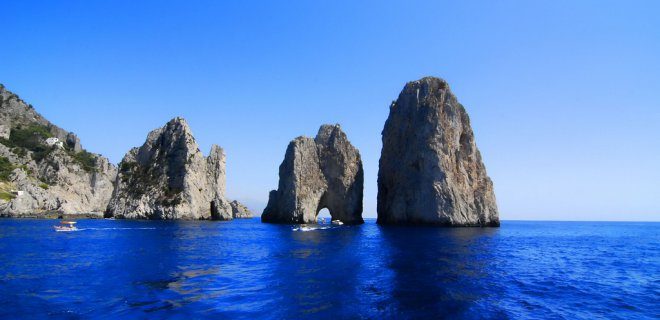
The Faraglioni are three giant rocks that rise suddenly from the sea. They are more than just rocks. These are the iconic jagged towers that characterize Capri’s skyline. The largest is called Stella, then Capriccio and the third smallest is called Deuro.
Why are they important? Because they are the visual anchor of the whole island. Without them, Capri would be nothing more than a rock in the Mediterranean. With them, it is postcard-perfect chaos.
How to see (and why you can’t just take a picture)
Most people take photos on the beach. That’s fine. But it’s lazy.
To truly understand the scale of these formations, you have to be in the water. Boat trips from Marina Piccola or Marina Grande take you directly to the base of the stacks. The water here is so clear that you can see underwater caves and arches. Faraglioni is not only in the water, but also on it. They also have a history.
Stella At the bottom is a small cave that was once rumored to be a hideout for ancient pirates. Today it is a swimming spot for those brave enough to jump in. The water is very cold. The stones are slippery. It’s worth it.
Which boat trips are worth the money?
Not all boat trips are created equal. If you want an intimate experience, Skip the cheap, crowded shuttle boats. Look for small boats that can navigate the narrow passages between the rocks. It costs more, but you avoid the noise of hundreds of other engines.
Find tours that offer:
– Stop at Blue Cave (if you go on the same day)
– Swim and Relax in a sheltered cove
– A travel guide that explains geology, not just gossip
The best time to take photos
If you’re chasing the light, late afternoon is your friend. The sun hits the Faraglioni from the west and turns the limestone into gold. The morning light is flat. Midday is harsh. If you want to take Instagram-worthy photos, wait for the “golden hour”

İtalyanca falez kelimesinden gelir. Dalgaların binlerce yıllık işçiliğiyle şekillenmiş bu dikey kayalar, İtalya kıyılarının en dramatik silüetini oluşturur. Ancak Capri’nin açıklarında, bunlar sadece jeolojik oluşumlar değil. Onlar mitoloji, fotoğrafçılık ve o meşhur La Dolce Vita hissini somutlaştıran üç devasa taş parçasından ibaret. Yazın adaya giden herkesin rotası, işte bu Faraglioni grubu etrafında döner.
Neden mi? Çünkü manzara sadece güzel değil, rahatsız edici derecede etkileyici. Koyu mavi denizin ortadan kalktığı o gri, sivri uçlar, adanın kimliğidir. Burada durup fotoğraf çekmemek, Capri’ye gelmemiş sayılmak gibidir. Ama bekleyin. Sadece kayalara bakmak yetmez. Onların gölgesinde saklanan bir sır daha var.
Faraglioni’yi Neden Görmeniz Şart?
Bu kayalar, adanın güney ucunda, Marina Grande’den yaklaşık 10-15 dakika yürüyüş mesafesindeki bir noktanın ötesinde, denizle buluşur. Ziyaretçiler için en iyi deneyim, bu manzarayı arka planda tutarak, önden doğru fotoğraflamak değil; onlara yakından, belki de tekne turuyla veya bir vaporetto (deniz otobüsü) ile ulaşmaktır.
Nasıl ulaşılır?
Marina Piccola koyundan kalkan teknelere binin. Bu, en klasik rotadır. Sürücüleri, Faraglioni’nin etrafında dönmeyi bilirsiniz. Yüzlerce metre yükseklikteki kaya kütlelerinin altından geçmek, insanı küçülten bir deneyimdir. Rüzgar serttir. Gemi titrer. Ama o an, İtalya’nın en ünlü postkart görüntüsünün tam ortasındasınız.
Ne kadar sürer?
Bu tur genellikle 30-40 dakika kadar sürer. Uzun değil, ama yoğun. Işık açıları her zaman mükemmel olmayabilir. Öğle vakti güneş tepenizdeyken, kayaların yüzeyi dümdüz görünür. En iyi fotoğraflar için, altın saatlerde, yani gün batımından hemen önce veya sabah erken saatlerde gidin. Işık, kayaların pürüzlerini ortaya çıkarır, derinlik hissi yaratır.
Mavi Mağara: Işığın Sihirli Dünyası
Faraglioni’yi gördükten sonra, Capri’yi gerçekten anlamak için denizin dibine inmeniz gerekir. Grotta Azzurra, yani Mavi Mağara. Bu, sadece bir mağara değil. Doğanın kendisinin yarattığı bir ışık oyunu.
Mağara, deniz seviyesinin hemen
Steps to Capri’s Blue Grotto
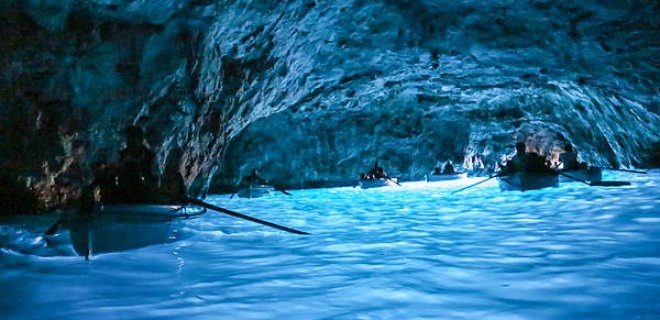
You don’t step into the Blue Grotto. You lie in a fiberglass boat and stare at your knees as your guide pokes you in the chest with a long wooden pole to keep your head from hitting the ceiling. The height of the entrance is only 1 meter. If you are tall, you can easily feel the pressure. The surface of the water was calm, but I had the visceral feeling that I was being pushed into a dark tunnel before the light hit me.
The cave itself is a geological anomaly. It is 54 meters long and dives to a depth of about 150 meters. However, the entrance is very narrow. This size limit determines all access. The internal chamber is about 25 meters wide, so when you enter it feels very spacious, but the bottleneck is unforgiving.
Why the tide determines your schedule
You can’t just show up and swim in. If the entrance is too low, it will often close suddenly due to wave action. You have to time your visit around the low tide. The water level must drop enough for the narrow gap to open. If you miss this window, you will have to wait. On Capri, the feeling of waiting in the sun while other boats circle gets old fast.
The light is the reason you tolerate the squeeze. Sunlight enters through a secondary underwater opening. It passes through seawater and acts as a filter. Red and yellow wavelengths are absorbed. Only blue light reflects off the white limestone floors and walls. The result is an eerie electric turquoise glow. Looks fake. It’s like a movie set. It is purely physics and geology.
Detailed information to make traveling easier
- Time: Go early or late to avoid the worst crowds. Midday is chaos.
- Fees: You pay more than the boat fee. There is an entrance fee to the cave itself.
- Clothes: Come in clothes you don’t mind getting wet. The spray is real.
- Health: Skip this if you are claustrophobic. The guide will push you, There is no negotiation.
The cave is one of the most important tourist attractions on the island of Capri. This is inevitable. You see the signs. You will hear an announcement. But when the light shines in, the sound disappears. The water turns that impossible blue. After floating there for a minute or two, the guide pokes you again to get out.
Arco Naturale: Capri’s natural wonders
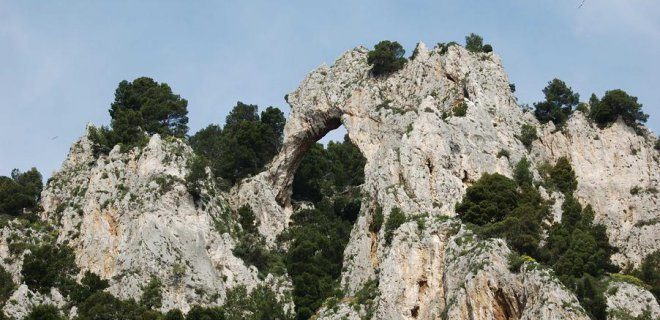
Arco Naturale is located on a plot of land facing the east coast and is much more than just a rock structure. It consists of the ruins of collapsed caves from the Paleolithic era. This natural limestone arch rises 18 meters above sea level. It is 12 meters wide and seems to hang between steep rocks. It has an extraordinary beauty. Visitors recognize it at first glance.
It has become one of Capri’s most symbolic tourist attractions. It’s high on the must-see list.
Monte Solaro
Monte Solaro: Capri’nin En Yüksek Zirvesi ve Gökyüzü Manzarası
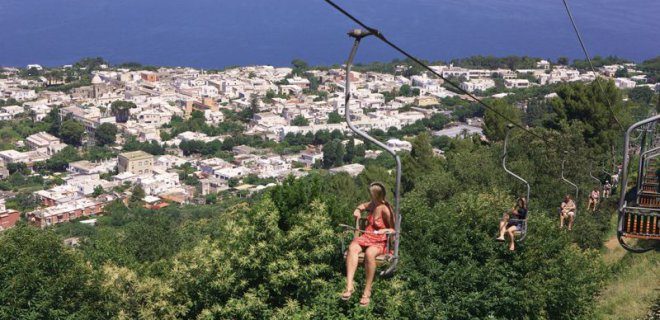
Adanın omurgası Monte Solaro. İtalya’nın Capri adasındaki bu devasa kaya kütlesi, deniz seviyesinden tam olarak 589 metre yükselir. Adanın en yüksek noktası olması tesadüf değil; burası, Napoli Körfezi’ni kuş bakışı izlemenin tek gerçek yoludur.
Neden tırmanmalısınız? Çünkü manzara sadece güzel değil, nefes kesici. Aşağıda kalan mavi koylar ve beyaz evler, tepeden bakıldığında bir tablonun detaylarına dönüşür. Yüzyıllardır yerel ressamları büyüleyen bu görünüm, bugün de aynı etkiyi yaratıyor.
Doğa tutkunları için ise burası bir cennet. Monte Solaro’nun dik yamaçları, dünyanın en hızlı kuşlarından biri olan gökdoğanları (peregrine falcons) barındırır. Bunlar sadece geçici ziyaretçiler değil; adanın ekosisteminin canlı bir parçası. Diğer kuş türleri de bu kayalıklarda yuva kuruyor. Gökyüzünde süzülen bir gökdoğanı izlerken, altınızda Napoli Körfezi’nin mavi uzantılarını görmek, seyahat listenizin en üstüne yazılacak bir deneyim.
Punta Carena Deniz Feneri
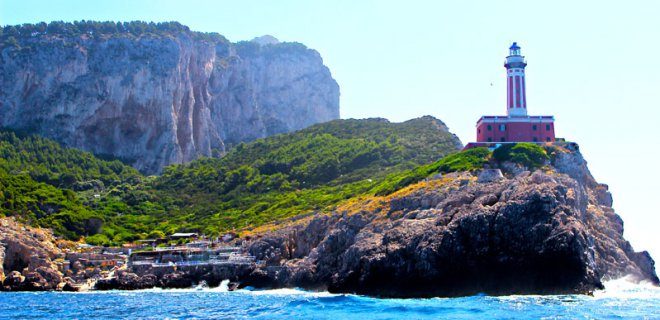
From Faraglioni to the Southwest: the quiet splendor of Anacapri
About 3 kilometers southwest of Anacapri’s busy center, cobbled streets lead to a peaceful spot. Here is the lighthouse. The construction of the building started in 1862 and it emitted its first light five years later in 1867. The 28 meter high octagonal brick tower is still standing despite the strong winds of Capri. The white light flashes every three seconds and guides ships 46 kilometers away. This is not just a technical detail. The lighthouse is part of the historical identity of the area. Visitors stop here to take a deep breath of the sea breeze blowing through the cracks in the rock, but forgot to look at the camera. Almost all visitors take photos here. but why? This may be because light doesn’t just guide ships. It guides time.
Villa Jovis
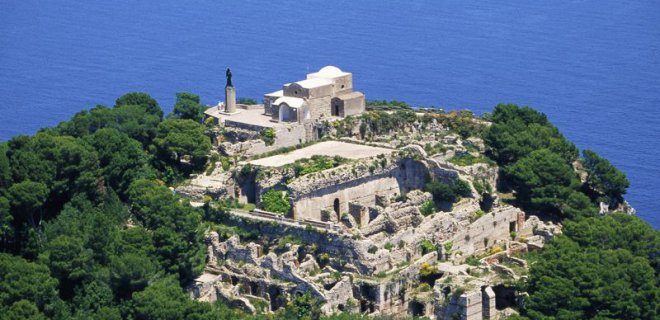
The ruins of the mountain fortress of Emperor Tiberius
High above the island’s main port, atop the highest peaks of Capri’s rugged mountains, is a ruin far more spectacular than a simple villa. This is the largest Roman palace on the island, Villa Jovis. Built on an area of 7,000 square meters, this building is more than just a place to live. It’s a power statement.
Construction began on the direct orders of Emperor Tiberius. The timeline is very precise, between 27 and 37 AD. Its ten-year construction transformed the barren rock island into the center of imperial administration. Today, the roof and luxuries have been removed and it is in ruins, but the ruins are still large. It is widely considered by historians to be one of the most important pieces of Roman architecture in the region.
Demolition of ancient Roman architecture that is still in ruins
When browsing the site, you need to be aware of scale. The remaining stairs and crumbling walls tell of a technology that was decades ahead of its time. The architecture here is clearly Roman, with heavy stone foundations and precise structural design.
For visitors interested in history, this site offers a tangible glimpse into the lives of the early imperial elite. Although the castle walls have fallen into disrepair, they still retain the splendor of those days. This is not a fancy museum exhibit. It’s raw. Walk through the shadows of corridors that once housed servants, soldiers and dignitaries. The layout shows a complex hierarchy where private spaces are separated from administrative spaces.
Practical logistics of the visit
The trip to Villa Jovis is also part of the experience. The place is designed to be remote. Tiberius chose this place for isolation and protection, and this isolation made the trek necessary. Most visitors depart from Grand Marina or Anacapri. The climb is steep. Before reaching the gate, hike along the rugged trail and enjoy panoramic views of the Tyrrhenian Sea and the rest of the island.
Timing is important. The site is exposed. There are no shady trees to block the midday sun. Please bring water. In the early morning or evening, it is best to avoid the heat radiating off the stone radiating from the stones. Entrance fees are low compared to mainland Italian attractions, but prices vary, so be sure to check the latest prices.
Why this site matters now
The value of Villa Jovis does not lie in what remains. The ruins point to this. This shows the extent of Roman power and ability to maintain order in difficult terrain. This building is more than just a palace. It’s a fortress. The thick walls and strategic placement speak of the need for security. Tiberius spent the last years of his life away from Rome, ruling his empire from this rocky place.
The philosophical connection to the park surrounding the place is often overlooked. The landscape itself shapes the story. The winds carry the weight of centuries here. This is a place away from the hustle and bustle of modern travelers.
Comparison with other Capri attractions
Unlike the Blue Grotto, which is a natural phenomenon, and the Villa di Jovis, which is a man-made engineering marvel, the surrounding park offers a different perspective. Natural landscapes complement the ruins. You’re not just looking at a rock. you look at the stone You observe how the stone interacts with the environment. This contrast is what
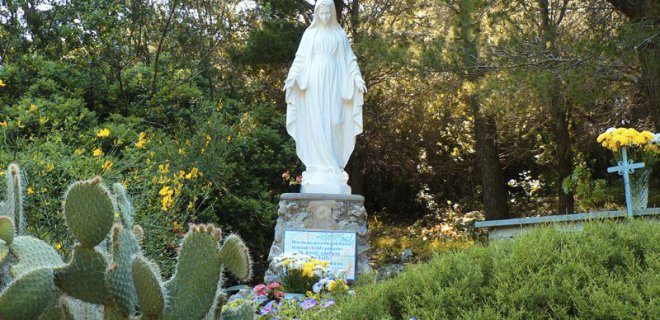
Villa San Michele: Adler-Karlsson’un Taştan Yapılmış Düşünce Bahçesi
Adanın en havalı kısmı olan Anacapri’nin eteklerinde, sakin bir kasabanın gölgesinde gizlenmiş bu yer. İsmi akılda kalıcı: Villa San Michele. Ama burada bakılacak tek şey mimari değil, zemindeki taşlar ve duvarlardaki sözler.
Park 2000 yılında açıldı. Kurucuları, İsveçli bir profesör ve yazar olan Gunnar Adler-Karlsson ile eşi. Onların vizyonu basitti: Doğa ile entelektüel derinliği birleştirmek. Sonuç, dünyanın en sıra dışı “düşünce bahçelerinden” biri oldu.
Neden 60 Filozofun Sözü Burada Asılı?
Parkın ismini almasının nedeni, kapsadığı alana asılmış tabelalar. Tam 60 filozofun sözleri burada yer alıyor. Liste şaşırtıcı derecede geniş. Sokrates’ten David Hume’a kadar uzanan bir düşünce yolculuğu.
“Otantik kayalara ve yeşil alanlara sahip olan parkta dünyaca ünlü filozoflara ait cümleleri okumaktan büyük keyif alacaksınız.”
Bu sadece bir yürüyüş parkuru değil. Her adımda durup düşünmeye teşvik eden bir alan. Kimi cümleler umut verici. Kimisi daha karanlık. Hangi filozofun ne söylediğini bilmek zorunda değilsiniz. Sadece okumak bile, Capri’nin gürültüsünden uzaklaşmanızı sağlar.
Ziyaret İçin Pratik Bilgiler
Park ücretsizdir. Bu, Capri’de nadir bulunan bir ayrıcalık. Şarjlı arabalardan kurtulup, ayaklarınızın sesiyle ilerlemek işe yarar.
- Konum: Anacapri’nin daha sessiz, daha yerel tarafında.
- Maliyet: Giriş ücretsiz.
- Zamanlama: Erken sabah veya geç akşam. Ortası çok sıcak olabilir.
- Neden Değer: 60 farklı görüşün bir arada olması. Sokrates’in “Bilgi yokluktur” sözü ile Hume’un nedensellik üzerine düşünceleri arasında yürümek.
Villa San Michele’nin kendisi de görülmeye değer. Adler-Karlsson’ın koleksiyonları içinde. Ama park, binadan daha kalıcı bir izlenim bırakır. Çünkü sözler, taşın üzerine kazınmışçasına durur.
Bir sonraki durağınız neresi? Şanslıysa, deniz mavisine doğru inen bir patika.
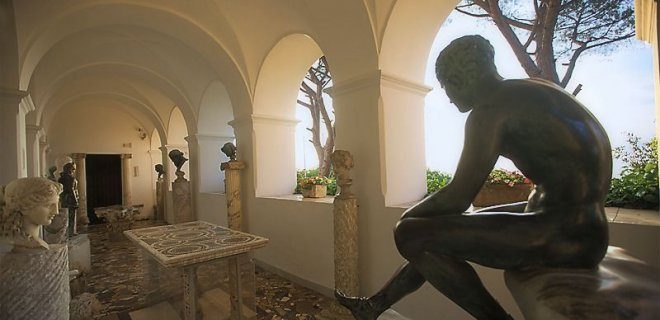
Villa San Michele: Anacapri’nin Zirvesindeki Gizem
Axel Munthe, 20. yüzyılın başlarında bu villayı sadece bir sığınma yerine, bir sanat eseri haline getirdi. İsveçli hekim ve yazarın vizyonuyla şekillenen Villa San Michele, Capri’nin en ikonik noktası olmaya devam ediyor. Deniz seviyesinden tam 327 metre yukarıda, Anacapri ile Capri arasında yer alan Fenike Merdivenleri’nin üzerinde kurulu bu yapı, sizi sadece coğrafi bir yüksekliğe değil, tarihin derinliklerine de taşıyor.
Bahçelerden seyredilen manzara, standart bir tatil deneyimi sınırlarını zorluyor. Capri Limanı, Sorrentine Yarımadası ve Vezüv Dağı, ayaklarının altında uzanıyor. Buradaki hava, aşağıdaki kalabalıktan uzak, daha ağır ve mistik. İçeri adım attığınızda, antik Romadan kalma heykeller ve Mısır’dan getirilmiş sanat eserleri sizi karşılıyor. Bu koleksiyon, Munthe’nin kişisel hayal gücünün ve kültürel merakının bir yansıması.
Neden görülmeli?
Villa San Michele, Capri’nin turistik döngüsünün dışında, daha derin bir hikaye arayanlar için vazgeçilmez. Etkileyici bahçeleri, benzersiz mimarisi ve sunduğu tarihi atmosfer, bölgeden ayrılmadan önce mutlaka görülmesi gereken bir durak. Özellikle gün batımında buradaki manzara, adanın ruhunu en iyi şekilde hissetmenizi sağlıyor. Ziyaret sırasında, antik eserlerin hikayelerini dinlemek için rehberli turlara katılmak, deneyimi bir katman daha derinleştiriyor.
Marina Piccola: Saklı Cennet
Capri’nin ana limanı Marina Grande’den farklı olarak, Marina Piccola daha sakin ve doğa ile iç içe bir atmosfer sunuyor. Koyun turkuaz suları, adanın en temiz ve çekici yüzünü gösteriyor. Burada yüzme yapmak, güneşlenmek veya sadece kıyıda oturup dalgaların sesini dinlemek, adanın sunduğu en basit ama en derin hazlardan biri.
Koya ulaşmak için ya yürüyüş yapar ya da küçük bir tekne turuna katılırsınız. Yol boyunca göreceğiniz kayalıklar ve bitki örtüsü, Capri’nin jeolojik güzelliğini gözler önüne seriyor. Marina Piccola, özellikle hafta içi ziyaret edildiğinde, adanın o meşhur kalabalığından uzak, huzurlu bir mola noktası haline geliyor.
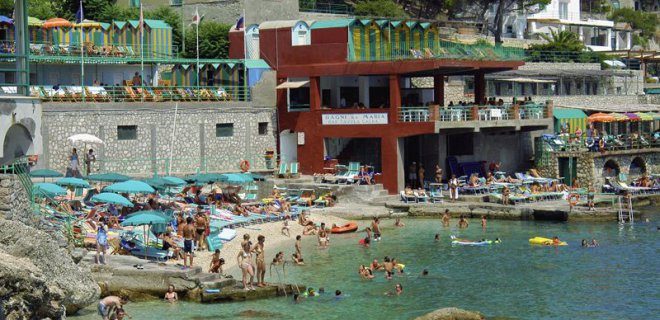
Marina Piccola: velvet rope to the beach
You are standing at the southern tip of Capri. The air smelled of salt, and in the distance could be heard the quiet hum of an expensive engine idling. This is Marina Piccola. It’s more than just a beach. This is a statement.
Shadowed by the Faraglioni (the towering rock stacks that define the island’s skyline), this sandy beach is where the island’s charm meets the sea. If you’re looking for a place to blend in with the water without competing for status, this is the place. Probably the most popular place for honeymooners. They are here for the light, the status and the fact that you can “be” here.
However, “popular” should not be confused with “crowded” in the chaotic sense of the word. This is organized chaos.
Access is difficult. You can take a small ferry from the main marina, but the real secret is that it’s walking distance from the city center. It’s not long, but it’s a steep slope. Wear good shoes. The path along Via Camerelle passes pastel-colored villas and boutiques before descending to the sandy beach below.
Water here? crystal. Instead of the dull green of the north coast, it’s a deep, bright blue that will make you question your decision to book a hotel room rather than live on a boat. The sand is very fine, black volcanic particles. It heats up quickly.
Why are people fascinated by this particular bay?
Because it’s the frames the Faraglioni perfectly. You lie on your towel, the rock hovering behind you like a sentinel. It’s cinematic. That’s why every travel blog shows exactly this angle.
How to get there without wasting your morning:
- Ferry: From Capri Marina, take a lanchetta (private boat) or a small public ferry. It costs a few euros and takes 5 minutes. A boat trip is also part of the experience. You can see the cliffs up close.
- Walking: Start at Via Camerelle. Follow the signs for “Marina Piccola”. It’s a 15-minute descent. The view opens from the middle. Don’t look back until you reach the bottom.
- Time: Go before 11:00 AM. the heat hits. the shade disappears after 1 p.m.
What to expect:
- Prices: An additional fee is charged for beach club lounge chairs and sun umbrellas. You have to pay 20-30 euros per set during the day. It’s steep. This is Capri. Accept it.
- ** Atmosphere:** People sunbathing. Photographers. Couples. You won’t see any noisy party people here. The atmosphere is quieter and more intimate.
- Services: Shower. lockers. A small cafe. No more. Bring your own water. Beach bar prices are high.
Is it worth the hype?
Yes. However, this is not for the sand. The sand is very average. It is also valuable for the setting. The way the light hits the water at dusk is legendary. If you stay on the island for 3 days, you can also spend one evening here. Buy a Spritz. Watch the sunset over Faraglioni. Let the blue fade
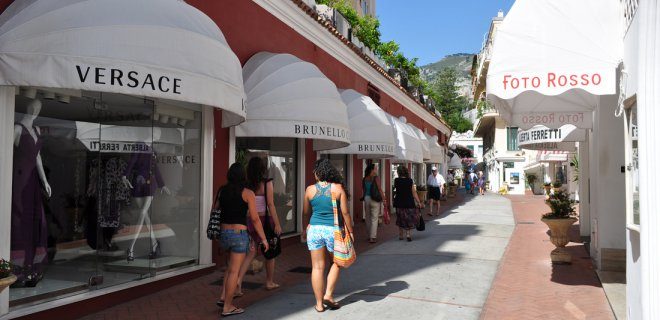
Why Via Camerelle is the heart of Capri
When you arrive on Via Camerellele, the first thing you notice is the noise. No traffic, but the buzz of tourists, the clinking of espresso cups, the sounds of sandals shuffle on stone. This is not just a street. This is the main artery of Capri’s social life.
It is very short, 273 meters long. But don’t let the distance fool you. Here, the history of the island meets a modern, expensive look.
In ancient times it was called Via Anticaglia. The name tells about its age. The ruins are still visible under the pavement. You can see ancient Roman cisterns on both sides of the road. It’s not just a decorative item. These are structural remains of a water system built 2000 years ago. As you pass through them, you pass through layers of time.
Today, those same stones are lined with luxury boutiques. Gucci, Prada, local jewelers stores – all within a few hundred steps. Cafes line the sidewalk. Restaurants has a menu in five languages. It’s chaotic. It’s noisy. This is exactly why you came.
Is it worth the crowd? Yes. But let’s go early. Before the day-trippers arrive from Naples and Sorrento. The light is better. The streets are clearer. You can actually see the old stonework structure before it gets buried under the selfie sticks.
Capri is not just about its cliffs and Blue Grotto. This is that kind of place. History is not behind glass. It’s right at your feet.


