


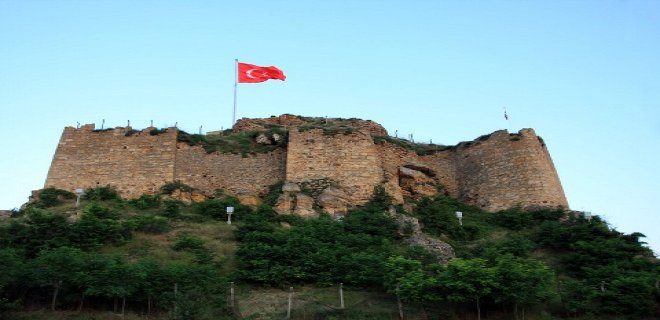
Kastamonu Castle, located in the center of Kastamonu, is more than just a ruin. It’s a reminder. Climb up and step away from the hustle and bustle of modern life into a 12th century stone space. The structure is purely Byzantine. Built as the area changed hands between empires, it was built to against the wind.
Most travelers miss it. they head for the coast. But if you are planning a trip to the Black Sea region, this is the place to stop. The castle’s central location makes it easy to include in your itinerary. No special transport needed. Walk or drive downtown and look up.
Why visit Kastamonu Castle?
It’s not just about the view. It’s about the history. The history of the castle dates back to the 12th century. This is almost a thousand years of wind, rain, war and the test of time. The Byzantine style is clearly visible in the stonework. thick walls. Strategic layout. It was built to withstand sieges. Today it is a place of quiet reflection.
Visitors often ask questions such as: *Is it worth the climb? * Worth it. The effort required is minimal. The rewards are high. Enjoy panoramic views of the city of Kastamonu. Green hills. Urban sprawl. All made of ancient stone. It’s a quiet contrast to the bustling streets below.
How to get there and what to expect
Location is important. The castle is located in the center of Kastamonu. You can’t miss it. If you prefer public transport, local buses stop nearby. Taxis are cheap. Parking is easy if you have a car.
Cost? Free. There are no tickets. You don’t need a guide if you don’t want to. Bring water. The climb is short, but steep in places. Wear comfortable shoes. Stone steps can be uneven.
Timing is important. Go early morning or late afternoon. The light is soft. Shadows stretch long. Perfect for photography. The midday sun can be harsh. Crowds are thin anyway. This is not a tourist trap. This is a local secret.
What makes it unique?
Byzantine architecture is common in Turkey. However, Kastamonu Castle has a special atmosphere. It’s rugged. Raw. Not optimized for Instagram. It’s real. These stones tell the story of the rise and fall of empires. You can feel it.
Many sites have been restored. This one isn’t overly touched. You can see cracks. You can see the wear and tear. It’s authentic. For history buffs, this is a treasure trove. For casual travelers, it’s a quiet escape.
Practical Tips for Your Visit
- Shoes: Non-slip shoes. The stone becomes slippery when wet.
- Time: Reserve 30-45 minutes. There is plenty to explore and absorb.
- Essentials: Carry water. Limited vendors at the top.
- Photography: Golden hour is best. Avoid strong midday light.
- Accessibility: Not suitable for wheelchair users. Steep paths. The terrain is rugged.
Overall picture
Kastamonu is often overlooked. But that’s its power. No crowds. There is no commercialization. Just history and views. The castle is the starting point. Use it to get your bearings in town. Then wander down into the streets.
Visit
Kastamonu Archaeology Museum: insights into its history and heritage
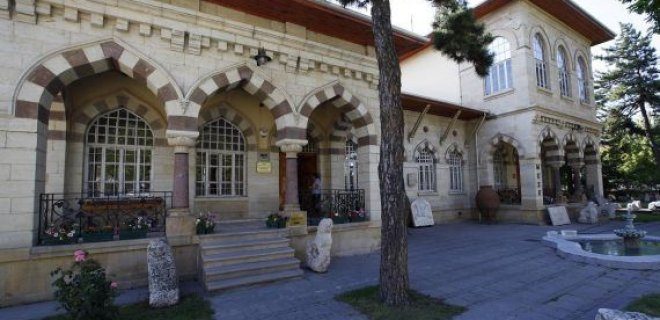
Kastamonu Archaeology Museum Cumhuriyet Caddesi is more than just a repository of ancient stones. It is a physical archive of the area’s ancient history, and includes artifacts found directly from local excavations. If you are following the footsteps of history of this northern Anatolian city, this stop is not to be missed.
The exhibitions cover several centuries. In Kastamonu and its surroundings, you can see remains of tools, ceramics and structures dug out of the ground in various archaeological excavations. These are not just random shards They provide clues about how people lived, built and worshiped in this part of Turkey long before modern borders existed.
However, there is another layer in the collection that is directly related to modern Turkish identity. The museum has personal items that Mustafa Kemal Atatürk used during his visits to the city. These items act as a bridge between the ancient ruins beneath your feet and the founding of the Republic.
Museums don’t just present found objects. Show who formed the modern nations based on these discoveries.
For travelers, the logistics are simple. The museum is located in the city center. You can walk there from the main squares or drive there and park nearby. This is not a large facility that will take all day. You can spend an hour or two admiring the ancient artifacts and view Atatürk’s memorabilia.
These smaller regional museums may have limited hours depending on the season and staff availability, so check their hours before you go. Once inside, however, there is a quiet and respectful atmosphere. This is where you need to slow down.
Why go here? Because Kastamonu is often overlooked on typical tourist routes. This museum focuses on local history not found in Istanbul or Antalya. You understand the special situation of the province. You leave with a clearer picture of the layers of time stacked on top of each other here.
Take a small notebook with you if you like. Labels can be short. You might want to look up the stories behind these items later or ask a local if you strike up a conversation. It adds texture to the visit.
The connections between ancient finds and objects from the time of the Republic are striking. It reminds us that history continues. The people who built these structures in the Bronze Age were the same ancestors who shaped the modern state. As you walk around this one room, you connect the dots.
This is a small stop. But it is important.

About Liva Paşa Konağı
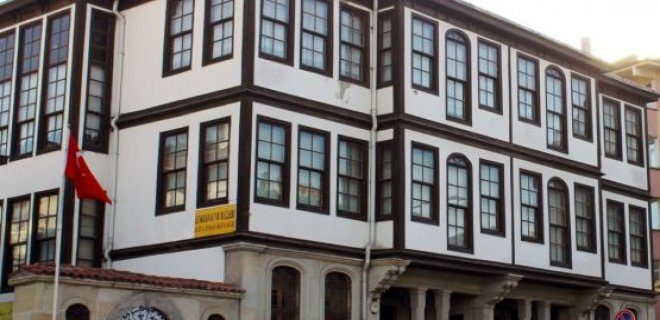
Liva Paşa Konağı Etnografya Müze is more than just a building. A time capsule in the heart of Kastamonu. This Ottoman mansion was built in the 1870s and was once the residence of high-ranking officials. By 1979 it was open to the public. It currently serves as an ethnography museum.
You walk through rooms as if time has stopped. Each room has a special story. You can see local traditional crafts. The collection includes textiles, furniture and daily tools. These are not copies. These are items that Kastamonu’s ancestors actually used.
The architecture itself demands attention. The wooden interior is very refined. You can trace the grain of the wood. You can feel the richness of history. The appearance guides you through the various aspects of local life.
Why visit this particular place in Kastamonu? Because it offers more than just items. It offers context. You see how people live. You can see the social hierarchy. The mansion reflects the status of its original owners. It now reflects the area’s conservation efforts.
The location is central. Easy access from the main square. Suitable for a half-day trip. Combine this with a walk through the historic stone houses nearby.
The manor has tangible connection to the Ottoman era of Central Anatolia.
What will you find inside? Look for detailed woodwork. See woven rugs. Note the cooking utensils. These objects show the craftsmanship of the time. Not mass produced. they are unique.
Is it worth paying the entrance fee? For history lovers, yes. For leisure travelers, this can be done quickly. But the atmosphere is distinct. It’s a quiet hall, so you can take your time. No need to rush to the next landmark. You are observing.
The museum has Kastamonu’s unique collection. You won’t find anything exactly like this in Istanbul or Ankara. Regional focus is key. It highlights the local culture. It preserves what might otherwise be lost.
Timing is important. Visit in the morning. The light hits the wooden boards beautifully. There are relatively few people. You can take your time. Afternoon tours can be crowded. The space is intimate. There are too many people and the atmosphere is disturbed.
The logistics are simple. The building is well maintained. Signage is clear. The staff is often available to answer questions. If you know Turkish, you may be able to get more information. If not, visual storytelling is still effective.
Some rooms are dedicated to a specific craft. You see the weaver’s tools. You can see the instruments of the musicians. It is a comprehensive view of everyday life. It’s not a big event. Everyday moments.
The history of the manor added to the visit. It was a home. It is now a public place. This change is visible in the preservation. The care taken is evident. You can feel respect for the objects.
Does it fit your travel plans? It is a solid anchor in Kastamonu. It balances the outdoor sightseeing. You can escape the weather. You can take a break between walks. Please sit down. You look. you think
The exhibitions change from time to time. Check for special displays. Sometimes there seems to be temporary shows. These can diversify your visit. Keep your collection fresh
Why the woodwork in Mahmut Bey Cam defies gravity
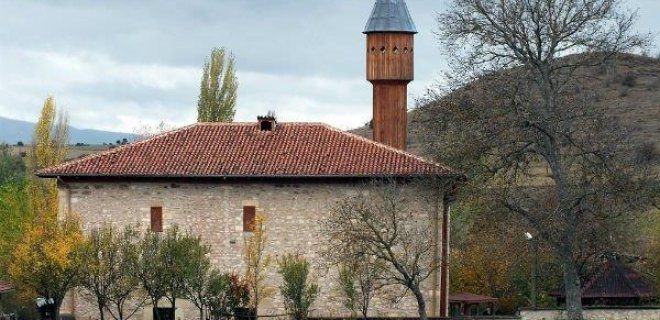
Most people expect to see stone or marble when they pass a mosque. They arrived at Mahmut Bey Camii in Uşak expecting the same, only to find themselves staring at a wooden masterpiece. Built in 1366, this building is a rare survivor of early Ottoman wooden architecture. It doesn’t just look old. It seems impossible.
The special feature here is its construction method. Not a single nail was found to support this roof. The entire building is based on intricate joinery, mortise and tenon connections that have kept the building standing for over six centuries This is a master class in pre-industrial engineering.
The Nail-Free Secret of Anatolian Carpentry
If you are going to visit Uşak, this site is worth an hour. The carpentry is so precise that the blocks stay in place under their own weight. Wind, rain and time have tested these joints and they remain strong.
Why is this important for travelers? Such sites are disappearing more and more. Most of the early Ottoman mosques were either built of stone or completely rebuilt. Wooden ones burned, rotted or were replaced. Mahmut Bey Camii remains intact. This gives a tangible connection to how early architects solved structural problems without using metal fasteners.
What happens when you visit
The interior is simple, but eye-catching. Sunlight streams in through the carved wooden screens, creating geometric shadows on the floor. The air smells faintly of old cedar and dust. It is quiet. Intimate.
Travel logistics:
– Location: Usak, Turkey. Specifically to the city center.
– Entry: Free. It is also Open to visitors outside of prayer times.
– Best time to go: Early morning or evening. That’s when the light hits the woodwork best then. If you’re walking around the city, avoid the midday heat.
– Cost: $0. It’s just your time.
How to find it
The mosque is located in the city center. You can walk there from most hotels in Uşak. Look for signs pointing to historical sites. Its proximity to other landmarks makes it easy to combine with many cultural heritage tours around the city.
Do you think a building without nails is fragile? That’s not true. It feels resilient. More resilient than the steel and concrete we build today. When you stand inside it, you are touching history that refuses to crumble. This is a lesson in patience. And precision. And the quiet power of doing things the hard way.
Kastamonu’ya geldiyseniz, şehirdeki en belirgin izlenimler muhtemelen bu ahşap yapılar olacak. İlçe, bu tarihi konakları sayesinde Türkiye’de farklı bir statüye sahip. Sadece birer ev değil, Osmanlı mimarisinin yaşantı biçimini yansıtan birer müze gibi duruyorlar.
Hangi konakları gezeceğinizin planını yaparken ilk dikkat etmeniz gereken, isimlerin karmaşıklığı. Listeler uzuyor. Ancak hepsini tek tek gezmek zaman alıcı olabilir. Önceliklendirmek gerekir.
Sirkeli, Sepetçioğlu ve Konyalı: Başlangıç için ideal duraklar
Gezmeye Kastamonu Tarihi Konakları arasından en merkezi ve erişimi en kolay olanlarla başlamak mantıklı. Sirkeli Konak, Sepetçioğlu Konak ve Konyalı Konak genellikle ilk durağı oluşturur.
Bu üç konak, şehrin kalbinde veya hemen girişinde yer alır. Logistika açısından en pratik seçenektir. Bir sabah, bu üçünü arka arkaya gezerek başlayabilirsiniz.
- Sirkeli Konak: Genellikle en çok ziyaret edilenlerden biridir. Restorasyonu özenli.
- Sepetçioğlu Konak: Mimarisiyle dikkat çeker. Odalarının düzeni, dönemin yaşam tarzını net gösterir.
- Konyalı Konak: Yine benzer bir kervansaray veya han benzeri yapısıyla tamamlar bu üçlüyü.
Bu üçü, Kastamonu’nun kimliğini anlamak için temel taşıdır. Detaylara inmeden önce bu yapıların ölçeğini ve estetiğini anlamak, sonraki duraklarda daha fazla şey görebilmenizi sağlar.
“Kastamonu konakları sadece duvarlardan ibaret değil. İçlerindeki merdivenler, çıkmalar ve avlular, o dönemin sosyal hiyerarşisini ve aile yaşamını anlatır.”
Osmanlı, Livapaşa ve diğerleri: Daha derin bir keşif
İlk üç konak bittikten sonra, listenin geri kalanına geçmek zaman alır. Çünkü konaklar şehrin farklı noktalarında da dağılmış olabilir. Osmanlı Konak, Livapaşa Konak, Eflanili Konak, Kırkodalı Konak, Mazlumcuoğlu Konak, Ellerzler Konak ve Yücebıyıkların Konak gibi isimler, rotanızı biraz daha genişletmenizi gerektirir.
Burası, “hangi konaklar gerçekten değer mi?” sorusunun cevaplandığı yerdir.
Livapaşa Konak gibi bazı yapılar, daha izole konumda olabilir. Ulaşım için biraz daha dikkat etmeniz gerekebilir. Araç kiraladıysanız sorun yok. Otobüsle veya yürüyerek gidiyorsanız,
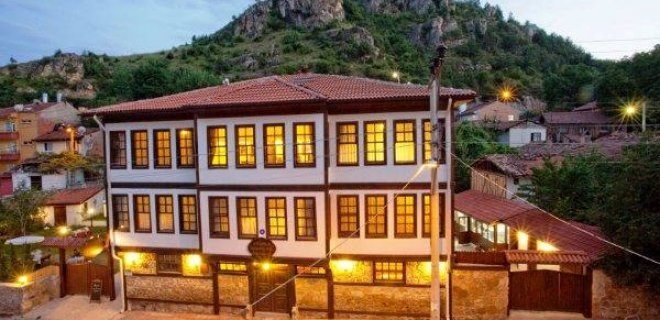
Soak Kastamonu in Ottoman steam
You won’t find modern luxury here. You can find history in the bricks. Kastamonu does not hide its heritage. It absorbs it. The city is full of historic spas dating back five centuries. Most of them were built in the 14th and 16th centuries. They are not just places to wash. They are architectural time capsules.
If you plan to visit Kastamonu’s historic spas, you need a map. They are concentrated in the center of the old town. Let’s start with the big names. Kale Hamami is located near the fortress. This is impressive. Next is the Çifte Hamam. The name means “twins” and its structure reflects this duality.
Frensha Hammam is another destination. It has a quieter atmosphere. Araba Pazarı Hamam is located in the market area. After the negotiations, you can soak after haggling for carpets. Compared to other spas, Yeni Hammam is new. The carries the weight of tradition.
“These baths are not just for cleaning, they’re social centers frozen in time.”
Don’t miss Saray Hamam. Made for the elite. The ceiling is higher. The lighting is softer. Bey Hamam is robust. It feels solid. The entrance to the Ferhat Pasha Hammam is majestic. Dede Sultan Hammam completes the list. Each one has a slightly different temperature. Each one has a different floor pattern.
Logistics matter here. Many public baths have different opening hours for men and women. Check the times before you go. There are fewer people on weekdays. You can really relax. It is very noisy on weekends. You hear echoes. The water is very hot. The steam rises fast.
Which one is worth your time? It depends on your patience. The older ones require more walking. The streets are very narrow. Wear comfortable shoes. The cost is low. You can enter many for the price of a coffee. But the experience is priceless.
You leave feeling heavy. The heat drains you. But my skin feels different. Your muscles unspool. The city slows down around you. Stones breathe. You can see that much of Kastamonu is defined by water and rock.
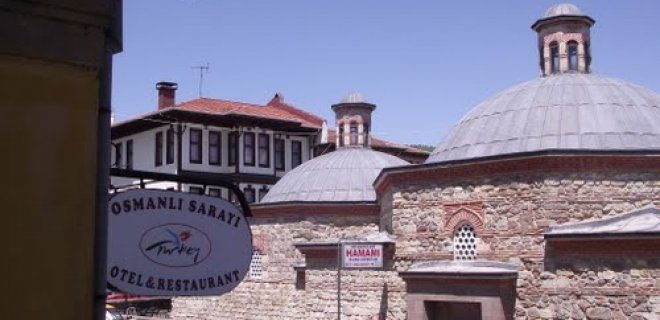
Why Taşköprü’s Pompeipolis still fascinates explorers
If you continue along the Black Sea coast of Turkey, you will probably pass Kastamonu. This region is characterized by rugged mountains and dense forests. But just off the main road, the Tashkopri area is haunted by the ghosts of the Roman Empire. Pompeipolis Antik Kenti is more than just a ruin. This is a moment of pause in history.
This city belongs to the Roman period. The name comes from Pompey. He was a general who stayed here during his campaign against Mithridates VI of Pontus. The city may have been a military outpost or distribution center before its development. Today it sits quietly. You can walk between broken pillars. The outlines of the ancient streets are vaguely visible. The air here gets heavier over time.
How does Pompeipolis differ from other places?
Many ancient Turkish cities have been restored. It is carefully polished for tourists. The police in Pompeipolis were different. Excavation work is still going on. This means that the site is original. It is incomplete. There is no original facade. Instead, modern archaeologists have uncovered several layers of history.
Fragments of the inscription are visible. You can see the foundations of public buildings. You can see the remains of a private house. The lack of extensive restoration is actually its charm. It felt like a find. You feel like you’re seeing what the scientists are seeing.
The location is strategic. Tashköprü is at a crossroads. In Roman times, it was an important link between the interior and the Black Sea ports. The city controlled trade routes. It controls movement. Its fate was tied to larger political changes within the empire.
When should I visit?
Timing is important. Winters in this region are cold and snowy. The road can be difficult. Spring and autumn offer the best conditions. The weather is calm. The landscape is green. Summers can be hot, but the shade of the surrounding forest helps.
Plan a half-day visit. The site is small. It expands. Comfortable shoes are needed. The terrain is uneven. There were stones scattered everywhere. You might trip and fall. You might stumble upon ceramics. It’s part of the experience.
What are the main attractions?
There is no other theater like Ephesus. There is no such extensive library as Pergamon. What you will find is intimacy. The scale is human.
- Marketplace : Find the central square. This is the essence of civic life. Merchants traded here. Citizens often talk here.
- Street : Walk along the old street. You can still see the grooves where carts rolled.
- Public Buildings : Remains of public baths and administrative buildings give clues about everyday life.
- Inscriptions : Many stones are inscribed with Latin and Greek text. They offer words straight from the past.
Logistics and practical tips
Getting there requires a detour. If you are coming from Istanbul or Ankara, Kastamonu is a good base. From there we go to Tashkopri. Follow the signs for the archaeological site. It is well-marked.
Please bring water. There are no shops on site. Take a guide with you if possible. Local experts understand the nuances. they can
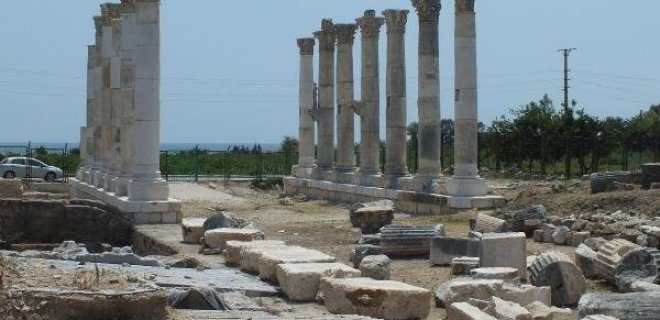
Follow Roman footsteps at Zımbıllı Tepe
If you’re looking for a place that feels more like a piece of natural history than a carefully selected museum, head to Tashkoprju. In this part of Kastamonu province, there is one of the quiet and secluded stories – Zımbıllı Tepe Höyüğü.
This is not just a random pile. The Romans discovered this place in 64 BC. They didn’t just pass by, they stayed. They built it. They established a settlement here and turned the hill into the operational center of their expanding empire. The name höyük itself hints at the layers beneath: You walking over centuries of domestic life, military logistics and finally abandonment, all preserved underground.
The main attraction of this place is not the ornate architecture. There are no towering columns or restored arches. Its value lies in its authenticity. For travelers tired of the crowded ruins of Ephesus or Pamukkale, Zımbıllı Tepe offers something even more unusual: tranquility and scale. Here, with only the wind to for company, you can stand in the ground that held Roman soldiers and traders 2,000 years ago.
Why go here? Because it answers the question of how ordinary people lived outside of the big capital cities under Roman rule. A micro-history lesson on soil and rocks. The reality of logistics is simple. It is a bit of a drive from the main road and requires some effort to get to. But that effort filters out tour buses. All that remains is a real encounter with the past.
“The main attraction of this place is not its ornate architecture. You won’t find towering columns or restored arches.”
Time is important if you want to make the most of it. Early morning or late afternoon light is best for photographing the mounds and understanding the topography. The surrounding area of Taşköprü is also famous for its walnut groves and limestone landscapes, so you can explore the area’s natural beauty while visiting here. This is not a quick stop. This is a detour. But for travelers who value depth more than breadth, this is the place to be.
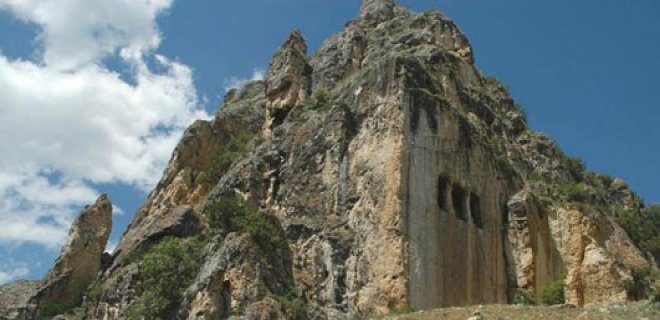
The oldest buildings in Kastamonu: Ismail Bey Külliyesi
The history of Kastamonu is not only written in books. carved in stone. At the top of the list is Ismail Bey Külliyesi. This is the oldest surviving monumental building in the city.
It is architecturally impressive. Although many of the Ottoman-era buildings in the area have been restored or disappeared, the complex has retained its unique medieval character. It wasn’t built in a hurry either. The construction took almost 20 years.
15th century heritage
Dates are important here. This complex was built between 1443-1461.
This places it firmly in the early Ottoman Empire after the conquest of Constantinople. This reflects a time when the region was consolidating its position in the expanding territories of the empire. This architect, whose name is not always highlighted in tourist brochures, chose durability over flash.
For travelers planning a trip to Kastamonu, knowing when this was built can help you understand why it looks the way it does. This is not the ornate extravagance of the tulip era of Istanbul’s later mosques. Make it simpler. Stark. Functional beauty.
What to Expect Inside
When you enter the courtyard, you see more than just a mosque. What you are looking at is külliye, a complex serving the community.
These complexes usually include:
– A mosque
– Religious school (theological school)
– Soup kitchen (Imaret)
– Large public bath (hamam)
– Caravanserai (inn for travelers)
Ismail Bey Külliyesi contains many of these elements, although some structures may have decayed over the centuries. The main mosque is the center. Its dome is simple but majestic against the sky. The mihrab (prayer niche) displays intricate stone carvings that have survived war and neglect.
Practical travel information
Don’t miss this if you are planning a day in Kastamonu. It is very important in understanding the city’s identity.
How to get there:
Located in the city center. It is within walking distance of most hotels in the historic center. If you drive, park your car in a designated parking lot near the market and walk there. The path is narrow, but manageable.
Best time to visit:
Spring and autumn are ideal. This stone holds heat well, so it is very cold in winter. Summers are pleasant, but also busy. The best time to take photos is early in the morning when the light is soft and there are fewer people.
Entry costs:
Usually for free or for a small fee. Check with your local tourist office for any changes. However, historically it has been available to all. No reservation is required.
Duration:
You can visit the main courtyard and the mosque in 30-45 minutes. If you want to explore the surrounding ruins and read the inscriptions, add another hour.
“The silence in the courtyard feels heavier than in other mosques. It’s the weight of five hundred years.”
Why it matters now
Ismail Bey Külliyesi is more than just a relic. This shows the role of Kastamonu as a regional hub. The city wasn’t just a stop
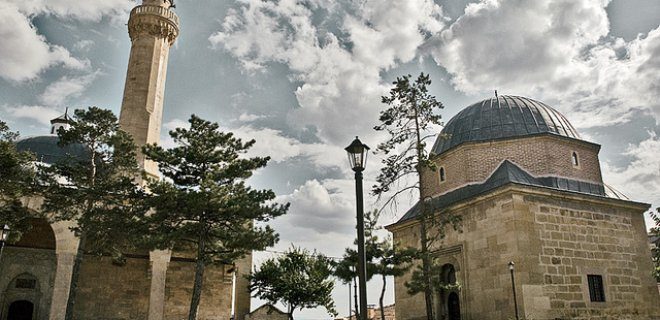
Why Kastamonu’s hidden giants are worth a detour
If your trip ends at the main tourist attractions, you’ll miss the real heartbeat of the area. Forget the idea that you have to travel across a continent to see geological drama. Here in Kastamonu, nature has built two of the world’s largest natural structures right next to the main road, waiting for you.
Çatak Canyon: Scale not shown in photo
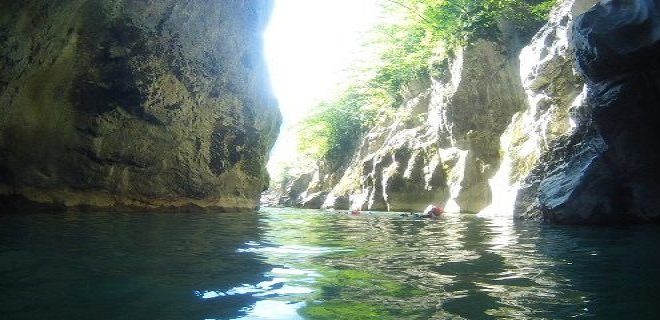
Most people pass through Azdavay on their way to more “famous” places. This is wrong. Çatak Kanyonu is more than just a beautiful place. It is geologically robust.
This is not for the faint of heart or the impatient. Çatak Canyon holds the title of the fourth-largest canyon in the world. In the long run, the steep drop and width of the canyon dwarfs a typical weekend hiking spot. The air gets thinner when you stand on the edge. Silence is heavy.
How big is it?
The depth and length are amazing. The exact gauge varies depending on the source, but being among the four largest canyons in the world means you’re looking at a landscape that has been carved by thousands of years of relentless water pressure. It is raw, rugged and completely indifferent to your presence.
Route logistics:
– Location: Azdavay district.
– Best time to visit: Early morning to avoid the midday heat that would bake the canyon walls, or late fall to see the harsh and beautiful contrast of red rocks and bare trees.
– What to pack: Sturdy boots. The terrain is uneven. Water. Lots of it. There are no sellers on the rim.
– Atmosphere: Feeling of isolation. You might be the only one there. Accept it.
Ilgarini Cave: 4th largest cave in the world
Just a few hours later, the underground’s story changed. If Çatak talks about the sky and water drops, Ilgarini Mağarası tells about the ceiling and scales.
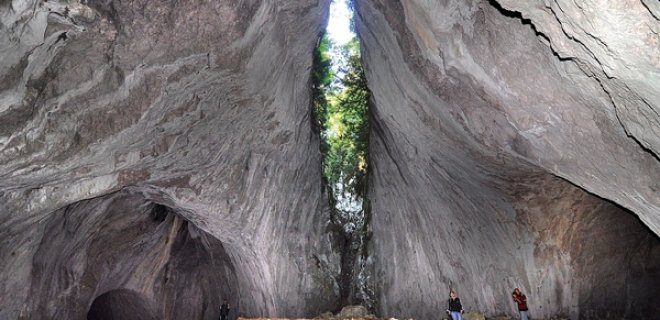
Located in the Pınarbaşı district of Kastamonu, this cave attracts local explorers and international speleologists. It is the fourth largest cave in the world. It’s not just a hole in the ground, it’s a cave-like space where people’s echoing voices disappear into the darkness.
Why travelers go:
It’s not just about the title. This is the experience of walking earth’s interior. The air is cool and steady, full of the smell of wet stone and time.
Key details of the plan:
– Location: Kastamonu, Pınarbaşı.
– Availability: Check local conditions. Cave tourism is sensitive to weather and conservation measures.
– Comparison: While Chatak is an open air wonder, Ilgarini is a closed world. Doing both activities on the same trip will give you complete geological education.
– Cost: Entrance fees are usually low, but check current prices. The real price is the travel time.
– Safety: If you are not an experienced caver, follow the marked path. These spaces can change quickly.
Kastamonu perimeter plan
You don’t have to choose between canyons and caves. They are in the same province. Travel becomes more efficient here.
1.
The real cost of staying in a favela hostel
Most travel guides advise you to stay in Copacabana. We introduce you to white sandy beaches, apartment buildings, imported lattes and much more. Yes, it’s beautiful. It is also expensive and hollow. If you want to feel the pulse of Rio, don’t just visit the favelas. You live in them.
The situation changes when you stay in a favela hostel like Selina Santa Marta or Casa da Favela. You are not a tourist peeking through the fence. You are a guest in someone’s living room. The cost? That’s a fraction of what you’d pay downtown. $25-$40 per night for a bed in an air-conditioned shared dorm with rooftop views better than Ipanema any day. This is not a budget hack. It’s cultural immersion and better Wi-Fi.
The logistics are simple. You can take an Uber or a taxi from the airport or from your previous hostel. Don’t get on the bus. Don’t walk alone. Favelas are safe if you follow the recommendations of organized tours and hostels. Hikes such as Vila Autódromo and Parque da Pedreira require a guide. Group tours are affordable, typically $20-$30, and provide context you’ll never get from a plaque. Why is this wall here? Why is that street paved and that one dirt? Your guide tells you. You listen.
Out of sight: Who really lives here?
It is easy to glorify poverty. ”Shanty chic.” Don’t do it. These are homes. Communities. Economies.
Walking through Rocinha, Rio’s largest favela, feels like walking through a city within a city. There is a bakery. pharmacy. dance studio. The vibrant street art scene rivals that of Berlin. You’ll see murals that comment on politics, race, and survival. They are not decorations. They are statements.
Which is more worth watching? Is it the postcard-like scenery of the Pão de Açúcar or the real-life streets of the Complexo do Alemão? The views are breathtaking. However, the story takes place in reality. Struggle, pride and resourcefulness are not visible from the cable car. You can see this by watching people move through the narrow alleys. Children play football on an uneven surface. The elders sat on plastic chairs and stared at the traffic below.
Food and logistics
Most hostels include breakfast. Pão de queijo. coffee. fruit. Simple. cheap. delicious. I don’t eat lunch at the hostel. You go to the local lanchonete. For $3-$5 you can buy a boxed lunch with marmitex – rice, beans, meat and salad. This is homemade. It’s hot. It’s real.
Moving out of the favela is difficult. Buses are crowded and confusing for outsiders. Taxis are safe but expensive. Uber is your best bet. Very reliable. Drivers know the shortcuts. You will be dropped at the edge of the favela where it is safer to walk.


