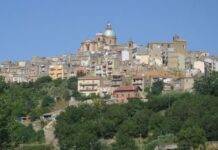
Most travelers head straight for Bordeaux or the Loire Valley. They miss Saintonge entirely.
This region sits in western France. It covers the modern Charente-Maritime département. If you are looking for quiet coastlines and medieval stone, this is where you go. The hub of the area is Saintes, a city with Roman roots and quiet charm.
Who Lived Here First
Long before it was a French province, this land belonged to the Santones. They were a Gallic tribe. Their name gives the region its identity. You can still feel their history in the landscape. It is not flashy history. It is deep. It is in the soil.
A Medieval Power Player
Saintonge did not walk alone through the Middle Ages. It shared its fate with Guyenne and Poitou. These were neighbors. They were also political rivals and allies in turn.
The area was hard to control. Kings fought over it. Lords fought over it. Finally, in 1375, it was definitively incorporated into France. That date matters. It marks the end of a long, messy period of overlapping claims.
Under the Old Monarchy
Fast forward to the 1700s. Before the Revolution of 1789, France was divided into gouvernements. These were major administrative units. Saintonge did not stand alone. It formed a gouvernement with Angoumois. This partnership defined the region’s political structure for centuries.
Why Visit Today?
You might ask why you should detour for Saintonge. Here is the practical reason.
It is peaceful. The coast along the Atlantic offers windswept beaches. Inland, you find vineyards and white stone villages. The pace is slower. The food is local. Think oysters from Marennes. Think cognac from the surrounding areas.
Getting Around
The chief city remains Saintes. It has a train station. Connections to La Rochelle and Cognac are easy. From there, you can drive north to the coast or inland toward Angoulême.
The roads are well-kept. The signs are clear. You will not get lost unless you want to. And in Saintonge, getting lost might just be the point.
What to See
- The Abbey of Saint-Pierre in Saintes : A Romanesque masterpiece. It dominates the skyline. It has survived wars and time.
- The Coastal Villages : Places like Rochefort and La Rochelle (though La Rochelle is often claimed by its own identity, it sits in the broader Saintonge sphere). They offer maritime history and fresh seafood.
- The Vineyards : Walk through the hills. The air smells of earth and grapes. Cognac houses offer tours. Some are free. Some are expensive. All are worth the stop if you like spirits.
The Vibe
Saintonge is not Paris. It is not Nice. It does not try to be.
It is a place of quiet resilience. The Santones are long gone. The kings have left. But the land remains. It is sturdy. It is real.
If you want crowds, go elsewhere. If you want