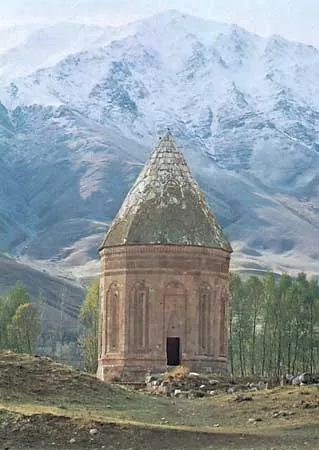
Anatolia was actually the place where Asia handed over the keys to Europe. This peninsula may be known by its Turkish name “Anadolu” or by its classical nickname “Asia Minor”. It is located at the western tip of the Asian continent and borders the Black Sea in the north, the Mediterranean Sea in the south, and the Aegean Sea in the west. When you stand on its shores, you stand on one of the most significant geographic fault lines on the planet. The eastern edge? Generally defined by the southeastern Taurus Mountains.
This land isn’t just scenery. It’s a crossroads. As a bridge between two continents, Anatolia has been a target, a prize and a highway for invaders for thousands of years. The specter of empires rising, ruling and falling hangs in the air here. If you’re planning a trip here, learning about this history isn’t just for academic purposes. This is the difference between seeing ruins and seeing stories.
Ancient layer: Hittites, Phrygians, Persians
Anatolia was a powerful power long before the Ottoman Empire left its last remnants in the region. The Hittites established their kingdom here around 1700 BCE. They were an ancient Near Eastern power that traded with Egypt and clashed with the Assyrians. Their capital, Hattusa, was located in what is now the Central Anatolian Plateau. It’s a stark, windswept place. Walking through these stone walls reveals how remote and defensive the area was for ancient armies.
After the Hittites declined, Indo-Europeans (probably Thracians) moved in and founded the Phrygian kingdom. Phrygia was famous for its riches, mythical kings like Midas, and unique culture. But the geopolitical tectonic plates kept shifting. Until the 6th century BC, the region was ruled by the Achaemenid Persian dynasty. Persian rule was administrative for a long time, and well-developed roads and institutions remained even after the rule.
Then came Alexander the Great. Between 334 and 333 BC, he swept across Anatolia, defeating the Persians and overthrowing the old order. His conquests didn’t just change the map; They Hellenized the area. The Greek language, art, and government began to take root, setting the stage for the next great change.
Roman and Byzantine heritage: moving east
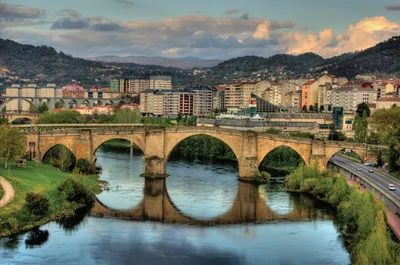
In the 1st century BC, Anatolia was annexed to the Roman Republic. The Romans loved infrastructure. They built roads, aqueducts and theaters to connect the different cities of the peninsula. Ephesus, Pergamon and Antioch became centers of trade and culture. The Roman Empire brought stability, but also tax burden and conscription.
The real turning point came in 395 AD when the Roman Empire collapsed.
Anatolia became the center of the Byzantine Empire. This isn’t Rome anymore.
It was a Greek-speaking Christian kingdom centered in Constantinople (modern day Istanbul). Byzantine Anatolia was a fortress.
For centuries it has withstood wave after wave of attack. The architecture has also changed. It can be seen in the domed churches and monasteries that dot the landscape, from the rocky caves of Cappadocia to the magnificent cathedrals of Istanbul.