


Since the Tata Group reclaimed Air India in late 2021, the airline has been engaged in a massive, multi-billion-dollar effort to modernize its image and service standards. Central to this transformation is a massive investment of over $400 million aimed at refreshing the interiors of its wide-body fleet.
However, what was intended to be a rapid overhaul has hit significant turbulence. Due to persistent global supply chain disruptions, the rollout of these new cabins is moving at a much slower pace than originally promised.
The Retrofit Plan: What is Changing?
Air India is focusing its modernization efforts on its legacy wide-body aircraft, specifically the Boeing 787-8 and Boeing 777-300ER. While the airline is also receiving brand-new aircraft, these retrofits are crucial for upgrading the existing fleet that currently serves long-haul routes.
The upgrade package includes:
* New Seating Products: The introduction of fully flat business class seats with direct aisle access.
* Premium Economy: A new cabin class being introduced across the entire long-haul fleet to cater to the growing demand for mid-tier luxury.
* Enhanced Amenities: Updated In-Flight Entertainment (IFE) systems, improved Wi-Fi connectivity, and refreshed cabin aesthetics.
* Configuration Shifts: To balance passenger comfort with economic viability, seat layouts are being redesigned.
Note on First Class: Air India plans to maintain a First Class cabin on its Boeing 777 fleet, though current plans suggest the Boeing 787 fleet will move to a Business/Premium Economy/Economy model without a First Class tier.
Timeline: A “Glacial” Rollout
The most significant challenge facing the airline is the delay in implementation. Originally slated to begin in mid-2024, the project has been pushed back significantly.
The Boeing 787-8 Rollout
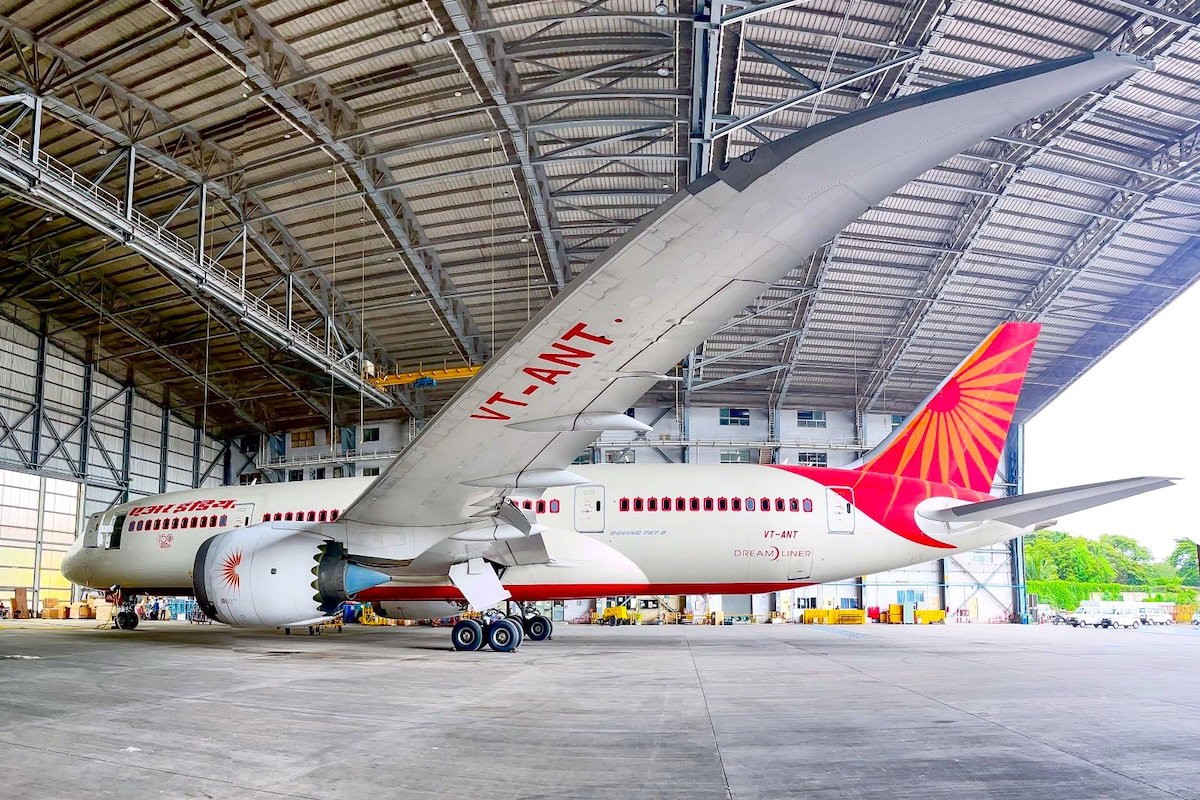
The 787-8 fleet is the first priority. The first retrofitted aircraft (registration VT-ANT ) is expected to enter service on the Delhi (DEL) to London (LHR) route around May 1, 2026.
* Route Expansion: Following the London debut, service will expand to Mumbai (BOM) by June 30, 2026.
* Fleet Completion: All 26 legacy 787-8 aircraft are projected to be updated by July 2027.
* New Configuration: The 787-8 will move from 259 seats to a more optimized 250-seat layout (20 Business, 25 Premium Economy, and 205 Economy).
The Boeing 777-300ER Rollout
The transition for the 777 fleet will follow a later schedule:
* Start Date: Reconfiguration is expected to begin in early 2027.
* Full Completion: The airline aims to have all 13 aircraft updated by October 2028 —provided there are no further supply chain setbacks.
* Interim Measures: In the meantime, some 777s are receiving “soft refreshes,” such as new seat covers and carpets, to improve the passenger experience temporarily.
Navigating a “Hodgepodge” Fleet
While waiting for the retrofits, Air India is managing a highly complex and inconsistent fleet. To bridge the gap in capacity and quality, the airline has utilized several strategies:
- Short-term Leases: Air India has leased high-quality aircraft from other carriers, including former Delta Air Lines Boeing 777-200LRs and Etihad Airways Boeing 777-300ERs. These leased planes often feature superior business class products compared to the aging legacy fleet.
- New Deliveries: The airline has begun integrating Airbus A350-900s. However, because these were originally intended for Aeroflot, they currently feature non-standard interiors that differ from Air India’s long-term cabin vision.
Analysis: The High Stakes of Modernization
This transition is a high-stakes gamble for Air India. The airline is moving from an outdated, often poorly maintained product—characterized by angled business class seats and aging cabins—to a modern, competitive offering.
The decision to introduce Premium Economy is a strategic move tailored to the Indian market, where long-haul travel is frequent and passengers are increasingly seeking a middle ground between standard economy and luxury. Furthermore, the shift in the 777 economy configuration from a 3-3-3 to a 3-4-3 layout aligns with industry standards, though it represents a trade-off in seat width to maintain capacity.
The ultimate success of this $400 million investment will depend not just on the installation of new seats, but on the airline’s ability to maintain them. Historically, maintenance consistency has been a pain point for Air India; for these new cabins to deliver value, the airline must ensure they remain in pristine condition throughout their lifecycle.
Conclusion
Air India is making a massive leap toward global competitiveness through its wide-body cabin upgrades, but the project is heavily hampered by delays. While the new products will significantly improve the passenger experience, travelers will have to wait until 2026 and 2027 to see these improvements on the most common long-haul routes.


