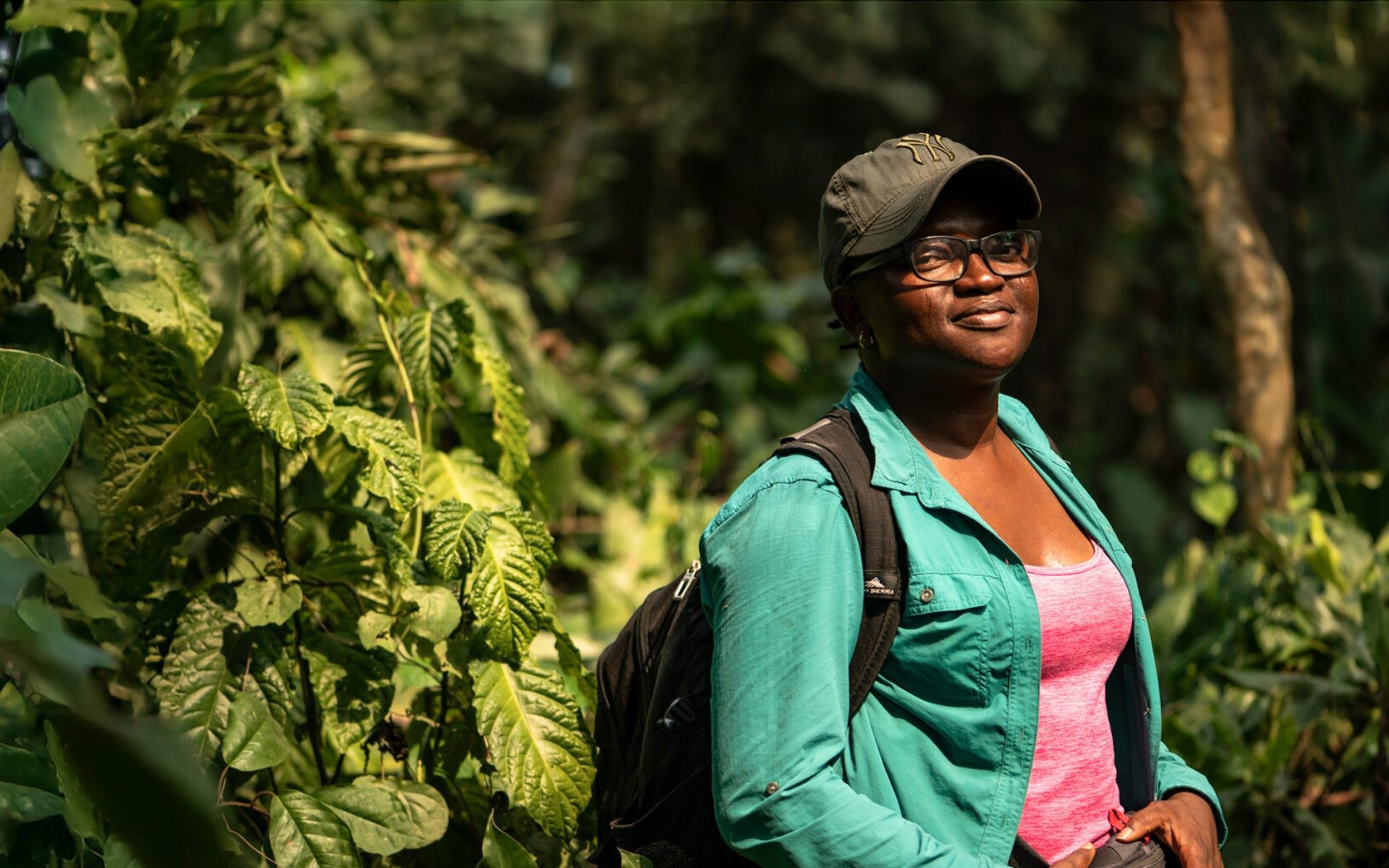
The 2024 Goldman Environmental Prize, widely recognized as the “Green Nobel,” has been awarded to six women from across the globe. In a historic first for the award’s 37-year history, every recipient is female. These grassroots leaders have demonstrated that ordinary individuals can drive extraordinary environmental change, tackling issues ranging from corporate accountability and climate litigation to biodiversity conservation and indigenous rights.
This shift highlights a broader trend in environmental activism: the frontline defenders of the planet are increasingly women who are leveraging legal systems, community organizing, and scientific expertise to challenge powerful industrial interests.
Holding Giants Accountable: Justice for Bougainville
In Papua New Guinea, the legacy of the Panguna Mine—a Rio Tinto project—continues to haunt the island of Bougainville. Operating for 17 years, the mine dumped over one billion tons of tailings into local waterways, decimating ecosystems and contributing to a civil conflict that claimed an estimated 20,000 lives.
Theonila Roka Matbob, 35, an Indigenous Nasioi woman and member of the Bougainville House of Representatives, has dedicated her career to addressing these harms. Growing up near the mine site, she witnessed firsthand how the destruction of the environment led to the “torture” of both the land and its people.
Matbob co-founded an NGO for education and trauma counseling and worked with the Human Rights Law Center to gather testimonies. Her efforts culminated in a landmark human rights complaint against Rio Tinto in 2020. In 2024, this persistence yielded results when Rio Tinto signed a memorandum of understanding to address the environmental and social impacts of the dormant mine.
“It doesn’t mean that we will restore everything as it was,” Matbob said. “I am very very hopeful. There’s always light at the end of the tunnel, and I believe that we will get there, whether it’s in my lifetime or my great-grandchildren’s life.”
Saving the Salmon: The Battle for Bristol Bay
In Alaska, the Bristol Bay watershed—roughly the size of Ohio—is home to the most productive salmon ecosystem in North America. For Yup’ik leader Alanna Acaq Hurley, 40, this land is not just a resource but a cultural cornerstone stewarded by her ancestors since time immemorial.
The proposed Pebble Mine mega-project by Canadian company Northern Dynasty Minerals threatened to destroy this habitat. The project would have required the perpetual storage of 10 billion tons of mining waste and the annual removal of 35 billion gallons of freshwater from salmon spawning rivers.
Hurley helped unite a rare coalition of commercial fishermen, environmentalists, and businesses to oppose the mine. Their collective effort led to a historic veto by the U.S. Environmental Protection Agency (EPA) in 2023.
“It’s just really a testament to the power of the people, we just never stopped until we were heard,” Hurley stated. “At the end of the day, this was a fight for humanity. And for our ability to continue, as humans on this planet.”
Climate Justice as a Human Right: The South Korean Precedent
In South Korea, the climate crisis is increasingly being framed as a violation of constitutional rights. Borim Kim, 31, co-founded Youth 4 Climate Action (Y4CA) after experiencing the deadly 2018 heatwave, which killed dozens of people. She realized that the climate crisis threatened the very safety of her home.
South Korea, the world’s 13th-largest greenhouse gas emitter, relied heavily on coal and natural gas imports, with renewables accounting for only 9% of energy generation in 2023. Kim and Y4CA argued that the government’s inadequate climate response violated the constitutional rights of future generations.
After more than four years of legal battles, the South Korean Constitutional Court ruled in favor of Kim in 2024. The decision mandated that all legislation align with international climate standards, potentially preventing between 1.6 and 2.1 billion tons of CO₂ emissions.
“Youth may be seen as having a lower position in society, but now this decision has affirmed our right to live safely, and the state’s right to protect us,” Kim said.
Preventing Wildfires: Community-Led Conservation in Nigeria
In Nigeria, conservation ecologist Iroro Tanshi, 41, is tackling the threat of wildfires in the Afi Mountain Wildlife Sanctuary. In 2016, she rediscovered the endangered short-tailed roundleaf bat, a species not seen in Nigeria for 45 years. However, two weeks later, a wildfire ignited by nearby farming practices burned through 50% of the park.
Tanshi realized that traditional farming methods, which rely on fire for land clearing, had become unpredictable due to climate-induced changes in rainfall patterns. In response, she launched the ‘Zero Wildfire Campaign’.
Her team studied fire data, implemented early-detection systems, and trained 50 community members as ‘Forest Guardians’. Since 2023, these guardians have patrolled over 2,400 farms and responded to more than 70 fire outbreaks. This initiative has protected both the biodiversity of the Afi Mountains and the livelihoods of approximately 27,000 people.
“Let’s stay nimble, let’s try to work in our small communities and solve those problems there on the ground,” Tanshi advised.
Ending Fossil Fuel Drilling: The ‘Finch Ruling’ in the UK
Despite national commitments to net-zero emissions by 2050, the United Kingdom remains Europe’s third-largest producer of oil and gas. Much of this activity occurs in rural areas like the Weald region of Surrey, where environmentalist Sarah Finch, 62, led a decade-long campaign against the Horse Hill oil development.
Finch and the Weald Action Group argued that the burning of fossil fuels is far more harmful than their extraction. After five years of legal battles that reached the Supreme Court, they achieved a victory in June 2024 known as the “Finch Ruling.”
The ruling shut down operations at Horse Hill and established a new legal precedent: authorities must consider the downstream climate impacts of fossil fuels before granting drilling permissions. This decision has significantly altered the landscape for future fossil fuel projects in the UK.
“It wasn’t just a win on Horse Hill… it was a win against the whole future of the UK oil and gas industry,” Finch said.
Protecting Rivers from Fracking: Courage in Colombia
In Colombia, the Magdalena River is a vital lifeline for biodiversity and local communities. In 2018, an oil spill from Ecopetrol’s Lizama Oil field contaminated the river’s tributaries, killing wildlife and forcing families to relocate.
Yuvelis Morales Blanco, 24, an environmental engineering student at the time, was spurred into action by the disaster. She mobilized a youth movement to campaign against fracking along the river. Her activism came at a high cost; in 2022, she faced physical threats and was forced to seek asylum in France, where she was recognized with the Marianne Initiative for Human Rights.
Blanco’s story underscores the dangers faced by environmental defenders in countries where extractive industries operate with little oversight. Her work continues to highlight the need for strict regulation and protection of vital water sources.
Conclusion
The 2024 Goldman Environmental Prize winners demonstrate that effective environmental action is diverse, local, and increasingly legalistic. From winning landmark court cases in South Korea and the UK to protecting indigenous lands in Alaska and Nigeria, these women are not just protesting—they are reshaping policy, holding corporations accountable, and safeguarding ecosystems for future generations. Their achievements prove that grassroots leadership remains one of the most powerful tools in the fight against climate change and environmental degradation.