


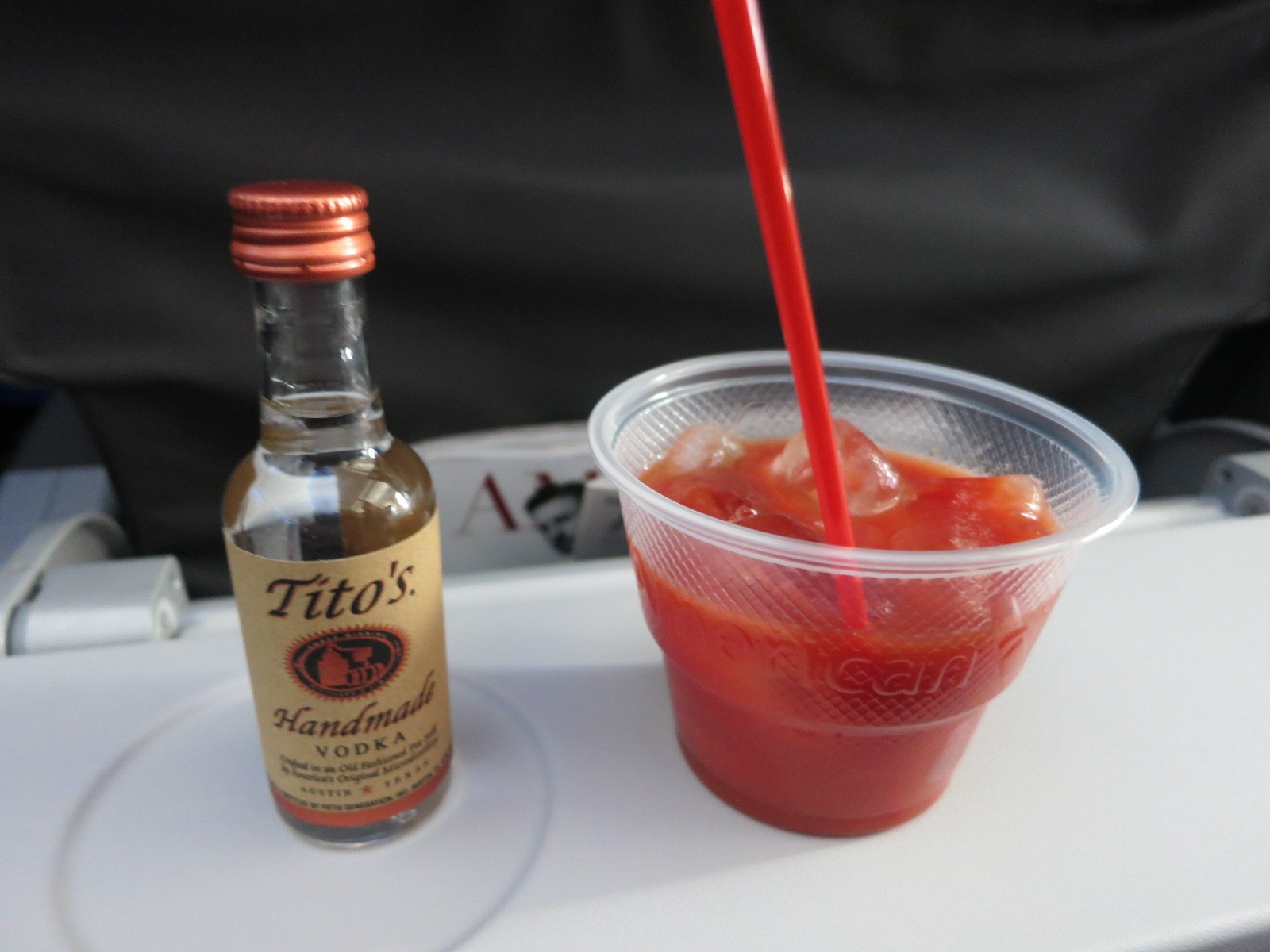
It’s a secret that doesn’t stay secret for long: you can walk the aisles of a United Airlines jet and, depending on the day, watch crew members sip a drink.
They’re not working. They’re just passengers who happen to wear a uniform.
United is the outlier here. Among the major US carriers, only United permits its flight attendants to consume alcohol while “deadheading.” Air Canada allows it too, but Delta? American? Not so much.
The distinction comes down to a few hours of downtime and a specific set of strict rules.
Deadheading: When Crew Are Just Passengers
“Deadheading” is the industry term for flying as a passenger to get from Point A to Point B. You’re not manning an exit door. You’re not serving coffee. You’re just sitting in 34B hoping for an empty seat next to you.
This usually happens when you’re repositioning for your next shift or heading back to your base after a long trip.
But here is the catch: it doesn’t always mean downtime. Sometimes, you deadhead for an hour and immediately board to work the next leg. In those cases, there’s absolutely no booze. Why? Because you’re still on the clock. Your brain needs to be sharp for takeoff.
The alcohol only enters the equation when the deadhead is the final duty of the day.
For example, you finish a 12-hour duty, fly home as a passenger on a long-haul return, and don’t have another assignment scheduled until tomorrow. That’s when United lets crew relax with a beer or a cocktail.
Other airlines see this as a liability risk. United sees it as a morale boost.
The Rules Are Strict
Just because you’re allowed to drink doesn’t mean you’re invited to open-bar chaos. The policy is tighter than you think.
First, you can’t wear the uniform. If you’re sipping a margarita, you better be in jeans and a t-shirt. This isn’t about hiding; it’s about clear separation between “crew member on duty” and “employee on break.”
Second, the door must be shut. And everything must be prepped for departure.
Before that first sip touches lips, the flight must be ready to roll. Why? Because emergencies happen. Systems fail. The crew can change last minute. If a supervisor needs a standby crew member to work a flight unexpectedly, they need you sober, alert, and uniformed.
One reason not to permit this is brand: there’s a long history of not wanting employee to be seen drinking.
If you’re caught drinking while wearing your United tie, you’re violating policy. If you’re caught drinking when you’re supposed to be ready to board, you’re in big trouble.
Brand Image and Safety Concerns
You might ask, why are other airlines so strict?
It’s partly brand. Airlines spend millions crafting an image of professionalism. Photos of pilots mixing drinks in inflight magazines have sparked scandals. Passengers don’t want to feel like they’re flying with hungover crew members. It’s an old-school notion, but it persists.
Then there’s the logistics. With massive route networks, a pilot or attendant disqualified for being too tipsy means a canceled flight. Airlines pay these employees whether they fly or sit deadheading. So why risk a scenario where you suddenly need someone, but they can’t perform their duties?
The cost of a drunk employee far outweighs the cost of a free drink on a long red-eye.
The Reality on the Ground
Let’s be honest. Humans are unpredictable.
I’ve seen flight attendants hide mini bottles of alcohol in the galley just before an FAA inspector boards. It’s risky. It’s against policy. But people do it.
I’ve seen pilots take whole bottles of wine off the plane after a flight. Not a safety issue, technically, but a clear violation of spirit. Stories like these float around the aviation internet endlessly.
Airlines know their workforce is human. Among tens of thousands of employees, there will always be those struggling with addiction. Some will have lapses. Japan Airlines isn’t immune. Neither is United.
That’s why these airlines have safety programs. They encourage crew to seek help without losing their careers. The idea is that if someone is struggling, they can get support before it becomes a safety issue.
But these programs aren’t perfect. They don’t stop everyone. Some hide it. Some break the rules.
So, next time you’re on a United flight and you hear the clink of ice in a glass, remember: that crew member is likely deadheading, wearing street clothes, and waiting for the day to end.
Or maybe they’re just really enjoying the wine.
It’s a small privilege. A tiny crack in the door of airline strictness. And for some, it makes the endless miles of travel just a little more bearable.


