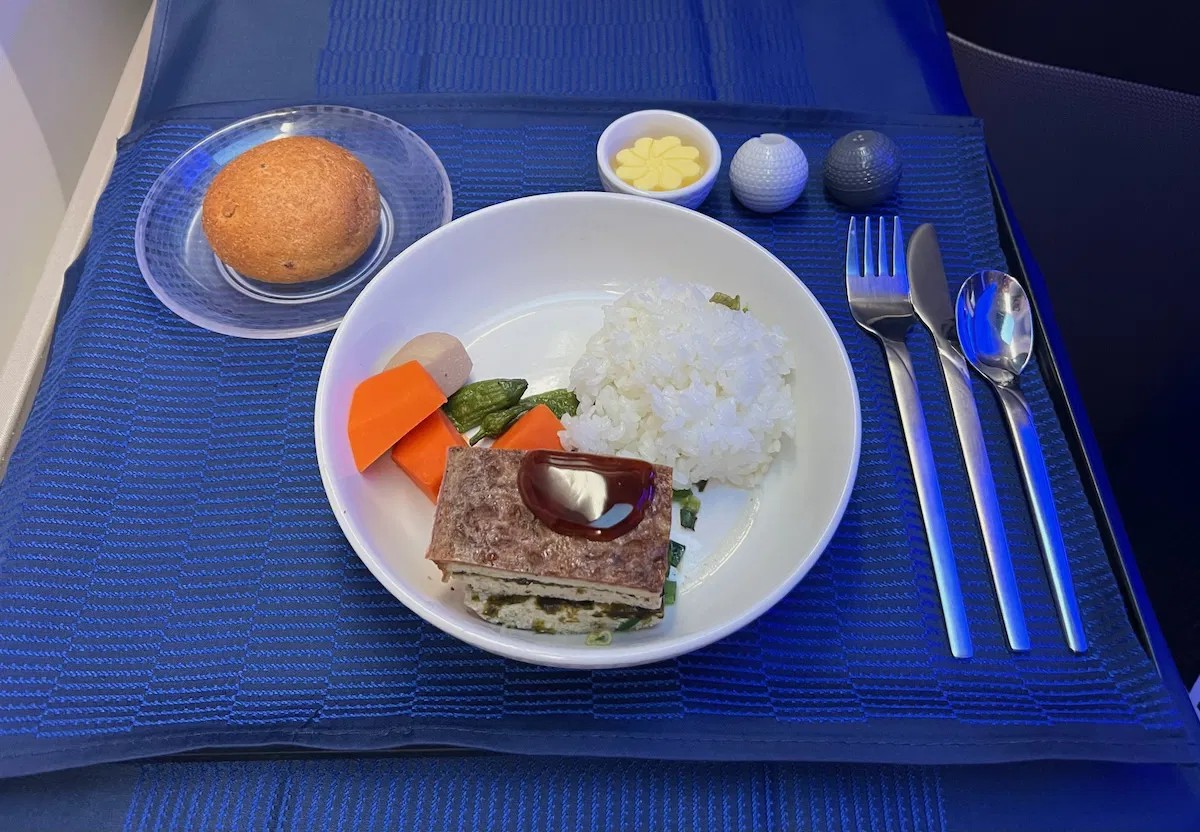
United Airlines CEO Scott Kirby recently revealed he’s never eaten a meal on an overnight transatlantic flight, a detail that sheds light on why the airline’s Polaris business class catering remains a persistent pain point for passengers.
Executive Preferences and Passenger Experience
Kirby’s statement, made during a recent interview, underscores a fundamental disconnect between executive priorities and the passenger experience. While he prioritizes sleep and hydration on long-haul flights, many travelers value a quality meal service as part of their premium experience.
Kirby’s admission reveals a possible reason why catering improvements haven’t been a high priority.
The CEO’s personal preference isn’t unique among airline executives. It’s common for leaders to emphasize aspects of travel that align with their own habits, sometimes at the expense of broader passenger needs. For instance, Korean Air’s notably generous economy class seat pitch is widely attributed to the chairman’s personal height, demonstrating how executive preferences can directly shape product design.
Why This Matters
This isn’t merely about a CEO skipping a meal; it’s about how corporate priorities are shaped. Executives often assume their own experiences are representative of the average traveler. In this case, Kirby’s lack of interest in inflight dining may contribute to the airline’s slow progress in improving Polaris catering, despite documented passenger dissatisfaction.
The Polaris Problem
Despite claims of investment, United’s Polaris business class catering frequently receives negative feedback. The airline has focused on other premium improvements, but the dining experience consistently lags behind competitors. Kirby’s admission suggests this may be intentional, or at least not a blind spot, as executives don’t necessarily prioritize features they don’t personally value.
The issue extends beyond United. Many airlines struggle with balancing cost-cutting with passenger comfort in premium cabins. Executives often default to what they know or prefer, creating product gaps that frustrate frequent flyers.
Conclusion
United CEO Scott Kirby’s refusal to eat on overnight transatlantic flights reveals a potential explanation for the airline’s lagging Polaris catering. Executive preferences significantly influence product development, and when leaders don’t value a feature, it’s less likely to receive the attention it deserves. This highlights how personal travel habits can directly impact passenger experience in the airline industry.