The landscape of American aviation is facing a potential seismic shift. Following years of strict antitrust enforcement under the Biden administration, the incoming Trump administration appears ready to pivot toward a more permissive stance on airline consolidation.
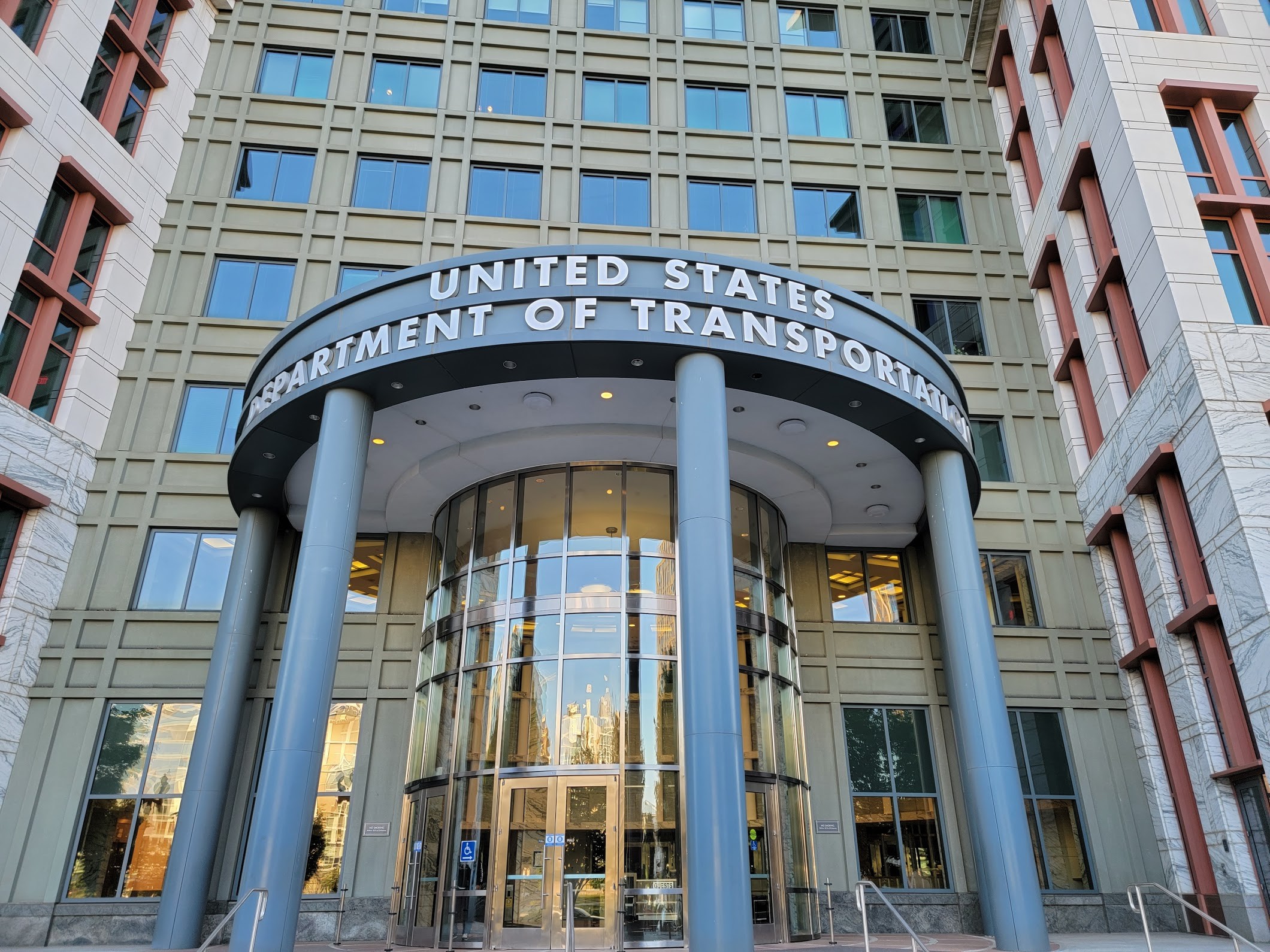
Transportation Secretary Sean Duffy recently signaled this change, noting that “President Trump loves to see big deals happen.” This statement marks a significant departure from recent regulatory trends, where the Department of Transportation (DOT) aggressively blocked attempts at consolidation, such as the failed JetBlue-Spirit merger.
The Current State of Play: A Fragile Market
The impetus for renewed merger activity is driven by the declining stability of smaller carriers.
– Spirit Airlines is currently navigating its second bankruptcy, raising serious questions about its ability to survive as a standalone entity.
– JetBlue is reportedly exploring its own future, weighing the antitrust implications of potentially being acquired by major players like United, Alaska, or Southwest.
For major carriers, the motivation is strategic. United Airlines CEO Scott Kirby has long eyed the benefits of expanding JetBlue’s footprint—specifically its lucrative slots at New York’s JFK and a much-needed presence in the Southeast. While Kirby has expressed caution regarding the complexities of integration and consumer pricing, his history of managing massive mergers (including America West/US Airways and US Airways/American) suggests he is well-positioned to navigate such transitions.
The Regulatory Tug-of-War: DOT vs. DOJ
To understand how these deals might pass, one must understand the complex legal architecture governing US aviation. While the Department of Transportation (DOT) holds the authority to grant antitrust immunity for international alliances, the Department of Justice (DOJ) holds the statutory power to review and block domestic mergers.
This distinction is critical because the two agencies have historically been at odds:
1. Historical Precedent: In the mid-1980s, the DOT approved several major mergers (such as TWA/Ozark) that the DOJ opposed.
2. The Shift of 1989: Congress eventually moved merger review authority to the DOJ, fearing the DOT was too permissive of consolidation.
3. Current Dynamics: While Secretary Duffy does not hold the final legal authority to block a domestic merger, his influence is undeniable. He will be a central figure in the discussions that shape the administration’s policy.
Politics and the “Big Deal” Mentality
The shift in tone is not merely regulatory; it is deeply political. There is a visible effort by industry leaders to align with the new administration’s priorities. For instance, United’s Scott Kirby has notably pivoted his corporate messaging to align with the current political climate, a move many analysts view as a strategic effort to facilitate future growth.
Furthermore, the recent departure of the Assistant Attorney General for Antitrust has left the DOJ’s antitrust division under acting leadership. This leadership vacuum, combined with a White House that prioritizes “big deals,” creates a window of opportunity for airlines to propose consolidations that would have been unthinkable a year ago.
What to Watch For
As the administration settles in, the focus will shift from theoretical openness to actual proposals. Secretary Duffy has framed the criteria for future approvals around three key pillars:
– Competition: Will the deal stifle or enhance market dynamics?
– Consumer Impact: How will this affect ticket pricing and service?
– Global Competitiveness: Will larger, merged entities allow American airlines to better compete on the world stage?
Conclusion
The era of aggressive antitrust blocking in the airline industry may be ending. If the Trump administration prioritizes large-scale corporate deals and global competitiveness, the US aviation market is likely headed toward a period of significant consolidation.