The travel sector is undergoing rapid changes driven by both technological advancements and external pressures. This week’s headlines highlight a blend of innovation, economic realities, and operational adjustments.
Climate Change Drives Rising Costs
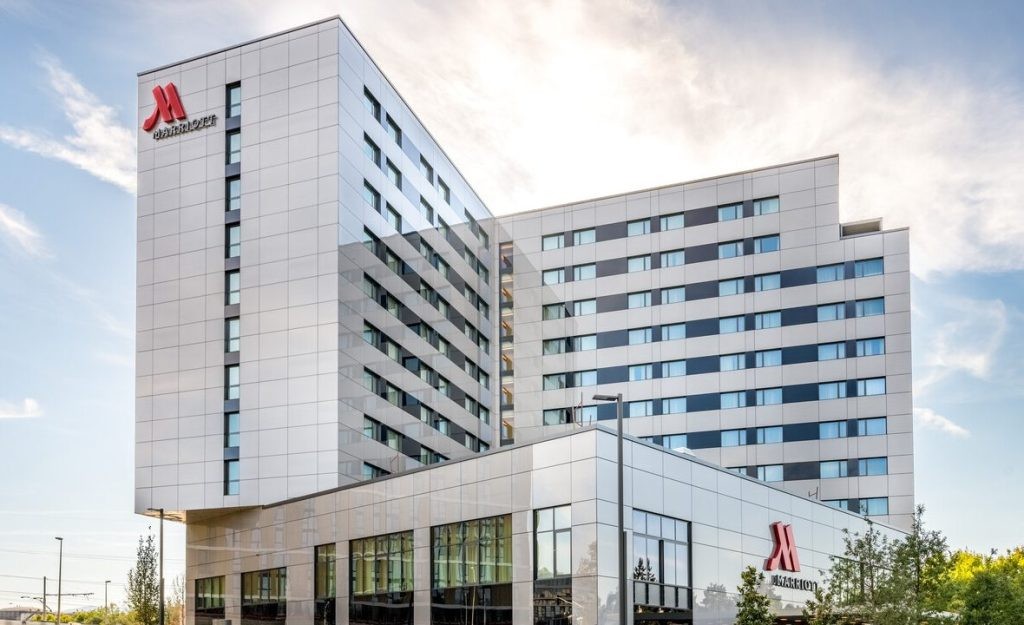
Marriott International has publicly acknowledged that climate change and extreme weather events are escalating operational expenses. This isn’t just about rising insurance premiums; it’s a fundamental shift in risk assessment that will reshape how travel companies budget and invest. The trend is clear: unpredictable weather patterns mean more frequent disruptions, higher maintenance costs for storm-damaged properties, and potentially limited access to certain destinations. This will likely translate into higher prices for consumers and a greater emphasis on sustainable tourism options.
The AI Illusion vs. Real Tech Transformation
Airlines and travel brands are clamoring to integrate Artificial Intelligence (AI), but many are realizing that simply adding AI “add-ons” to outdated systems won’t deliver meaningful results. True progress requires overhauling core platforms from the ground up. Airlines that prioritize an AI-first approach can operate proactively, personalize customer experiences at scale, and minimize operational friction. This means more than chatbots – it means predictive maintenance, optimized pricing, and real-time disruption management.
Spirit Airlines Reinstates Staff Amidst Fleet Adjustments
Spirit Airlines is recalling 500 previously furloughed flight attendants just as peak spring travel approaches. The airline initially laid off around 1,800 flight attendants last year, so this is a partial recovery but still indicates the volatility of staffing in the sector. Simultaneously, Spirit plans to sell off aircraft, suggesting a strategic recalibration of its fleet in response to market demands or financial pressures.
Hyatt Doubles Down on Asset-Light Strategy
Hyatt Hotels is nearing the completion of its major real estate sell-off. The company is now focused on maximizing fee-based revenue rather than direct property ownership. This is part of a broader industry trend where hotel chains prioritize management and franchising contracts over owning physical assets, offering higher margins and scalability.
New AI Booking Platform Challenges Google
Sabre, PayPal, and Mindtrip have partnered to develop an AI-powered travel booking platform that integrates directly into AI chat interfaces. This represents a direct challenge to Google’s dominance in travel search and booking. The move indicates that travel companies are determined to control the next wave of distribution – ensuring they aren