The travel sector is undergoing rapid changes, from aggressive expansion by budget chains to high-end brands prioritizing sustainable growth and even proposals for radical restructuring of airport security. Here’s a breakdown of key developments:
B&B Hotels Expands Across Europe
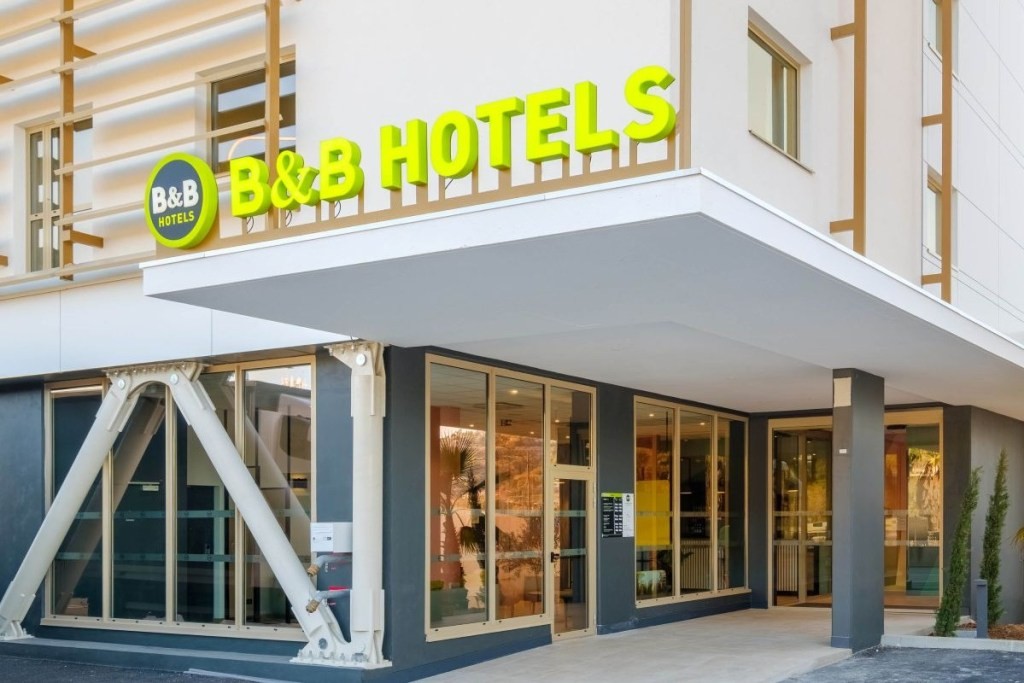
Budget hotel chain B&B Hotels is aggressively scaling its presence across Europe, signaling a continued appetite for low-cost lodging options. While expansion is moving quickly on the continent, the U.S. market remains a different story. This likely reflects differing real estate costs, market saturation, and consumer preferences between the regions.
MSC Cruises Integrates Marine Research into Alaskan Voyages
MSC Cruises is leveraging its first Alaskan cruise season as a platform for marine research. The company is studying how to minimize operational impact on high-density wildlife areas, particularly whale migration routes. This approach highlights a growing trend in sustainable tourism, where operators proactively integrate ecological monitoring into their business models. Alaska’s appeal rests heavily on its pristine environment; protecting that is now a business imperative.
Montage Prioritizes Deliberate Luxury Growth
Luxury brand Montage is adopting a slower, more controlled growth strategy. The focus is on preserving service quality and brand exclusivity—a stark contrast to rapid expansion seen in budget travel. This suggests a belief that long-term value is built through consistency rather than volume.
Trump Administration Considers TSA Privatization
In response to frequent government shutdowns and resulting airport chaos, the Trump administration is pushing for privatization of the Transportation Security Administration (TSA). Recent shutdowns led to extended security wait times due to staffing shortages, prompting calls for a more reliable model. Privatization is presented as a solution to ensure consistent funding and staffing, though the move raises concerns about cost, quality of service, and potential security vulnerabilities.
Agentic AI: The Future of Travel Booking?
Agentic AI tools promise to streamline travel planning by combining research, itinerary creation, and booking into a single conversational interface. However, widespread adoption hinges on consumer trust in AI-driven recommendations and data security. The technology could disrupt traditional travel agencies but faces hurdles in convincing travelers to relinquish control over their booking processes.
In short, the travel industry is balancing expansion, sustainability, efficiency, and automation. From budget chains to luxury brands and government agencies, the focus is on adapting to changing consumer demands, ecological pressures, and technological advancements.