Travelers flying within the United States are facing a new layer of unexpected costs. Following a recent rise in ticket prices, two major domestic carriers—JetBlue and United Airlines —have implemented significant increases to their checked baggage fees.
The New Pricing Structures
The recent adjustments vary depending on the airline, how far in advance you book, and whether you are traveling during peak periods.
JetBlue’s Adjustments
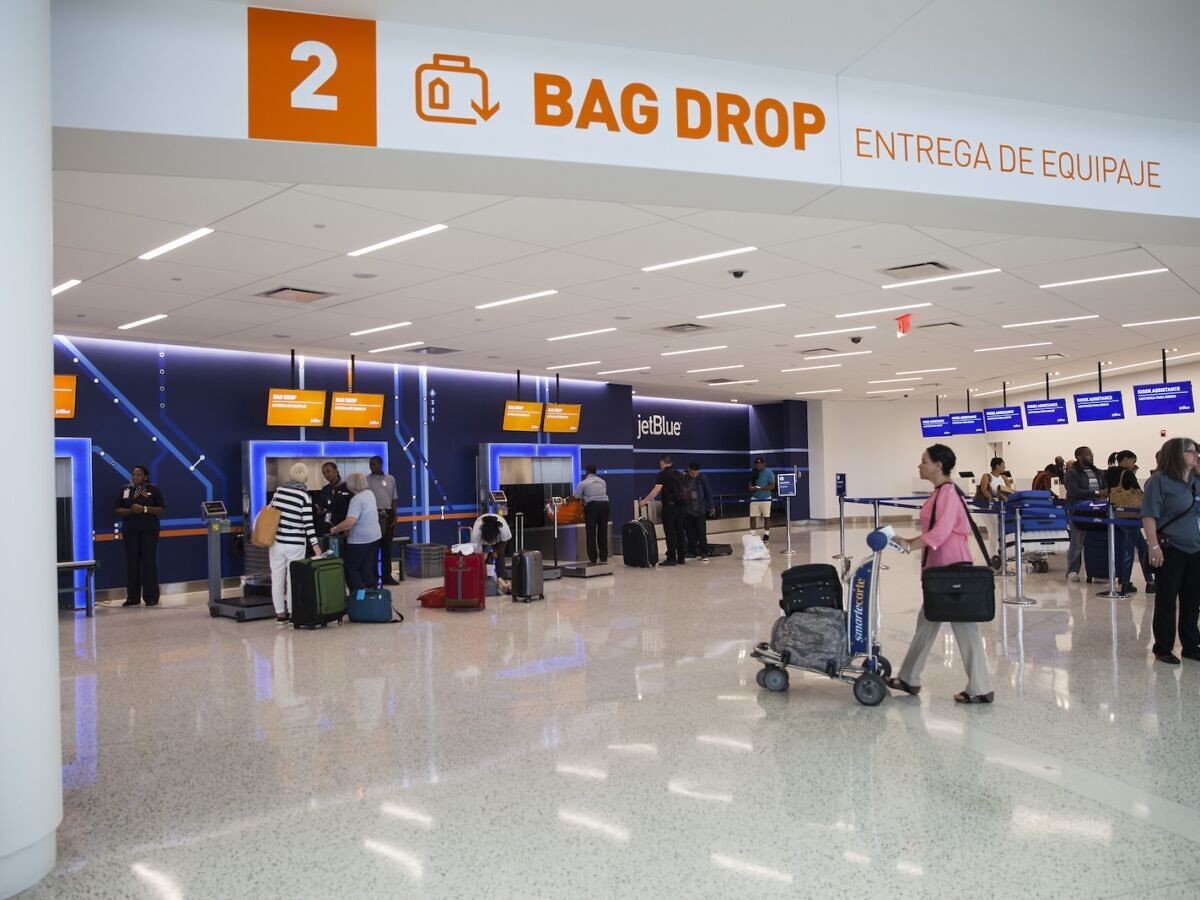
JetBlue was the first to announce changes, with fees increasing by approximately $4 to $9 per bag. The new pricing tiers are as follows:
* First Checked Bag: $39 (increasing to $49 during holidays or peak weekends).
* Second Checked Bag: Between $50 and $59 ($60 to $69 during peak dates).
* Last-Minute Fees: If bags are checked less than 24 hours before departure, the cost jumps to $49–$59 for the first bag and $69–$79 for the second.
United Airlines’ Adjustments
United followed suit shortly after, raising fees by roughly $10 for tickets purchased from April 3 onwards.
* First Checked Bag: $45 if paid in advance; $50 if checked last-minute.
* Second Checked Bag: $55 if paid in advance; $60 if checked last-minute.
The Catalyst: Volatile Fuel Markets
Both airlines have explicitly linked these price hikes to the surge in jet fuel costs. This volatility is largely driven by geopolitical instability in the Middle East.
The financial impact on the aviation sector is massive. Fuel typically accounts for 25% to 30% of an airline’s total operating expenses. According to industry reports, the CEOs of United, Delta, and American Airlines noted that rising fuel costs added approximately $400 million to their combined operational expenses following recent military escalations in the Middle East.
Why Airlines Target “Ancillary Fees”
You might wonder why airlines don’t simply raise the base price of a ticket. There is a strategic reason behind this:
By increasing “ancillary fees”—such as baggage, seat selection, or Wi-Fi—airlines can recoup costs without immediately impacting the “sticker price” of a ticket.
This approach allows carriers to keep their base fares competitive in search engines and travel booking sites, making them appear cheaper than competitors while still extracting higher revenue from each passenger during the checkout process.
A Growing Global Trend
While JetBlue and United are the first major U.S. players to move on baggage fees, the pressure of high fuel costs is being felt worldwide. The industry is seeing a variety of defensive maneuvers:
* Direct Price Hikes: Qantas has already begun raising ticket prices.
* Reduced Capacity: Executives at Lufthansa and Ryanair have signaled that they may be forced to reduce flight schedules to manage the price crunch.
As fuel prices remain unpredictable, analysts suggest that more airlines may eventually turn to baggage and service fees to protect their profit margins.
Conclusion
Driven by soaring jet fuel prices linked to Middle East tensions, airlines are increasingly using baggage fee hikes as a way to offset operational costs without raising base ticket prices. This trend suggests that travelers should prepare for more expensive “add-on” costs throughout the upcoming travel season.