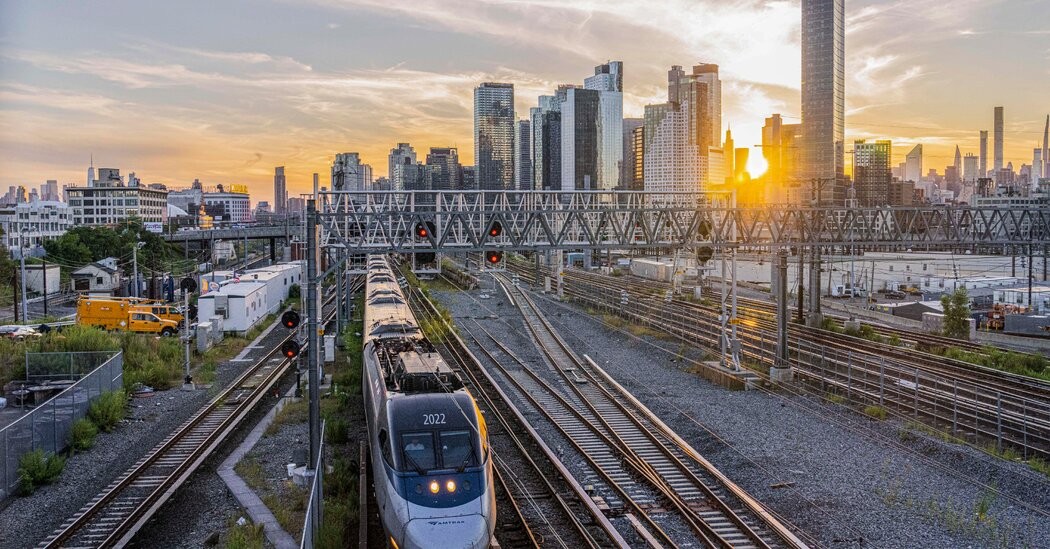
Amtrak fares are climbing to the point where, in some cases, flying is cheaper and faster. This trend is hitting travelers like Leah Goodridge of New York, who recently found a round-trip train ticket to Washington D.C. costing $572, while flights were significantly less.
The Rise of Dynamic Pricing 📈
Amtrak has increasingly adopted dynamic pricing – a system common in the airline industry – that adjusts fares based on demand and booking time. This means that last-minute or flexible travelers face much higher costs, while those who plan well in advance can secure lower rates. While dynamic pricing is designed to optimize revenue, it raises questions about accessibility and fairness.
Why This Matters 🤔
The shift towards higher Amtrak prices is notable for several reasons:
- Trains as a Sustainable Alternative: Many passengers, like Goodridge, choose trains over planes to reduce their carbon footprint. Higher fares undermine this incentive.
- Competition with Airlines: When train travel becomes more expensive and slower than flying, it weakens the case for rail as a viable transportation option.
- Equity Concerns: Dynamic pricing can disproportionately affect those who cannot plan far in advance, such as business travelers or those dealing with unpredictable schedules.
The Bigger Picture 🌍
Amtrak’s pricing strategy reflects broader trends in transportation:
- Post-Pandemic Travel Demand: As travel rebounds, demand for rail (and air) has increased, allowing companies to raise prices.
- Infrastructure Investment: While the U.S. is investing in high-speed rail, these projects are still years away from widespread availability. In the meantime, Amtrak’s existing network faces capacity constraints and outdated infrastructure.
- The Future of Mobility: The debate over train vs. plane pricing highlights the need for policies that prioritize sustainable and affordable transportation options.
In conclusion, Amtrak’s higher fares are forcing travelers to reconsider their choices. If rail cannot compete on price and convenience, it risks losing passengers to airlines, undermining efforts to promote a more sustainable transportation system.