


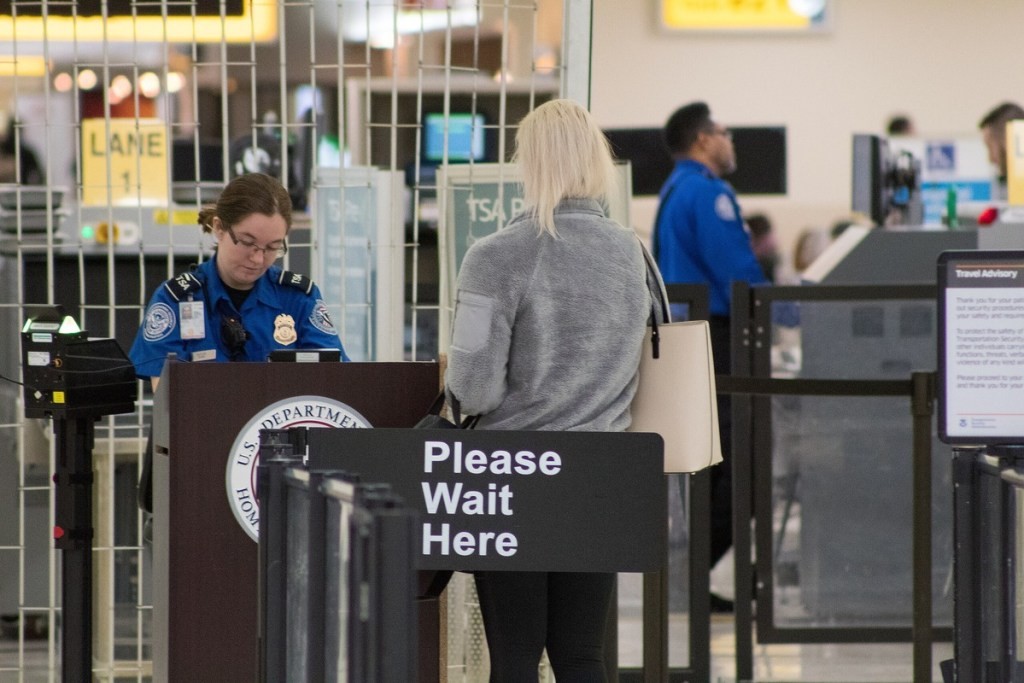
The travel sector is undergoing rapid changes, marked by stricter identification requirements, a surge in artificial intelligence (AI) adoption, and growing vulnerability to extreme weather events. These trends collectively reshape how people move, how companies operate, and how destinations prepare for the future.
TSA Real ID Enforcement: A New Travel Barrier
Starting soon, the Transportation Security Administration (TSA) will charge flyers $45 if they cannot present a Real ID-compliant driver’s license or a valid passport. This move aims to strengthen security but adds a financial hurdle for travelers, particularly those unaware of the new rules. The policy is designed to align with post-9/11 security standards, which require verifiable identification for domestic air travel.
AI Takes Center Stage at Expedia
Expedia Group has appointed Xavier Amatriain, a former Google Vice President, as its first Chief AI and Data Officer. This signals a major commitment to integrating AI into the core of its operations. Expedia intends to leverage AI for personalized travel recommendations, optimized pricing, and improved customer service. The move highlights the industry’s growing belief that AI is not just a tool, but a competitive necessity.
World Cup 2026: Tourism Boost for the U.S.
The United States is pinning hopes on the 2026 FIFA World Cup to revive international tourism. After a slow year for inbound travel, the tournament is expected to draw millions of visitors, injecting significant revenue into local economies. The success of this strategy hinges on effective infrastructure planning and marketing campaigns to capitalize on the event’s global reach.
Hurricane Melissa Exposes Caribbean Vulnerability
Hurricane Melissa has forced the closure of at least 26 resorts in Jamaica, disrupting the peak tourism season and exposing the fragility of Caribbean destinations to extreme weather. The incident underscores the urgent need for climate resilience measures, including improved infrastructure, disaster preparedness protocols, and sustainable tourism practices. Ignoring these risks will only lead to more frequent disruptions and economic losses.
The convergence of stricter travel policies, AI-driven innovation, and climate-induced disruptions defines the new reality for the travel industry. Businesses and travelers alike must adapt to these changes or risk being left behind.


