


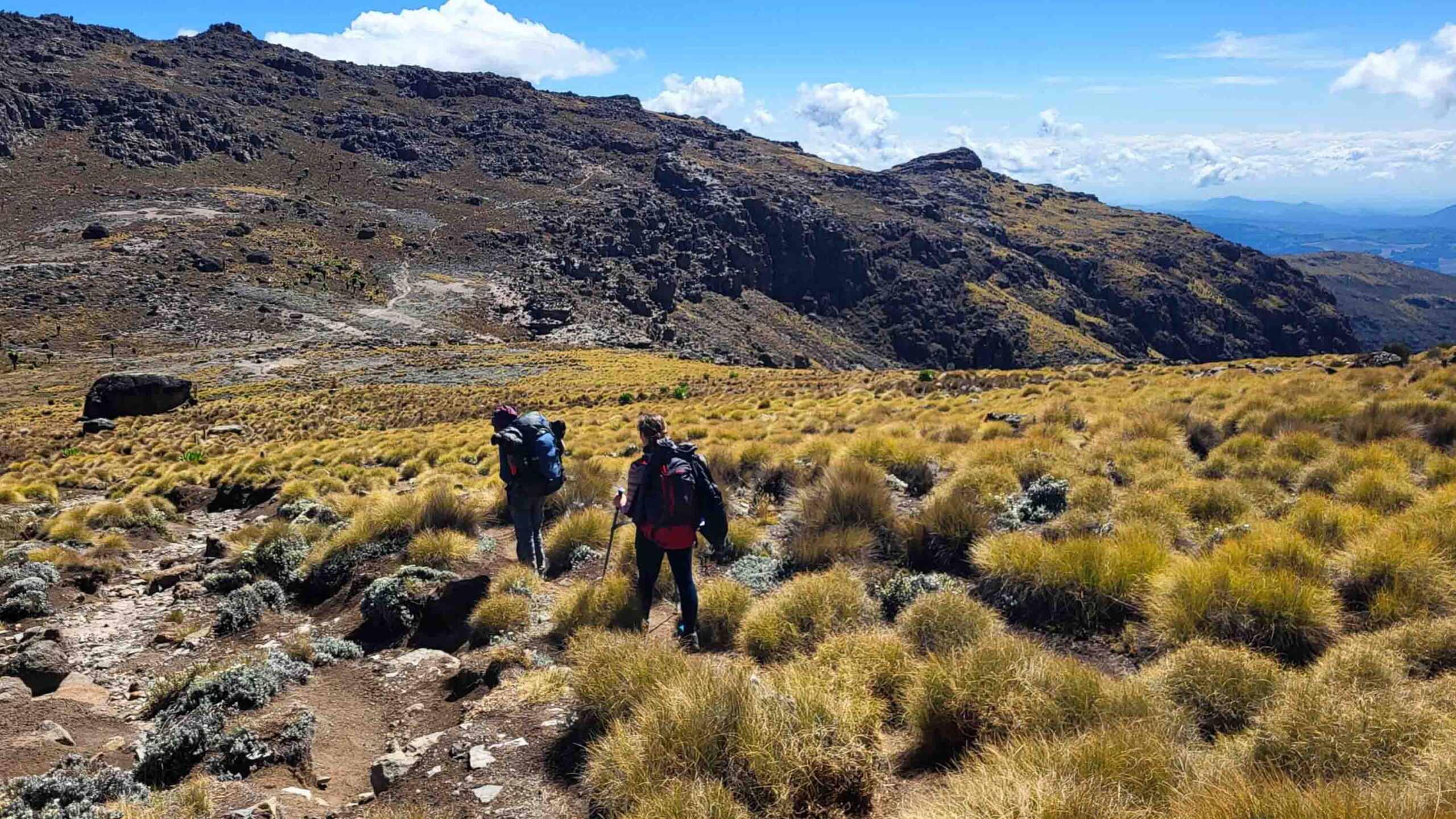
For those seeking an alternative to the well-trodden paths of Mount Kilimanjaro, Africa offers a range of compelling, less-crowded summits. From the wildlife-rich slopes of Mount Kenya to the remote peaks of northern Kenya, these destinations provide unique hiking experiences alongside a deeper connection to local ecosystems and cultures.
Mount Kenya: A Wilder Challenge
Mount Kenya, Africa’s second-highest peak, attracts approximately 15,000 hikers annually, half the number that climb Kilimanjaro. The mountain’s three summits—Batian, Nelion, and Point Lenana—present varying levels of difficulty. Point Lenana, accessible to hikers without technical climbing skills, carries a complex legacy tied to the Maasai leader Lenana, who lost ancestral lands during British colonization.
Recent increases in park fees by the Kenyan Ministry of Tourism and Wildlife highlight the precarious nature of access to natural environments. The Sirimon route, blending forest trails with Afro-alpine moorland, leads to Shipto base camp. Here, hikers encounter diverse wildlife, including hyraxes that time their arrivals with cooking schedules. The final ascent to Point Lenana (16,351 feet/4,984 meters) is a stark reminder of the shrinking Lewis Glacier, which has lost 95% of its ice since 1900.
Alternatives Across East Africa
Mount Kenya isn’t the only climb worth considering in East Africa:
- Mount Meru (Tanzania): Tanzania’s second-highest peak, Mount Meru (14,977 feet/4,565 meters), offers a four-day hike through rainforests with potential wildlife sightings. Its camps provide more comfortable accommodations than Kilimanjaro’s.
- Mount Ololokwe (Kenya): This Samburu region peak (6,561 feet/2,000 meters) combines a strenuous day hike with an overnight camp, offering a sacred experience for the Samburu people.
- Oldoinyo Lesatima (Kenya): The tallest peak in the Aberdare Range (13,126 feet/4,001 meters) provides a similar overnight experience, accessible from Nairobi.
The choice of which summit to climb depends on personal preference, time constraints, and desired levels of challenge. Each offers a unique blend of natural beauty, cultural immersion, and physical exertion.
In a world where tourism increasingly commodifies nature, these lesser-known peaks offer a more authentic and rewarding experience for those willing to venture beyond the beaten path.


