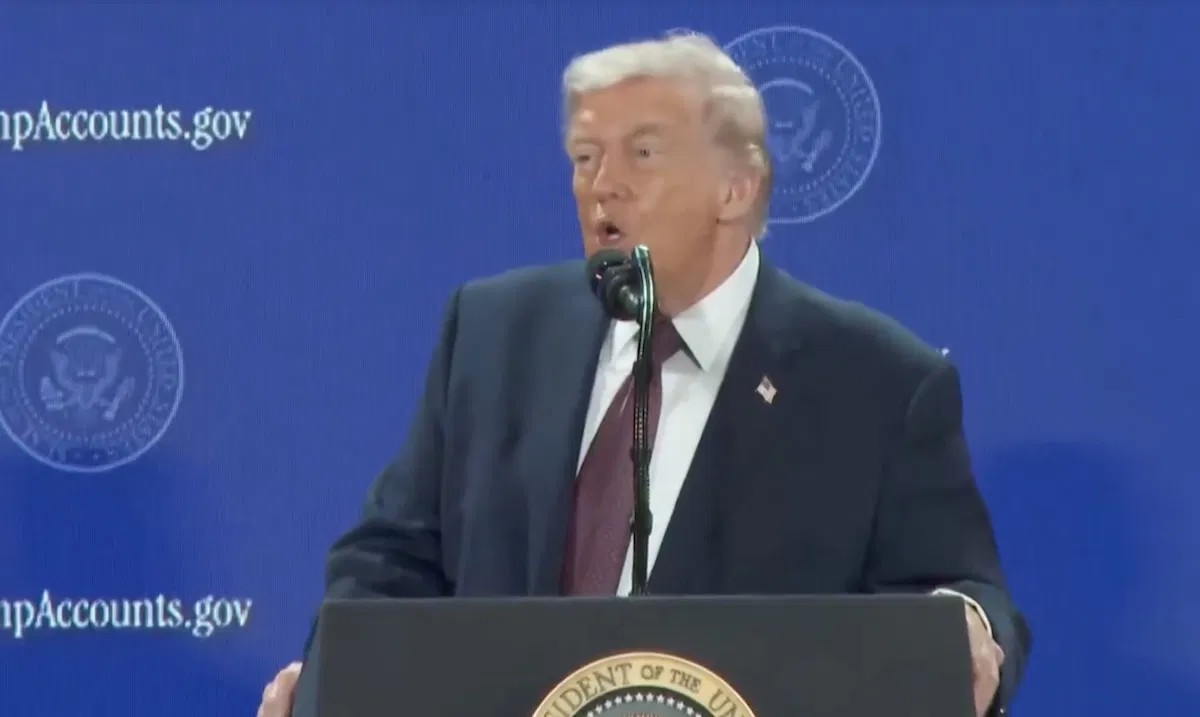
Visa has announced a new initiative allowing credit card holders to deposit cash back rewards directly into “Trump Accounts”—savings accounts established under the Working Families Tax Cuts. This partnership, revealed by former President Trump, will enable cardmembers to funnel rewards into these accounts, designed as retirement savings vehicles for children.
What are “Trump Accounts”?
Despite the branding, these accounts are not directly linked to Donald Trump’s personal finances. Instead, they are individual retirement accounts (IRAs) established for children under 18 with valid Social Security numbers. A pilot program offers a $1,000 initial contribution for children born between January 1, 2025, and December 31, 2028. The intention is to provide a head start on long-term savings.
Why This Matters
The announcement comes as part of a broader effort to incentivize family financial planning. While similar credit card programs already exist that direct rewards toward savings, this initiative leverages the “Trump Account” branding for increased visibility. The move may also be strategically aligned with Trump’s past proposals to cap credit card interest rates, potentially serving as a gesture of cooperation between Visa and the former administration.
Context and Implications
The timing of this announcement raises questions about its political implications. Branding a savings program with the former president’s name is likely to generate controversy, yet it also guarantees attention. This could be a calculated move to appease Trump’s base while positioning Visa as a responsive corporate partner.
The success of the program will depend on consumer adoption and how effectively Visa markets the “Trump Account” concept. The limited-time $1,000 contribution incentive may drive initial enrollment, but long-term viability will rely on continued investment from cardholders.
Ultimately, this partnership is a straightforward financial product wrapped in politically charged branding. Whether it proves popular remains to be seen, but the option for consumers to direct rewards toward children’s savings is a net positive.